


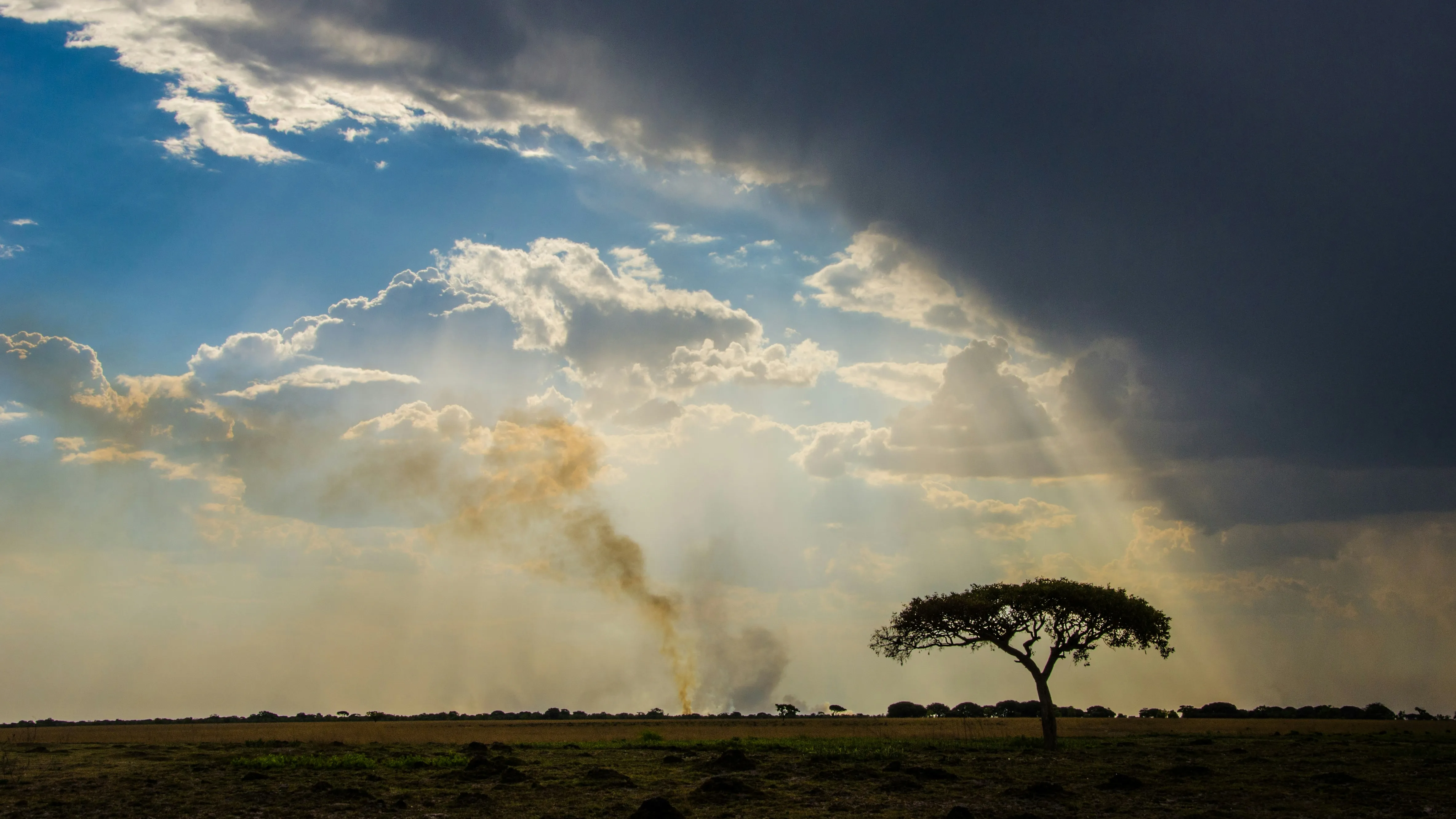
Zambia
Zambia offers spectacular safaris, the majestic Victoria Falls, and untouched wilderness, making it a legendary African destination for travelers seeking authentic adventures.
Quick Facts
- Capital
- Lusaka
- Language
- English
- Bemba, Nyanja, and Tonga
- Currency
- Zambian Kwacha (ZMW)
- Best time to visit
- From May to October during the dry season
- Budget per day
- $50 - $250 per day
- Climate
- Tropical climate softened by altitude, with a cool dry season and a very marked warm rainy season.
- Connectivity
- medium
- Very easy to obtain at airports and urban centers
- Electricity
- Type C, D, and G (230V)
- Local transport
- limited
- Card usage
- cash is used more
- Tipping
- optional
🌎 Introduction
In the heart of the southern part of the continent, Zambia unfolds as a territory of contrasts marked by the course of its rivers and the immensity of its plateaus. The Zambezi, which forms the backbone of much of its geography, is much more than a stream of water; it is the axis of a landscape that changes drastically with the passing of the seasons. From the golden stillness of the dry season to the burst of life brought by the rains, nature here dictates a slow rhythm that invites calm observation of the life flowing through its valleys and plains.
That same serenity is breathed in the daily life of its towns and cities, where hospitality is a hallmark shared by dozens of ethnic groups. Community life often revolves around a simple table presided over by nshima and traditional celebrations that, like the ceremonial moves during river floods, keep the link with the land alive. It is a country that shows itself as authentic and welcoming, balancing its cultural roots with an urban vitality that coexists naturally with the wild environment.
🛡️ General safety
Zambia is traditionally considered one of the most stable, peaceful, and welcoming countries in southern Africa. For tourists, the general safety level is in a medium-high range, standing out as a destination where visitors are usually received with hospitality and respect. Although it is not exempt from the challenges typical of a developing nation, the environment for the traveler is reasonably quiet, especially in areas dedicated to nature tourism and safaris.
General safety level
- The country enjoys notable political stability compared to some of its regional neighbors, which translates into a relaxed social atmosphere for international visitors.
- The safety rating is positive, provided that common sense is applied and the basic self-protection recommendations used in any other global destination are followed.
- The context for the traveler is that of a country that enormously values tourism, so authorities are usually cooperative and local communities show an open attitude toward foreigners.
Crime and common risks
- The most common crimes affecting tourists are opportunistic in nature, such as pickpocketing of wallets, mobile phones, or bags, especially in crowded places.
- It is recommended to take extra precautions in open-air markets, busy bus stations, and commercial areas in the centers of large cities.
- Scams are often related to currency exchange on the street (you should always go to official offices) or individuals offering unaccredited tourist services at suspiciously low prices.
- Violent incidents directed against foreigners are infrequent, although isolated assaults can occur in peripheral or poorly lit areas at night.
Safety in cities and tourist areas
- In cities like Lusaka (the capital) and the towns in the Copperbelt, movement during the day is safe, but it is advised to avoid walking alone at night in non-residential or industrial areas.
- Livingstone, being the tourist capital due to Victoria Falls, has a more visible police presence and an environment very focused on visitor protection.
- National parks (such as South Luangwa or Lower Zambezi) are extremely safe environments regarding crime, but they require strictly following safety rules regarding wildlife.
- It is recommended to use safes in hotels to store original documentation and valuables, always carrying a copy of your identification on you.
Safety in transport
- Public transport consists mainly of minibuses and shared taxis. Although they are inexpensive, they are often poorly maintained and tend to drive at excessive speeds.
- For urban transfers, the use of official taxis (easily identifiable by their colors) or recognized private transport apps is recommended, avoiding stopping private cars.
- In Zambia, driving is on the left, a fundamental rule for those who choose to rent a vehicle. Main roads are usually in acceptable condition, but secondary roads may have deep potholes or unpaved sections.
- Night driving outside urban centers is strongly discouraged due to lack of lighting, the presence of wild animals or livestock on the road, and vehicles driving without lights.
Natural and climatic risks
- The risk of large-scale natural disasters, such as earthquakes or hurricanes, is very low in Zambia.
- Flooding is the most relevant risk during the rainy season (from November to April), which can cause road closures or difficulties accessing certain national parks that close temporarily.
- Extreme heat can be a risk factor in the months of October and November, especially in river valleys, so constant hydration and sun protection are essential.
- In safari areas, the most direct natural risk comes from wildlife (hippos, crocodiles, elephants); you must never leave the vehicle or walk without a guide in unauthorized areas.
Legislation and local norms
- Zambia has very strict laws against the consumption and trafficking of narcotics, with considerable prison sentences even for small amounts.
- It is strictly forbidden to take photographs of government buildings, military installations, police stations, airports, or bridges. Doing so can lead to arrests and confiscation of equipment.
- It is illegal for civilians to wear camouflage or military-style clothing; this includes pants, caps, or backpacks with this print, as its use is reserved exclusively for security forces.
- The export of hunting trophies or wildlife products (such as ivory or skins) without the corresponding international permits is severely punished.
Safety for specific groups
- Female travelers: Zambia is a safe destination for women traveling alone, although it is advisable to dress modestly in rural areas and avoid walking unaccompanied in isolated areas after sunset to avoid unwanted attention.
- LGTBIQ+ travelers: It is important to know that same-sex relationships are illegal in Zambia and there is not a high level of social acceptance. It is recommended to maintain a discreet attitude and avoid public displays of affection to avoid legal problems or uncomfortable situations.
- Children and the elderly: These groups are highly respected in local culture. The main risk for them is health (especially malaria throughout the country) and fatigue from long road trips.
Emergencies and assistance
- General emergency numbers are 991 for the police and 993 for the fire service. The medical emergency number is usually 992.
- Quality medical assistance is limited to private clinics in Lusaka or Livingstone. In case of serious incidents in remote areas, air medical evacuation is the only viable option.
- In case of theft or incident, it is essential to request a police report for any subsequent procedures with travel insurance, even if the process may be slow and bureaucratic.
Tip: Always carry a color photocopy of your passport and your entry stamp into the country, leaving the original documents safely in your accommodation to avoid setbacks in case of loss or theft.
📝 Entry requirements
When planning a trip to Zambia, it is essential to keep in mind that a passport is the primary and essential identification document for any international visitor. It is generally recommended that this document has a minimum validity of six months from the intended date of entry into the national territory. Likewise, it is convenient for the passport to have several blank pages free of stamps to allow the stamping of entry and exit permits by border authorities.
Regarding access permits, most international travelers require a tourist visa. This process can be handled in various ways, with the possibility of applying electronically before the start of the journey being common or, in certain cases, processing it directly upon arrival at major international airports and land border posts. The maximum duration of stay for leisure purposes is usually limited to a specific period per calendar year, generally allowing an initial stay of up to thirty days which, on occasion, can be extended at the corresponding offices.
Upon entering the country, authorities usually carry out routine checks where the presentation of a return ticket or continuation to a third destination may be requested. This requirement serves as a guarantee that the visitor intends to leave the territory within the permitted timeframe. Similarly, proof of sufficient funds to cover all expenses arising from the stay is often required, either by showing cash, bank statements, or credit cards.
Customs regulations maintain standard restrictions on the importation of products. Special attention is recommended for the entry of medication, always suggesting carrying the original medical prescription translated if necessary, especially for substances that may be considered controlled. On the other hand, there are strict limitations on the introduction of certain fresh food products and plant materials. Regarding departure, the transport of objects related to wild flora and fauna without the pertinent permits is severely regulated.
From a health standpoint, requirements may vary according to the traveler’s previous itinerary. Although not always universally required, the presentation of a yellow fever vaccination certificate may be required for those who have transited through or come from countries where this disease is considered endemic. Additionally, it is a common practice among tourists to inform themselves about general health recommendations for tropical climates, including prevention against insect bites and the consumption of bottled water.
- Identity document: The passport must be the original document, in good condition, and have extended validity.
- Visa management: The entry permit can be single or multiple entry, depending on travel plans in the region.
- Proof of transport: Have a confirmed reservation for a flight out of the country.
- Economic means: Demonstration of financial solvency to afford accommodation and maintenance.
- Health controls: Presentation of the international vaccination card if coming from risk zones.
- Restricted items: Prohibition of entry for pornographic material, illicit drugs, and weapons without special authorization.
- Currency declaration: It is common to have to declare amounts of foreign currency that exceed the limits established by local regulations.
- Personal luggage: Personal use items are usually exempt from taxes, provided their quantities do not suggest commercial purposes.
🏥 Basic health considerations
When you prepare for your trip to Zambia, you will find a health system that varies significantly between rural areas and major urban centers like Lusaka or Livingstone. Although the country has a network of public centers, most travelers opt for private healthcare, which offers standards closer to international ones and more complete equipment. You must keep in mind that the costs of these private services are high and usually require payment in advance. In most clinics and hospitals, you will be able to communicate without problems as healthcare staff regularly speak English.
Taking out travel medical insurance is not a legal requirement to enter the country, but it is absolutely essential. Your policy should be as comprehensive as possible and must include air medical evacuation and repatriation. This is vital because, in the event of a serious complication, it is very likely that you will need to be transferred to hospitals with better technology in neighboring countries. Make sure your insurance has broad coverage for hospitalization and emergency medical expenses.
Regarding vaccines, the only one that may be mandatory for you is the yellow fever vaccine, but only if you are coming from a country where this disease is endemic. Beyond this, it is highly recommended that you keep your official vaccination schedule up to date, including tetanus, diphtheria, and hepatitis A. Due to the characteristics of the region, you might also discuss vaccines against typhoid fever and rabies with your doctor. Don’t forget to consult about malaria prophylaxis, as this disease is prevalent in much of the territory and prevention is fundamental.
If you need to take your own medication, it is very important to transport it in its original packaging and always accompanied by a medical prescription translated into English. Zambia has very strict laws regarding the entry of certain drugs, especially those containing psychotropic substances or strong painkillers. To avoid misunderstandings at customs, take only the amount necessary for the days of your stay and always keep the certificate justifying its personal use handy.
Regarding common health risks, the most relevant factor you will face is the climate and insects. During the hottest months, you should pay attention to hydration to avoid heatstroke. In safari areas, the greatest risk comes from mosquito bites, so the use of repellents and long-sleeved clothing at dawn and dusk will be your best defense. On the other hand, it is best to avoid bathing in lakes or slow-moving rivers to prevent the risk of bilharzia, a parasite that can be found in some freshwater areas.
Regarding water and hygiene, the main recommendation is to always consume bottled water and avoid ice in drinks. You will find that in good quality hotels and lodges, hygiene standards are high, but caution is advised with street food. You can try local cuisine more safely by choosing dishes that are served very hot and fruits you can peel yourself. Washing your hands frequently or using disinfectant gel is a simple routine that will save you many digestive troubles.
In case of a medical emergency, the general telephone number is 992. However, you should know that public ambulance services can be limited outside the cities. If you are staying in a tourist establishment, the most practical thing is to go directly to management, as they usually have established protocols with private emergency services and fast transfers to the nearest clinics.
As final practical recommendations, I suggest you include a basic first-aid kit in your luggage with disinfectant, bandages, oral rehydration salts, and an antihistamine. Always maintain a preventive attitude without excessive worry and enjoy the country’s nature with common sense. Before leaving, it is a good idea to note down the addresses of the main medical centers in the cities you plan to visit to have that information located beforehand.
🚌 Transport within the country
Moving around Zambia usually involves traveling long distances, so organizing trips is a fundamental aspect of the journey. Visitors usually combine domestic flights, which connect the capital with the main national parks and tourist hubs, with road transport. The plane is the most efficient option for covering the country’s extensive geography, while long-distance buses are the most common way to move between main cities, offering a network that links the most populated points of the territory.
The use of public transport is accessible for international travelers because English is the official language, which simplifies ticket purchases and navigation at stations. Bus tickets are usually purchased in person at terminals before departure. It is important to keep in mind that punctuality can vary, as in many cases vehicles do not start the journey until they are full, which imparts a slow pace to travels.
In urban environments, movement is mainly through taxis and small minibuses. Taxis are a comfortable option for short trips within cities, although they lack meters, so it is necessary to agree on the terms of the journey before starting. In large cities, the offer is wide, but when moving to rural areas, transport options are notably reduced and infrastructure may present more basic conditions, especially off the main roads.
Although there is a railway network connecting certain regions, its use is less common for tourists with little time due to the duration of the journeys. On the other hand, in specific river or lake areas, it is possible to find ferry services or local boats. In general terms, transport in Zambia requires flexibility and patience, as travel times can be affected by road conditions or seasonal weather.
Tip: When planning road trips between different regions, it is advisable to always travel during daylight hours to have better visibility and easier assistance in case of any unforeseen events.
🤵 Culture and etiquette
Social interaction in Zambia invariably begins with a slow greeting, as it is considered a fundamental sign of courtesy before starting any conversation or transaction. It is common to use a soft handshake with the right hand, while, in more traditional contexts or to show special respect, it is frequent to rest the left hand on the right forearm during the greeting. This gesture symbolizes deference and is very common when addressing older people or those with certain authority within the community, reflecting the importance given to social hierarchy.
In public spaces, an atmosphere of calm and decorum prevails. Maintaining a moderate voice volume is positively valued, avoiding loud noises that could be intrusive to others. The concept of time and punctuality is usually more flexible in informal situations, so patience becomes a very useful attitude for the visitor wishing to integrate into the local rhythm. Communication tends to be friendly and measured, prioritizing harmony in interpersonal dealings and generally avoiding direct confrontations in the presence of others.
Regarding table manners, it is common for some traditional meals to be shared collectively. In these cases, the right hand is always used both for handling food and for eating, reserving the left for other tasks. Before and after meals, diners are usually offered a container of water for hand washing, a deeply rooted ritual of hygiene and hospitality. Regarding gratuities, tips in tourist establishments and restaurants are appreciated as recognition for good service, reflecting an attitude of mutual gratitude for the attention received.
Respect for local traditions and places of worship is a pillar of coexistence. When visiting rural areas or participating in community meetings, it is essential to observe the behavior of the hosts and follow their instructions naturally. In religious places or during formal meetings with local leaders, it is recommended to dress discreetly and modestly, opting for clothing that covers shoulders and knees as a sign of consideration. Likewise, asking for permission before photographing people or their private environments is an essential rule of etiquette that demonstrates sensitivity and respect for others’ privacy.
“Tip”: Always use the right hand to give or receive any object, document, or money, as the use of the left hand in these social exchanges can be perceived as carelessness in manners or a lack of attention toward the other person.
🍛 Typical gastronomy
Zambian cuisine is based on simplicity and the use of local resources, where corn is the undisputed star of the table. The central element of almost any meal is nshima, a consistent dough made with white cornmeal and water. This food is not considered simply a side dish, but the nutritional and cultural base of the country. Nshima is usually served in shared containers and is complemented by various stews or side dishes known locally as ndiwo, which are responsible for providing flavor and variety to the daily diet.
Common ingredients include a wide range of green leafy vegetables, legumes, and, in regions near large bodies of water like the Zambezi River or Lake Kariba, a great variety of fresh fish. The use of peanuts is fundamental in Zambian gastronomy; they are crushed to create thick, nutritious sauces that accompany both vegetables and meats. Although chicken and beef are the most frequent animal proteins, in many areas seasonal ingredients are integrated according to availability in the environment.
The way of eating in Zambia follows a simple but meaningful protocol that the traveler should know. It is a courtesy rule to wash your hands before and after each meal, for which a bowl of water is usually offered to diners. Food is traditionally eaten with the right hand, using small pieces of nshima to scoop up the side dish. While in urban centers restaurants operate with international standards, in more traditional settings the act of sharing food is valued, which reinforces social bonds.
In the beverage section, it is very common to consume munkoyo, a traditional preparation made from roots and corn that has a slightly acidic flavor due to its natural fermentation. Tea is also a very widespread option throughout the day. Meal times are usually regular, with a main lunch at midday and dinner at dusk, maintaining a structure that prioritizes fresh and freshly prepared foods.
| Dish | Description | Main Ingredients | Where to try it | Tip |
|---|---|---|---|---|
| Nshima | Basic corn dough that constitutes the staple food of the country. | White cornmeal and water. | In any restaurant or local house throughout the country. | It must be molded by hand into a small ball before dipping it into the stew. |
| Ifisashi | Green leafy vegetable stew with a thick and tasty sauce. | Pumpkin or cabbage leaves, crushed peanuts, and tomato. | Traditional food restaurants in Lusaka and Livingstone. | It is the perfect side dish for those looking for a nutritious vegetarian option. |
| Bream (Tilapia) | River fish usually prepared grilled or fried. | Fresh freshwater fish, salt, and occasionally lemon. | Riparian zones of the Zambezi and areas near lakes. | The “charcoal-grilled” version usually better preserves the fresh flavor of the fish. |
| Chikanda | Firm-textured savory snack, often called “African polony.” | Wild orchid tubers, peanuts, and chili. | Local markets and street food stalls. | It is usually served in cold slices and is ideal as a light snack between meals. |
| Michopo | Grilled roasted meat cut into small pieces and seasoned. | Goat or beef, onion, and local spices. | Open-air markets and nightlife areas. | It is recommended to accompany it with some raw onion and chili to highlight its flavor. |
📷 Areas and places to visit
Zambia presents itself to the traveler as a destination where nature dictates the rhythm of daily life, offering an authentic experience in the heart of the African continent. The city of Livingstone acts as the main attraction hub, preserving a historical air that evokes past eras through its colonial architecture. Located in the far south, this town is the starting point for exploring one of the world’s most recognized natural wonders, where the Zambezi River plunges into a deep abyss, creating a constant mist visible from kilometers away. In this area, it is common to enjoy scenic flights, sunset cruises, or walks along the walkways bordering the precipices.
In the east of the country lies South Luangwa National Park, a protected area of great biological importance. This place is famous for having originated walking safaris, a modality that allows for close observation of the savannah ecosystem and the wildlife that congregates around the Luangwa River. The density of fauna in this park is notable, highlighting the presence of leopards, hippos, and a wide variety of migratory birds. Accommodations in this region are usually integrated into the environment, allowing for total immersion in the natural landscape without giving up comfort.
For those seeking more direct contact with water, Lower Zambezi National Park offers a different setting. Here, the landscape is characterized by floodplains and forests that end at the riverbank. One of the most valued activities is canoeing, which allows for silent navigation alongside elephants and buffalo that come to drink at the shore. This area stands out for its tranquility and for offering a different perspective of the fauna from the riverbed, complementing traditional land routes.
The capital, Lusaka, represents the modern and dynamic face of Zambia. It is a constantly growing city where skyscrapers coexist with traditional markets like City Market, where the bustle of local life can be perceived. In the cultural sphere, the Lusaka National Museum is a relevant stop for understanding the political and anthropological history of the country, housing exhibitions ranging from contemporary art to archaeological objects. The city also serves as a link between different regions, showing a vibrant mix of ethnicities and traditions.
Toward the center and west is Kafue National Park, one of the largest protected spaces in Africa. Its geography is extremely diverse, ranging from dense teak forests to the Busanga floodplains, where the landscape changes drastically according to the season. It is an appreciated destination for those who prefer less traveled routes and wish to observe less common species, such as the cheetah or the large herds of antelope that roam the wetlands during the dry season.
Finally, northern Zambia holds lesser-known natural treasures of great scenic value. The Bangweulu Wetlands area is a unique ecosystem where the singular shoebill, one of the most sought-after birds by ornithology enthusiasts, lives. Nearby, Kasanka National Park witnesses one of the largest mammal migrations on the planet, when millions of fruit bats concentrate in its forests. Additionally, the northern region is famous for its numerous waterfalls, such as the Kalambo Falls, which mark the border with neighboring Tanzania in a setting of rocky walls and exuberant vegetation.
Tip: You cannot miss visiting Victoria Falls, the most emblematic place in the country.
✈️ Best time to travel
Zambia offers very different experiences depending on the time of year it is visited, as its climate is mainly marked by the alternation between the dry season and the rainy season. The choice of the ideal moment usually depends on the traveler’s interests: whether they prefer observing large mammals in national parks or looking to contemplate the power of water in exuberant landscapes.
Generally speaking, the country’s natural cycle conditions both the visibility of fauna and access to certain remote areas. While the drier months facilitate land travel and animal sightings at water sources, the wetter months transform the territory into a vibrant stage, ideal for landscape photography and birdwatching of migratory species.
| Season | Months | Typical climate | What to expect | Tourist influx |
|---|---|---|---|---|
| Spring | Mar – May | Mild temperatures and end of the rains. | Victoria Falls reach their highest flow. Very green landscapes and clear skies. | Medium ⭐⭐ |
| Summer | Jun – Aug | Sunny and dry days; cool nights. | Optimal conditions for wildlife viewing and walking safaris. Paths are easily passable. | High ⭐⭐⭐ |
| Autumn | Sep – Nov | Intense heat and very dry atmosphere. | Animals concentrate at permanent water points. Excellent visibility of predators. | High / Medium ⭐⭐⭐ |
| Winter | Dec – Feb | Warm with frequent rains and humidity. | ”Green season”: birth of offspring, presence of migratory birds, and exuberant vegetation. | Low ⭐ |
🗣️ Basic vocabulary
Although English is the official language of Zambia and is used in administration and tourism, learning some expressions in the most spoken local languages, such as Bemba or Nyanja, notably improves interaction with residents. A simple greeting in the local language is usually well-received and facilitates smoother and closer communication in markets, public transport, or rural areas.
It is not necessary to delve into grammar, but having a small repertoire of courtesy demonstrates respect for Zambian culture. These words will be practical for daily situations and will help you move with greater confidence during your stay in the country.
- Muli bwanji: Hello / How are you? (Nyanja).
- Bwino: Good / Everything is fine (commonly used as a response to a greeting).
- Zikomo: Thank you / Excuse me (Nyanja).
- Chonde: Please (Nyanja).
- Ee / Ai: Yes / No (Nyanja).
- Mwabuka bwanji: Good morning (Bemba).
- Natotela: Thank you (Bemba).