


India
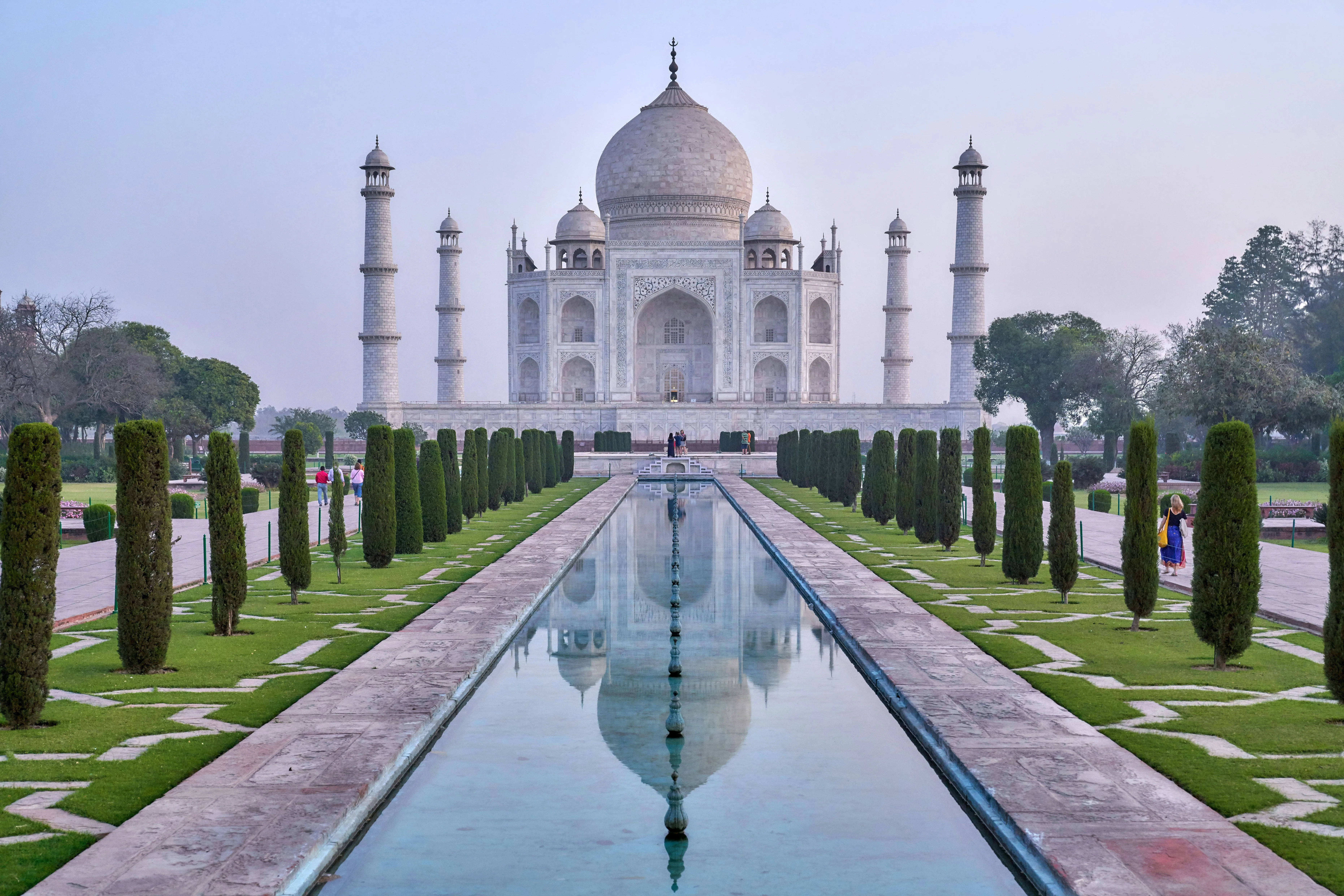
A vast territory that combines ancestral spirituality, iconic monuments like the Taj Mahal, and a vibrant cultural diversity that captivates every traveler.
Quick Facts
- Capital
- New Delhi
- Language
- Hindi
- English and 21 other official languages
- Currency
- Indian Rupee (INR)
- Best time to visit
- From October to March, avoiding the months of extreme heat and the monsoon.
- Budget per day
- $20 - $80 per day
- Climate
- Varied tropical climate, with very hot summers, mild winters, and a marked monsoon season between the months of June and September.
- Connectivity
- medium
- Very easy to obtain at airports and local shops with a passport.
- Electricity
- Type C, D, and M (230V)
- Local transport
- acceptable
- Card usage
- acceptable
- Tipping
- yes
🌎 Introduction
Between the peaks of the Himalayas and the warm waters of the Indian Ocean stretches a territory where the rhythm of life is deeply linked to the cycles of nature. It is a place where the passage of the seasons, especially the arrival of the monsoon, transforms landscapes and defines the customs of its inhabitants. From the arid plains of the northwest to the tropical zones of the south, the geography offers a variety of settings that coexist with vibrant and constantly moving cities.
The identity of these lands manifests in a diversity of languages and traditions that intertwine naturally in daily life. The aroma of spices in the markets, the light of festivities that mark the calendar, and the simplicity of rural scenes form a cultural mosaic that has managed to preserve its historical legacy. In its streets, ancient architecture shares space with modernity, reflecting a society that values its roots while adapting to new times.
This balance between the past and the present allows for an approach to a plural and suggestive reality. Hospitality and respect for local customs are common traits found in both small villages and large cities. It is a country of nuances, where the pause of the temples and the dynamism of commercial activity offer a balanced vision of one of the oldest and most diverse cultures in the world.
🛡️ General safety
India is a country that, in general terms, offers a safe environment for tourism, provided one travels with a moderate level of caution and common sense. It is not a country that stands out for high levels of physical violence against foreigners, but its demographic and cultural complexity requires the traveler to be attentive to their surroundings in a more active way than in other destinations.
The general safety rating is at a medium level. This means that, although there are no critical risks to personal safety on most tourist routes, it is common to face situations of trickery or petty crime directed at visitors. The context for the traveler is that of a vibrant and crowded country where the main recommendation is gradual adaptation to the local rhythm.
Common crimes and risks
Most incidents affecting tourists are non-violent in nature. The most common risks include:
- Theft and pickpocketing: Frequent in crowded places such as train stations, popular markets, and around iconic monuments.
- Tourist scams: The most common risk. This includes everything from taxi drivers claiming your hotel has closed to take you to another where they earn a commission, to fictitious travel agencies selling non-existent packages.
- Shopping scams: Especially in the sale of precious stones, rugs, or antiques that turn out to be low-value imitations.
- Infrequent risks: Although the risk of violent attacks is low, it is advisable to avoid border areas or regions with active political tensions (such as certain areas of Kashmir or rural areas in the northeast) that are not usually part of standard tourist circuits.
Safety in cities and tourist areas
Safety in urban centers like Delhi, Mumbai, or Jaipur varies significantly depending on the neighborhood and the time of day. In general, tourist neighborhoods and commercial areas are safe during the day.
- Urban areas: It is recommended to avoid walking through poorly lit streets or sparsely populated peripheral areas at night.
- Urban public transport: The metro in cities like Delhi is modern and has women-only carriages and a strong security presence. However, urban buses can be a setting for unwanted contact or petty theft due to overcrowding.
- Practical recommendation: It is preferable to use transport applications to move around, as the journey is registered and the price is fixed in advance.
Transport safety
Transport is one of the most chaotic aspects of the experience in India, though not necessarily dangerous if the rules are known:
- Public transport: Long-distance trains are the backbone of the country. They are safe, but it is vital to secure luggage with chains or locks during the night.
- Taxis and Rickshaws: A price should always be agreed upon before getting in or the use of the meter should be demanded. The use of platforms like Uber or Ola is highly recommended to ensure safety and avoid scams.
- Driving: Driving in India is on the left. Driving by tourists is not recommended due to extremely dense traffic, widespread disregard for signs, and the variable state of the roads. Hiring a vehicle with a professional driver is suggested.
Natural and climatic risks
The climate in India can present severe risks depending on the region and the time of year:
- Monsoons: Between June and September, torrential rains can cause flooding and landslides, especially in northern mountainous areas and southern states like Kerala.
- Extreme heat: During the months of April, May, and June, temperatures can exceed 45°C in the center and north of the country, posing a real risk of heatstroke.
- Earthquakes: Northern India (Himalayan range) is a zone of seismic activity, so it is advisable to know the basic action protocols.
Local legislation and norms
India has laws that can be very strict compared to other countries:
- Drugs: Possession, consumption, or trafficking of drugs carries very severe prison sentences, often for several years, with no distinction between “soft” or “hard” drugs.
- Prohibited devices: Bringing satellite phones into the country is prohibited, and the use of drones is subject to very strict regulations and prior permits that are difficult to obtain.
- Dress codes: In religious places (Hindu temples, mosques, Sikh temples), it is mandatory to dress with modesty (shoulders and knees covered) and to remove shoes. Non-compliance can be considered a serious offense to local sensitivities.
Safety for specific groups
- Female travelers: India requires special attention for women. It is recommended to dress modestly, avoid walking alone at night in sparsely populated places, and use the women-only carriages or areas in public transport. It is common to receive persistent stares, which are usually curiosity, but in case of any discomfort, one should contact the police or security personnel.
- LGTBIQ+ community: Although homosexuality was decriminalized in 2018, Indian society remains conservative. Discretion is recommended, and public displays of affection should be avoided to prevent uncomfortable situations or discrimination.
- Children and the elderly: India is a country that highly values family, so traveling with children often attracts sympathy. The main risk for these groups is food hygiene and dehydration.
Emergencies and assistance
In case of an incident, these are the key points:
- Single emergency number: 112 (equivalent to the international system for police, ambulance, and firefighters).
- Police: The specific number for the police is 100. In major cities, there is “Tourist Police,” specialized in helping foreigners.
- Medical assistance: In large cities, there are private hospitals of excellent quality, but it is essential to have travel insurance with broad coverage, as costs for foreigners can be high and advance payment or insurance guarantee is required.
Tip: Always be suspicious of anyone who approaches proactively at airports or stations offering unsolicited help or reporting that “your hotel has burned down” or “the street is closed”; it is usually the start of a planned scam.
📝 Entry requirements to the country
To undertake a tourist trip to India, the first fundamental aspect is to have a valid passport. Generally, authorities require this document to have a minimum validity of six months from the date of arrival in the territory and to have at least two blank pages for the corresponding stamps. It is common for the vast majority of international travelers to need to manage a travel authorization or visa prior to their arrival, a process that is frequently done electronically through official platforms designed for tourist stays.
The maximum duration of stay permitted is usually subject to the type of visa obtained, allowing in many cases a stay of up to ninety days, although this can vary according to the regulations in force at the time of the request. Upon arrival at immigration control points, it is common for officers to request the presentation of an exit ticket from the country or a return ticket to the place of origin, as well as proof of sufficient financial funds to cover expenses during the planned period of stay.
Regarding customs controls, there are standard restrictions on the importation of certain items. It is advisable to pay attention to the transport of specific medications, which should be accompanied by their respective medical prescription. Similarly, the entry of fresh food products, plants, or animals is usually strictly regulated. Electronic devices for personal use generally do not present problems, although highly specialized equipment might require a prior declaration. It is also important to consider that there are limits for the entry of cash currency without declaration.
From a health point of view, requirements may depend on the traveler’s origin. While mandatory vaccines are not usually required universally, certification of vaccination against yellow fever may be requested from those who have recently traveled through areas where the disease is endemic. It is advisable to keep the standard vaccination schedule up to date and consider recommendations on preventive health related to the consumption of water and food, as well as protection against insects in certain geographical areas.
Below are some key points to keep in mind for trip preparation:
- Passport validity: It is recommended that the document be valid for more than six months from entry.
- Entry authorization: It is common to need to process an electronic or consular visa before boarding.
- Proof of exit: Have a confirmed flight reservation to leave the country within the permitted period.
- Luggage and customs: Avoid transporting prohibited or restricted items without proper documentation.
- Health and prevention: Consult with travel medicine specialists on recommended prophylactic measures according to the itinerary.
- Registration at control: Procedures at airports may include the collection of biometric data such as fingerprints or a photograph.
🏥 Basic health considerations
You will find that the healthcare system in India presents very marked contrasts that you should be aware of before your arrival. While public centers are often overcrowded and have limited resources, in large cities you will see top-tier private hospitals that have advanced technology and highly qualified specialists. As a tourist, you will most likely always go to private healthcare if you need attention. The prices for consultations and treatments in these centers are high by local standards, although they may be affordable for you, but a serious hospitalization or emergency surgery will increase costs considerably. Medical staff usually speak excellent English, so you will be able to communicate easily if you have basic notions of the language.
Although it is not a mandatory legal requirement to enter the country, taking out travel medical insurance is highly recommended. It is fundamental that your policy includes broad coverage for hospitalization in private centers and medical repatriation in case of need. Having this support will allow you to receive the best possible care without having to pay large sums of money out of your own pocket in critical situations.
Regarding vaccines, there are none that are mandatory for all travelers, unless you come from an area where yellow fever is endemic, in which case they will ask for the international vaccination certificate. However, it is highly advisable to have your routine vaccination schedule up to date. You will find that it is most common to recommend vaccines against hepatitis A and typhoid fever, as they are related to the consumption of water and food. It will be very helpful to go to an international medicine center a few weeks before your trip to receive personalized advice according to the exact areas you are going to visit.
If you need to bring your own regular medication, make sure to transport it in its original packaging and in your carry-on luggage. It is very important to carry the medical prescription or a report from your doctor explaining the treatment, preferably in English. This is especially relevant for drugs containing controlled substances, as customs authorities can be strict. Additionally, it will be very useful to prepare a basic first-aid kit with painkillers, gastric protectors, anti-diarrheals, and oral rehydration salts.
Health risks vary greatly depending on the region and the time of year. In tropical areas and during the monsoon season, you will have to actively protect yourself from mosquito bites to avoid diseases like dengue or Zika, which are seasonal. In the north of the country, if you decide to visit high mountain areas in the Himalayas, you could experience altitude sickness, so you should make a gradual ascent. Extreme heat is another risk factor in much of the territory, so maintaining constant hydration is essential to avoid heatstroke.
The most important point for your health during the trip will be the control of what you eat and drink. Never drink tap water and make sure that the bottled water you buy is well-sealed. You will find delicious gastronomy, but we recommend that you always opt for food that is well-cooked and served hot. Avoid raw salads, fruits you cannot peel yourself, and ice in drinks. General hygiene at street stalls may not be what you are used to, so using a hand sanitizer gel before eating will be one of your best prevention tools.
For any medical emergency situation, the phone number you should dial is 102 or 108, which are the general emergency services. You should keep in mind that the operation of ambulances can be slow due to intense city traffic, so in cases that are not extremely serious, it is often more efficient to travel on your own in a taxi directly to the emergency department of the nearest private hospital.
As final recommendations, remember to always carry a good insect repellent with a high concentration of DEET and high-factor sunscreen. If you are sensitive to air quality, in large cities like Delhi you could find high levels of pollution, so wearing a mask may be comfortable on certain days. By following these basic precautionary guidelines, you will be able to enjoy all the cultural richness of the country with total peace of mind.
🚌 Transport within the country
Moving around India is a diverse experience due to the enormous size of the territory and the variety of options available. The train is the most emblematic and widely used means of transport, as it has one of the most extensive railway networks in the world that connects almost every corner of the country. To cover long distances in a short time, domestic flights are a frequent alternative that connects major cities quickly. On shorter journeys or toward areas where the railway does not reach, buses and cars with drivers are the usual options for visitors.
Using public transport is relatively simple for travelers, as signage at stations and airports is usually available in both local languages and English. Ticket purchases can be managed in person or through digital means, although it is important to keep in mind that demand is very high. Staff at transport offices usually have a knowledge of English, which facilitates basic communication for organizing travel around the country.
There is a notable difference between the infrastructure of large cities and rural areas. In major urban centers, the metro stands out as a modern and efficient system to avoid traffic. In contrast, in rural settings or smaller towns, transport is simpler and depends mainly on local buses or shared vehicles. In specific regions with rivers or coasts, ferries and small boats are essential for daily mobility and for accessing certain points of interest.
Taxis and small three-wheeled vehicles, known as auto-rickshaws, are present on practically any street and are fundamental for urban mobility. The latter are very practical for short journeys and for navigating through the dense city traffic. Currently, the use of mobile applications to request these services has become widespread, which provides greater peace of mind to the traveler by managing the pickup point and destination digitally.
Regarding comfort and punctuality, these can vary depending on the chosen means of transport. While the metro and flights are usually regular, long-distance trains and buses may experience delays due to logistical or climatic factors. The level of comfort also fluctuates depending on the category selected, with options ranging from basic to services with air conditioning and more space, allowing each person to adapt the journey to their preferences.
Tip: For long-distance train journeys, it is recommended to organize reservations as far in advance as possible to ensure availability in classes that offer greater comfort.
🤵 Culture and etiquette
In India, the most widespread traditional greeting is Namaste, which is performed by joining the palms of the hands at chest level and slightly bowing the head. Physical contact in public between people who do not have a close relationship is usually limited, so it is preferable to avoid effusive displays of affection in open spaces to maintain harmony with the social environment. In daily interactions, a hospitable and welcoming attitude prevails, where interest in the well-being of the interlocutor and calm dialogue are fundamental to establishing a climate of mutual trust.
The concept of punctuality tends to be more flexible than in other regions, which implies that appointments or meetings may be delayed without it being considered a personal slight. Regarding non-verbal communication, it is very common to observe a slight side-to-side head wobble, a versatile gesture that usually indicates agreement, understanding, or simply that attention is being paid to what is being said. Although the volume of voices on the streets of large cities can be high due to the intensity of urban life, in interpersonal dealings, gentleness and courtesy are valued.
Respect for the sacred is a central pillar of daily life and requires special attention from the visitor. When entering temples or places of worship, it is essential to remove shoes and dress in a way that covers the shoulders and legs, maintaining a somber attitude. Likewise, it is important to show special deference toward elderly people, as generational hierarchies are very present in the social structure and respectful treatment toward those who are older is a fundamental norm of courtesy.
Gastronomic culture also follows specific guidelines that are advisable to observe to integrate naturally. It is traditional to use primarily the right hand for eating or for giving and receiving objects, reserving the left for other personal hygiene functions. If invited to a home, it is considered a kind gesture to accept at least a small portion of what is offered as a sign of gratitude for the hospitality. Regarding tips, although they are not strictly mandatory, they represent a common practice and are highly valued in the service sector as recognition for good service.
“Tip”: In daily interactions, always prioritize using the right hand for making payments, handing over documents, or consuming food, as it is considered a gesture of courtesy that facilitates harmony with local customs.
🍛 Typical gastronomy
The gastronomy of India is a mosaic of flavors, colors, and aromas that varies significantly from one region to another. The common thread of its cuisine is the masterful use of spices, which not only provide flavor but are also valued for their digestive properties. Cumin, turmeric, cardamom, and cilantro are fundamental pillars that are combined in complex mixtures known as masalas. The base of the daily diet rests on legumes (especially lentils and chickpeas), rice, and a wide variety of flatbreads like naan or roti, which serve as an indispensable accompaniment in almost any meal.
In terms of eating habits, Indian cuisine stands out for its enormous vegetarian offering, due to the influence of various cultural and religious traditions. However, in many areas, meat dishes are also consumed, mainly chicken and lamb. It is common for meals to be presented in a varied way in a thali, a circular tray containing small portions of different stews, yogurt, rice, and bread, offering a balance between sweet, salty, spicy, and sour flavors in a single service.
The way of interacting with food is also a relevant cultural aspect. In many homes and traditional establishments, the custom of eating with the hands is maintained, specifically with the right hand, using pieces of bread to scoop up food. Regarding drinks, spiced tea or chai is the national drink par excellence, present in every corner and moment of the day. Lassi, a yogurt-based drink that helps soften the effect of spice on the palate, is also very common.
Restaurant hours are usually broad, although dinner is often the main meal of the day and can last well into the night in urban areas. Table etiquette is generally relaxed and hospitable, focused on sharing dishes placed in the center of the table. At the end of the meal, it is common to be offered fennel seeds or rock sugar to freshen the breath and facilitate digestion.
| Dish | Description | Main ingredients | Where to try it | Tip |
|---|---|---|---|---|
| Butter Chicken | Marinated chicken cooked in a creamy tomato and butter sauce. | Chicken, tomato, butter, and cream. | North India and restaurants in Delhi. | Accompany it with freshly baked naan bread to enjoy the sauce. |
| Masala Dosa | Crispy fermented rice and lentil crepe filled with potatoes. | Rice, lentils, potatoes, and spices. | South India and breakfast stalls. | It is usually served with coconut and sambar (vegetable broth). |
| Biryani | Very aromatic rice dish slow-cooked with meat or vegetables. | Basmati rice, spices, saffron, and chicken or lamb. | Especially famous in the city of Hyderabad. | Order some raita (yogurt with cucumber) to refresh the palate. |
| Palak Paneer | Fresh spinach stew with chunks of firm fresh cheese. | Spinach, paneer cheese, garlic, and spices. | Available in almost any restaurant in the country. | It is an excellent vegetarian option, mild and nutritious. |
| Chole Bhature | Combination of spicy chickpea curry with a very fluffy fried bread. | Chickpeas, flour, yogurt, and spices. | Street food stalls and markets in Punjab. | It is a hearty dish, ideal for an early lunch. |
📷 Areas and places to visit
India is a territory of vast dimensions that offers cultural and landscape diversity that is difficult to match. In the north of the country, the traveler usually begins their journey in New Delhi, a capital that synthesizes the nation’s history. Here, the historical layout of narrow alleys and traditional markets coexists with wide colonial-influenced avenues and contemporary government buildings. Museums such as the National Museum allow for a journey through millennia of art and archaeology before moving toward the region of Rajasthan. This state is known for its walled cities, where the fortresses of Jaipur and the palaces located in front of the lakes of Udaipur stand out, reflecting a past of kingdoms and clans that have left a deep architectural mark.
To the east, the state of Uttar Pradesh concentrates some of the most relevant spiritual centers. The city of Benares or Varanasi, settled on the banks of the Ganges river, is one of the most significant destinations for understanding the country’s religious dimension. Observing the activity on the steps or ghats that lead down to the water offers a perspective on the traditions and rituals that remain in force. In this same region, monuments of Mughal origin show the sophistication of an era where symmetry and the use of white marble defined the aesthetics of internationally renowned historical buildings.
The natural contrast becomes evident when heading toward the Himalayan mountain range. In areas like Ladakh or Himachal Pradesh, the landscape changes radically toward snow-capped mountain peaks, deep valleys, and Buddhist monasteries integrated into the terrain. These regions are ideal for hiking and for experiencing a more calm mountain culture, away from the bustle of the large central plains. Routes through this area allow for visits to meditation centers and small rural villages that preserve a traditional lifestyle closely linked to the cycles of nature.
On the west coast, Mumbai represents the most modern and cosmopolitan face, being the economic center and the headquarters of the film industry. It is a city of great contrasts where Victorian architecture blends with skyscrapers and popular markets. Descending the coast leads to Goa, an area that stands out for its beaches and architecture that denotes a clear Portuguese colonial influence. It is a space that offers a different atmosphere, conducive to relaxation and visiting historical churches that have been declared World Heritage Sites.
South India offers a more tropical and temperate experience. In the state of Kerala, the Backwaters form a network of canals and lagoons that can be navigated in traditional boats, allowing for the observation of rural life among coconut trees and rice paddies. On the other hand, the state of Tamil Nadu is famous for its immense Dravidian temple complexes, characterized by their towers sculpted with colorful figures. Also noteworthy is the archaeological site of Hampi, in Karnataka, where the ruins of an ancient empire stretch across a landscape of granite rocks and palm trees, offering one of the most unique monumental ensembles in the country.
Finally, historical heritage is complemented by a cultural offering that includes music festivals, classical dance, and craft markets in almost every region. Visiting art centers or attending demonstrations of local textile techniques are frequent activities for those wishing to delve into the identity of each area. Diversity even extends to nature reserves and national parks, where it is possible to go on excursions to observe native fauna in protected environments ranging from the humid jungles of the south to the dry forests of the center.
Tip: You cannot miss visiting the Taj Mahal, the most emblematic place in the country.
✈️ Best season to travel
India presents a great variety of climates due to its vast geographical extent, so the travel experience can change significantly depending on the chosen date. In general terms, the period that offers the most moderate conditions in most of the territory coincides with the cooler and drier months, which allows for visiting both the historical cities of the north and the landscapes of the south with greater comfort. However, each season of the year provides different nuances, from the explosion of color in its festivals to the lush vegetation after the rains.
When planning the route, it is worth keeping in mind that the climate influences not only the temperatures but also the accessibility of certain regions, such as the mountainous areas of the Himalayas or the nature reserves. While the center and south maintain warm temperatures almost all year round, the north experiences more marked variations that can condition outdoor activities and visits to iconic monuments.
| Season | Months | Typical climate | What to expect | Tourist influx |
|---|---|---|---|---|
| Spring | Mar – May | Rising temperatures and dry environment. Intense heat toward May. | Celebration of the Holi festival. Wildlife sightings in national parks before the rains. | ⭐⭐⭐ (Medium) |
| Summer | Jun – Aug | Arrival of the monsoon with frequent rains and high humidity. | Very green and lush landscapes. It is the best time to visit the Himalayan regions. | ⭐⭐ (Low) |
| Autumn | Sep – Nov | Decrease in rains and milder, more pleasant temperatures. | Clear skies and important festivities like Diwali. Optimal conditions for cultural tourism. | ⭐⭐⭐⭐ (Medium-High) |
| Winter | Dec – Feb | Cool and dry environment. Low temperatures in the north and moderate in the south. | Sunny days ideal for long walks. Occasional fog in northern parts of the country. | ⭐⭐⭐⭐⭐ (High) |
🗣️ Basic vocabulary
Although in the tourist areas of India it is common for people to communicate in English, knowing some basic expressions in Hindi greatly facilitates daily interaction. Using local words in everyday situations, such as in markets or when using public transport, is usually appreciated by residents and helps create a closer and more respectful atmosphere during the trip.
It is not necessary to delve deep into the grammar of the language to get by well. It is enough to memorize a few key terms that will allow you to greet, ask prices, or thank gestures, which will give you greater confidence when moving through the different cities and towns of the country.
- Namaste: It is the universal greeting and is used for both welcoming and saying goodbye.
- Shukriya or Dhanyavad: These are the most common ways to say thank you.
- Haan / Nahin: They mean yes and no, respectively.
- Kitna hai?: Essential phrase to ask “how much is it?”.
- Pani: It is the word for water, fundamental for making basic purchases.
- Thik hai: It translates as “it’s fine” or “agreed,” very useful for confirming any plan or service.
- Chalo: It means “let’s go,” and is commonly used to indicate wanting to start moving on a journey.