


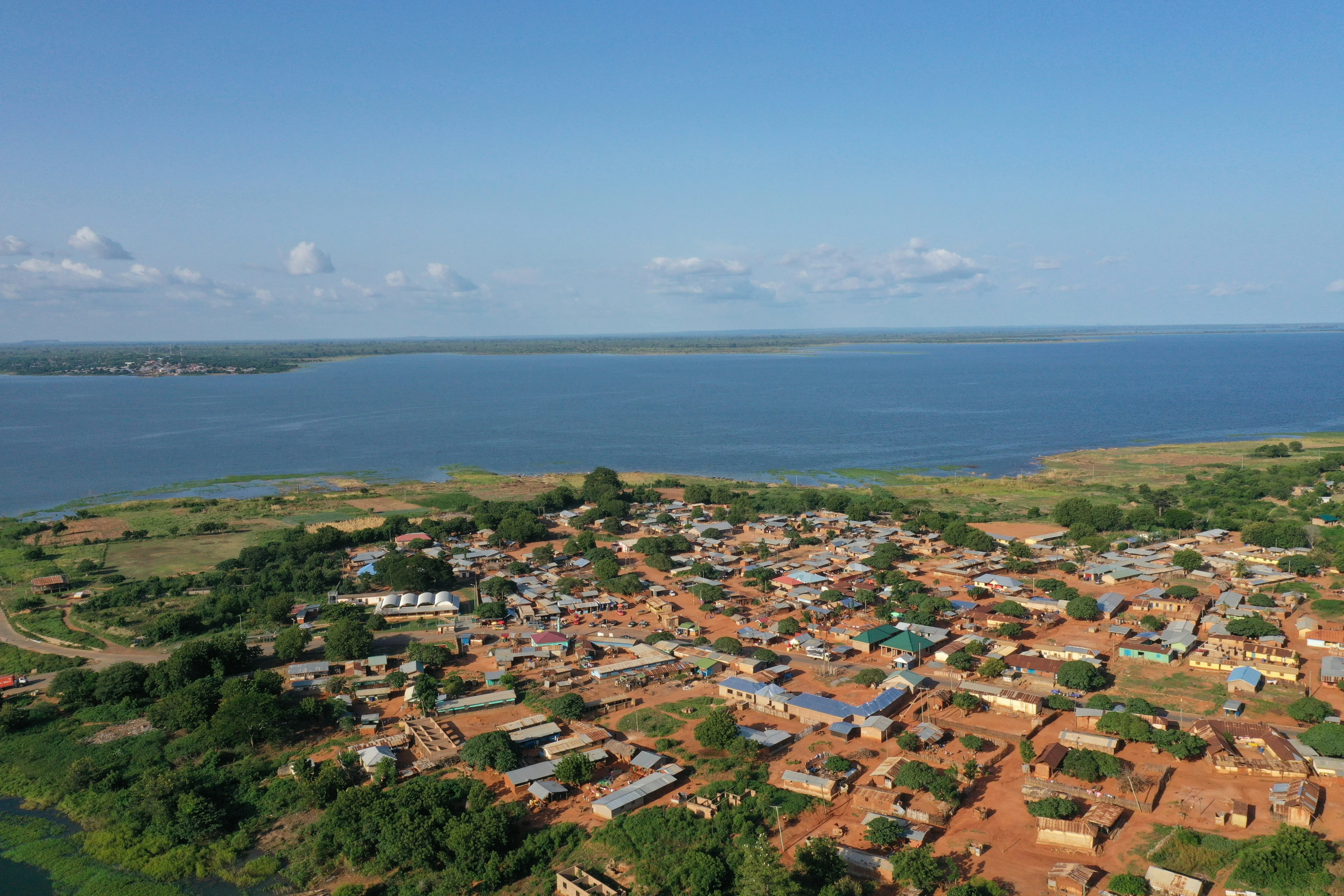
Guinea-Bissau
A pristine archipelago of paradisiacal islands that preserves ancestral traditions in a wild natural environment, ideal for travelers seeking an authentic African experience.
Quick Facts
- Capital
- Bissau
- Language
- Portuguese
- Guinea-Bissau Creole, native languages
- Currency
- West African CFA Franc (XOF)
- Best time to visit
- From November to May, coinciding with the dry season.
- Budget per day
- $35 - $110 per day
- Climate
- Warm and humid tropical climate with a dry season from November to May and heavy rains from June to October.
- Connectivity
- low
- Easy to acquire in the capital and main urban centers.
- Electricity
- Type C (230V)
- Local transport
- limited
- Card usage
- cash is used more
- Tipping
- optional
🌎 Introduction
Between the lushness of the tropical forests and the labyrinth of islands that reach into the Atlantic, Guinea-Bissau presents itself as a mosaic of water and mainland. In this corner of the West African coast, daily life follows the pulse of the tides and very marked seasons, where the passing of the rains renews the landscape and the cashew cycle organizes the calendar of many rural communities.
The country’s identity is perceived in a rich mix of languages and a cultural heritage where local traditions coexist with influences from other horizons. While in cities like Bissau the rhythm becomes vibrant with the colors of popular celebrations and traditional masks, in the Bijagós archipelago and the inland villages, a more leisurely atmosphere prevails. It is an environment where the sound of the sea and the shade of large trees define a way of being in the world that preserves its essence in a simple manner.
🛡️ General Safety
Guinea-Bissau is a destination that offers an authentic and little-explored experience, but it requires the traveler to maintain a moderate level of caution. Although it is not a country with high rates of violence against tourists, its historical political instability and limited infrastructure suggest a planned trip conscious of local realities.
- The general safety level can be described as medium. The country is mostly peaceful, especially in rural areas and on the islands, but the capital can present logistical challenges and minor citizen security issues.
- The political situation has shown periods of instability in the past. Although this rarely affects tourists directly, it is recommended to stay informed about local current events and avoid any type of political demonstration or gathering.
- The context for the traveler is that of a country with a limited police presence outside urban centers and basic emergency services, which requires greater self-sufficiency.
Crime and common risks
Crime in Guinea-Bissau is predominantly opportunistic and non-violent, although it is advisable not to lower your guard in crowded environments.
- Theft and bag-snatching are the most frequent incidents, especially in high-traffic areas such as popular markets and docks.
- Minor scams can occur in informal currency exchanges or through the offer of unregulated tourist services. It is recommended to use official channels or those recommended by trusted accommodations.
- Violent assault is extremely rare against tourists, but the risk increases if traveling through isolated or poorly lit areas at night.
- Isolated cases of attempts to collect arbitrary “fees” at road checkpoints have been reported. Staying calm, polite, and requesting an official receipt usually deters these practices.
Safety in cities and tourist areas
The safety experience varies significantly between the capital, Bissau, and the rest of the territory, especially the Bijagós archipelago.
- In Bissau, the capital, extreme caution should be exercised in the Bandim Market and in the port area. It is advisable to move by taxi after dark, even for short distances.
- The Bijagós Islands and other coastal areas oriented toward tourism are considered very safe areas, with a relaxed atmosphere and a very strong sense of community that protects the visitor.
- In urban centers, it is preferable not to flaunt valuables, such as professional cameras or flashy jewelry, to go unnoticed.
- Public lighting is deficient or non-existent in many areas; carrying a flashlight and avoiding walking alone at night are essential practices.
Transport safety
Moving around the country can be a challenge due to the state of infrastructure and the age of the vehicle fleet.
- In Guinea-Bissau, people drive on the right. However, traffic rules are not always strictly followed, and animals or pedestrians may enter the roadway without warning.
- Public transport consists mainly of “toca-tocas” (shared vans) and taxis. “Toca-tocas” are often very overloaded, which increases the risk of accidents; taxis are a safer option, always agreeing on the price in advance.
- The use of rental vehicles is recommended only if you have a local driver or have previous experience driving on dirt tracks and in environments with precarious signage.
- Road trips should always be made during the day. The lack of lighting and the presence of vehicles without lights make night driving highly dangerous.
- Maritime transport to the islands should be carried out in vessels that have safety measures (life jackets) and avoiding overloaded local boats during the rainy season.
Natural and climatic risks
The climate of Guinea-Bissau is tropical, which defines the main environmental risks for the traveler.
- The rainy season (from June to October) is intense. It can cause flash floods, road closures due to mud, and difficulties in maritime navigation due to sea conditions.
- Extreme heat and high humidity are constant for much of the year. The risk of dehydration and heatstroke is real, so constant hydration with bottled water should be prioritized.
- There is no significant risk of earthquakes or volcanic activity, but tropical storms during the monsoon can be very severe.
Local legislation and norms
Respect for local laws and customs is fundamental to avoid misunderstandings with the authorities.
- It is strictly forbidden to photograph government buildings, military sites, airports, bridges, or personnel in uniform. Failure to comply can lead to equipment confiscation or brief detentions.
- Penalties for possession or trafficking of narcotic substances are extremely severe, and conditions in detention centers are very precarious.
- It is mandatory to always carry an identification document (passport with a valid visa). It is advisable to carry a legalized photocopy and leave the original in a safe place at the hotel.
- The export of certain natural products or traditional art pieces without a certificate may be restricted.
Safety for specific groups
- Female travelers: Guinea-Bissau is generally safe, but women traveling alone may receive unwanted attention or persistent comments. It is recommended to dress discreetly and avoid walking unaccompanied in uninhabited areas or isolated beaches at dusk.
- LGTBIQ+ travelers: Although homosexuality is not illegal according to the penal code, society is conservative and the subject is taboo. Public displays of affection can generate rejection or uncomfortable situations, so absolute discretion is recommended.
- Children and the elderly: The main risk for these groups is the precariousness of the healthcare system. Any trip must have comprehensive medical insurance that includes aerial evacuation.
Emergencies and assistance
The response of emergency services can be slow due to the lack of technical and human resources.
- Emergency numbers: The general police number is 117 and the fire department is 118, although their effectiveness is limited outside the capital.
- In case of an incident, it is preferable to go directly to the nearest police station or contact the consulate or embassy representing your interests.
- Quality medical services are scarce. In case of a serious emergency, the standard practice is transfer to neighboring countries or repatriation.
Tip: Always maintain a low profile, avoid talking about local politics in public, and ensure you hire travel insurance that specifically covers international medical rescue and evacuation.
📝 Entry requirements
To organize a trip to Guinea-Bissau, the first essential element is to have a valid passport. It is recommended that the document has a minimum validity of six months from the moment you step onto national territory. As it is a destination with specific regulations, most international travelers need to process a tourist visa before their arrival. This permit usually grants a stay that typically ranges between thirty and ninety days, depending on the arrangements made at the corresponding consular representations.
When appearing before the authorities at border posts or at the airport, it is common to be asked for proof of a return ticket or an onward ticket to a third country. This procedure seeks to confirm that the visitor has definite plans to leave the territory within the permitted period. Likewise, in some cases, proof of sufficient financial funds to cover maintenance and accommodation costs during the stay in the country may be required, thus ensuring that the tourist has their own means.
Regarding customs regulations, the process is usually standard for the region. Entry of personal use items is allowed, but there are controls on the import of medicines. If the traveler needs to carry specific medication, it is very convenient to carry the medical prescription translated or in a format that is understandable to avoid misunderstandings. Controls on fresh food products and plants are also common for phytosanitary reasons, so discretion is recommended regarding these types of items.
The health section is one of the most relevant points for access. An international vaccination certificate is generally requested, especially for yellow fever, which is a common requirement in this area of West Africa. In addition to this measure, it is advisable to consult with travel medicine services about other recommended vaccines or preventive treatments against tropical diseases, adapting protection measures to the type of itinerary intended to be carried out in the country.
Below are the key points for visitor access:
- Passport: Original document with extended validity.
- Visa: Prior entry authorization for tourism purposes.
- Maximum stay: Usual short-term periods of up to ninety days.
- Proof of exit: Need to show a return or onward ticket.
- Financial means: Ability to afford the stay autonomously.
- Health controls: Presentation of the international vaccination card.
- Luggage and customs: Declaration of special medications and items of value.
🏥 Basic health considerations
Before embarking on your trip to Guinea-Bissau, it is fundamental that you know the reality of the health system you will find upon arrival. The country has a quite limited health infrastructure, especially outside the capital, Bissau. In the main city, you will be able to find some private centers that offer care closer to international standards for minor problems, but you must keep in mind that for any serious situation, specialized care is scarce. Costs in these private centers are usually high, and it is common for staff to communicate in Portuguese or Creole, although in some clinical settings you might find someone who speaks basic French or English.
Taking out travel medical insurance is not just a recommendation, but an absolute necessity before landing. This insurance must be of high quality and must necessarily have broad coverage for medical repatriation in a medicalized plane, as in case of a serious accident or complicated illness, it is most likely that you will need to be transferred to another country. Ensure that your policy also includes the advancement of funds for hospital expenses, as most centers require payment in advance.
Regarding vaccinations, the one for yellow fever is mandatory for all travelers entering the country, and you must show your international vaccination certificate upon arrival at the airport. In addition to having your official vaccination schedule up to date, it is recommended that you consult with a tropical medicine center about vaccines against hepatitis A and B, typhoid fever, and cholera. It is also convenient to be protected against meningitis and tetanus-diphtheria before starting your route.
If you need to take medication regularly, it is best to bring everything you will need for the total duration of your stay, kept in its original packaging. You will find that local pharmacies do not always have stock of specific medications. It is very important to always carry a copy of your medical prescription signed by your doctor, preferably translated, to avoid misunderstandings at customs or if you need to replace any essential drug.
The most relevant health risk you will face in Guinea-Bissau is malaria, which is present throughout the territory all year round. You should consult a doctor before traveling to be prescribed the appropriate preventive treatment. Being a tropical climate, intense heat and humidity can take their toll, so constant hydration is key. Do not forget to protect yourself against insect bites using strong repellents and sleeping under mosquito nets, as this will also protect you from other diseases such as dengue or zika.
Regarding hygiene and food, the golden rule is to only drink bottled water and ensure that the seal is intact when opening it. Avoid ice cubes and salads or fruits that you cannot peel yourself. You will find many street food stalls that smell wonderful, but it is best to consume foods that have been recently cooked and are served hot. General hygiene in establishments can be basic, so carrying a hand sanitizer gel in your backpack will be very useful before each meal.
In case of a medical emergency, the telephone number you can call is 112 or 121, although you should know that the ambulance service is very limited and it is often much faster to move by your own means to the nearest hospital or clinic. Urgent care is concentrated almost exclusively in Bissau, so if you are in remote areas or in the Bijagós Islands, the response time will be considerably longer.
As final practical tips, remember to pack a basic first-aid kit with pain relievers, gastric protectors, anti-diarrheals, and disinfectants for small wounds. Do not forget a good sunscreen and light long-sleeved clothing for the evening. Maintaining a cautious attitude toward hygiene and following bite prevention guidelines will allow you to enjoy the country’s incredible nature and culture with much more peace of mind.
🚌 Transport within the country
Moving around Guinea-Bissau requires adapting to a leisurely pace and a simple communication system. Road transport is the main method for moving between different regions, mostly using shared vans and minibuses that connect population centers. Since the country has significant island territory, maritime transport via ferries and boats is the only way to access the Bijagós archipelago, generally departing from the capital’s port.
Using public transport as a visitor can be somewhat complex due to the absence of clear signage and fixed schedules. There are no train stations or subway networks, so trip organization is usually informal. Communication with drivers and other passengers is fundamental, with Portuguese or Creole being the usual languages to agree on routes, as there are usually no structured ticket sales points or electronic reservation systems.
In the capital, Bissau, the most practical means for tourists is the taxi, recognizable by its distinctive colors. These vehicles can be used privately or shared, following general routes along the main avenues. However, when traveling to rural areas, options are limited to larger capacity vehicles that wait until they are full to start the journey, which makes the travel duration unpredictable.
The general feeling for the traveler is of variable reliability, where patience is essential. Travel can be uncomfortable compared to international standards, as the state of infrastructure and vehicles varies considerably. It is not common to find car rental services without a driver that are recommended for long journeys, so most visitors opt for chauffeur services or available local transport.
Tip: It is recommended to start journeys early in the morning, which is when there is greater availability of vehicles and the hottest hours during the trip are avoided.
🤵 Culture and etiquette
Guinea-Bissau society is distinguished by placing fundamental value on interpersonal relationships and mutual recognition in daily life. A greeting is not considered a mere formality, but an essential ritual to start any interaction; it is common to spend several minutes inquiring about the well-being of the other person and their family before proceeding to any practical or commercial matter. Physical contact during the greeting, such as prolonged handshakes, is a common display of cordiality and trust that helps establish an atmosphere of closeness.
In social dealings, a moderate volume of voice and communication that tends to be indirect to preserve harmony and mutual respect predominate. The perception of punctuality is flexible and is subject to human encounters, so waiting is a natural part of the daily rhythm. Showing patience and flexibility in the face of unforeseen events is a highly valued attitude that allows the traveler to naturally integrate into the local dynamic, avoiding signs of impatience or excessive urgency.
Respect for authority figures and older people is a central pillar of coexistence. In rural areas and traditional communities, elders and local leaders serve as guides, so it is important to show an attitude of deference toward them. Similarly, when faced with places of worship or ceremonies, it is recommended to maintain discreet behavior and dress modestly, always following the example of local residents to act with due consideration for their beliefs and sacred spaces.
Regarding food-related habits, hospitality is a prominent characteristic. In traditional contexts, it is common to share food from the same container, and it is customary to use the right hand both for eating and for giving or receiving objects. Regarding tipping, although it is not part of a strict norm in local culture, it is well received in services oriented toward tourism as a gesture of gratitude for attentive service, provided it is done discreetly and naturally.
“Tip”: Starting any interaction, whether in a shop or a casual encounter, with a slow and attentive greeting is the key to opening doors and generating an atmosphere of mutual trust.
🍛 Typical gastronomy
The cuisine of Guinea-Bissau is a reflection of its cultural diversity, where West African traditions merge with historical Portuguese influence. Rice is the fundamental pillar of the national diet, serving as the base for most main dishes. Due to its coastal geography and extensive network of rivers, seafood products, such as fresh fish and shellfish, occupy a central place at the table, along with a wide variety of tropical fruits and roots such as cassava.
The flavors of the region are characterized by the use of local ingredients that provide intense textures and colors. Palm oil, known locally as chabéu, is essential in many preparations, giving them a reddish tone and a dense, characteristic taste. Another essential element is mancarra (peanut), which is frequently used to make thick sauces that accompany meat and fish. Although spices are used, the level of spiciness is usually moderate, allowing the natural flavors of the fresh products obtained in local markets to stand out.
Regarding social habits, a meal is an important meeting time. Lunch is usually the most substantial meal of the day, generally held in the early afternoon. In traditional contexts, it is common for food to be shared from a common container, although in restaurants in urban areas, the service is individual and follows international norms. To accompany dishes, the consumption of natural fruit juices, such as cashew or baobab, is common, in addition to bottled water and, occasionally, palm wine in rural areas.
| Dish | Description | Main ingredients | Where to try it | Tip |
|---|---|---|---|---|
| Caldo de mancarra | A dense and nutritious stew very popular throughout the country. | Chicken or fish, peanut paste, onion, and vegetables. | Local restaurants in Bissau and inland areas. | Always accompany it with a generous portion of white rice. |
| Cafriela de frango | Chicken marinated and cooked slowly over coals or stewed. | Chicken, lemon, garlic, onion, and a touch of chili. | Terraces and dining rooms in Bissau and Quinhamel. | It is ideal for those who prefer citrus flavors and tender meats. |
| Caldo de chabéu | Traditional stew with intense color and deep flavor. | Palm oil, fish or meat, and okra. | Traditional food houses and regional markets. | It is a hearty dish, perfect for a complete lunch. |
| Jerecesse | Typical preparation from coastal areas based on rice. | Rice, various types of local seafood, and herbs. | Bijagós Archipelago and coastal cities. | Try it on the islands to ensure the maximum freshness of the seafood. |
| Peixe grelhado | Fresh fish of the day cooked simply. | Rockfish or sea fish, olive oil, and salt. | Beach bars in Rubane or Bubaque. | Ask for the fish caught that day to enjoy its natural flavor. |
📷 Areas and places to visit
The journey through Guinea-Bissau usually begins in its capital, Bissau, a city that combines the administrative pulse with a leisurely atmosphere by the Geba River estuary. The historic center, known as Bissau Velho, preserves buildings from the colonial era with pastel-toned facades and quiet streets that invite slow walking. In this area, the Fortaleza de São José da Amura stands out, a military structure that houses the mausoleum of Amílcar Cabral and offers a perspective on the country’s political history. Nearby, the port and the Bandim Market show the city’s most dynamic side, where commercial activity and the exchange of local products mark the daily rhythm of its inhabitants.
To the west lies the Bijagós Archipelago, declared a Biosphere Reserve. This group of eighty-eight islands and islets is a space where nature and ancestral traditions live closely together. On the island of Bubaque, the most accessible and populated, one can observe local life and visit the museum dedicated to Bijagó culture, which explains the social organization and beliefs of the region. For its part, the island of Rubane offers coastal landscapes defined by dense vegetation and light sands, while on the island of Orango, it is possible to go on excursions to observe the saltwater hippopotamuses, a zoological peculiarity that attracts those seeking to observe wildlife in its natural environment.
The former capital, Bolama, located on the island of the same name, presents a unique urban landscape characterized by the decay of its old neoclassical constructions. Vegetation has been integrating into the structures of the old administrative buildings and squares, creating an atmosphere of nostalgia that reflects the country’s historical past. It is a relevant place to understand the transitions that Guinea-Bissau has experienced and offers a marked contrast with the growth of the current capital. The tranquility of its streets and its proximity to the sea make it a point of interest for those who appreciate historical architecture and leisurely environments.
In the north of the country, the city of Cacheu presents itself as an enclave of great historical importance for having been one of the first European settlements in sub-Saharan Africa. The Cacheu Fort and the local interpretive center allow visitors to delve into the commercial and cultural exchanges that took place on these coasts for centuries. In addition, the area is surrounded by the Cacheu River Mangroves National Park, a wetland ecosystem where boat routes allow for migratory bird watching and observation of native flora in an environment of great ecological value.
To the south, the landscape becomes more jungle-like and dense, highlighting the Cantanhez National Park. This region is known for harboring the last remains of primary forest in the country and is home to various communities of chimpanzees and other primates. Activities in this area focus on hiking and observing biodiversity, always with respect for local ecosystems. Contact with rural communities in the area allows for learning about traditional agricultural practices and the importance of forest conservation for the local population’s livelihood.
In the interior of Guinea-Bissau, the towns of Bafatá and Gabú show a different reality from that of the coast. Bafatá, located by the Colubal River, stands out for its brick architecture and river views, being an important transit point on land routes. Gabú, on the other hand, is a relevant commercial center where the influence of the Fula and Mandinka cultures is more clearly perceived. These cities are ideal for getting to know inland markets and the ethnic diversity that makes up the country’s identity, far from the maritime influence of the islands and the capital.
For those looking for the continental coastline, the area of Varela, near the border with Senegal, offers stretches of sand surrounded by pine trees and rock formations. It is a region frequented by those who prefer less crowded environments and seek to enjoy the coast in a more pristine state. The country’s diversity of landscapes, ranging from mangroves and archipelagos to the savannas and forests of the interior, allows for a balanced and heterogeneous vision of this African destination.
Tip: You cannot miss visiting the Bijagós Archipelago, the most iconic place in the country.
✈️ Best season to travel
The choice of the best time to visit Guinea-Bissau depends largely on the type of experience sought, as the country has a tropical climate with contrasts marked by the alternation between the dry season and the rainy season. Generally, the months with the most stable weather coincide with the dry period, which facilitates land travel and navigation to the islands of the Bijagós archipelago, one of the country’s main points of interest.
During the rainy season, the landscape transforms into an environment of intense green and humidity increases considerably. Although travel can be more complex due to the state of some routes, it is an interesting period for those who prefer to observe nature at its maximum splendor. Conversely, the cooler and drier months offer more comfortable conditions for hiking and participating in cultural festivities that are usually held at the beginning of the year.
| Season | Months | Typical climate | What to expect | Tourist influx |
|---|---|---|---|---|
| Spring | Mar – May | Dry heat and rising temperatures. | Stable navigation to the islands and sport fishing. | Medium ⭐⭐ |
| Summer | Jun – Aug | Intense rainfall and high humidity. | Very green landscapes and start of turtle spawning. | Low ⭐ |
| Autumn | Sep – Nov | Transition from rains to drier weather. | Migratory bird watching and exuberant flora. | Medium ⭐⭐ |
| Winter | Dec – Feb | Mild temperatures and absence of rain. | Celebration of Carnival and optimal conditions for tourism. | High ⭐⭐⭐ |
🗣️ Basic vocabulary
Although Portuguese is the official language of Guinea-Bissau, in daily life the language most used by the population is Guinea-Bissau Creole (Kriol). Knowing some basic expressions in this language will help you better connect with local people and resolve everyday situations, such as greeting when entering a shop or asking for help in a market.
Inhabitants usually appreciate travelers attempting to communicate in their vernacular tongue. It is not necessary to master the grammar, as using simple words to say thank you or greet facilitates interaction and demonstrates respect for the country’s culture.
- Bon dia / Boa tardi: Good morning / Good afternoon.
- Kuma ku bo sta?: How are you?
- N sta dritu: I am fine.
- Obrigadu: Thank you.
- I kantu?: How much does it cost?
- Si / Nau: Yes / No.
- Diskulpa: Excuse me or sorry.
- Ate logu: See you later