


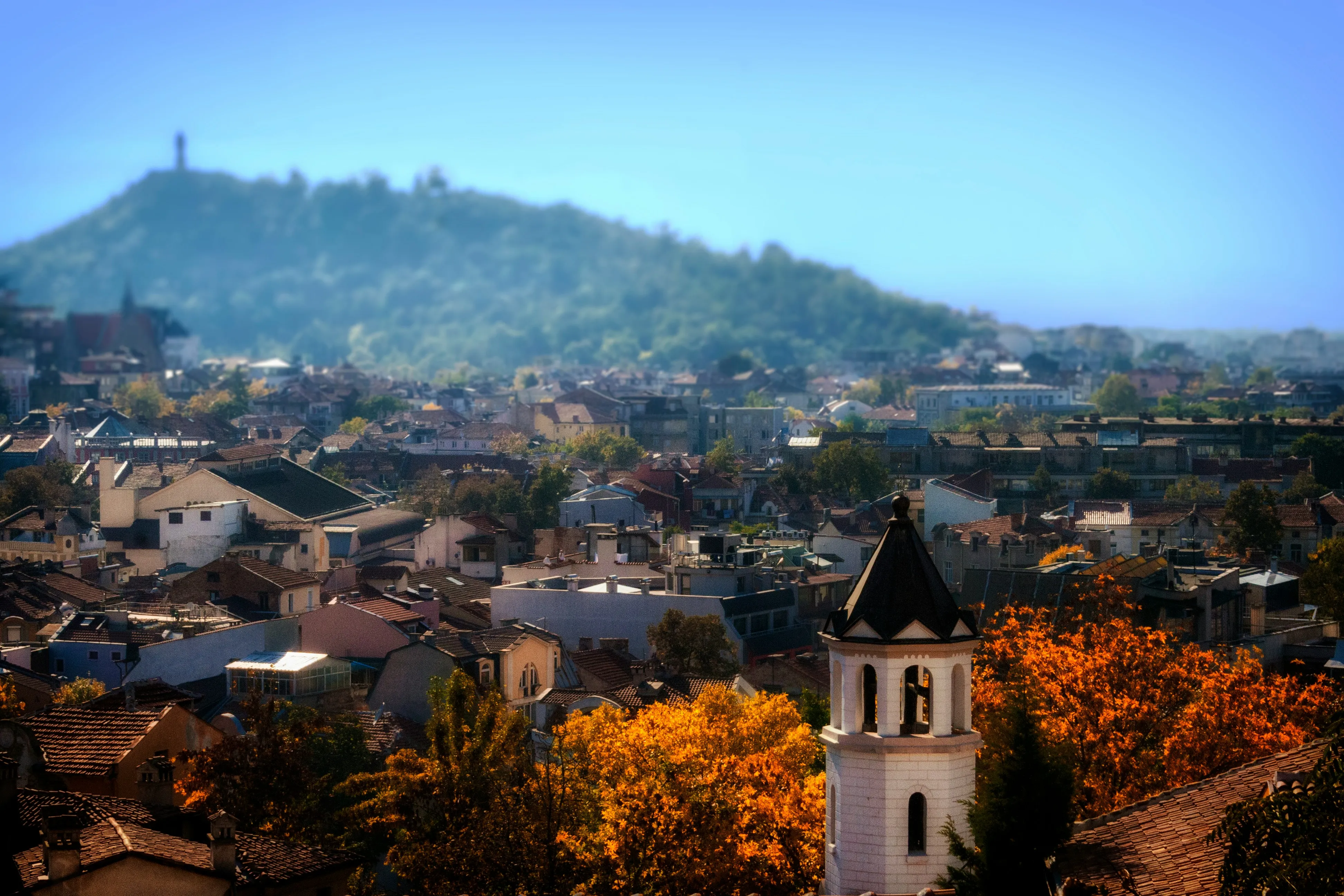
Bulgaria
Bulgaria captivates with its ancient Orthodox churches, spectacular mountain landscapes, and golden Black Sea beaches, offering a rich cultural history in Europe.
Quick Facts
- Capital
- Sofia
- Language
- Bulgarian
- English, Russian, Turkish
- Currency
- Bulgarian Lev (BGN)
- Best time to visit
- From May to September for pleasant weather; January and February for winter sports.
- Budget per day
- $35 - $90 per day
- Climate
- Continental climate with cold and snowy winters, warm and sunny summers, and a milder Mediterranean influence in southern areas.
- Connectivity
- good
- Very easy to acquire at airports, kiosks, and mobile phone stores.
- Electricity
- Type C/F (230V)
- Local transport
- acceptable
- Card usage
- acceptable
- Tipping
- optional
🌎 Introduction
Between the peaks of the Balkans and the shores of the Black Sea, Bulgaria unfolds as a territory of contrasts where time seems to move at its own pace. It is a place where beech forests change color with the passing of the seasons and mountain villages preserve stone and wooden architecture that tells stories from other centuries. Walking through its lands allows one to sense a legacy that mixes Thracian, Roman, and Ottoman influences, all guarded by Orthodox monasteries that keep a centuries-old silence in secluded valleys.
Daily life is naturally intertwined with simple traditions, such as the gesture of tying red and white threads to tree branches to celebrate the arrival of spring. At the tables, the aroma of paprika and the freshness of artisanal yogurt accompany leisurely conversations, while in the cities, modern energy coexists with the pride of having been the birthplace of the Cyrillic alphabet. It is a region of nuances, capable of offering both the calm of its agricultural plains and the vitality of an identity that remains alive and authentic through the years.
🛡️ General safety
Bulgaria is considered a safe country for tourism, with crime rates that remain within the European average. Most visits pass without any incident, as Bulgarian society is, in general, welcoming and respectful toward visitors.
- The general safety level is high, comparable to other Central and Eastern European countries.
- The context for the traveler is one of tranquility; it is possible to walk through most cities even at night, always applying the common sense one would have in any large international metropolis.
Crime and common risks
Although violent crimes against tourists are extremely rare, there are minor risks related to property and petty scams that are worth knowing to avoid setbacks.
- Pickpocketing and bag snatching are the most frequent problems, especially in crowded areas such as train stations, buses, open-air markets, and in the centers of the most tourist-heavy cities.
- Currency exchange scams can occur at offices offering misleading exchange rates. It is recommended to always use official banks or exchange houses with the exchange rate clearly visible and verified.
- In nightlife areas, such as the resorts on the Black Sea coast (Sunny Beach), there may be cases of inflated bills in bars or attempts at overcharging for unsolicited services.
- Theft from vehicles is a risk if valuables are left in sight; it is advisable to use guarded parking whenever possible.
Safety in cities and tourist areas
Major cities like Sofia, Plovdiv, Varna, and Burgas have adequate police presence and are safe for tourist movement.
- In the center of Sofia and in monumental areas, security is very high due to constant surveillance.
- In public transport, especially on the capital’s metro lines, security is good, although one should be attentive to belongings during peak hours to avoid pickpockets.
- It is recommended to avoid peripheral or industrial neighborhoods far from tourist circuits during the night, as they are often poorly lit.
Transport safety
Moving around Bulgaria is simple, but requires attention to certain technical and logistical details to guarantee a smooth experience.
- Driving: In Bulgaria, driving is on the right. It is mandatory to drive with dipped headlights on throughout the day, regardless of the time of year.
- Road conditions: While main highways are in good condition, secondary roads may have potholes or poor signage. It is recommended to avoid night driving outside cities due to the possible presence of animals or poorly lit vehicles.
- Taxis: This is one of the points where most caution should be taken. It is recommended to use only official taxis (generally yellow) that have the rates displayed on the window. It is highly advisable to use official mobile applications to request the service and know the estimated price in advance.
- Public transport: Intercity trains and buses are safe, although sometimes the equipment may be old. Tickets must always be validated to avoid fines.
Natural and climate risks
Bulgaria presents a diverse geography that entails certain seasonal natural risks that the traveler should take into account according to their itinerary.
- Seismic activity: The country is located in a zone with moderate seismic activity. Although strong earthquakes are not frequent, there are basic action protocols that are worth knowing.
- Winter weather: During winter, heavy snowfall and extreme cold can block roads and affect transport, especially in mountain areas like Bansko or Borovets. If traveling during this time, it is essential to carry adequate equipment in the vehicle.
- Summer heat: In summer, temperatures in the inland plains can exceed 40 °C, posing a risk of heat stroke. Constant hydration and avoiding sun exposure during the central hours of the day are recommended.
Legislation and local norms
Compliance with local laws is fundamental to avoiding legal problems that can be severe in Bulgaria.
- Identification: It is mandatory to always carry a valid identity document (passport or ID card, as applicable). The police have the right to request it at any time.
- Drugs: Bulgaria has a zero-tolerance policy toward drugs. Possession of even minimal amounts of illegal substances can lead to prison sentences and very high fines.
- Photographs: It is strictly forbidden to photograph military installations, strategic government buildings, bridges, or border posts.
- Alcohol: Drinking alcohol in public spaces like parks is generally permitted, but disruptive behavior under the influence of alcohol can lead to arrests for disturbing public order.
Safety for specific groups
- Women travelers: Bulgaria is a safe destination for women traveling alone. There are no specific cultural restrictions, although it is recommended to maintain usual personal safety precautions during the night.
- LGTBIQ+ travelers: Although homosexuality is legal, Bulgarian society tends to be conservative outside the more modern urban circles of Sofia. Discretion in public displays of affection is recommended to avoid uncomfortable situations or hostile looks in rural areas.
- Travel with children and the elderly: The country is very welcoming to families. However, keep in mind that accessibility on sidewalks and in old city buildings may be limited for strollers or people with reduced mobility.
Emergencies and assistance
Bulgaria has modern and effective emergency services prepared to assist tourists.
- Single emergency number: 112. This number is free and centralizes police, ambulance, and fire services. In major cities, they usually have English-speaking operators.
- Medical assistance: In case of an incident, public hospitals offer basic care, although private hospitals usually have better facilities and staff who speak foreign languages. Traveling with travel health insurance with broad coverage is strongly recommended.
- In case of theft: You must go to the nearest police station to file a report (politsiya). This document will be essential for any subsequent insurance claim or for the replacement of documents.
Tip: Always use official transport apps or request taxis from your hotel reception to avoid the abusive rates that some independent drivers apply to tourists at airports and stations.
📝 Entry requirements
To plan a trip to Bulgaria, the first aspect to consider is identity documentation. International travelers must have a valid passport with sufficient residual validity, generally recommended to be at least three to six months from the planned date of departure. Depending on current international agreements, some visitors may enter the territory using their national identity document, although the passport remains the global reference document for border controls.
Regarding visa requirements, many nationalities are exempt from applying for one for short stays for tourism purposes. Generally, this maximum stay period as a tourist is 90 days within a 180-day period. For longer stays or if the reason for the trip is other than leisure, the type of permit needed should be consulted in advance, as requirements may vary according to the traveler’s profile.
During the entry process, control authorities at airports and land border points may request complementary documentation randomly. It is common to be required to show a round-trip ticket or proof of departure from the country, as well as proof of sufficient financial funds to cover expenses during the stay in Bulgarian territory. Likewise, having an accommodation reservation or an invitation letter usually facilitates the inspection process.
Customs restrictions follow standard regulations to protect public health and the local market. There is control over the entry of products of animal origin, plants, and certain quantities of alcohol or tobacco. When traveling with medicines, it is advisable to carry them in their original packaging and accompanied by a medical prescription, especially if they are controlled substances. Personal valuables do not usually require a declaration unless they exceed the established monetary limits for transporting cash.
Finally, in the field of health, mandatory vaccinations are not usually required to enter the country, except in exceptional global health circumstances. However, it is recommended to have the standard vaccination schedule up to date and to have travel insurance that covers any medical incident. This type of protection allows access to health services with greater peace of mind and guarantees coverage for possible transfers or unforeseen treatments.
- Main documentation: Passport or identity document according to international agreements.
- Document validity: Recommended between three and six months after departing the country.
- Maximum permitted stay: Generally 90 calendar days for tourist activities.
- Financial proof: Possible request for bank statements or cash for the stay.
- Departure logistics: Flight, train, or return bus reservation.
- Medicines: Always with a medical prescription and in identifiable original packaging.
- Health: Recommendation of private health insurance with international coverage.
Must-see destinations and heritage
Bulgaria is a destination that stands out for its balance between millenary history and pristine natural landscapes. The cities and monuments offer a journey through various eras, from Thracian antiquity to the splendor of the Bulgarian National Revival.
- Sofia: The capital stands out for its Alexander Nevsky Cathedral and the mix of Roman ruins with neoclassical architecture.
- Plovdiv: Considered one of the oldest cities in the world, its Roman theater and old town are necessary stops.
- Rila Monastery: A symbol of Bulgarian cultural identity located in the mountains, famous for its frescoes and architecture.
- Veliko Tarnovo: The ancient medieval capital, situated on hills, offers spectacular views of the Tsarevets fortress.
- Nesebar: A museum city on the Black Sea coast, declared a World Heritage Site for its density of historic churches.
- Pirin and Rila Mountains: Ideal for hiking in summer and winter sports in resorts like Bansko or Borovets.
Gastronomy and local traditions
Bulgarian cuisine is varied and flavorful, sharing influences with Mediterranean and Balkan gastronomy. Fresh ingredients such as dairy products, vegetables, and grilled meats are the basis of most traditional dishes served in local taverns, known as mehanas.
One of the most prominent elements is Bulgarian yogurt, internationally recognized for its beneficial properties and unique flavor. This ingredient is used in cold soups like tarator, which is very refreshing for the summer months. Other representative dishes include the shopska salad and banitsa, a filo pastry pie filled with cheese that is usually consumed during breakfast. The culinary tradition also places great importance on slow-cooked stews and the use of spices like chubritsa.
Climate and tips for the visit
The climate in this region is continental, which means the seasons are very well-defined. Summers are hot, especially in the plains and on the coast, while winters are cold and usually bring heavy snowfall in mountain areas, which favors ski tourism.
- Spring: An ideal time to visit the Rose Valley and enjoy nature in full bloom.
- Summer: The best season to enjoy the Black Sea beaches and high mountain routes.
- Autumn: Offers moderate temperatures and forested landscapes with intense colors, perfect for rural tourism.
- Winter: Geared toward snow lovers and world-class winter resorts.
- Currency: The local currency is used, so it is advisable to have cash for small shops and tips.
- Transport: There is a network of buses and trains connecting the main cities, although car rental is ideal for exploring remote areas.
🏥 Basic health considerations
If you have any health mishap while traveling through the country, you will see that Bulgaria has correct health infrastructure, especially in urban areas. The public health system covers local citizens, but as a tourist, you will notice that facilities may seem somewhat old compared to other standards. Conversely, in major cities like Sofia, Plovdiv, or Varna, you will find high-quality private clinics with modern equipment and staff who usually speak English or even other European languages. Private medicine prices are reasonable compared to the international average, although for an unprotected tourist, they can represent an unforeseen expense.
Taking out travel medical insurance is not mandatory to enter the country, but it is something you should seriously consider for complete peace of mind. Ideally, your policy should include broad coverage of medical expenses, access to private clinics, and, very importantly, medical repatriation in case it is necessary. Having this support will allow you to receive quick attention without having to pay large amounts of money out of pocket if any unforeseen event arises.
Regarding vaccines, there are none that are mandatory to enter Bulgarian territory. It is most recommended that you have your standard vaccination schedule up to date, which includes common vaccines that almost everyone has since childhood. If you plan to go hiking in areas with lots of vegetation or deep forests during the spring or summer, you could consult your doctor about the tick-borne encephalitis vaccine, although for a conventional tourist trip through cities and towns, it is not usually necessary.
If you take any specific medication regularly, it is convenient to take a sufficient quantity with you for all the days you are away. It is highly recommended that you accompany your medications with a medical prescription or a report from your doctor, preferably in English, to avoid problems at customs controls or if you need to buy more at a local pharmacy. In cities, you will find pharmacies, called Apteka, where you can buy basic first aid items, but keep in mind that many medications that are over-the-counter elsewhere might require a prescription here.
Health risks in Bulgaria are quite low and predictable. During the summer months, the heat can be intense, especially in inland areas, so you should stay hydrated and protect yourself from the sun. In winter, temperatures drop a lot and snow is common, so the main risk is the cold if you are not well-equipped. A detail to keep in mind are ticks in rural and forested areas during warm months; if you go to the countryside, try to wear long pants and check your skin when returning to the hotel.
Regarding water and food, you can rest easy as the level of hygiene in restaurants is good. Tap water is potable in almost all cities, although you will see that many local people prefer mineral water or use the numerous public thermal water fountains found in places like Sofia. Street food is delicious and generally safe, provided you use common sense and choose stalls that have good customer turnover and a clean appearance.
If you find yourself in a serious medical emergency, the number you should dial is 112, which is the unified emergency number. The ambulance service works throughout the country, although you should know that in more remote rural areas the response time may be somewhat slower than in cities. In case of a minor emergency, the fastest way is usually to go directly to the emergency department of the nearest hospital or to a private clinic if you have insurance.
As final practical recommendations, I advise you to always carry a copy of your insurance and the contact for the assistance center. Do not forget to include a basic first aid kit in your suitcase with pain relievers, stomach protectors, and something for insect bites if you travel in summer. Bulgaria is a safe country for health, so if you follow these basic guidelines, your only concern will be enjoying its landscapes and culture.
🚌 Transport within the country
Moving around Bulgarian territory is a relatively simple task thanks to the variety of options available. The bus stands as the most widespread means of transport for intercity travel, frequently connecting both major cities and smaller towns. On the other hand, the railway network offers an alternative for long-distance journeys, being a suitable option for those who prefer to contemplate the landscape at a more leisurely pace. In the urban sphere, cities like the capital have a modern metro network, complemented by trams and trolleybuses that facilitate internal transfers.
The ease of use of public transport is acceptable for a visitor, although it requires some adaptation. In urban centers and main stations, signage usually appears in both Cyrillic and Latin alphabets, which simplifies orientation. The purchase of tickets is generally done at ticket offices or automatic machines, although on some short or rural routes, it is possible to obtain them directly from the staff on board. Regarding language, while in tourist areas it is common to find staff who understand basic notions of other languages, in less crowded areas communication may be somewhat more limited.
There is a clear distinction between mobility in large cities and access to rural areas. While in urban centers the frequency is high and constant, in rural or mountain environments transport is scarcer and depends on more restricted schedules. In these cases, the use of a car provides the necessary autonomy to explore natural spots or small villages where public services do not reach with the same regularity.
Taxis represent a comfortable and common solution for short and fast transfers within cities. It is common to find them at specific stops or request them through digital tools. Regarding punctuality and reliability, Bulgarian transport usually complies with scheduled times, especially in long-distance bus services. The comfort of the vehicles can vary according to the age of the fleet, but in general terms, it offers an adequate standard for the traveler.
Tip: It is recommended to always carry some cash in small denominations for the purchase of tickets on local routes or less urbanized areas.
🤵 Culture and etiquette
Social interaction in Bulgaria is governed by a combination of formal courtesy and a warmth that manifests as trust increases between people. When greeting, the most common is a firm handshake while maintaining direct eye contact. In daily dealings, clarity and honesty in communication are valued, which is usually direct but always polite. In public spaces, maintaining a moderate voice volume is preferred, and it is common to observe great respect for others’ personal space, avoiding excessive physical contact with strangers.
Respect for hierarchies and, especially, for the elderly is a distinctive feature of civic coexistence. It is common to perform basic gestures of courtesy, such as giving way or offering a seat on public transport. Regarding punctuality, visitors are expected to arrive at the agreed time, especially in professional contexts or official appointments, although in social meetings there is moderate flexibility. In the religious sphere, when visiting monasteries or Orthodox churches, it is fundamental to dress discreetly and respectfully, generally covering shoulders and legs, and to maintain a low voice tone so as not to interfere with the atmosphere of contemplation in these places.
Meetings around the table are fundamental in social and family life. If an invitation to a private home is received, it is considered a gesture of good manners to bring a simple gift, such as sweets or flowers, keeping in mind the local tradition of always giving them in odd numbers. In catering establishments, the custom regarding tipping consists of leaving approximately 10% of the total amount of the bill if the service has been satisfactory. During meals, the pace is usually leisurely, giving great importance to hospitality and cultural exchange among diners.
Tip: It is fundamental to pay attention to non-verbal communication, as in Bulgaria the gestures to express agreement or negation with the head can be different from international standards, sometimes reversing the usual movements; in case of any doubt, it is most recommended to verbally confirm the answer to avoid misunderstandings.
🍛 Typical gastronomy
Bulgaria’s gastronomy is defined by its balance between Balkan, Mediterranean, and Oriental influences. Its cuisine is honest and based on fresh seasonal products, with an absolute prominence of vegetables, legumes, and dairy products. When sitting at a Bulgarian table, it is common to find simple but intense flavors, where aromatic herbs like chubritsa (savory) and paprika contribute a distinctive character to the preparations without being excessively spicy.
One of the fundamental pillars of their diet is Bulgarian yogurt, recognized for its texture and properties, as well as sirene, a white brined cheese that accompanies almost any meal. Bread also occupies an essential place at the table, symbolizing hospitality and being an indispensable accompaniment to both soups and meat stews cooked over low heat. The use of clay pots for cooking is very common, allowing the ingredients to retain all their juice and aroma.
Regarding social customs, Bulgarians usually begin the meal with a hearty salad that is enjoyed without haste. Schedules are usually flexible, although lunch is considered the main meal of the day. In restaurants, the atmosphere is generally relaxed and welcoming. It is very common to accompany the first courses with rakia, a traditional fruit brandy, while local wine is usually reserved for the main meat or legume dishes.
The culinary experience in the country is eminently social, where after-dinner conversations usually linger. Traditional establishments, called mehanas, offer the ideal setting to discover this culture in a rustic atmosphere. A particularity of the service is that dishes may not all arrive at once, as the freshness of the preparation is prioritized, inviting diners to share what is in the center of the table in a leisurely manner.
| Dish | Description | Main ingredients | Where to try it | Tip |
|---|---|---|---|---|
| Banitsa | Baked filo pastry pie, an emblem of breakfast. | Filo pastry, sirene cheese, eggs, and yogurt. | Traditional bakeries and street stalls. | Try it freshly made in the morning alongside an ayran drink. |
| Shopska Salata | The country’s most famous salad, with the colors of its flag. | Tomato, cucumber, pepper, onion, and grated sirene cheese. | Any restaurant or tavern (mehana). | The secret lies in the quality of local seasonal vegetables. |
| Tarator | Very refreshing cold soup, ideal for the hot months. | Bulgarian yogurt, cucumber, garlic, walnuts, dill, and oil. | Restaurants across the country during summer. | It is perfect as a light starter before a meat dish. |
| Kavarma | Traditional stew cooked and served in a clay pot. | Pork or chicken meat, leeks, peppers, wine, and spices. | Especially common in mountain areas and mehanas. | It is served very hot; the clay lid helps maintain its flavor. |
| Kebapche | Grilled minced meat with an elongated and spiced shape. | Pork and beef, cumin, and black pepper. | Outdoor grills and local restaurants. | Accompany it with french fries covered in grated sirene cheese. |
📷 Areas and places to visit
Sofia, the country’s capital, is usually the first contact for travelers and offers a singular mix of historical layers. Walking through its center allows you to discover the ruins of the ancient Roman city of Serdica, which are naturally integrated into the modern transport system. Among its most representative buildings, the Alexander Nevsky Cathedral stands out, a temple of imposing dimensions and golden domes that is a benchmark of Orthodox architecture. The city also has large parks and the proximity of Mount Vitosha, which defines the capital’s horizon and is a common destination for those seeking hiking routes or outdoor activities without moving far from the urban area.
Toward the south is Plovdiv, recognized as one of the oldest continuously inhabited cities in Europe. Its old town is a labyrinth of cobblestone streets and houses from the Bulgarian National Revival period, with decorated facades and wooden structures that have been carefully preserved. The Roman Theater of Philippopolis, situated on one of the city’s hills, still hosts cultural shows today, offering a unique perspective on the historical continuity of the area. Additionally, the Kapana district has established itself as a center for creative industries, where you can visit art galleries, craft workshops, and small venues with a contemporary atmosphere.
The north-central region stands out for Veliko Tarnovo, the ancient medieval capital situated on steep hills. The image of the city is very characteristic, with houses that seem to stack over the Yantra River gorges. The point of greatest interest is the Tsarevets Fortress, a walled complex that was the political center of the Second Bulgarian Empire and allows you to walk through old gates, palaces, and walls. Very close is the village of Arbanasi, famous for its fortress-houses and its churches rich in frescoes, which show life and art from past centuries in a quiet rural setting.
For nature lovers, the Rila and Pirin mountain ranges offer some of the most outstanding high mountain landscapes in the Balkan Peninsula. In these areas, you can find emblematic routes like the Seven Rila Lakes, a set of glacial lakes located at different levels that can be explored on foot during the summer months. The environment is ideal for hiking and observing local flora and fauna. At the base of these mountains, towns like Bansko combine traditional stone and wood architecture with the development of infrastructure for active and mountain tourism, maintaining a balance between modernity and local customs.
The Black Sea coast presents a different side of the country, where the relief softens and extensive sandy beaches appear. Cities like Varna and Burgas are dynamic cultural centers housing archaeological museums with gold pieces that are among the oldest in the world. However, the most singular place on the coast is the ancient city of Nessebar, located on a small peninsula and connected to the mainland by a narrow isthmus. This enclave is an open-air museum that concentrates churches from different eras and traditional port architecture, being a fundamental point for understanding the influence of various civilizations on the coastline.
Finally, the country’s interior offers significant contrasts in areas like the Rose Valley. During spring, this region near Kazanlak is transformed by the flowering and festivities related to the gathering of petals, a tradition that defines much of the area’s cultural and economic identity. Isolated among valleys and forests, the Rila Monastery appears as a spiritual and artistic refuge, with its colorful murals and arcades representing the peak of national religious architecture. The coexistence between these spiritual centers, modern cities, and protected natural spaces offers a complete and diverse vision of the territory.
“Tip”: You cannot leave without visiting the Rila Monastery, the most emblematic place in the country.
✈️ Best time to travel
Bulgaria is a destination with well-defined seasons, allowing you to plan your trip according to the type of activities you wish to perform. For those looking to tour the cities, see monasteries, and explore rural areas with pleasant temperatures, the months of May, June, and September are usually the most suitable. During these periods, the landscape looks vibrant and the climate facilitates walking and road travel without the rigor of summer heat or winter cold.
On the other hand, the country offers clear alternatives for specific interests during the rest of the year. Snow sports enthusiasts find winter months to be the ideal time to visit the southern mountain ranges, while those who prefer sun and beach tourism have the optimal period during the central summer months to enjoy the Black Sea coast, coinciding with the peak of social activity in coastal areas.
| Season | Months | Typical weather | What to expect | Tourist influx |
|---|---|---|---|---|
| Spring | Mar – May | Mild temperatures that gradually rise and occasional rain. | Flowering in the Rose Valley, very green landscapes, and traditional spring festivities. | Medium (⭐⭐) |
| Summer | Jun – Aug | Hot and dry weather inland; more moderate temperatures and a breeze on the coast. | Peak beach season on the Black Sea, outdoor festivals, and high mountain hiking routes. | High (⭐⭐⭐) |
| Autumn | Sep – Nov | Cool and pleasant temperatures in September, cooling significantly toward November. | Forested landscapes with ochre colors, harvest season, and a quieter atmosphere in urban centers. | Medium - Low (⭐⭐) |
| Winter | Dec – Feb | Intense cold with habitual presence of snow, especially in mountain areas. | Ski season in renowned resorts, winter celebrations, and seasonal traditional gastronomy. | Low in cities / High in mountains (⭐/⭐⭐⭐) |
🗣️ Basic vocabulary
Although in major tourist areas and hotels in Bulgaria it is common for staff to speak English, knowing some basic words in Bulgarian is a great help for moving around with ease. Local inhabitants usually appreciate the effort of visitors to communicate in their language, which facilitates interactions in shops, markets, or public transport.
Learning these common expressions will allow you to handle yourself more comfortably in daily situations, such as greeting when entering an establishment or asking for the bill in a restaurant.
- Zdraveyte: Hello (polite form).
- Dobar den: Good morning.
- Blagodarya: Thank you.
- Molya: Please (also used to say “you’re welcome”).
- Da: Yes.
- Ne: No.
- Izvinete: Excuse me or sorry.
- Smetkata, molya: The bill, please.