


Togo
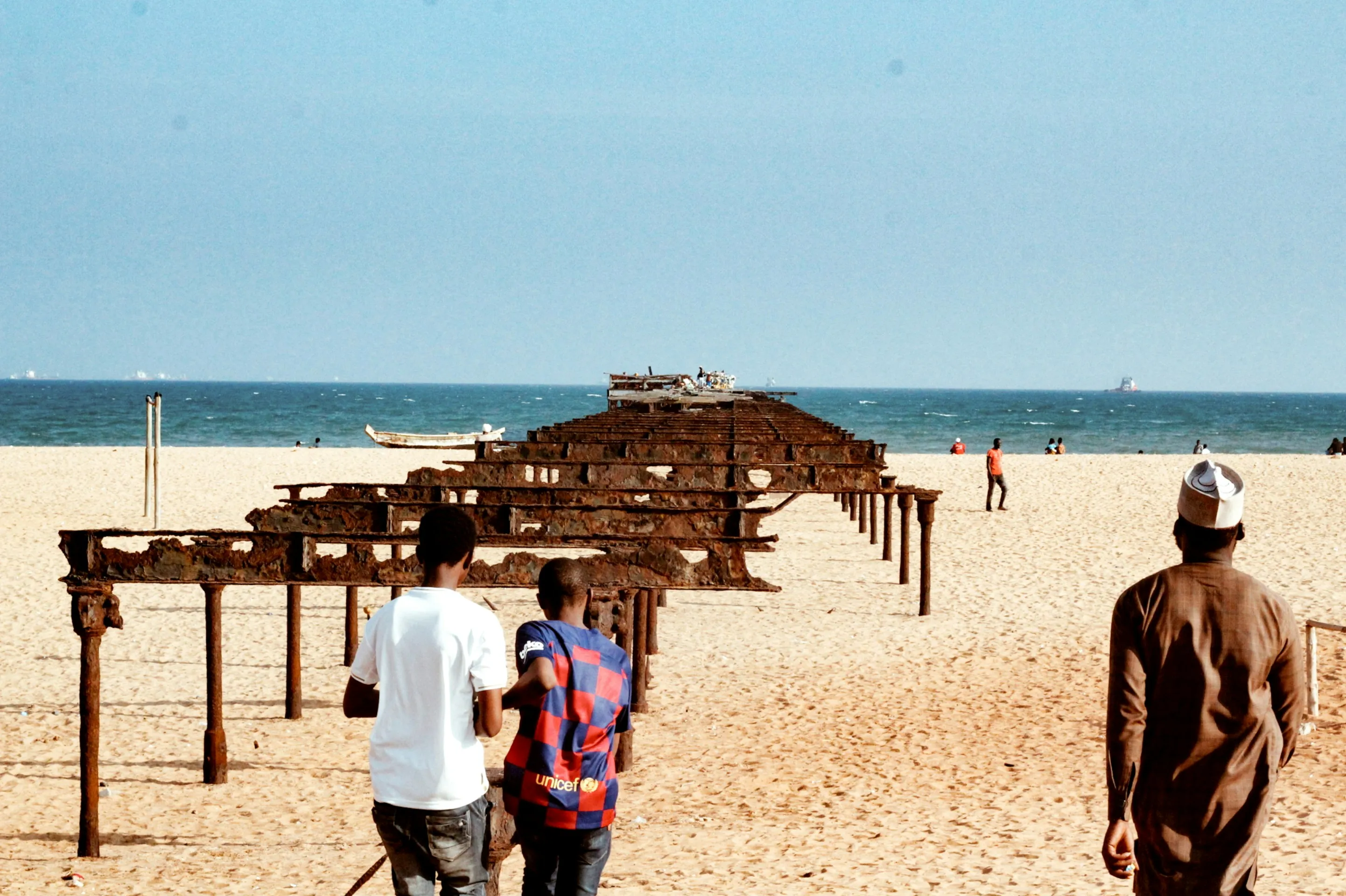
Explore palm-fringed beaches, vibrant traditional markets, and the mysticism of the Koutammakou hills in this welcoming corner of West Africa.
Quick Facts
- Capital
- Lomé
- Language
- French
- Ewe, Kabiye
- Currency
- West African CFA franc (XOF)
- Best time to visit
- From November to February, during the dry season
- Budget per day
- $30 - $120 per day
- Climate
- Tropical climate, hot and humid year-round, with distinct rainy seasons and periods of dry harmattan in the north.
- Connectivity
- medium
- Easy to obtain in local shops and airports with operators such as Togocom or Moov
- Electricity
- Type C (220V)
- Local transport
- limited
- Card usage
- cash is used more
- Tipping
- optional
🌎 Introduction
One only needs to look at a map to notice the unique silhouette of Togo, a narrow strip extending from the waters of the Gulf of Guinea into the interior of the African continent. Within this compact geography, landscapes coexist and change as one moves north: from the coconut-lined shores of the Atlantic coast to the forested hills of the central region, where the humidity of the jungle softens the temperatures. It is a territory to be explored following the rhythm of the red earth and the sea breeze, marking a natural contrast between the serenity of the coastline and the energy of its mountain areas.
The country’s identity is felt in the daily life of its markets, authentic nerve centers where the aroma of spices mixes with the colorful traditional fabrics. Between the calm of the adobe villages in the north and the steady activity of Lomé, life unfolds close to customs that still define the character of its people today. Local festivities and ancestral rites spontaneously coexist with a simple and flavorful gastronomy based on products of the land such as yam or corn, often shared under the shade of trees or in the warmth of homes.
🛡️ General safety
Togo is a country that, in general terms, offers a relatively safe travel experience for the international tourist, provided that basic guidelines of prudence and common sense are followed. Hospitality is a distinctive feature of its culture, which facilitates a pleasant stay in most of its territory.
- The safety level in Togo is considered medium. Although it is a stable country compared to some of its regional neighbors, it requires the traveler to maintain a vigilant attitude.
- The context for tourists is usually quiet on main routes and areas of interest, but it is essential to be informed about the political and social situation before traveling to less frequented areas.
Crime and common risks
As in many developing destinations, the most frequent crime is opportunistic in nature and rarely involves direct violence against foreigners, although it is advisable to know the risks:
- Theft and snatching are the most common crimes, especially in crowded places such as markets, transport stations, and beach areas.
- Minor scams or attempts to overcharge tourists can occur in informal transactions. It is recommended to always agree on prices in advance.
- Theft from vehicles can occur if valuables are left in plain sight. It is preferable to keep belongings out of visual reach from the outside.
- Although rare, cases of credit card fraud have been reported. It is advisable to use cash for everyday payments and reserve the card for trusted establishments.
Safety in cities and tourist areas
Safety varies considerably depending on the location and time of day. Lomé, the capital, is the point where the most attention should be paid.
- In urban centers, areas of large markets (such as the Grand Marché) require special care with backpacks and wallets due to crowds.
- It is recommended to avoid walking on the beaches of Lomé at night, as lighting is scarce and incidents of robbery have been recorded in these areas.
- Peripheral neighborhoods of large cities may be less safe than the center; it is preferable to move through well-lit and busy areas.
- In the interior of the country and rural areas, the atmosphere is usually much calmer, although the infrastructure is more basic and access to assistance services is more limited.
Transport safety
Transport in Togo is an authentic experience, but it presents specific challenges in terms of road safety and vehicle condition.
- In Togo, people drive on the right, as in most of continental Europe and America.
- The use of taxis is common and generally safe. It is recommended to use official taxis and avoid sharing vehicles with strangers if greater privacy and security are desired.
- Moto-taxis (known locally as “zemidjans”) are the fastest means of transport, but also the riskiest due to the lack of helmet use and sometimes erratic driving.
- Night driving is highly discouraged outside of cities. The lack of lighting, the poor state of some road sections, and the presence of animals or broken-down vehicles without signaling increase the risk of accidents.
- Intercity public transport (minibuses) usually travels very full, and vehicles do not always meet ideal maintenance standards.
Natural and climatic risks
Togo has a tropical climate that defines certain seasonal risks that the traveler should consider to plan their sanitary and physical safety.
- Flooding is possible during the rainy season (which usually runs from April to July and from September to October), especially in the south of the country and in low-lying areas of Lomé.
- Extreme heat and high humidity are constant. It is vital to maintain adequate hydration and protect oneself from the sun to avoid heatstroke.
- The Harmattan phenomenon, a dry and dusty wind from the Sahara, usually occurs between December and February, potentially affecting visibility and causing mild respiratory problems for sensitive people.
Local legislation and norms
Respect for local laws and customs is fundamental to avoid legal problems that can be severe.
- It is mandatory to always carry an official identification (or certified copy of the passport) as authorities may request it at any time.
- It is strictly forbidden to photograph government buildings, military installations, airports, bridges, or uniformed personnel. Non-compliance can result in the confiscation of equipment or arrests.
- Laws related to drug use and trafficking are extremely severe and carry long prison sentences.
- It is advisable to maintain a respectful attitude toward local chiefs or traditional authorities in rural areas, as their influence is significant.
Safety for specific groups
- Women travelers: Togo is a destination that can be explored solo, but it is recommended to avoid walking alone at night in isolated areas and to dress discreetly, especially in rural or religious areas, to avoid unwanted attention.
- LGTBIQ+ community: Same-sex relationships are criminalized in Togo. Maximum discretion is recommended, and public displays of affection should be avoided, as social acceptance is low and legal risks exist.
- Children and the elderly: The main challenge for these groups is the climate and sanitary conditions. It is recommended to travel with robust medical insurance and plan journeys that do not require extreme physical effort under the sun.
Emergencies and assistance
In the event of an incident, the response of emergency services may be slower than in Western countries, especially outside the capital.
- Police and Gendarmerie: The general emergency number for the police is 117.
- Fire Department: They can be contacted via 118.
- In case of theft or loss of documents, it is essential to go to the nearest police station to make a formal report, a document necessary for any subsequent procedures with insurance or consular representations.
- It is strongly recommended to have the contact details of your nearest embassy or consulate (usually located in Lomé or in neighboring countries that cover the jurisdiction).
Tip: Always carry a physical and a digital copy of your passport and visa, keeping the originals in the safe of your accommodation, to facilitate procedures in case of loss or routine checks.
📝 Entry requirements
To plan a trip to Togo, the first fundamental aspect is to have a valid passport. The validity of the document is usually required for a minimum period of six months from the planned date of arrival in the territory. It is recommended that the passport has enough blank pages for entry and exit stamps at border control points, whether at the international airport or at land crossings.
Most international visitors need to process a tourist visa to enter the country. This authorization generally allows short-term stays, which usually range between fifteen and ninety days, depending on the type obtained. During the entry process, authorities may request the presentation of a return ticket or continuation ticket to another destination, in addition to evidence demonstrating the possession of sufficient financial funds to cover the entire stay.
At access points, travelers go through standard customs controls. There are limitations on the entry of certain products, such as tobacco or alcohol, which must comply with the amounts allowed for personal use. In the case of carrying medications for chronic use, it is advisable to carry the original medical prescription to avoid inconveniences. Likewise, the import of fresh food or plant products is usually restricted for phytosanitary security reasons.
In the health field, trip preparation requires special attention to vaccination recommendations. It is common practice to require an international certificate of vaccination against yellow fever for all travelers. In addition, it is suggested to consult with a travel medicine center about the prevention of other common conditions in the region. Having travel insurance with broad medical coverage is a key element to ensure a peaceful experience in the face of any health unforeseen event.
The key points for entering the territory are summarized below:
- Identity documentation: Passport with validity exceeding six months and space for stamps.
- Stay authorization: Need to manage a visa before or at the time of arrival, according to current regulations for temporary stays.
- Proof of transport: Possession of a confirmed exit ticket to the country of origin or a third destination.
- Economic support: Optional demonstration of financial solvency for the intended days of stay.
- Mandatory health: Presentation of the international vaccination card, highlighting protection against yellow fever.
- Luggage and customs: Declaration of items of value and compliance with rules on medications and perishable products.
🏥 Basic health considerations
When preparing for your trip to Togo, it is important to understand how its healthcare system works to avoid surprises. You will find that health infrastructure is quite limited, especially if you move away from the capital, Lomé. While there are some private clinics in the main city that offer an acceptable standard for minor problems or stabilization, in rural areas medical centers are very basic. As a tourist, you should always go to private healthcare, as public facilities often suffer from a lack of supplies. Keep in mind that prices for foreigners can be high, and it is common for them to ask for payment in advance and in cash before performing any treatment or test. Healthcare staff communicate mainly in French, so having basic notions of this language or a translation app will be very helpful.
Taking out travel medical insurance is not optional if you want to travel with peace of mind. Although it is not a legal requirement to enter the country, it is absolutely essential. Your policy should be as comprehensive as possible and must include medical repatriation and transport by air ambulance. In the event of a serious accident or a complicated illness, you will most likely need to be moved to another country or back home, and the costs of such a move are unaffordable for an individual. Also, make sure your insurance does not require you to advance large amounts of money.
In the vaccination section, you should know that the yellow fever vaccine is mandatory for all travelers, and they will ask for the international certificate of vaccination when you arrive at the airport. Beyond this, it is fundamental that you are up to date with your official vaccination schedule. It is usually recommended to protect yourself against hepatitis A and B, tetanus, and typhoid fever. As Togo is an area where malaria is endemic year-round, the most sensible thing to do is consult with a travel medicine center before leaving so they can prescribe preventive treatment and give you the proper guidelines.
If you follow any regular medical treatment, it is best to take all the necessary medication for the days you will be away, and even a bit more in case of delays. You must carry the drugs in their original packaging and accompanied by a medical prescription signed by your doctor, preferably translated into French, to avoid any misunderstandings at customs. Do not rely on finding specific brands in local pharmacies, as stock is irregular. A small first-aid kit with pain relievers, disinfectant, bandages, and some stomach protection will get you out of more than one predicament.
The most common health risks you will encounter are related to the tropical climate. Intense heat and humidity can play tricks on you, so dehydration and heatstroke are things you must monitor constantly. Insects are the other major factor to consider. In addition to malaria, there are other mosquito-borne diseases, so the use of strong repellents and sleeping with a mosquito net are your best defenses. There are no risks from altitude or extreme cold, so you can focus your efforts on protecting yourself from the sun and bites.
Water and food hygiene is the golden rule to avoid spending part of your vacation in the bathroom. Never drink tap water or use it to brush your teeth; always opt for bottled water and ensure the seal is intact. Regarding food, you can try delicious dishes at street stalls, but always ensure the food is well cooked and served very hot. Avoid raw vegetables, fruits you don’t peel yourself, and ice in drinks, as they are usually the main sources of bacteria for unaccustomed stomachs.
In case of a serious medical emergency, the number you should know is 118, which corresponds to the fire department and they usually handle emergencies, or 22 21 21 01 to contact the police. You should be aware that the ambulance service is not comparable to that of other countries and may take a long time to arrive or may not be available. In many cases, if the situation allows, the fastest and most effective way will be to take a taxi directly to the nearest private clinic in Lomé.
As final recommendations for your stay, always try to keep your hands clean using hydroalcoholic gel before eating. Do not bathe in freshwater rivers or lakes due to the risk of contracting parasites and always walk with footwear to avoid skin infections on the feet. If you feel fever, chills, or intense malaise during the trip or upon returning home, do not wait and seek medical attention immediately, stating that you have been in a tropical zone.
🚌 Transport within the country
Moving around Togo is primarily done by road, as the country lacks an operational passenger railway network or regular internal flights that are practical for visitors. The most widespread means of travel, both in urban centers and between different regions, is the shared vehicle, which adapts to the country’s terrain and local customs.
In major cities, the moto-taxi is the most agile and frequent form of transport. These drivers allow for quick navigation through traffic, making them the preferred choice for short distances. There are also conventional taxis, which can be hired privately or shared with other travelers following established routes along the main arteries of urban centers.
For long-distance journeys connecting the south with the north, travelers usually resort to minibuses or multi-seat cars. These vehicles do not typically have a fixed departure time; instead, they start the journey once all seats are filled. Therefore, flexibility is essential when planning the day, as waiting times can vary considerably.
Signage on the roads and directions at vehicle departure areas are simple and presented mostly in French. Although communication is generally smooth, in rural areas the infrastructure is much more basic and journeys can become slower due to the state of secondary roads, which are often unpaved.
A sense of comfort is elementary, as vehicles usually make the most of their cargo capacity and do not always have modern air conditioning systems. Nevertheless, traveling through the country allows for direct contact with the environment, offering a very authentic view of Togolese geography and the daily life of its inhabitants.
Tip: It is advisable to make road trips during daylight hours, as visibility and the conditions of some roads make travel much easier and calmer before nightfall.
🤵 Culture and etiquette
In Togo, courtesy and greetings represent the fundamental pillars of daily social coexistence. It is an essential etiquette rule to greet people slowly when entering a place or starting any interaction, as omitting this gesture can be perceived as a lack of interest or respect. The handshake is the most widespread form of greeting, and it is fundamental to remember that the right hand is the one that must always be used to greet, hand over objects, make payments, or eat. The left hand is traditionally reserved for personal hygiene, so its use in social interactions is considered inappropriate.
Respect for hierarchies and, especially, for elderly people, sets the tone for interpersonal relationships. In conversations, a moderate volume of voice is usually employed, and patience and kindness are valued over direct frankness or urgency. The rhythm of life and the perception of time are generally more flexible than in other cultures; therefore, punctuality in social contexts is usually relaxed, prioritizing the well-being of the present interaction over strict adherence to a schedule.
In public spaces and during visits to local communities, it is recommended to maintain a discreet attitude and dress modestly, especially in rural settings or places with a strong presence of traditional beliefs or religions. Togo possesses a rich spiritual diversity, where monotheistic religions coexist with ancestral practices. When visiting places of worship or witnessing ceremonies, it is essential to show an attitude of silent observation and always request permission before taking photographs of people, altars, or homes, as a sign of consideration toward local privacy and sensitivity.
In the realm of gastronomy and hospitality, it is common for travelers to be invited to share a meal or have a drink as a welcoming gesture. If eating from a shared plate, only the right hand should be used to bring food to the mouth. Regarding tipping, although not mandatory, it is a common and appreciated practice in tourism and catering services as recognition for good service. In markets, interaction with sellers is based on cordial dialogue, where the exchange of words forms part of the country’s habitual social dynamics.
“Tip”: Always use your right hand to give or receive any object, whether it is money, a business card, or food, to show respect for local customs.
🍛 Typical gastronomy
Togolese cuisine is based on the use of local resources, where tubers and cereals constitute the basic pillar of the daily diet. Corn, millet, cassava, and yam are essential ingredients that are habitually transformed into various varieties of cooked doughs, known generically as pâte. These preparations, with a dense and consistent texture, serve as an accompaniment to a great diversity of sauces and stews made with legumes, green leafy vegetables, or animal proteins, depending on the region and seasonal availability.
In southern areas, due to its proximity to the ocean, it is common to find dishes that integrate fresh fish and shellfish, often combined with tomato sauces and palm oil. Conversely, in northern regions, the diet tends to include more cereals such as millet and a greater presence of meat. Flavors are characterized by being defined and balanced, frequently using ginger, garlic, and local pepper to provide a touch of aroma and warmth to the recipes without resorting to excess.
From a cultural perspective, food in Togo is a social and communal act. In traditional settings, it is frequent for diners to share dishes and use their right hand to eat, following local etiquette rules that reserve this hand for eating. Meal times usually adapt to daylight, with hearty breakfasts and dinners served shortly after sunset. Regarding drinks, in addition to water, the traveler will find traditional options such as palm wine, artisanal millet beer, or natural infusions made from hibiscus flowers.
| Dish | Description | Main Ingredients | Where to try it | Tip |
|---|---|---|---|---|
| Fufu | Elastic and soft dough obtained after pounding the cooked tuber. | Yam or cassava. | Traditional food restaurants and homes. | It is always consumed hot and accompanied by meat or fish sauces. |
| Akoumé | Dense cereal paste that serves as a base for dipping in stews. | Fermented corn flour and water. | Food stalls in markets and cities. | Use small pieces of the dough to scoop up the sauce efficiently. |
| Gboma | Intense green stew, very nutritious and aromatic. | Local spinach leaves, meat or fish, and spices. | Local restaurants in the southern region. | It is the perfect complement to accompany a plate of fufu or akoumé. |
| Riz Gras | Rice cooked directly in a flavorful and hearty stir-fry. | Rice, tomato, onion, and chicken or beef. | Street stalls and popular establishments. | It is a practical and balanced option for a complete meal during the day. |
| Djenkoumé | Reddish-colored dough with a firm texture and characteristic flavor. | Corn flour, tomato, and palm oil. | Especially common in the Lomé area and the south. | It is usually served alongside pieces of fried chicken or grilled fish. |
📷 Areas and places to visit
The journey through Togo usually begins in its capital, Lomé, a city that stretches along the coast of the Gulf of Guinea. This urban center offers an interesting contrast between the modernity of its main avenues and the traditional essence of its markets. The Grand Marché is the commercial heart of the city, a vibrant place where the famous fabric sellers, known locally, energize the economy. Nearby is the Akodessewa Fetish Market, a unique space that allows a glimpse into the ancestral beliefs of the region through ceremonial objects. For those seeking a more quiet cultural immersion, the National Museum of Togo houses a collection of instruments, clothing, and historical objects that help understand the country’s evolution.
Following the coastline eastward, one reaches the shores of Lake Togo, an area of calm waters surrounded by vegetation where pirogue rides can be taken. In this area, the town of Agbodrafo stands out, historically known as a relevant point during the transatlantic trade. Here, the House of Slaves can be visited, a building that preserves the memory of that era. On the other side of the lake is Togo-Ville, a spiritual center of great importance where traditional temples and colonial structures coexist, offering an atmosphere of peace and mysticism that invites walking without haste through its dirt streets.
Inland, the landscape transforms upon reaching Kpalimé, located in one of the most fertile and green regions of the country. This area is the favorite destination for nature and hiking lovers, as it is surrounded by coffee and cocoa plantations, as well as dense tropical forests. From here, excursions to Mount Agou, the highest point in the country, can be organized, or the Aklowa waterfall can be visited, whose waters fall from a considerable height in a pristine environment. Kpalimé is also a prominent craft center, where it is possible to observe the work of sculptors, weavers, and potters in their own workshops.
In the central region is the Fazao-Malfakassa National Park, a protected space that combines mountains, savannas, and gallery forests. Although wildlife viewing requires patience, the beauty of the landscape and the botanical biodiversity compensate for the journey. Nearby, the city of Sokodé stands out for its ethnic diversity and its traditional festivals, such as the fire dance, which reflect the richness of the intangible heritage of local communities. Markets in this area are usually less crowded by foreign visitors, allowing for a very authentic experience of Togolese daily life.
In the far north of the country lies one of the most fascinating places in West Africa: the region of Koutammakou. This territory, declared a World Heritage Site, is the home of the Batammariba people, famous for their takienta, fortified adobe houses in the shape of small towers that look like miniature castles. These constructions are not only an exceptional example of traditional architecture but also represent the cosmology and social structure of their inhabitants. Walking the trails of this area allows one to admire a unique cultural landscape where the relationship between man and land has remained almost intact for centuries.
Tip: You cannot miss visiting Koutammakou, the most emblematic place in the country.
✈️ Best time to travel
The choice of the ideal time to visit Togo depends largely on each traveler’s climatic preferences, as the country has a tropical climate with marked variations between the northern and southern regions. Generally, the months coinciding with the dry season are the most recommended for traveling through the territory with comfort, allowing access to natural parks and rural areas that may be more difficult to traverse during the rainy season.
Throughout the year, the Togolese landscape transforms notably. While the dry season usually offers clear skies and visibility conducive to wildlife observation, the wet season highlights the greenery of the coffee and cocoa plantations inland. Each period provides a different perspective of its rich cultural and geographical diversity, from the beaches of the Gulf of Guinea to the rock formations of the Savannas region.
| Season | Months | Typical Climate | What to Expect | Tourist Influx |
|---|---|---|---|---|
| Spring | Mar – May | High temperatures and progressive increase in humidity. | Beginning of the first rains and landscapes starting to turn greener. | Medium ⭐⭐ |
| Summer | Jun – Aug | Cooler climate but with frequent and persistent rains. | Lush vegetation, high-flow waterfalls, and vibrant rural environments. | Low ⭐ |
| Autumn | Sep – Nov | Climatic transition; rains decrease toward the end of the period. | Celebration of various traditional festivals after the end of the harvest. | Medium ⭐⭐ |
| Winter | Dec – Feb | Dry and sunny, with somewhat hazy skies due to desert wind. | Ideal time for hiking and exploring the natural reserves of the north. | High ⭐⭐⭐ |
🗣️ Basic vocabulary
Although French is the official and administrative language of Togo, a large part of the population habitually communicates in Ewe (especially in the south and in the capital, Lomé) or in Kabiye (toward the north). Knowing some basic words in Ewe is very useful for getting around in everyday situations, such as when shopping in local markets or using public transport, as it facilitates more fluid and close communication with the inhabitants.
It is not about mastering the language, but about having practical tools for day-to-day interactions. A greeting or a thank you in the local language is usually a well-received gesture that helps break the ice and shows interest in the country’s culture during the trip.
- Ŋdi: Good morning.
- Akpe: Thank you.
- Meɖekuku: Please.
- Efoa?: How are you?
- Ee, meƒo: I am fine (usual response to the previous greeting).
- Eẽ: Yes.
- Ao: No.
- Nye ŋkɔe nye…: My name is…