


Malawi
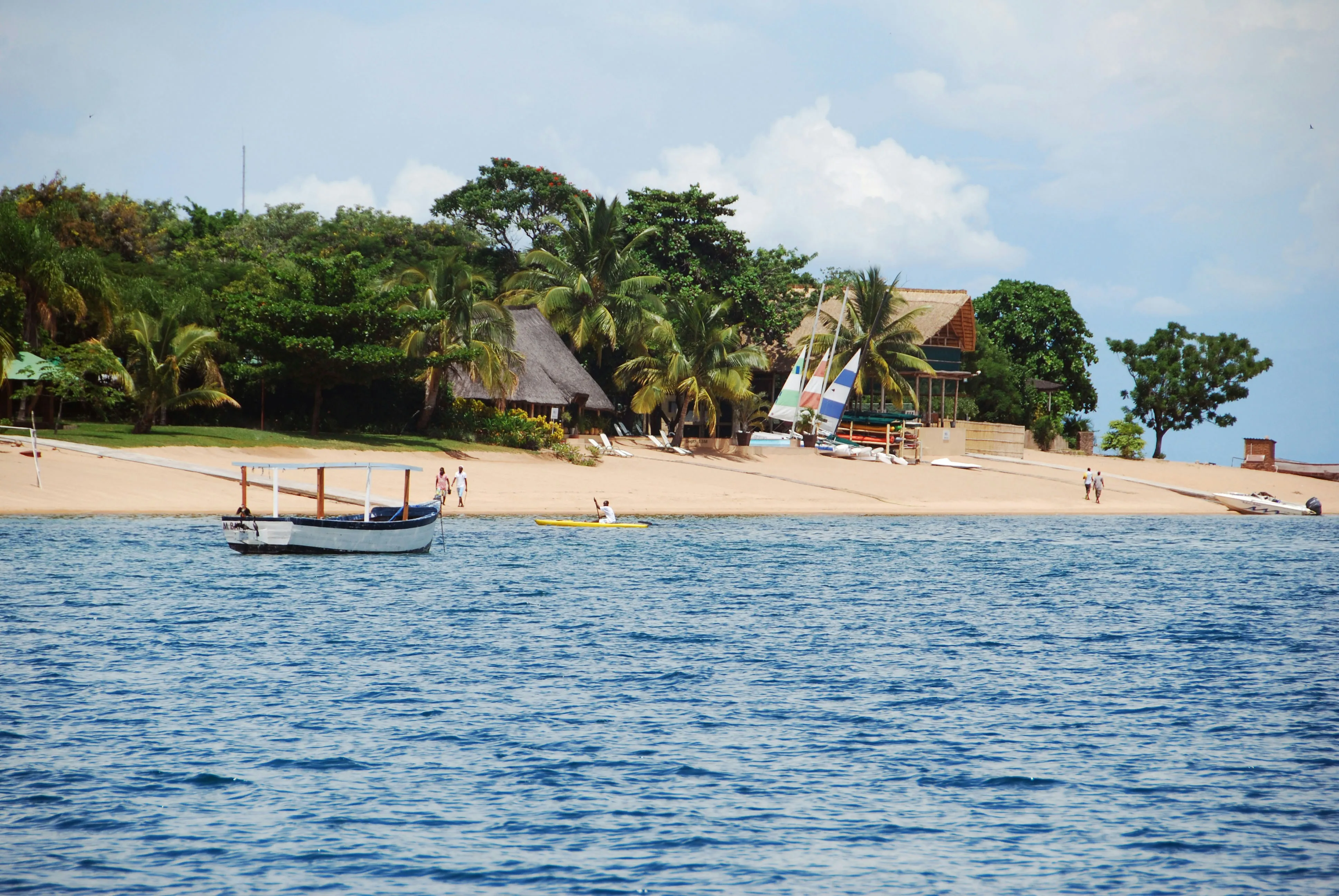
Malawi, known as the warm heart of Africa, stands out for its immense crystal-clear lake, pristine natural parks, and the exceptional hospitality of its local inhabitants.
Quick Facts
- Capital
- Lilongwe
- Language
- English
- Chichewa
- Currency
- Malawian Kwacha (MWK)
- Best time to visit
- From May to October, during the dry and cool season.
- Budget per day
- $30 - $150 per day
- Climate
- Tropical climate with a dry and cool season between May and August, and a hot and rainy season from November to April.
- Connectivity
- low
- It is easy to obtain local SIM cards at airports and kiosks in the main cities.
- Electricity
- Type G (230V)
- Local transport
- limited
- Card usage
- more cash is used
- Tipping
- optional
🌎 Introduction
In the heart of the Rift Valley, life is organized following the slow rhythm of the fresh waters that bathe a large part of its territory. This corner of Southeast Africa is defined by the constant presence of a liquid horizon where fishermen’s wooden boats cross with the reflection of the clouds at sunset. It is a landscape that changes with the seasons: from the golden and ochre tones of the dry season to the intense green that floods everything when the rains arrive, transforming the hills and plains into a vibrant tapestry.
Beyond the shores, the relief rises into cool plateaus and mountain massifs that house tea plantations and thick forests. In the markets and villages, the aroma of freshly cooked nsima mixes with the daily hustle and bustle and the natural closeness of its inhabitants, who preserve centuries-old traditions in their music and festivities. The simplicity of daily encounters and the calm that envelops its natural parks offer an honest look at an identity forged between the fertile land and the immensity of the water.
🛡️ General safety
Malawi is frequently known as the “Warm Heart of Africa,” a nickname that reflects the hospitality and friendliness of its people. In terms of safety for the tourist, the country presents a moderate-low risk level, being one of the calmest destinations in the sub-Saharan region. However, as on any international trip, it is essential to maintain a heightened sense of common sense and follow certain prevention guidelines.
The context for the traveler is, generally, one of tranquility and welcome. Most visits take place without incident, especially if national park areas and the shores of Lake Malawi are frequented. Nevertheless, the country’s economic situation means that tourists can be seen as people with high purchasing power, which motivates certain minor risks related to property.
Crime and common risks
Most incidents affecting visitors are of a non-violent nature. Still, it is advisable to know the most common risks:
- Theft and snatching: These are the most frequent crimes, especially in crowded areas such as markets, bus stations, and shopping areas of large cities.
- Minor scams: These occur mainly in black market currency exchange (a practice that should be avoided) or through unofficial guides offering non-existent services.
- Theft in accommodation: Although rare in mid-range and high-end hotels, it is always recommended to use safes to store passports and valuables.
- Night assaults: Incidents have been reported in isolated areas or poorly lit streets once the sun goes down, so walking at night is not recommended.
Safety in cities and tourist areas
Safety varies slightly depending on where the traveler is:
- Urban centers (Lilongwe and Blantyre): During the day, they are functional and relatively safe cities. However, in financial districts and market areas, pickpockets are present. It is vital not to flaunt luxury items, expensive cameras, or jewelry.
- Tourist zones (Lake Malawi and National Parks): These areas are usually very safe. Resorts and lodges have their own security. The main risk here is usually harassment from street vendors (“beach boys”), who, although insistent, are rarely aggressive.
- Public transport: Minibuses are the most common medium. Although they are inexpensive, they are often very overloaded, which facilitates the loss of personal items through oversight or silent theft.
Safety in transport
Moving around Malawi requires planning and attention to local rules:
- Driving: In Malawi, people drive on the left. If you decide to rent a vehicle, you must be attentive to the condition of the roads, which can be poor with deep potholes, and the presence of pedestrians or animals on the road.
- Night travel: It is recommended to avoid driving at night outside of cities. The lack of lighting, poor signage, and the risk of encountering vehicles without lights or animals on the road considerably increase the danger of accidents.
- Taxis: It is preferable to use taxis recommended by hotels or restaurants. They do not usually have a meter, so it is necessary to agree on the price before starting the journey.
- Police checkpoints: It is common to find checkpoints on main roads. They are usually routine; stay calm, show your documentation, and be friendly.
Natural and climatic risks
Malawi has a tropical climate with specific risks depending on the season:
- Floods: During the rainy season (from November to April), flash floods and landslides can occur that cut off roads, especially in the south of the country.
- Extreme heat: In the months prior to the rains (October and November), temperatures can be very high, requiring constant hydration and sun protection.
- Wildlife: In national park areas or near Lake Malawi (especially in non-urbanized areas), there is a risk of encounters with hippos or crocodiles. Always follow the instructions of park rangers and local guides.
Legislation and local norms
Respect for local laws and customs is essential to avoid legal problems:
- Drugs: The consumption, possession, or trafficking of narcotics is severely punished with long-term prison sentences.
- Photography: It is strictly forbidden to photograph government buildings, military installations, airports, or bridges. Always ask permission before photographing local people.
- Dress: Although swimwear is allowed in tourist areas, in rural areas and villages modesty is valued. Women usually wear skirts below the knee and men avoid going shirtless.
- Plastics: Malawi has implemented restrictions on the use of thin plastic bags; avoid bringing them into the country to avoid fines.
Safety for specific groups
- Women travelers: Malawi is generally safe for women traveling alone. It is recommended to dress conservatively in rural areas and avoid walking unaccompanied in solitary places or beaches at night.
- LGTBIQ+ travelers: Homosexuality is illegal in Malawi and society is conservative in this regard. It is recommended to avoid public displays of affection to prevent incidents or problems with the authorities. Discretion is fundamental.
- Children and the elderly: They are highly respected groups in Malawian culture. The main risk for them is sanitary (malaria and gastrointestinal diseases), so medical and hygiene precautions must be extreme.
Emergencies and assistance
In case of needing urgent help, these are the contact points:
- Police: 997
- Ambulances: 998
- Firefighters: 999
- Medical assistance: Public emergency services can be limited. In case of a serious incident, it is common to go to private clinics in Lilongwe or Blantyre or request evacuation through travel insurance.
- Procedure: In case of theft, go to the nearest police station to request a “police report,” which is essential for any subsequent insurance claim.
Tip: Always carry a copy of your passport and visa with you, keeping the originals safe in your accommodation, and avoid showing large amounts of cash when paying in local markets.
📝 Entry requirements
To plan a trip to this African destination, it is essential to have a valid passport with sufficient validity, usually at least six months from the planned date of arrival. It is recommended that the document has several blank pages for entry and exit stamps, thus facilitating smooth procedures at border posts and airports.
Most international travelers usually require an authorization or visa for tourist stays. This permit generally allows staying in the country for a specific period, which usually ranges between thirty and ninety days, depending on the arrangement made. It is common for these procedures to be carried out beforehand, although in certain cases it is possible to manage temporary permits at the points of entry into the territory themselves.
Upon arrival at immigration controls, it is common for authorities to request proof of departure, such as a return flight ticket or a ticket to continue to another destination. Likewise, it is frequent that one is required to demonstrate having sufficient financial funds to cover all planned expenses during the stay, thus guaranteeing the visitor’s solvency during their time in the country.
Regarding customs regulations, controls usually focus on the importation of fresh products or unprocessed foods. For those traveling with specific medications, it is advisable to carry the corresponding medical prescription and the drugs in their original containers. Regarding health, a yellow fever vaccination certificate is usually requested from those travelers coming from areas where this disease is endemic, and other standard vaccines for international travel are recommended.
- Main documentation: Passport with a minimum validity of six months and free pages.
- Stay permits: Tourist visa managed previously or according to the regulations in force at the point of entry.
- Additional proof: Proof of departure from the country and evidence of financial solvency for the duration of the trip.
- Health: Yellow fever certificate for origins at risk and general recommendations on preventive health.
- Customs: Restrictions on perishable products and standard regulations on valuables and personal medications.
🌍 General Tourist Information
Malawi, known as the warm heart of Africa, offers a unique experience focused on nature and the hospitality of its people. The most distinctive geographical element is Lake Malawi, an immense body of fresh water that houses hundreds of species of cichlid fish and allows for water activities in a paradisiacal setting. In addition to its inland beaches, the country has various national parks and reserves where wildlife can be observed in a less crowded environment than in other destinations on the continent.
- Lake Malawi: Ideal for diving, snorkeling, and kayaking in its crystal-clear waters.
- Liwonde National Park: One of the best places to observe elephants, hippos, and a wide variety of birds.
- Zomba Plateau: Offers mountain landscapes, waterfalls, and hiking trails with impressive panoramic views.
- Majete Wildlife Reserve: An example of success in the conservation and recovery of species, where it is possible to see the Big Five.
- Mount Mulanje: The highest peak in the country, perfect for trekking and climbing enthusiasts.
☀️ Climate and Recommendations
The climate in the country is predominantly tropical, with well-defined seasons that set the pace of the trip. The dry season, which runs from May to October, is usually the most chosen by visitors, as temperatures are cooler and the roads to access natural reserves are in better condition. On the other hand, the rainy season, between November and April, transforms the landscape into a green and vibrant orchard, ideal for bird watching.
- Clothing: It is advisable to wear light cotton garments for the day and some warm clothing for the nights, especially in high areas.
- Sun protection: The use of hats, sunglasses, and protective cream is fundamental due to the intensity of radiation.
- Health: It is important to consult with a tropical medicine center regarding the prevention of insect-borne diseases.
- Cultural respect: Modest clothing is highly valued in rural areas, as is asking permission before taking photographs of local people.
🏥 Basic health considerations
When preparing for your trip to Malawi, it is important to keep in mind that you are going to a destination with limited infrastructure. You will find that the public health system has few resources and often suffers from shortages of basic medications. Therefore, if you need assistance, it is most recommended that you go to private clinics located in large cities like Lilongwe or Blantyre. These clinics offer a standard of care much closer to international standards, although the costs for tourists are high and they usually require payment in advance. You will not have problems communicating, as healthcare personnel habitually use English.
Taking out travel medical insurance is not a legal requirement to enter the country, but in practice, it is absolutely essential. Your policy should be as comprehensive as possible and must include hospitalization and, above all, medical repatriation by medicalized plane. In serious cases, it is very common for a transfer to South Africa to be made, which has a prohibitive cost if you do not have good coverage.
Regarding vaccines, the only one that may be mandatory is the yellow fever vaccine, but only if you are coming from a country where this disease is endemic. For your peace of mind, it is highly advisable that you have your standard vaccination schedule up to date and that you consult a specialist doctor about the administration of vaccines against Hepatitis A and B, tetanus, and typhoid fever. Without a doubt, the most important preventive aspect is malaria prophylaxis, as this disease is present throughout the territory all year round.
If you are following any treatment, it is fundamental that you carry all the personal medication necessary for the days you will be away. I recommend transporting it in its original container accompanied by a medical prescription or a report in English justifying its use, to avoid any inconvenience at customs. Do not rely on finding specific drugs in local pharmacies, as stockouts are frequent.
Regarding risks by area, you will notice that the heat and humidity can be intense, so dehydration is a factor to monitor. In Lake Malawi, one of the country’s great attractions, you will find the risk of bilharzia (schistosomiasis), a parasite present in stagnant waters or near inhabited areas. If you decide to bathe, it is better to do so in areas of open and moving water, and to dry yourself well with a towel immediately after getting out.
Regarding general hygiene, you should know that tap water is not potable. You will find bottled water easily, and it is what you should use even for brushing your teeth. As for food, you can try delicious local dishes, but always make sure they are well cooked and served hot. Avoid raw vegetables, fruits that you do not peel yourself, and ice in drinks to prevent digestive problems.
If you find yourself in an emergency situation, the telephone number for medical emergencies is 998. You must keep in mind that the ambulance service is very limited outside major urban centers, so in many cases, moving on your own or through insurance means will be the fastest option.
As final practical recommendations, I suggest you pack a high-concentration insect repellent in your suitcase and use a mosquito net for sleeping. A small basic first aid kit with disinfectant, bandages, and pain relievers will get you out of more than one tight spot in rural areas where there are no nearby pharmacies. With these precautions, you will be able to enjoy the warmth of Malawi with much more peace of mind.
🚌 Transport within the country
Moving around Malawi is mainly done by road, as it is the backbone of communications in the country. Travelers usually opt for long-distance buses to connect the main urban centers, while for short journeys or internal displacements, local minibuses are common. Another unique option is the ferry, which travels across Lake Malawi and allows access to various coastal towns and islands, offering a different perspective of the national geography.
The use of public transport can present certain challenges for the visitor, although the widespread use of the English language facilitates communication at stations and sales points. Signage is not always abundant, so it is frequent to have to ask local staff to confirm destinations. In large cities, it is easier to find services with more organized structures, while in rural areas, transport tends to be more informal and vehicles usually depart only when they are full.
Taxis are a common alternative in urban areas for direct and private trips. These services do not always have automatic fare systems, so prior communication about the route is essential. For those seeking greater autonomy, car rental is a popular option among tourists, facilitating access to national parks and natural areas where collective transport does not regularly reach.
Regarding the general feel of the trip, it is important to consider that punctuality and comfort can vary considerably. Journeys are usually leisurely and can be delayed due to the state of the infrastructure or frequent stops. Transport in this destination invites a calm travel experience, where contact with the environment and adaptation to the local pace are valued over immediacy.
Tip: it is recommended to organize journeys with extra time and prioritize daytime travel to have better visibility and greater availability of services en route.
🤵 Culture and etiquette
In Malawi, the basis of any social interaction begins with a leisurely and cordial greeting. It is not considered appropriate to start a conversation or ask a technical question without first exchanging words of courtesy regarding personal or family well-being. This habit reflects the importance given to hospitality and the recognition of others, prioritizing social harmony over immediacy or efficiency in daily dealings.
A moderate volume of voice and a calm attitude are highly appreciated traits in public spaces. Expressions of anger or excessive loudness are usually avoided, as serenity is interpreted as a sign of respect and good manners. Regarding physical contact, the handshake is the most widespread form of greeting, although it is often more prolonged than is customary in other international contexts, symbolizing trust and closeness.
During meals or when visiting homes, the use of the right hand is fundamental, both for eating and for giving or receiving any object, as the left hand is usually reserved for personal hygiene tasks. It is a common practice for the host to offer water and soap to wash hands before starting to eat, a ritual that should be accepted as part of basic table etiquette. Regarding tips, although they are not mandatory, they are received with gratitude in the service sector as recognition for a job well done.
Respect for hierarchy and, very especially, respect for elders are pillars of social organization. When addressing older people or those in positions of authority, a tone of deference is adopted. Likewise, in rural settings or when visiting places of worship and temples, the traveler is expected to opt for discreet clothing that covers shoulders and knees, in line with local standards of decorum. The perception of time and punctuality tends to be flexible, valuing the quality of the human encounter more than strict adherence to a schedule.
“Tip”: When giving or receiving a gift, money, or any small object, it is a gesture of great courtesy to use both hands or support the left hand on the right forearm, as this symbolizes that the exchange is done with total respect and sincerity.
🍛 Typical gastronomy
The basis of nutrition in Malawi revolves around local, simple, and nutritious products. The main component of almost any meal is nshima, a dense dough made with corn flour and water. This food not only provides the necessary energy for the day but also acts as the essential accompaniment for various vegetable, legume, or meat stews, known locally as relishes. The texture of nshima allows it to be traditionally used as a utensil to pick up the rest of the food from the plate, forming a small ball with the fingers.
Due to the presence of the great Lake Malawi, fresh fish holds a privileged place at the table. Species such as chambo are fundamental in the diet of populations near the coast and are highly valued throughout the territory. Generally, the fish is prepared grilled, fried, or in aromatic stews, often accompanied by a simple tomato and onion salad. In addition to fish, cooked and seasoned pumpkin leaves or cassava leaves with peanut paste are a very common garnish that provides a creamy texture and mild flavor to daily meals.
Regarding social customs, eating in Malawi is an act that fosters community. It is a fundamental rule of courtesy to wash your hands before and after eating, for which a container with clean water is usually offered to the diners. The traditional way to eat is with the right hand, even in informal settings. Meal times tend to be consistent, with a major lunch in the middle of the day and dinner at nightfall, always maintaining a leisurely and relaxed pace in local establishments.
Regarding drinks, the country stands out for its production of high-quality tea and coffee, grown in the southern highlands. It is very common to find maheu, a traditional drink made from fermented corn that is very refreshing and energetic. In urban areas and tourist centers, it is common to find seasonal tropical fruit juices. The simplicity of the ingredients and respect for natural flavors define a culinary proposal that directly reflects the country’s agricultural environment.
| Dish | Description | Main ingredients | Where to try it | Tip |
|---|---|---|---|---|
| Nshima | National staple food in the form of a very dense puree. | Corn flour and water. | Throughout the country, from street stalls to restaurants. | It is eaten with the hands, taking a small portion and shaping it. |
| Chambo | The most emblematic fish of Lake Malawi. | Tilapia-type fish, sometimes with mild spices. | Coastal cities of the lake and restaurants in Lilongwe. | Order it grilled to better enjoy its natural flavor. |
| Kachumbari | Fresh salad that serves as an accompaniment. | Tomato, onion, and sometimes chili or cilantro. | As a garnish in almost any complete meal. | It is ideal for contrasting the density of the nshima and the flavor of the fish. |
| Kondowole | Dish similar to nshima but with a more elastic texture. | Cassava (yuca) flour and water. | Mainly in the northern region of the country. | It is a very filling dish, perfect for long meals. |
| Mbatata | Traditional sweet cookies or small cakes. | Sweet potato and sometimes cinnamon or peanuts. | Local markets and artisanal bakeries. | They are an excellent accompaniment for afternoon tea. |
📷 Areas and places to visit
The journey through this southeastern African country usually begins in its capital, Lilongwe, a city that shows a marked contrast between its modern area and the Old Town. While the administrative center stands out for its wide avenues and institutional buildings, the old area invites you to immerse yourself in daily life through its local markets, where agricultural products and crafts are exchanged in a dynamic atmosphere. In this urban environment, the Lilongwe Wildlife Sanctuary offers a space for conservation and environmental education that serves as an introduction to the rich biodiversity that characterizes the region.
To the south, the city of Blantyre presents itself as the commercial and industrial core, possessing a more accentuated historical character. Here it is possible to visit the St. Michael and All Angels Church, a late 19th-century construction noted for its red brick architecture. Near this city is the old capital, Zomba, located at the foot of the Zomba Plateau. This plateau is a recurring destination for those seeking hiking trails among waterfalls, streams, and viewpoints that allow for observing the surrounding plains from a considerable height.
The most relevant geographical element is, without a doubt, Lake Malawi, which occupies a large part of the national territory. On its shores sit towns like Cape Maclear, within the Lake Malawi National Park, recognized for its ecological importance and transparent waters. In this area, visitors usually engage in activities such as sailing in small boats or snorkeling to observe the cichlids, brightly colored fish that are endemic to these fresh waters. Further north, Nkhata Bay offers a more rugged and wooded setting, where life develops to the rhythm of local fishing communities.
For those looking for a nature and wildlife observation experience, Liwonde National Park is the primary reference in the Shire River valley. In this space, tours are organized to contemplate the riverside vegetation and the species that inhabit the riverbed and its plains. On the other hand, the Majete Wildlife Reserve represents a model of ecological recovery and conservation, being an ideal place to learn about the protection efforts for large mammals in their natural habitat.
The country’s relief also offers unique landscapes in Mount Mulanje, a granite massif that rises prominently over the tea plantations of the south. It is an area frequented by hiking and climbing enthusiasts, with a network of huts that facilitates multi-day traverses. In contrast, the north of the country houses the Nyika Plateau, the oldest national park in the territory, characterized by its rolling grasslands and hills reminiscent of landscapes from higher latitudes, offering a different view of African geography.
The cultural and historical aspect has a fundamental meeting point at the Mua Mission, where the Kungoni Centre of Culture and Art delves into the traditions of the Chewa, Ngoni, and Yao peoples. This space features a museum and wood carving workshops, allowing for an understanding of the cosmology and traditional dances of the area. Likewise, the area of the Chongoni rock art paintings, located near Dedza, preserves one of the most important concentrations of rock art in the region, reflecting the evolution of the societies that have inhabited these valleys over the centuries.
“Tip”: You cannot miss visiting Lake Malawi, the most emblematic place in the country.
✈️ Best time to travel
Malawi has a subtropical climate that divides the year into two main periods: the dry season and the rainy season. The choice of the time to visit the country depends largely on the activities one wishes to perform. Generally, the months between May and October are usually the most recommended for those looking to spot wildlife in national parks and enjoy the shores of Lake Malawi, as the environment is cooler and the sky remains clear.
During the rainy season, the landscape transforms into a green and lush environment, ideal for nature photography and migratory bird watching. Although rainfall can make access to certain remote areas difficult, this season offers a different perspective of the country, with a calmer atmosphere and warm temperatures. Below are the characteristics of each period to facilitate trip planning.
| Season | Months | Typical climate | What to expect | Tourist influx |
|---|---|---|---|---|
| Spring | Mar – May | Decrease in rains and mild temperatures. | Very green landscapes, flowing rivers, and clear skies after the rains. | Medium ⭐⭐ |
| Summer | Jun – Aug | Dry and cool, with cold nights in high areas. | Optimal conditions for hiking and lake stays. | High ⭐⭐⭐ |
| Autumn | Sep – Nov | Warm and very dry; temperatures rise gradually. | Excellent wildlife sightings in the parks, as animals flock to water sources. | Medium-High ⭐⭐⭐ |
| Winter | Dec – Feb | Hot, humid, and with frequent rains. | Bird watching, lush vegetation, and occasional tropical storms. | Low ⭐ |
🗣️ Basic vocabulary
Although English is an official language in Malawi and is widely used in administration and the tourism sector, Chichewa is the most spoken local language in much of the country. Learning some basic words in this language not only facilitates communication in markets or rural areas but is also a sign of respect toward the local culture that is usually very well received by its inhabitants.
For a traveler, having a small repertoire of courtesy is enough to manage in the most common situations. Deep mastery of grammar is not required, as the goal is simply to break the ice and show interest during greetings or when receiving help at any time during the journey.
- Moni: Hello.
- Muli bwanji?: How are you?
- Ndili bwino: I am fine.
- Zikomo: Thank you (also used to say “excuse me” or “you’re welcome”).
- Chonde: Please.
- Inde: Yes.
- Ayi: No.
- Tsalani bwino: Goodbye (said to the person staying).
- Pitani bwino: Goodbye (said to the person leaving).