


Ivory Coast
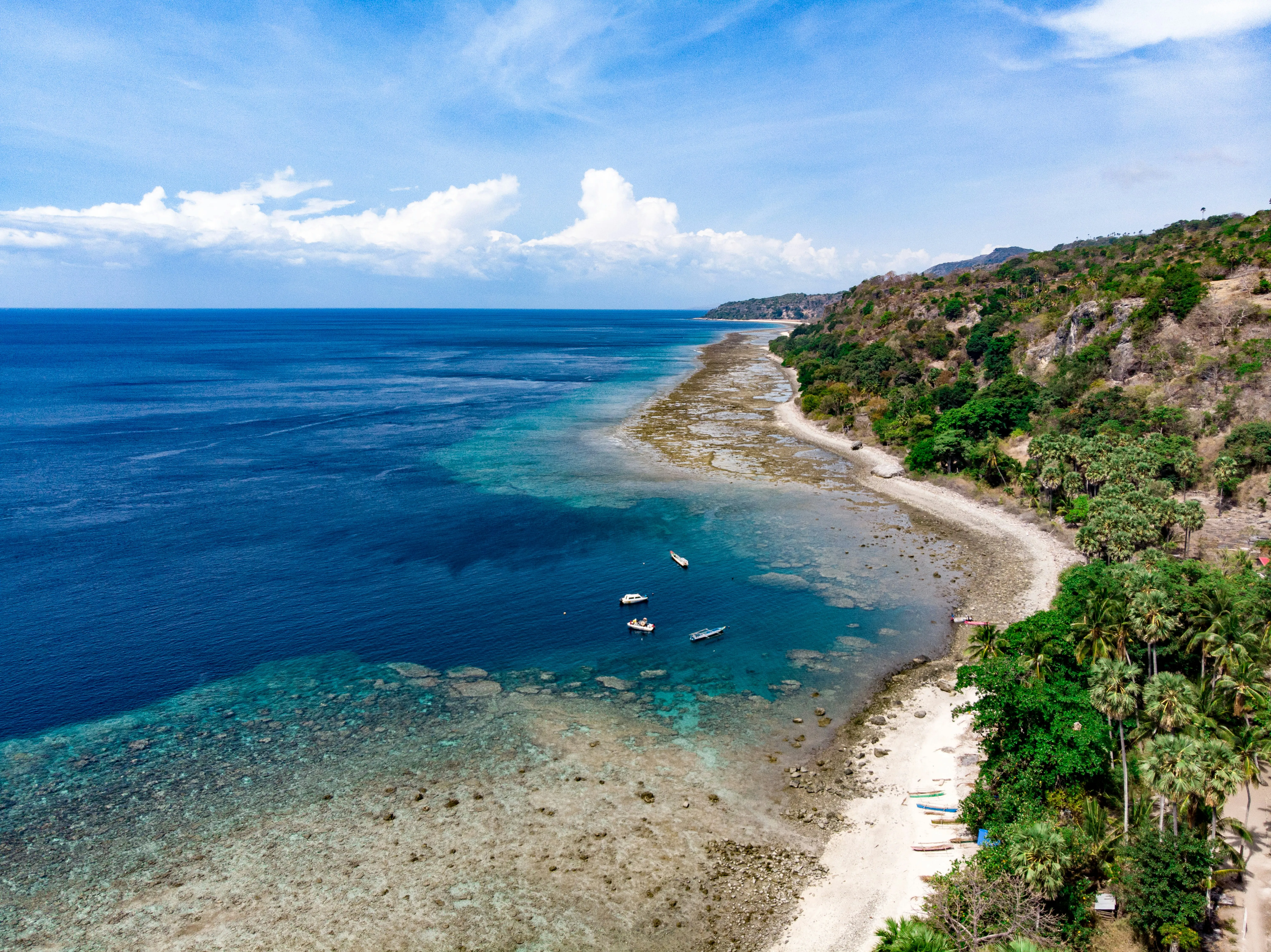
Discover the vibrant culture of West Africa, among palm-fringed beaches, lush national parks, and the majestic Yamoussoukro Basilica, a unique destination.
Quick Facts
- Capital
- Yamoussoukro
- Language
- French
- Baoulé, Dioula, Senufo, Bété
- Currency
- West African CFA franc (XOF)
- Best time to visit
- From November to March, during the dry season
- Budget per day
- $40 - $120 per day
- Climate
- Tropical, warm and humid, with a marked dry season and heavy rainfall, especially on the southern coast.
- Connectivity
- medium
- Very easy to obtain at airports and local phone shops
- Electricity
- Type C / E (230V)
- Local transport
- acceptable
- Card usage
- cash is used more
- Tipping
- optional
🌎 Introduction
On the shores of the Gulf of Guinea, the landscape transforms from palm-fringed coasts to northern savannas, passing through stretches of tropical rainforest that define much of its geography. The climate, marked by the alternation between the dry and rainy seasons, dictates the rhythm of a land deeply connected to its natural cycles. In this corner of West Africa, the modernity of urban skylines coexists with the calm of rural areas, creating a mosaic of realities reflected in the daily lives of its inhabitants.
The local culture manifests spontaneously through music, colorful markets, and a gastronomy where cocoa and attiéké are silent protagonists. From traditional festivities that honor the history of its people to the simplicity of an afternoon by the sea, the country offers a rich and diverse identity. It is an environment that allows for an understanding of the region’s pulse through its contrasts, its architecture, and the hospitality that characterizes its most everyday scenes.
🛡️ General safety
Ivory Coast is a country that offers immense cultural and scenic wealth, from the beaches of Grand-Bassam to the architecture of Yamoussoukro. For tourists, the experience is usually very rewarding, provided that basic behavioral guidelines are followed and a level of constant attention is maintained.
General safety level
- The general assessment of the country in terms of safety for tourists is at a medium level. It is not an extreme risk destination, but it also does not allow for the total relaxation one might have in other more crowded international destinations.
- Compared to other countries in the West African region, Ivory Coast currently enjoys notable stability, although social and economic challenges persist that influence public safety.
- The current context is one of growth and openness to tourism, so the authorities strive to project a safe image, especially in economic centers and coastal areas.
Crime and common risks
- The most common crimes affecting travelers are petty theft and bag snatching, especially in markets, transport stations, and high-traffic areas.
- Minor scams in street transactions or informal currency exchange are frequent; it is always preferable to perform these operations in official places.
- Extreme caution should be exercised when using ATMs on public roads; it is recommended to use those located inside banks or shopping centers.
- Although rare, cases of robbery with force can occur in peripheral neighborhoods of large cities at night. It is recommended to avoid walking in isolated areas after sunset.
Safety in cities and tourist areas
- In cities like Abidjan, safety varies significantly by district. Neighborhoods like Cocody or Plateau are generally safe and heavily guarded, while in areas like Adjamé or Treichville, it is necessary to be much more attentive to personal belongings.
- Coastal tourist areas, such as Assinie or Grand-Bassam, have a relaxed atmosphere, but it is recommended not to leave valuables unattended on beaches.
- In traditional markets, it is advisable to carry small change and avoid showing high-end electronic devices or flashy jewelry.
Safety in transportation
- Urban public transport (buses and shared vans) can be chaotic and is a prime spot for pickpockets.
- Orange-colored taxis (in Abidjan) with meters are the safest and most recommended option for tourists. There are also private transport applications that work well and offer trip traceability.
- In Ivory Coast, people drive on the right. If you decide to rent a vehicle, you should know that the condition of the main roads is acceptable, but secondary roads can have significant potholes.
- Night driving outside cities is strongly discouraged due to lack of lighting, the presence of animals on the road, and the possible existence of vehicles without lights.
Natural and climatic risks
- Extreme heat and high humidity are the most constant climatic risks. It is vital to stay hydrated and protect yourself from the sun to avoid heatstroke.
- During the rainy season (mainly from May to July and in October-November), flash floods can occur in urban areas that hinder traffic and mobility.
- On the Atlantic coast, ocean currents can be extremely strong and dangerous. You should only swim in areas where it is explicitly allowed and local people are seen doing so.
Local legislation and norms
- It is strictly mandatory to always carry an official identification (passport or certified copy). Police checkpoints on the roads are frequent and normal.
- It is forbidden to photograph government buildings, military buildings, airports, or strategic infrastructure (such as main bridges). Ignoring this can lead to interrogation or confiscation of equipment.
- Laws related to drug consumption and trafficking are extremely severe, with long-term prison sentences without distinction for foreigners.
- Respect for local culture is fundamental; it is recommended to ask permission before photographing individuals.
Safety for specific groups
- Female travelers: In general, it is safe, although you may receive unwanted attention or persistent comments. It is recommended to dress discreetly and avoid traveling alone at night in uncrowded areas.
- LGTBIQ+ travelers: Although there is no law that directly criminalizes homosexuality, it does not enjoy general social acceptance. Maximum discretion is recommended, and public displays of affection should be avoided to prevent situations of hostility or rejection.
- Children and the elderly: The country is welcoming to families, but infrastructure (sidewalks, access) is not always adapted. It is essential to have good medical insurance and to be up to date with recommended vaccines.
Emergencies and assistance
- The main emergency numbers are: 111 or 170 for the Police, 180 for Firefighters, and 185 for medical emergencies (SAMU).
- The police are usually collaborative, although processes can be slow and bureaucratic. In case of an incident, always remain calm and respectful.
- In major cities, there are high-quality private clinics, but for serious incidents in rural areas, evacuation to Abidjan is usually necessary.
Tip: Always use official taxis (orange in Abidjan) and agree on the price before getting in if they do not have a meter, or use transport applications to guarantee your safety and a fair price.
📝 Entry requirements
For travelers planning a visit to Ivory Coast, it is essential to have a valid passport. Generally, it is recommended that the document has a minimum validity of six months from the moment of arrival in Ivorian territory and has enough blank pages for the corresponding entry and exit stamps.
In most circumstances, international citizens usually require obtaining a tourist visa prior to the start of their journey. This procedure can usually be done through digital platforms or at diplomatic missions. The length of stay allowed for tourists is usually up to ninety days, although this period may vary depending on the specific authorization granted by the migration authorities.
During the entry process at border posts or airports, agents may request the presentation of a return ticket or onward ticket to another destination, as well as proof demonstrating the possession of sufficient financial funds to cover the stay. These checks are part of routine procedures to ensure the visitor has defined plans for their departure from the country.
Regarding customs regulations, travelers should keep in mind that there are limits on the introduction of items such as tobacco or alcoholic beverages. If traveling with personal medications, it is advisable to carry the original medical prescription to avoid inconveniences during luggage inspections. Controls at entry points are usually exhaustive to ensure compliance with local regulations on valuables and food products.
In the health section, the presentation of the international certificate of vaccination against yellow fever is a very frequent requirement for access to the country. It is recommended to consult with a travel medicine center about other vaccines and preventive measures suggested, as health conditions can vary according to the regions you intend to visit within the national territory.
- Identity document: Passport with a minimum validity of six months and available pages.
- Entry permit: Tourist visa usually managed prior to the trip.
- Stay period: Maximum stay period usually around ninety days.
- Additional proof: Confirmed departure ticket and proof of financial solvency.
- Health control: Vaccination certificate against yellow fever.
- Luggage: Standard customs restrictions and need for a prescription for certain drugs.
🏥 Basic health considerations
When organizing your trip to Ivory Coast, you will notice that the health infrastructure presents significant contrasts. In the city of Abidjan, you will find high-level private clinics with qualified staff and modern technology, but in rural areas, resources are much more limited. As a tourist, it is normal to always go to private centers, as public healthcare is often saturated and lacks basic supplies. Keep in mind that medical costs for foreigners can be quite high, so advance payment or a guarantee of solvency is often required before being treated. The main language you will communicate in with doctors and nurses is French.
Taking out travel health insurance is not just a recommendation, but an absolute necessity before landing in the country. You must ensure that your policy includes broad coverage for hospitalization and diagnostic tests, but above all that it guarantees medical repatriation in a medicalized plane in case of severity. Without insurance to back the costs, you could face bills that are very difficult to afford out of your own pocket.
Regarding vaccines, you should know that the one for yellow fever is mandatory for all travelers entering the country, and they will ask for your international vaccination certificate upon arrival at the airport. In addition to this, it is recommended that you have your usual vaccination schedule up to date and consider protecting yourself against hepatitis A and B, tetanus, and typhoid fever. It is very important that you consult with a tropical medicine center months before your departure to receive appropriate advice for your itinerary.
If you take medication regularly, it is best to take the full amount needed for the days you will be away, always in its original packaging and accompanied by a medical prescription translated into French. Do not rely on finding specific brands in local pharmacies. Additionally, it is very useful to carry a small first-aid kit with disinfectants, basic dressing material, and some medication for mild digestive problems.
About health risks, the biggest factor to consider is the tropical climate. Intense heat and humidity can cause dehydration or heatstroke if you do not take care. The risk of malaria is present throughout the territory all year round, so you should talk to a professional about chemoprophylaxis and, once there, always use insect repellent, long-sleeved clothing at sunset, and sleep under mosquito nets. Other minor risks include bites from other insects or problems derived from sun exposure without protection.
Hygiene with water and food is the key to avoiding setbacks during your vacation. Never drink tap water; always consume bottled water and make sure the seal is intact. Avoid ice cubes in drinks and try to ensure that any fruit you eat has been peeled by yourself. Regarding food, you will enjoy the local gastronomy very much, but try to ensure that dishes are well-cooked and hot when served, avoiding street stalls that do not give you visual confidence regarding their cleanliness.
In case of a serious medical emergency, the number you should know is 185, which corresponds to the SAMU (Urgent Medical Aid Service). However, in large cities like Abidjan, it is often faster to contact the ambulances of the main private clinics directly or travel by your own means in a taxi if the situation allows, because traffic can significantly complicate official response times.
As final tips for you to enjoy to the fullest, remember to hydrate constantly even if you don’t feel thirsty and avoid bathing in stagnant fresh water, such as lakes or slow-moving rivers, to prevent local parasites. If you follow these common-sense guidelines and take care of your food hygiene, your stay in this vibrant country will be a fantastic and safe experience.
🚌 Transportation within the country
To move around the territory, the road network constitutes the main axis of communication. Long-distance buses are the most frequent means of connecting major cities, offering a common alternative for travelers looking to move between regions. Although there is a railway line linking the coast with the interior of the country, its use for passengers is more limited compared to road transport. To cover long distances quickly, there are domestic flights that link the economic capital with other important urban centers.
Using public transport usually requires a certain capacity for adaptation from the visitor. Signage and communication are predominantly in French, so having basic notions of the language facilitates orientation and the purchase of tickets, which is generally managed in person at stations or departure points. In large cities, the system is more structured, while in rural areas, there is a dependence on smaller, shared vehicles that do not always follow a rigid schedule.
In the urban environment, especially in cities like Abidjan, taxis are a very widespread and practical resource. There are different types of taxi services, some with fixed itineraries and others that allow private travel. Additionally, due to the geography of the coastal area, river transport, such as ferries or speedboats, is a common and efficient option to avoid land traffic at certain points in the metropolis.
The feeling of comfort and punctuality can vary notably depending on the type of transport chosen. While larger bus companies usually maintain acceptable regularity, other more informal means depart only when full capacity is reached. It is common for journeys to take longer than expected due to traffic density in urban access points or the condition of the roads in more remote areas, so a flexible approach with times is recommended.
“Tip”: It is advisable to plan journeys with enough time margin and prioritize road travel during daylight hours to enjoy better visibility.
🤵 Culture and etiquette
In Ivory Coast, personal interactions are central to daily life, and greeting properly is the fundamental basis of any social exchange. When entering an establishment or starting a conversation, it is essential to dedicate time to a slow greeting; a soft handshake is the most common form of initial contact. The use of the right hand is an indispensable rule of courtesy both for greeting and for giving or receiving objects, as the left hand is traditionally reserved for personal hygiene activities and its use in social contexts can be perceived as a lack of attention.
Communication is usually characterized by a moderate tone of voice and a kind and respectful manner, where avoiding direct confrontation is valued. Regarding time management, punctuality tends to be more flexible in social contexts than in other cultures, so it is common for meetings or events to start with some delay. Maintaining a patient and understanding attitude towards these rhythms allows the traveler to integrate more naturally into the local dynamics, where human relationships take precedence over the urgency of the clock.
Hospitality is a deeply rooted value, and it is common for visitors to receive invitations to share a meal or a drink. Accepting the offer, even if only symbolically, is interpreted as a gesture of gratitude and respect towards the host. In traditional settings, it is common to eat from a shared plate, always using the right hand. Regarding tipping, while it is not a strict obligation, it is appreciated as a recognition of good service in restaurants, hotels, and for local guides.
Respect for authority figures and the elderly is one of the most marked social hierarchies in the country. In rural communities or when visiting local chiefs, it is important to follow the hosts’ instructions and maintain a posture of deference. Similarly, in religious spaces, such as mosques and churches, visitors are expected to dress discreetly and always consult specific access rules, such as removing shoes or covering shoulders, to show consideration for local beliefs and traditions.
Tip: Before taking photographs of people, market stalls, or private homes, it is essential to ask for permission in a polite way, as privacy and respect for personal image are highly valued aspects of daily life.
🍛 Typical gastronomy
The cuisine of Ivory Coast is one of the most varied and appreciated in West Africa, characterized by the use of local products and slow cooking methods. The base of the diet focuses on tubers, cereals, and fruits, especially cassava, plantain, yam, and rice. These ingredients are usually accompanied by dense and aromatic sauces, made from seeds, nuts, or vegetables, which provide a deep texture and flavor to each preparation.
In daily life, the rhythm of meals is usually marked by a light breakfast, followed by a hearty lunch which is the main meal of the day. It is very common to find so-called maquis, which are local establishments, often outdoors, where homemade food is served in a relaxed atmosphere. In these places, etiquette is simple: although cutlery is used in city restaurants, in more traditional or family settings, it is common to eat with the right hand, using the staple food itself to scoop up the sauce.
Ivorian flavors are intense but balanced, with a moderate use of spice that is usually served separately so that the diner can adjust it to their taste. The most common proteins are fresh or smoked fish, very present in coastal areas, and chicken or meat from ruminants in the interior. Furthermore, the culture of resourcefulness means that all parts of the ingredients are used, creating full-bodied broths with high nutritional value.
As for drinks, natural infusions are the protagonists. It is common to accompany the meal with bissap, a cold infusion of hibiscus flowers, or ginger juices with a spicy touch. Traditional local fermented drinks are also common, such as palm wine, which is consumed especially in rural areas. Hospitality is a fundamental pillar at the Ivorian table, so sharing food from the same container is a highly valued gesture of fraternity and trust among the inhabitants.
| Dish | Description | Main ingredients | Where to try it | Tip |
|---|---|---|---|---|
| Garba | The national dish par excellence, very popular as street fast food. | Cassava semolina (attiéké) and fried tuna. | Street stalls and markets in Abidjan. | Mix it well with fresh chilies if you prefer a more intense flavor. |
| Kedjenou | A mild and aromatic stew slowly cooked in a hermetic clay pot. | Chicken or fish, eggplant, tomato, and onion. | Traditional restaurants (maquis) across the country. | Accompany it with attiéké to soak up all the cooking juices. |
| Alloco | Fried plantain cubes, frequently served as a side dish or appetizer. | Ripe plantain and vegetable oil. | Practically at any food stall or restaurant. | Try it with grilled fish for a sweet-savory flavor contrast. |
| Foutou Banane | A dense and elastic dough served in ball form to accompany sauces. | Boiled and pounded plantain and cassava. | Especially common in the southern and eastern regions. | It is eaten by taking a small portion with your fingers and dipping it in the sauce. |
| Sauce Graine | A thick and smooth sauce notable for its reddish color and earthy flavor. | Palm nut pulp, meat or fish, and spices. | Regional cuisine restaurants in forested areas. | It is a hearty dish, ideal for a quiet lunch in the middle of the day. |
📷 Areas and places to visit
Ivory Coast presents itself as a mosaic of contrasts where urban modernity coexists with ancestral traditions and exuberant nature. The gateway is usually Abidjan, the country’s economic engine. Known for its skyline of skyscrapers overlooking the Ébrié Lagoon, this metropolis offers a vibrant experience in neighborhoods like Le Plateau, the business center, or Cocody, with its residential and cultural atmosphere. Strolling through the Treichville Market allows you to immerse yourself in local daily life, while the Banco Forest, a national park located in the heart of the city, offers a tropical jungle refuge for those seeking a break from the asphalt.
Inland lies the administrative capital, Yamoussoukro, a city of wide avenues that surprises with its tranquility compared to the bustle of the coast. The central point of interest is the Basilica of Our Lady of Peace, a monumental architectural work that stands out for its dimensions and its carefully crafted stained glass windows. Nearby, the crocodile lake, next to the presidential palace, is a curious stop where these reptiles can be observed in an urban setting. The city serves as a reminder of the country’s planned development and offers a peaceful atmosphere to understand recent political history.
Historical heritage finds its maximum expression in Grand-Bassam, the former colonial capital located on the shores of the Gulf of Guinea. Its France Quarter, declared a World Heritage Site, preserves colonial architecture buildings that, though marked by the passage of time, maintain a melancholic charm. In addition to walking its streets and visiting the National Costume Museum, travelers can enjoy its extensive beaches and local craftsmanship sold at stalls near the coast, making this area a meeting point for culture and relaxation.
For mountain and hiking enthusiasts, the region of Man, in the west of the country, is a mandatory stop. Surrounded by the Dix-Huit Montagnes (Eighteen Mountains), this area stands out for its cooler climate and rugged landscapes. It is the ideal place to see the liana bridges, traditional structures of vegetal engineering that cross the jungle rivers, and to contemplate the natural waterfalls that dot the region. The Man area is also an important center of Dan culture, known for its traditional dances and the use of masks in local ceremonies.
To the north, the landscape transforms into savanna upon reaching Korhogo, the cultural center of the Sénoufo people. This region is famous for its craftsmanship, especially for its cloth weavers and manufacturers of traditional pottery. Visiting the artisan quarters allows you to closely observe production processes that have barely changed in centuries. Additionally, the northern area is known for granite rocks of curious shapes and for festivals that celebrate local identity through music and rhythmic dance.
The country’s biodiversity is protected in its large natural reserves. Taï National Park, located in the southwest, is one of the last strongholds of virgin rainforest in West Africa and is fundamental for observing wildlife in its natural habitat. On the other hand, Comoé National Park, in the northeast, offers a savanna ecosystem where rivers and low vegetation allow for a different exploration experience, focused on flora and fauna adapted to drier climates.
Finally, the Ivorian coastline offers areas of great beauty such as Assinie and San Pedro. While the former is a consolidated destination for those seeking to enjoy calm lagoons and fine sand beaches near the eastern border, the San Pedro area, towards the west, combines its activity as a commercial port with proximity to coves and less-traveled coastal routes, ideal for a more leisurely exploration of the Atlantic Ocean shore.
“Tip”: You cannot miss visiting the Basilica of Our Lady of Peace in Yamoussoukro, the country’s most emblematic site.
✈️ Best time to travel
Ivory Coast has a tropical climate that is mainly divided into two periods: the dry season and the rainy season. The choice of the ideal time for a visit depends largely on the type of activities to be carried out, as climatic variations influence both the condition of the roads and the visibility of wildlife in the national parks. Generally, months with less rainfall facilitate travel across the country and allow for enjoying coastal areas with greater comfort.
During the months of lower humidity, the environment is more conducive to exploring natural reserves and the architectural heritage of cities like Yamoussoukro or Grand-Bassam. In contrast, rainy seasons transform the landscape into an environment of intense green and allow for appreciating waterfalls at their maximum splendor, although they require more flexible planning due to meteorological conditions.
| Season | Months | Typical weather | What to expect | Tourist influx |
|---|---|---|---|---|
| Spring | Mar – May | Warm and humid. Rains start in May. | Increase in humidity and high temperatures. Flowering of various tropical species. | ⭐⭐ Medium |
| Summer | Jun – Aug | Frequent and abundant rainfall. Moderate temperatures. | Very green and lush landscapes. Rains can hinder access to rural areas. | ⭐ Low |
| Autumn | Sep – Nov | Intermittent rains that decrease towards November. | Waterfalls show their highest flow. National parks regain their accessibility. | ⭐⭐ Medium |
| Winter | Dec – Feb | Dry and sunny. Presence of the harmattan wind in the north. | Ideal time for beaches and wildlife observation. Clear weather and low humidity. | ⭐⭐⭐ High |
🗣️ Basic vocabulary
Although French is the official language of Ivory Coast and the main tool for understanding each other in most situations, knowing some basic words and expressions will allow you to navigate more smoothly. Showing interest in greeting correctly or thanking appropriately usually greatly facilitates daily interaction with the local population in markets, transport, or restaurants.
In urban areas, you will have no problems communicating with a basic level of French, but using these courtesy formulas helps create a closer and more respectful environment during your stay.
- Bonjour: Hello / Good morning.
- S’il vous plaît: Please.
- Merci: Thank you.
- Ça va?: How are you? or Is everything okay? (It is the most common way to start any interaction).
- C’est combien?: How much is it?
- L’addition: The bill.
- Pardon: Sorry / Excuse me.
- Yako: A very common Ivorian expression to show empathy or solidarity towards someone who has had a setback.