


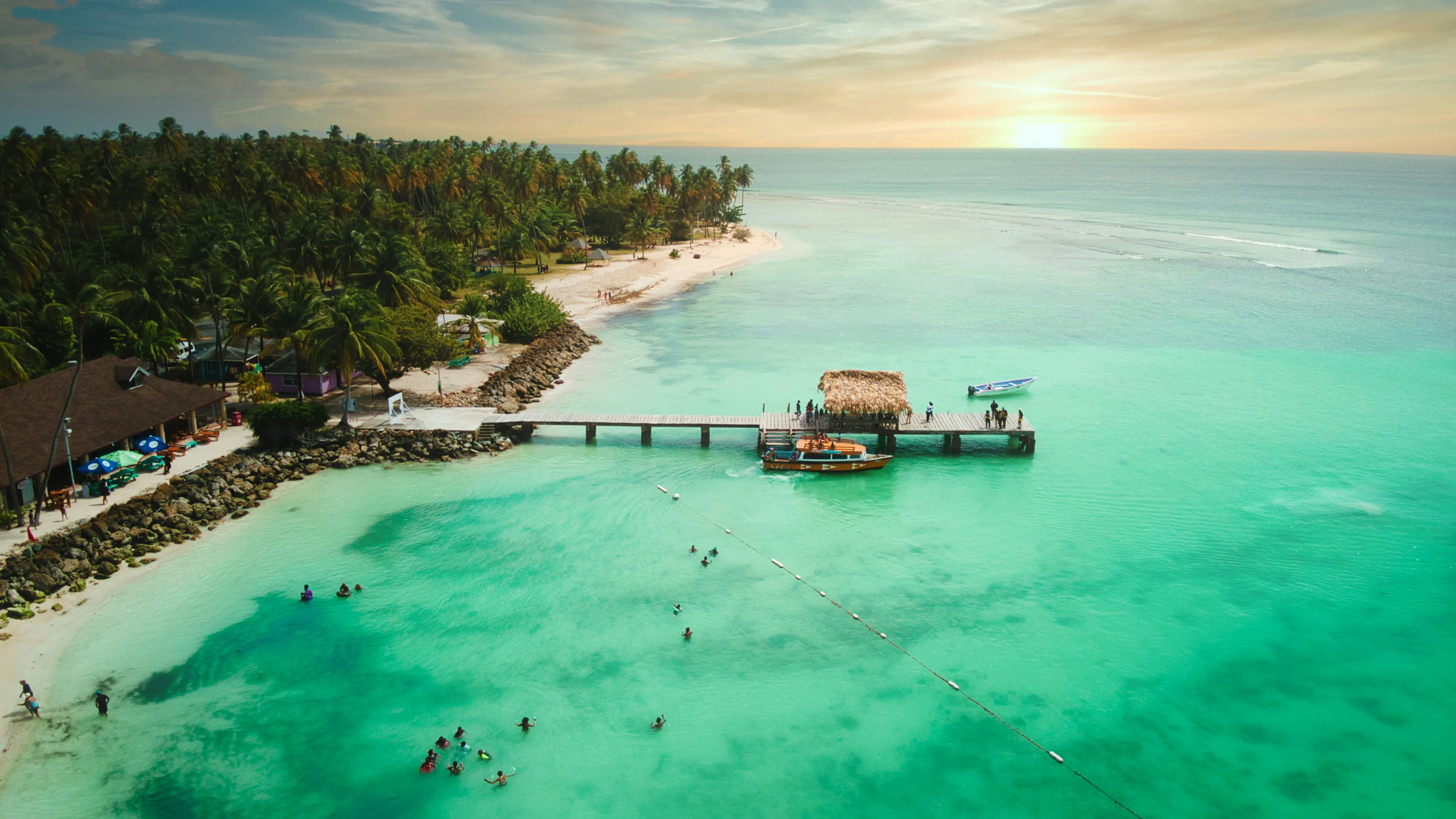
Trinidad and Tobago
Discover a vibrant Caribbean archipelago where carnival, pristine beaches, and rich biodiversity merge into a unique, authentic, and very special cultural experience.
Quick Facts
- Capital
- Port of Spain
- Language
- English
- English Creole, French Creole, Hindi, and Spanish
- Currency
- Trinidad and Tobago Dollar (TTD)
- Best time to visit
- From January to May during the dry season
- Budget per day
- $60 - $180 per day
- Climate
- Tropical climate with a dry and a rainy season; warm and constant temperatures throughout the year on both islands.
- Connectivity
- good
- Easy to obtain at airports and official Digicel or Flow stores
- Electricity
- Type A/B (115V)
- Local transport
- acceptable
- Card usage
- acceptable
- Tipping
- yes
🌎 Introduction
A short distance from the continental coast, this archipelago unfolds with its own personality, divided between two distinct realities. Trinidad, the larger island, pulses with urban energy and a mix of influences felt in the activity of its streets and markets, while Tobago offers a more peaceful environment, where the pace is set by the tides and the rustle of its tropical forests. It is a corner of the world where the intense green of the vegetation lives naturally alongside the blue of the sea, creating landscapes that change as you travel its roads.
Life here is deeply linked to its traditions and the passing of the seasons. The local calendar moves between the rainy season and the dry period, a time when the atmosphere fills with color through celebrations that transform everyday life into an expression of music and movement. The sounds of the steelpan and the aromas of its cuisine, where African, Indian, and European roots meet, are part of a diverse identity reflected both in its street food and in the calm with which the days pass.
🛡️ General safety
Trinidad and Tobago is a destination with a marked duality in terms of safety. Generally speaking, the country has a medium safety level, requiring travelers to maintain a vigilant attitude and consistently apply common sense. While the island of Tobago is usually perceived as quieter and more relaxation-oriented, the island of Trinidad, especially its capital, Port of Spain, requires additional precautions due to higher urban and social activity.
It is important to understand that most visits occur without incident, provided that basic safety recommendations are followed and risky behaviors, such as walking in isolated or poorly lit areas at night, are avoided.
Crime and common risks
As in many other Caribbean destinations, the most frequent crimes that may affect visitors are opportunistic in nature. Common risks include:
- Thefts and minor robberies: These usually occur in crowded places, popular beaches, or during mass events like Carnival. It is essential not to leave valuables unattended on the sand or inside vehicles.
- Minor scams: These can occur in informal transactions or through excessive pricing for unregulated services. It is always recommended to agree on the price before accepting a service.
- Aggravated robberies: Although less common against tourists, they can occur in remote residential areas or on nature trails if traversed without a guide.
- Key recommendation: Avoid wearing flashy jewelry, carrying large amounts of cash, or displaying high-end electronic equipment unnecessarily.
Safety in cities and tourist areas
Safety varies significantly between neighborhoods and time slots. In urban centers, it is recommended to follow these guidelines:
- Port of Spain: During the day, commercial and administrative areas are safe, but walking through peripheral neighborhoods with high local conflict rates (such as Laventille, Beetham, or Sea Lots) should be avoided.
- Nightlife: If you wish to enjoy the nightlife, it is best to go to well-known and busy areas like Ariyapita Avenue. It is recommended to always travel by private transport or a trusted door-to-door taxi.
- Beaches: In Trinidad, beaches like Maracas are safe during the day due to the influx of people, but it is better to leave before sunset. In Tobago, the tourist areas of Crown Point and Pigeon Point are generally very safe.
Safety in transport
Moving around the islands requires knowing certain peculiarities of the local transport system:
- Driving: In Trinidad and Tobago, driving is on the left. Main roads are in good condition, but secondary roads can be narrow, winding, and poorly lit.
- Taxis: It is recommended to use official taxis or services managed through mobile apps or hotel receptions. Official taxis usually have license plates starting with the letter “H” (Hired).
- Maxi-taxis and Route taxis: These are shared vans or cars that follow fixed routes. They are economical and widely used, but it is recommended to use them only during the day and on main routes.
- Rental vehicles: They are an excellent option for exploring Tobago. It is advised to always park in guarded or well-lit places and leave nothing of value inside.
Natural and climatic risks
The tropical climate of the islands carries certain seasonal risks that the traveler should consider:
- Hurricane season: Officially runs from June to November. Although Trinidad and Tobago are geographically located south of the main hurricane belt, they can be affected by strong tropical storms and heavy rains.
- Flooding: During the rainy season, some low-lying areas of Trinidad can suffer flash floods that hinder traffic.
- Seismic activity: The islands are in a zone of tectonic activity, so occasional tremors may occur. It is useful to familiarize yourself with basic protection measures in case of an earthquake.
- Heat and sun: The UV radiation index is very high. It is vital to stay hydrated and use high sun protection constantly.
Local legislation and norms
There are local laws that may be surprising to foreigners and whose non-compliance carries penalties:
- Camouflage clothing: It is strictly prohibited for civilians to wear any garment or accessory with a camouflage (military) print. This includes backpacks, hats, or pants, even for children. The item may be confiscated, and fines may be imposed.
- Drugs and narcotics: Legislation is very severe regarding the possession and trafficking of drugs. Prison sentences are high, and prison conditions can be difficult.
- Alcohol consumption: Drinking alcohol on the street is not generally prohibited, but decorous behavior is expected. Driving under the influence of alcohol is heavily penalized.
Safety for specific groups
- Solo female travelers: In general, traveling alone is safe, but you may experience some degree of unwanted attention or street comments (catcalling). It is recommended to ignore these situations and avoid walking alone in isolated places or lonely beaches, especially at nightfall.
- LGTBIQ+ travelers: Although homosexuality was decriminalized by the courts in recent years, society remains conservative in this regard. Discretion is recommended regarding public displays of affection to avoid uncomfortable situations or discrimination.
- Traveling with children and the elderly: The islands are suitable for families. The greatest risk for these groups is heat exhaustion and insect bites, so using mosquito repellent frequently is recommended to prevent diseases like dengue.
Emergencies and assistance
In case of needing urgent help, these are the main numbers you should know:
- Police: 999.
- Ambulance and Firefighters: 990.
- Coast Guard Service: 634-4441.
- Medical attention: There are public hospitals and private clinics. For tourists, it is strongly recommended to have travel insurance with broad medical coverage, as private services can be expensive and public ones may have long waiting times.
Tip: Avoid wearing any garment or accessory with a camouflage print, as its use is reserved exclusively for military forces and you could face problems with local authorities as soon as you arrive at the airport.
📝 Entry requirements
Access to Trinidad and Tobago as a tourist destination usually requires the traveler to have a valid passport whose validity extends, preferably, at least six months after the planned date of the trip’s conclusion. Generally, tourists from a wide variety of international destinations do not need to manage a prior visa for short stays, which greatly facilitates travel planning. Nevertheless, it is common for the maximum allowed stay under this modality to be approximately 90 days, a period that is usually sufficient to explore the natural and cultural wonders of both islands.
Upon arrival at international airports, migration authorities usually conduct routine checks where the presentation of an exit ticket from the country is requested, whether back to the point of origin or to a third destination. Likewise, it is frequent to be asked to prove the availability of sufficient financial means to cover the costs of the stay, as well as to provide information about the address of the planned accommodation during the first days in the territory. Treatment at these checkpoints is usually professional, provided that documentation is provided in an organized manner and standard questions about the reason for the visit are answered.
Regarding customs regulations, there are rules on the items that can be brought into the national territory. Personal medications should preferably be accompanied by their medical prescription and in their original packaging to avoid confusion. It is important to keep in mind that in this country there is a particular restriction regarding camouflage clothing, as its use and possession are limited by law to official personnel and its entry may be grounds for detention by agents. Additionally, standard controls apply to the importation of fresh food products, such as plants, seeds, or meats, in order to protect the delicate local ecosystem.
From a health perspective, authorities suggest that travelers have their basic international calendar vaccinations up to date. Depending on recent travel history and the point of origin or layover, a yellow fever vaccination certificate may be requested at their discretion. Maintaining preventive health behavior and having adequate travel insurance is always advisable to enjoy a stay without unforeseen events in any Caribbean destination.
- Identity document: Passport with a recommended minimum validity of six months.
- Stay permit: Generally, no visa is required for tourism purposes for short stays of up to three months.
- Proof of exit: Return ticket or continuation of travel to another country.
- Financial support: Justification of sufficient funds for the duration of the stay.
- Clothing restriction: Prohibition of the use and transport of clothing or accessories with military camouflage print.
- Health: Yellow fever vaccination certificate depending on the traveler’s origin.
- Customs: Declaration of agricultural products, plants, and significant amounts of currency.
🏥 Basic health considerations
On your trip to Trinidad and Tobago, you will find a health system that combines public and private care. Public healthcare is free for residents, but it is often quite saturated, so as a tourist, you will likely prefer to go to private medical centers. The latter offer a high quality of care, with modern facilities in urban areas, although you should keep in mind that costs can be high. Healthcare personnel usually communicate in English, which will greatly facilitate communication if you can manage with this language.
Taking out travel medical insurance is not mandatory to cross the border, but it is highly recommended. Ideally, your policy should include broad coverage for hospitalization and medical repatriation, as in the case of a serious emergency requiring transfer, the costs could be unaffordable on your own. Traveling with the peace of mind that these aspects are covered will allow you to enjoy the experience much more.
Regarding vaccines, the only one that will be mandatory is for yellow fever, but only if you come from a country where this disease is endemic. For other travelers, the most sensible thing is to have your standard vaccination schedule up to date. It is advisable to check if you have active protection against hepatitis A and B, tetanus, and typhoid fever, especially if you plan to move through less urbanized or rural areas.
If you travel with personal medication, you will find that there are no excessively severe legal restrictions, but it is always better to be safe. Carry your medications in their original packaging and accompanied by a medical prescription or a certificate signed by your doctor, preferably in English. This will save you time and potential uncomfortable questions at airport security checkpoints.
The most common health risks you will encounter are related to the tropical climate. Being a hot and humid country, mosquitoes are the protagonists, potentially transmitting diseases such as dengue or zika. Therefore, using a good repellent and light clothing that covers the skin will be your best defense. You won’t have to worry about altitude or extreme cold, but you will have to worry about intense sun, so sun protection should be your constant companion.
Regarding water and food, you will see that tap water is generally potable in the main areas of Trinidad, although in Tobago many travelers prefer to consume bottled water to avoid minor stomach upsets due to the change in mineralization. Hygiene in food establishments is usually good and you can try street food with confidence, always using common sense and observing that the place has a high customer turnover.
In the event that you suffer a medical emergency, the telephone number to call to request an ambulance is 811. You can also dial 990 for fire services, which often handle health emergencies, or 999 for general emergencies. You should know that, due to heavy traffic in areas like Port of Spain, ambulance response times can be somewhat slow.
To conclude, some simple practical recommendations will be useful. Always stay well hydrated by drinking fluids constantly even if you are not thirsty. Avoid exposing yourself to the sun during the central hours of the day and always use high factor sun protection. If you follow these tips and use insect repellent regularly, your stay on the islands will be much more comfortable and safe.
🚌 Transport within the country
To travel between the two main islands, travelers usually use the ferry that connects the commercial ports or the internal flight, which allows crossing from one island to another in a short time. Once on land, a rental car is one of the most frequent options for those who wish to explore independently, keeping in mind that driving is on the left side of the road. The road network is extensive, especially in more populated areas, although the flow of movement often depends on traffic conditions on the main roads.
Land public transport mainly consists of a fleet of buses and the so-called maxi-taxis, which are vans that operate shared routes following established paths. Signage and basic information are in English, which facilitates understanding for most international visitors. In urban centers, such as Port of Spain, the transport offer is denser and more constant, while in rural areas or less crowded beach zones, the frequency of passing can be lower and more informal.
Taxis are a common resource for moving directly. There are private taxi services that offer personalized transfers and others that function with fixed routes. It is common for tourists to use private vehicles for nighttime trips or to reach specific accommodations where collective transport does not reach easily. In terms of reliability, services are usually constant, although punctuality can be affected during peak commercial hours due to road saturation.
“Tip”: It is recommended to organize trips with sufficient time, especially when connecting with the airport or the port, so as not to depend on local traffic variations.
🤵 Culture and etiquette
In Trinidad and Tobago, social interactions invariably begin with a polite greeting. It is customary to say “good morning,” “good afternoon,” or “good night” when entering an establishment, boarding public transport, or starting any type of conversation. This gesture is considered a fundamental sign of respect and recognition towards the other person, setting a positive tone for the rest of the exchange. Interpersonal treatment is usually friendly and close, and conversations often flow naturally between citizens and visitors in public spaces.
Regarding physical contact, the handshake is the most widespread form of greeting in both formal contexts and initial introductions. The tone of voice is usually animated and the volume can rise naturally during social chats, reflecting a vibrant and participatory communicative culture. Regarding punctuality, there is a marked distinction: while in the professional field formality and adherence to schedules are expected, in social gatherings time is usually more flexible, prioritizing comfort and the flow of the event over the rigidity of the clock.
Gastronomy occupies a central place in social life and coexistence. When invited to a private home, it is considered a polite detail to bring a small gift as a token of appreciation. In catering establishments, tipping is a standard practice and usually rounds to 10% or 15% of the total bill, unless service is already included in the invoice. In more informal contexts, such as street food stalls, etiquette is simple and focuses on the direct enjoyment of local dishes.
Respect for the diversity of traditions and beliefs is an essential pillar of coexistence in the country. When visiting places of worship, whether Hindu temples, mosques, or churches, it is recommended to dress discreetly and modestly, ensuring that shoulders and knees are covered. In some religious spaces, it is necessary to remove shoes before entering. Likewise, showing an attitude of deference towards older people, who occupy a place of respect and authority within the social and family structure, is positively valued.
Tip: To integrate naturally into the environment, it is highly recommended to familiarize yourself with the concept of “liming”, which defines the art of socializing and relaxing without haste in company, valuing shared time and spontaneous conversation above any structured agenda.
🍛 Typical gastronomy
The cuisine of Trinidad and Tobago is a direct reflection of its multicultural history, where African and Indian influences intertwine with Creole and European touches. This fusion creates a culinary offering rich in spices and aromas, where street food plays a fundamental role in the daily life of its inhabitants. It is common to find food stalls on almost any corner, especially during the early morning hours or at sunset, offering quick preparations full of nuances.
Base ingredients usually include legumes, rice, and flours, which are combined with fresh fish, seafood, and marinated meats. The use of curry, cumin, and hot peppers is very frequent, providing a distinctive character to most stews. Additionally, tropical fruits and roots like cassava or taro are common accompaniments that balance the intensity of the main flavors.
Regarding social customs, eating is a collective act. The concept of “liming”, which refers to meeting friends to chat and share, is usually accompanied by local snacks and drinks. Meal times are flexible, although lunch is usually the most consistent meal of the day. Regarding etiquette in local venues, the atmosphere is usually relaxed and friendly, although in more formal establishments a somewhat more careful dress code is expected and it is common for service to be leisurely, inviting guests to enjoy the evening without haste.
To accompany the dishes, natural drinks are the preferred choice. Fresh coconut water is consumed daily, while infusions such as sorrel (made with hibiscus flowers) or mauby (a tree bark drink with a bitter touch) are very popular for their peculiar flavors. Local rum also has a prominent presence in social gatherings and celebrations, often served mixed with tropical fruit juices.
| Dish | Description | Main ingredients | Where to try it | Tip |
|---|---|---|---|---|
| Doubles | The most iconic street breakfast, consisting of two fried flatbreads filled with curry. | Flour (bara) and curried chickpeas (channa). | Street stalls in cities like Port of Spain. | Ask for “with everything” if you like spicy, or specify the level. |
| Bake and Shark | Fried bread sandwich filled with shark fillet and multiple toppings. | Fried bread, shark meat, and a wide variety of sauces. | Beach stalls, especially at Maracas Bay. | Take advantage of the sauce bar to customize it to your liking. |
| Roti | Indian-style flatbread wrapped around a spiced stew as a wrap. | Flour, ground peas, and goat, chicken, or vegetable curry. | Local restaurants and fast food establishments. | It is traditionally eaten with the hands, tearing the bread. |
| Pelau | An “all-in-one” rice dish cooked with meats and legumes. | Rice, pigeon peas, chicken or beef, and coconut milk. | Social gatherings, beach picnics, and local diners. | It is the ideal dish to take on a day trip or to the beach. |
| Callaloo | A thick soup or side dish of a vibrant green color and creamy texture. | Dasheen leaves (taro), okra, coconut milk, and crab. | Traditional restaurants during Sunday lunch. | Usually served alongside rice or macaroni pie. |
📷 Areas and places to visit
The nation of Trinidad and Tobago offers a fascinating duality where urban energy and natural serenity coexist in balance. On the island of Trinidad, the nerve center is its capital, Port of Spain. This city is a reflection of the colonial history and current dynamism of the country. Walking around the Queen’s Park Savannah, a large open space in the heart of the city, you can contemplate the so-called Magnificent Seven, a set of early 20th-century mansions showcasing various European architectural styles. Nearby, the National Museum and Art Gallery allows for a deeper dive into the cultural heritage and local artistic expressions through its permanent collections.
Inland in Trinidad, the landscape transforms into lush tropical jungle and wetlands of great ecological value. The Caroni Bird Sanctuary is one of the most significant destinations for wildlife viewing, especially known for being the home of the scarlet ibis. On the other hand, the Northern Range mountains dominate the northern horizon, offering hiking trails that traverse dense forests and lead to hidden waterfalls. In this same region is Maracas Bay, a coastal area that combines the mountainous environment with local gastronomic culture by the beach.
The cultural diversity of the island is also manifested in its religious monuments and points of historical interest. In the Waterloo area, the Temple in the Sea stands out, a construction symbolizing the perseverance and identity of the Indian-origin community in the country. In the south, the city of San Fernando offers a different perspective, with its elevation known as San Fernando Hill, from which a panoramic view of the industrial and residential area can be obtained, showing the contrast between economic development and geographical relief.
Crossing to the island of Tobago, the environment becomes more leisurely and focused on environmental conservation. This island is home to the Main Ridge Forest Reserve, which holds the recognition of being one of the oldest protected forest reserves in the world. The trails here allow for observing unique biodiversity in an almost pristine setting. On the coast of Tobago, history is present at Fort King George, located in the town of Scarborough. This 18th-century military complex preserves its walls and cannons, in addition to housing a small museum that narrates the island’s colonial past.
Maritime activities are a fundamental pillar in Tobago. The Buccoo Reef area is ideal for exploring coral reef ecosystems, while the Nylon Pool, a natural pool of shallow waters in the middle of the ocean, invites relaxation in a singular environment. For those who prefer the tranquility of less crowded beaches, Englishman’s Bay offers a postcard landscape where the jungle practically reaches the water’s edge, maintaining an atmosphere of isolation and peace.
The cultural calendar also marks the pace of visits, with the Trinidad Carnival being the most representative event that transforms the streets into a display of music and creativity. However, beyond the festivities, local markets and small fishing villages, such as those in Toco or Speyside, provide the opportunity to get to know the daily life of its inhabitants and enjoy the hospitality that characterizes this Caribbean territory.
“Tip”: You cannot leave without visiting Pigeon Point, the most emblematic place in the country.
✈️ Best time to travel
Trinidad and Tobago has a tropical climate that maintains warm temperatures throughout the year, allowing for visits in any season. However, the travel experience is primarily defined by the alternation between the dry season and the rainy season. The months between January and May are usually considered the most balanced for those looking to enjoy outdoor activities, as humidity is lower and sunny days are the general rule.
During the second half of the year, the landscape becomes more lush and green due to the increase in rainfall. Although rains are usually intense and short-lived, this period offers a quieter atmosphere conducive to observing the biodiversity of the tropical forests. The choice of date will therefore depend on whether one prefers the festive and dry atmosphere of the first months or the serenity and greenery of the rest of the year.
| Season | Months | Typical climate | What to expect | Tourist influx |
|---|---|---|---|---|
| Spring | Mar – May | Warm and mostly dry, with pleasant breezes. | Leatherback turtle sightings and optimal conditions for diving. | Medium / High ⭐⭐⭐ |
| Summer | Jun – Aug | High temperatures and increase in humidity and rain. | Very green landscapes, local festivals, and bird watching. | Medium ⭐⭐ |
| Autumn | Sep – Nov | Humid with frequent rains and afternoon showers. | A more relaxed atmosphere, ideal for rest and nature. | Low ⭐ |
| Winter | Dec – Feb | Little rain, with very mild daytime temperatures. | Season of major cultural events and much social activity. | Very High ⭐⭐⭐⭐ |
🗣️ Basic vocabulary
Although the official language of Trinidad and Tobago is English, in daily life, an English Creole with very characteristic turns of phrase and expressions is habitually used. Knowing some of these local words will not only facilitate communication in everyday situations, such as using public transport or shopping in markets, but is also a way to show respect for the country’s culture.
It is not necessary to master the local grammar, but using certain terms in greetings or informal conversations usually helps interactions with residents be more fluid and friendly. Below are some of the most useful expressions for a traveler:
- Wha’ gwan?: How is everything going? It is a very common informal greeting among young people or in relaxed environments.
- Good day: Good day. It is the standard and most appropriate greeting to start any interaction in shops, hotels, or when asking for information.
- Lime / Liming: To party, hang out, or socialize. It is an essential concept of Trinidadian social life that describes the act of sharing time with others without haste.
- Allyuh: You (plural). It is used to refer to a group of people collectively.
- Tanty: Aunt. It is used as a term of respect to address older women, even if there is no family relationship.
- Doh: Don’t. It is the abbreviation for “don’t” and is frequently heard in directions or short phrases.
- Sweet T&T: An affectionate and common way to refer to the islands of Trinidad and Tobago.