


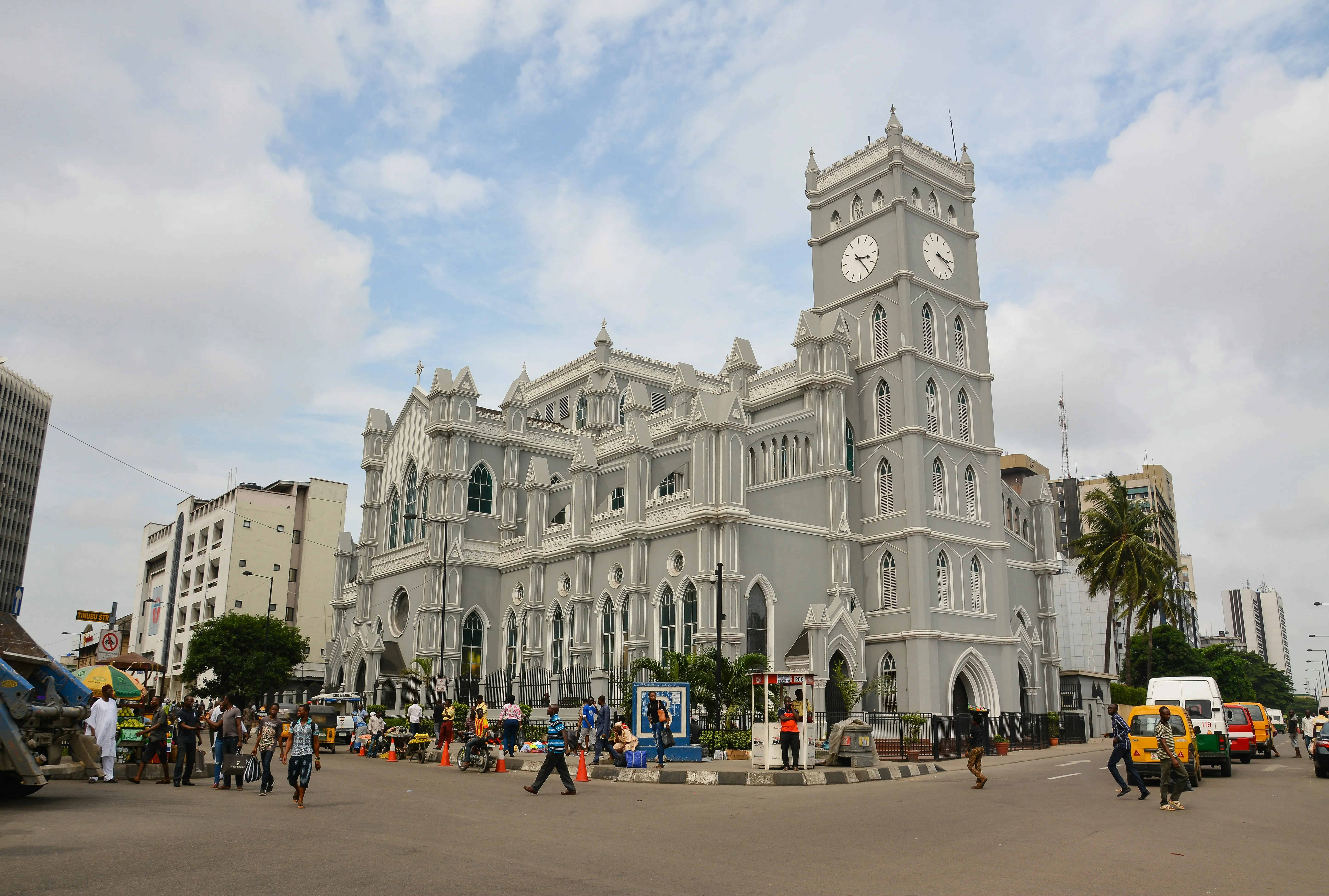
Nigeria
A vibrant mosaic of African cultures, diverse landscapes, and effervescent markets that capture the dynamic essence and energetic pulse of this unique African giant.
Quick Facts
- Capital
- Abuja
- Language
- English
- Hausa, Yoruba, Igbo, Nigerian Pidgin
- Currency
- Naira (NGN)
- Best time to visit
- From November to February during the dry season
- Budget per day
- $40 - $150 per day
- Climate
- Warm tropical climate with variations between the arid north and the humid south, marked by well-defined rainy and dry seasons.
- Connectivity
- medium
- Very easy to obtain at airports and official stores
- Electricity
- Type G (230V)
- Local transport
- acceptable
- Card usage
- more cash is used
- Tipping
- optional
🌎 Introduction
Bathed by the waters of the Gulf of Guinea, Nigeria unfolds as a mosaic of contrasts that joins the lushness of the tropical south with the serenity of the arid lands that herald the Sahel. In this corner of West Africa, the landscape changes with the rhythm of the seasons, moving from the intense green of its jungles and deltas during the rainy season to the veil of reddish dust brought by the harmattan, that Saharan wind that marks the pulse of daily life and transforms the daylight as it passes through the northern plains.
The country’s identity is breathed in the bustle of its markets, where the aroma of spices and the colors of the fabrics tell stories of centuries of trade and tradition. It is a land where hundreds of languages and customs coexist, reflected both in the elegance of traditional equestrian festivals and in the vitality of the music that floods the streets of its large cities. Among shared plates of jollof rice and leisurely conversations in the shade, there is a sense of hospitality that prefers closeness and genuine exchange over artifice.
🛡️ General safety
Nigeria is a vast and diverse country that requires detailed planning and a conscious approach to safety. For the international traveler, the general safety level is considered complex, falling on a scale that demands high caution compared to more conventional tourist destinations.
The context for the visitor is that of a country with immense economic and cultural dynamism, but one that coexists with social disparities and internal security challenges. It is not a recommended destination for inexperienced travelers who wish to improvise as they go, but rather for those who have organized itineraries and a good knowledge of the areas they visit.
Crime and common risks
Crime in Nigeria varies significantly by location, but there are certain common risks that tourists should be aware of:
- Theft and petty crime: These are common in crowded places such as markets, bus stations, and shopping areas. It is recommended not to display valuables, jewelry, or expensive electronic devices.
- Scams and fraud: Nigeria is known for sophisticated fraud methods, especially financial ones. It is wise to be suspicious of offers that are too attractive or people requesting unexpected financial help.
- Violent robberies: Although less frequent against tourists following safe routes, they can occur, especially at night. It is advised not to offer resistance in the event of an assault.
- Kidnapping: This is a real risk in certain northern regions and some areas of the Niger Delta, occasionally affecting expatriate personnel. Therefore, tourism usually concentrates in controlled urban centers and specific areas of interest with private security.
Safety in cities and tourist areas
Safety varies drastically between different urban areas:
- Abuja: The administrative capital is considered one of the safest cities in the country, with clear urban planning and a constant police presence.
- Lagos: It is the most populous and vibrant city. Areas like Victoria Island or Ikoyi are relatively safe and have a developed tourism and business infrastructure. However, peripheral neighborhoods and the historic center require extreme vigilance.
- Urban public transport: The use of informal buses (danfos) is not recommended for foreign tourists due to lack of security and overcrowding.
- Practical recommendations: It is essential to always move in vehicles with trusted drivers and avoid walking on the street once the sun has set, even in neighborhoods considered safe.
Transportation safety
Movement through the country must be planned in advance:
- Taxis and transport apps: The use of mobile transport apps (such as Uber or Bolt) is the most recommended and safest option in large cities, as it allows for trip tracking.
- Rental vehicles: Renting cars without a driver is strongly discouraged. The usual and safest practice is to rent a vehicle with a professional local driver.
- Driving: In Nigeria, you drive on the right. Traffic is chaotic, traffic rules are poorly respected, and the condition of the roads can be poor.
- Intercity travel: It is recommended to make long journeys by plane between major cities. Road travel between provinces should be avoided at night due to the risk of banditry and accidents caused by a lack of lighting.
Natural and climatic risks
Nigeria presents climatic conditions that can affect travel:
- Extreme heat: For much of the year, temperatures are very high. It is vital to maintain constant hydration and avoid direct sun exposure during central hours.
- Flooding: During the rainy season (from May to October), flash floods are frequent, which can collapse traffic and affect the safety of travel, especially in the south and coastal areas.
- The Harmattan: Between December and February, a dry, dust-laden wind from the Sahara can affect visibility and cause mild respiratory problems.
Local legislation and norms
It is essential to respect local laws, which can be very strict:
- Drugs: Possession, consumption, or trafficking of narcotics carries very severe prison sentences.
- Photography: It is strictly forbidden to photograph military installations, government buildings, airports, or bridges. This can lead to arrests or confiscation of equipment.
- Identification: It is mandatory to always carry a copy of your passport and valid visa, as police checkpoints on the road are frequent.
- Currency: Foreign exchange should be carried out at banks or official exchange houses. The black market for currency is illegal and can lead to legal problems.
Safety for specific groups
- Solo female travelers: Traveling alone is not recommended. It is preferable to do so in a group or with local guides. Dress modestly, especially in the predominantly Muslim northern areas, to avoid unwanted attention.
- LGTBIQ+ travelers: Same-sex relationships are illegal throughout the country and are heavily penalized, including with imprisonment. In some northern states under Sharia law, penalties can be more severe. Absolute discretion is recommended, and any public display of affection should be avoided.
- Seniors and children: Due to deficiencies in health infrastructure and mobility challenges, this type of trip requires high-end transportation and accommodation logistics to guarantee the well-being of these groups.
Emergencies and assistance
In case of needing urgent help, these are the key points:
- Emergency numbers: The general emergency number in Nigeria is 112 or 199.
- Police: The police presence is visible, but effectiveness can vary. In the event of an incident, it is necessary to go to the nearest police station to make a formal report if required for insurance purposes.
- Healthcare: Quality healthcare is private and concentrated in large cities. It is essential to have travel insurance that covers medical repatriation.
> Tip: Always stay informed through local news and avoid any type of demonstration or political gathering, as they can turn unstable suddenly.
📝 Entry requirements
To make a tourist trip to Nigeria, the fundamental requirement is usually to have a valid passport whose validity extends for the duration of the visit. In the vast majority of situations, international travelers require a tourist visa prior to their arrival, which allows for a stay for a limited period that usually adjusts to the needs of the presented itinerary. It is convenient to verify that the identity document has free pages for the corresponding stamps.
Upon entering the territory, migration authorities may routinely request the presentation of a return ticket or onward travel to another destination. Likewise, it is frequent that proof of financial solvency or sufficient funds to cover maintenance and accommodation during the stay at the destination is required. Controls at airports and border posts are carried out regularly to ensure that documentation is in order and that the purpose of the trip is strictly recreational.
Regarding customs regulations, there are generic restrictions on the entry of fresh food products, plants, or certain high-value electronic items. For those traveling with personal medication, it is advisable to carry the original medical prescription to facilitate procedures in case of inspection. Finally, in the health field, it is usually necessary to present the international vaccination certificate to prove immunity against specific diseases that are common in the region, thus ensuring smooth passage through health controls.
- Travel documentation: Passport with sufficient validity and tourist visa processed in advance.
- Period of stay: Duration conditioned by the type of permit issued by the consular authorities.
- Financial requirements: Possible accreditation of financial means for the entire stay.
- Transport logistics: Demonstration of return flight reservation or departure from the country.
- Customs security: Supervision of luggage, prescription drugs, and limitation of commercial items.
- Health protection: Verification of preventive vaccines and local public health recommendations.
🏥 Basic health considerations
When preparing for your trip to Nigeria, you will see that the health system presents significant contrasts that you should be aware of. In large cities like Lagos or Abuja, you will find private clinics with acceptable quality standards and well-trained professionals, while in rural areas resources are usually much more limited. As a tourist, you will always turn to private healthcare, as the public sector is often saturated and may lack basic supplies. You should keep in mind that the cost of care for foreigners is high and payment in advance is generally required. The main language of communication with medical staff will be English, so it will be easy for you to understand each other if you master this language.
Taking out travel medical insurance is not just a recommendation, but something totally essential for your peace of mind. Your policy must have broad coverage and must include medical repatriation and transfer by medicalized plane if necessary. It is vital that the insurance covers high hospitalization costs so that you do not have to pay large sums of money out of your own pocket in emergency situations. Before leaving, make sure you have your company’s assistance number handy to contact them in case of any unforeseen event.
Regarding vaccines, the yellow fever vaccine is mandatory to enter the country, and they will ask for your international vaccination certificate upon arrival at the airport. In addition to having your official vaccination schedule up to date, you should consider the usual recommendations for this region, such as hepatitis A and B, tetanus, and typhoid fever. Given that the risk of malaria is high throughout Nigerian territory all year round, you will need to go to a specialized medical consultation to be prescribed the necessary preventive medication before starting your adventure.
If you take any specific medication regularly, I suggest you bring it with you from home in its original packaging and in sufficient quantity for the entire stay. It is very important that you attach the medical prescription translated into English or a report justifying its use to avoid any inconvenience at customs controls. Your basic first-aid kit should not lack analgesics, gastric protectors, oral serum and, above all, an insect repellent with a high concentration of DEET to protect you during the day and night.
Nigeria’s tropical climate implies certain risks that you can manage with caution. Intense heat and constant humidity can cause dehydration if you do not drink fluids frequently. The most relevant health risk is that of diseases transmitted by mosquito bites, such as malaria or dengue, so using long-sleeved clothing at dusk and mosquito nets will be your best ally. At some times of the year, especially in the north, the wind called harmattan can bring a lot of suspended dust, which might affect your respiratory tract or irritate your eyes if you are sensitive.
Hygiene with water and food is fundamental to avoid gastric problems. The golden rule is that you never drink tap water or use it to brush your teeth; always opt for bottled water and check that the seal is intact. Avoid ice in drinks and fruits that you cannot peel yourself. As for food, you can safely try the delicious local cuisine if you choose dishes that are served well-cooked and hot. At street stalls, always look for those where you see the product being cooked to order at high temperatures.
In case of a medical emergency, the general telephone number is 112, although its effectiveness depends heavily on the area where you are. You should know that the public ambulance service can be slow or unavailable, so the most practical thing is usually to contact your travel insurance directly so that they can manage fast transport to the nearest private clinic. In cities, taxis or private transport vehicles are usually the fastest way to get to a hospital in case of immediate need.
As final practical recommendations, I advise you to always use sunscreen with a high factor, even on cloudy days, and to maintain constant hand hygiene using hydroalcoholic gel before eating. A few months before flying, make an appointment at an international vaccination center for personalized advice according to your route and the duration of your stay, which will allow you to enjoy your stay in Nigeria with much more security.
🚌 Transport within the country
Moving around Nigeria requires planning due to the great distances separating its main urban centers. Domestic flights are the most common means for long-distance travel between major cities, as they allow for quickly covering the country’s vast extensions. Although the road network connects the entire country, land journeys are usually long and depend directly on the state of local infrastructure, which varies significantly by region.
Railway transport has experienced notable development in recent years, with modern lines connecting strategic points. This service is valued for its punctuality and comfort, although its coverage is still limited and does not reach all areas of tourist interest. On the other hand, in coastal areas and cities with lagoons, the use of ferries and river transport is a practical alternative to avoid surface traffic congestion.
In large cities, the use of taxis and transport services via mobile apps is the simplest and most common option for visitors. These systems facilitate communication and allow for more agile movement through complex urban environments. Mass public transport, such as urban buses, has acceptable signage and the use of English as the official language greatly facilitates orientation and ticket purchasing for any international traveler.
There is a clear difference between the urban environment and rural areas, where transport options are more informal and less structured. While in the cities the offer is varied and constant, in more remote areas schedules tend to be less predictable and comfort is more basic. In general terms, transport reliability is closely linked to weather conditions and traffic, so it is recommended to organize transfers with generous time margins.
Tip: For urban travel, prioritize the use of digital transport apps, as they offer clearer trip management and facilitate communication with the driver at all times.
🤵 Culture and etiquette
Social interaction in Nigeria is based on a profound respect for hierarchy and seniority. When greeting someone, it is essential to spend time exchanging polite words and questions about general well-being before moving on to the main reason for the conversation. It is common to perform a small bow of the head or a gesture of nodding when addressing older people or those in authority, which is perceived as a sign of good manners and recognition of their social position.
In public spaces, the volume of voice is often high and conversations may be perceived as very intense or passionate; however, this generally reflects vitality and communicative enthusiasm rather than a confrontational attitude. Physical contact between people of the same sex, such as walking hand in hand or keeping an arm on the other’s shoulder, is a common sign of friendship and trust, while public displays of affection between couples are usually kept private to respect local sensitivity.
Time management tends to be flexible in social contexts, where meetings may start later than planned, prioritizing human relationships and current dialogue over the rigidity of the clock. Nonetheless, in professional environments, the effort to maintain punctuality is valued. An essential aspect of daily etiquette is the preferential use of the right hand for eating, greeting, or exchanging objects and money, as the left hand is traditionally reserved for personal hygiene tasks and its use in public may be considered inappropriate.
Hospitality is a central value, and it is common for food or drink to be offered when receiving a visitor. Although it is not mandatory to consume large quantities, accepting a small portion is interpreted as a gesture of gratitude and goodwill. Regarding services, tipping is a common and expected practice in restaurants, hotels, and private transport, functioning as recognition of the service provided and a courtesy norm integrated into the country’s service economy.
It is fundamental to show an attitude of special respect in places of worship and when dealing with traditional leaders, who play a very important role in social cohesion. When visiting temples, mosques, or attending ceremonies, it is recommended to observe the behavior of residents and dress discretely to harmonize with the environment. Likewise, asking for permission politely before taking photographs of people or within communities is a practice that greatly facilitates coexistence and mutual understanding.
Tip: Always use your right hand to give or receive any object, especially money or business cards, to show respect and courtesy toward your interlocutor.
🍛 Typical gastronomy
Nigeria’s gastronomy is a reflection of its immense cultural diversity, with influences from more than 250 ethnic groups. It is characterized by being vibrant, spicy, and very nutritious, based mainly on the use of tubers, cereals, and legumes. Flavors are usually intense due to the frequent use of chilies, ginger, and palm oil, which adds a very distinctive reddish color to many of its traditional dishes.
A fundamental concept at the Nigerian table is “swallow”, a dense and elastic dough made from cassava, yam, or cereals used as an accompaniment. The traditional way to eat these dishes is with your hands, always using your right hand to pinch a portion of the dough and dip it into the various soups or stews that make up the main course.
Soups are the heart of local cuisine and vary significantly by region. In the south, marine ingredients and green leaves predominate, while in the north, more cereals and grilled meats are consumed. It is common for meals to be abundant and shared in a social setting, as eating in Nigeria is considered an act of community and hospitality toward the visitor.
Regarding restaurant etiquette, the atmosphere is usually relaxed. Although major cities have international-style venues, traditional establishments often serve generous portions. Regarding drinks, it is common to accompany dishes with bottled water or refreshing local drinks such as Zobo (an infusion of hibiscus flowers) or Kunu (based on cereals). Palm wine is also a very popular fermented drink in rural areas.
| Dish | Description | Main ingredients | Where to try it | Tip |
|---|---|---|---|---|
| Jollof Rice | Spiced rice slow-cooked in a tomato base. | Rice, tomato, peppers, onion, and spice mix. | Restaurants throughout the country and celebrations. | Accompany it with fried plantain (dodo) to contrast the flavor. |
| Egusi Soup | Thick and nutritious soup with a very characteristic grainy texture. | Dried melon seeds, spinach, and meat or fish. | Local restaurants specializing in traditional cuisine. | It is best enjoyed if ordered with an accompaniment of “Pounded Yam”. |
| Suya | Grilled meat skewers with a coating of spicy seasonings. | Beef or chicken, ground peanuts, and chilies. | Street stalls (Mai Suya), especially at sunset. | It is a spicy dish; keep a cold drink nearby if you don’t tolerate heat well. |
| Pepper Soup | Light but very aromatic and extremely spicy broth. | Meat, fish, or goat, aromatic herbs, and local spices. | Bars and nightlife venues in Lagos or Abuja. | It is usually taken as an appetizer; sip it slowly to appreciate the nuances. |
| Akara | Fried fritters, crispy on the outside and fluffy on the inside. | Crushed black-eyed beans, onion, and peppers. | Breakfast stalls and morning markets. | They are perfect for a quick breakfast or a mid-morning snack. |
📷 Areas and places to visit
Nigeria presents itself to the traveler as a mosaic of deep contrasts where urban modernity coexists with ancient traditions and diverse nature. The most common gateway is usually Lagos, a vibrant metropolis that acts as the region’s economic and cultural engine. In this city, it is essential to visit districts like Victoria Island and Ikoyi, known for their dynamism, contemporary art galleries, and a constantly evolving gastronomic offer. For those seeking a respite from the urban pulse, the Lekki Conservation Centre offers a different perspective with its canopy walkways over wetlands and native vegetation.
Inland, the capital, Abuja, shows a completely different face of the country. It is a planned city, characterized by its wide avenues and monumental architecture, where the Abuja National Mosque and the National Christian Centre of Nigeria stand out. The urban landscape is dominated by the imposing presence of Zuma Rock, a huge natural monolith that has become one of the most recognizable visual symbols internationally. This area allows for an understanding of the country’s political and administrative organization in a more leisurely setting than that of the coast.
Historical and spiritual heritage has one of its most significant points in Oshogbo, where the Osun-Osogbo Sacred Grove is located. This site, recognized for its cultural value, houses shrines, sculptures, and artworks integrated into the jungle, representing Yoruba cosmogony. It is a key destination for understanding the connection between nature and the traditional beliefs that remain alive in much of the territory. Similarly, in the north, the city of Kano offers an immersion into the history of ancient trans-Saharan trade routes. Its ancient walls, the Emir’s Palace, and the traditional Kofar Mata dye pits allow for the observation of artisanal processes that have barely changed over the centuries.
Nature and wildlife enthusiasts find in Yankari National Park, located in Bauchi State, one of the most outstanding natural refuges in West Africa. This environment is known for hosting elephant populations and for the Wikki Warm Springs, where it is possible to bathe in crystal-clear waters at a constant temperature. To the southeast, the terrain becomes more rugged in areas like Obudu Mountain Resort, near the border with Cameroon, offering a cooler climate, alpine meadows, and hiking trails that contrast with the northern plains or the delta jungles.
Cultural richness is also manifested in Benin City, historically famous for its bronze works and its relevance in the ancient kingdoms of the area. Visiting its museums and cultural centers helps in understanding the sophistication of pre-colonial societies. On the other hand, the coastal city of Calabar stands out for its order, its annual festivals, and its historical role, preserving colonial-era buildings and centers dedicated to primate conservation, such as the Drill Ranch. Local markets in any of these regions are mandatory stops to observe daily life, purchase artisanal fabrics, and taste local products.
Rural areas of Nigeria allow for knowledge of a rhythm of life more closely linked to the land and seasonal cycles. In these regions, it is common to find traditional festivals celebrating harvests or rites of passage, which vary significantly from one ethnic group to another. The diversity of landscapes, ranging from the sandy beaches of the Gulf of Guinea to the semi-desert areas of the north, ensures that each region offers a distinct experience, whether through the mud architecture of northern villages or the vibrant fishing communities of the south.
“Tip”: You cannot miss visiting Osun-Osogbo, the most emblematic place in the country.
✈️ Best time to travel
Nigeria has a tropical climate that significantly defines the travel experience, divided mainly into a dry season and a rainy season. The most recommended period to visit the country usually coincides with the months of least precipitation, between November and February. During this time, humidity decreases and movement through the territory is more comfortable, facilitating access to national parks and rural areas that can be difficult to traverse during heavy rains.
Throughout the year, the landscape and available activities vary notably. While the drier months are ideal for wildlife observation and attending outdoor cultural festivals, the rainy season transforms the environment into a setting of lush vegetation and powerful waterfalls. The choice of date will depend on whether one prefers climatic comfort for touring cities or the freshness of natural landscapes at their peak of greenness.
| Season | Months | Typical weather | What to expect | Tourist influx |
|---|---|---|---|---|
| Spring | Mar – May | High temperatures and progressive increase in humidity. Start of rains in the south. | Landscapes that begin to turn green and celebration of traditional fishing and agriculture festivals. | Medium ⭐⭐ |
| Summer | Jun – Aug | Frequent and intense rainfall, especially on the coast. Moderate temperatures. | Very green natural environments, waterfalls at their maximum splendor, and urban cultural festivals. | Medium - Low ⭐ |
| Autumn | Sep – Nov | Transition from rains to dry weather. Heat remains constant but drier at the end. | Improved conditions for hiking and greater ease for road transfers. | Medium ⭐⭐ |
| Winter | Dec – Feb | Dry climate and clear skies. Presence of the Harmattan wind, which cools the nights. | High season for cultural events, carnivals, and optimal conditions for viewing wildlife in reserves. | High ⭐⭐⭐ |
🗣️ Basic vocabulary
Although English is the official language of Nigeria, in daily practice, “Nigerian Pidgin” is frequently used, a lingua franca that facilitates communication between the more than 250 ethnic groups in the country. Knowing some basic expressions will not only be useful for moving around markets or using public transport, but it is also a way to show respect and courtesy toward the local inhabitants.
There is no need to delve into grammatical rules, as the goal is to facilitate daily interactions such as greetings or thanks. These are some of the most common words and phrases you might hear and use during your trip:
- How you dey?: How are you?
- I de fine: I’m fine.
- Abeg: Please.
- Imela / E dupe / Na gode: Thank you (in the majority languages Igbo, Yoruba, and Hausa, respectively).
- No wahala: No problem or don’t worry.
- Wetin be this?: What is this?
- Oda: Okay or agreed.
- Welldone: A common greeting addressed to someone who is working or performing a task.