


Somalia
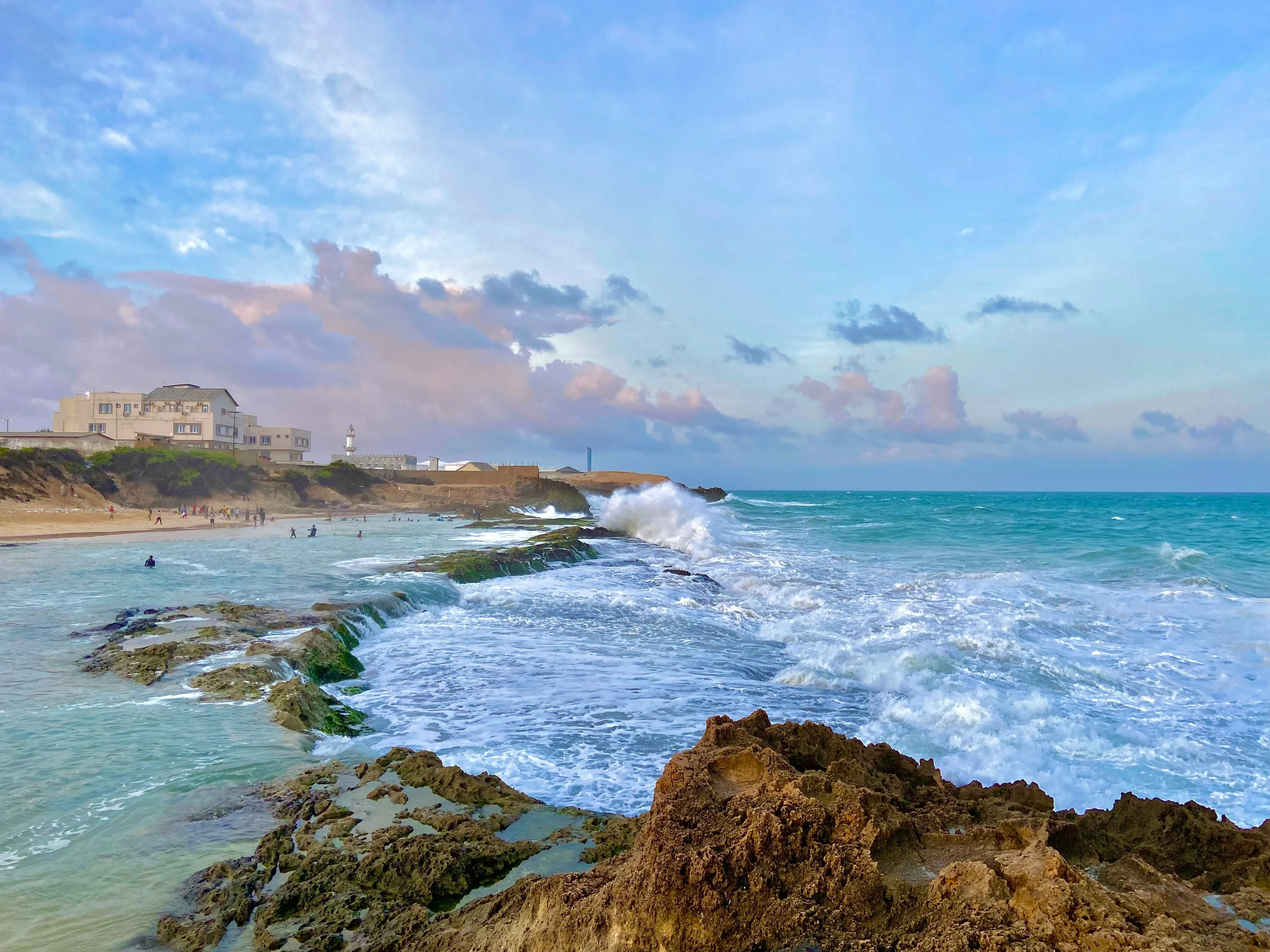
Discover a territory of contrasts where the Indian Ocean coast meets the desert, offering a millenary history and pristine landscapes to explore.
Quick Facts
- Capital
- Mogadishu
- Language
- Somali
- Arabic, Italian, English
- Currency
- Somali Shilling (SOS), US Dollar (USD)
- Best time to visit
- From December to February to avoid extreme heat and seasonal rains.
- Budget per day
- $30 - $80 per day
- Climate
- A hot desert climate predominates throughout the year, with irregular rainfall and high humidity in coastal areas.
- Connectivity
- low
- Available mainly in large cities, where it is possible to purchase local prepaid SIM cards.
- Electricity
- Type C / G (220V)
- Local transport
- limited
- Card usage
- cash is used more
- Tipping
- optional
🌎 Introduction
At the eastern edge of the continent, where the Indian Ocean meets the Gulf of Aden, stretches a land of intense light and clear horizons that define the Horn of Africa. Somalia is a territory that breathes to the rhythm of the monsoon winds, the same ones that for centuries have carried stories of merchants and navigators. Here, daily life takes place amidst the aroma of incense in the markets, the taste of spiced tea in the mid-afternoon, and the serenity of white sand coasts that contrast with the aridity of the interior.
Beyond its landscapes, the country preserves an identity deeply linked to oral tradition and movement. Historically known as the “nation of poets,” its culture manifests in the hospitality of its people and in a nomadic heritage that continues to mark the pace of shepherds across the plains. From the rock formations of the north to the greener areas of the south, the environment changes its physiognomy with the seasons, offering a mosaic of realities that allow a glimpse into one of the region’s most unique and resilient identities.
🛡️ General safety
Traveling to Somalia represents one of the most complex and unique experiences for an international traveler. Currently, the level of security in the country is considered very low compared to global standards for conventional tourism. Somalia is a destination that requires extreme planning, deep knowledge of the local geopolitical context, and, in most cases, the hiring of professional private security services.
The context for the traveler is one of transition. While the region of Somaliland (in the north) enjoys relative stability and has developed minimal infrastructure for visitors, the rest of the country, including the capital Mogadishu, continues to face significant challenges related to internal conflict and political instability. Therefore, tourism in Somalia is not of a massive recreational nature, but rather expeditionary or business-oriented, always under strict protocols.
Common crime and risks
Common crime in Somalia is not the primary risk, but it exists and must be taken into account. The most common crimes that may affect a visitor include:
- Thefts and minor robberies: These can occur in crowded markets or busy areas. It is recommended not to display valuables such as jewelry, professional cameras, or large amounts of cash.
- Scams: Occasionally, excessive charges for basic services may occur if one does not have a trusted local guide to mediate transactions.
- Major security risks: It is essential to mention that there are risks of serious incidents, such as kidnappings or attacks in public areas. These risks are mitigated by always moving in escorted vehicles and avoiding predictable routines.
Extreme caution must be exercised in border areas and in zones that are not under the direct control of government authorities or international forces.
Security in cities and tourist areas
The security situation varies drastically depending on the city visited:
- Mogadishu: Most visitors stay in the so-called “Green Zone” or fortified complexes near the airport. Movements through the city are usually carried out in armored vehicles with armed escorts. Urban centers outside these protected perimeters are considered high risk.
- Hargeisa (Somaliland): It is perceived as a much quieter and safer city to walk in during the day, although it is always advisable to be accompanied by a local guide. This is the area where cultural tourism is most feasible.
- Garowe and other areas of Puntland: These present an intermediate level of security, where coordination with local authorities is mandatory for any travel.
As a practical recommendation, the traveler should avoid any type of political demonstration or gathering, as they can become unpredictable in a short time.
Transport safety
Transport in Somalia does not follow international standards and requires prior logistical management:
- Public transport: The use of public buses or shared vans is highly discouraged for international travelers due to the lack of security measures and the possibility of unofficial checkpoints on the roads.
- Taxis and private vehicles: The safest way to move is through rental vehicles with a driver, managed by trusted hotels or security agencies.
- Driving: In Somalia, driving is on the right. However, autonomous driving by tourists is not common or recommended due to the poor condition of the roads, the lack of signage, and the presence of checkpoints.
- Domestic flights: They are the safest way to travel between major cities, avoiding dangerous road routes.
Natural and climatic risks
Somalia’s natural environment presents challenges that the traveler must consider for their health and safety:
- Extreme heat: Somalia has an arid and semi-arid climate. Temperatures can be extremely high throughout the year, leading to risks of dehydration and heatstroke.
- Droughts and floods: The country suffers from severe drought cycles. Paradoxically, during the rainy seasons (especially between April-June and October-November), flash floods can occur, cutting off roads and hindering communications.
- Dust and sand: Sandstorms are common at certain times, which can cause respiratory problems and reduced visibility.
It is recommended to always travel with an abundant supply of bottled water and appropriate clothing to protect against the intense sun.
Local legislation and norms
Somalia is a predominantly Muslim country and is governed by conservative social and legal norms, often based on Sharia:
- Clothing: Visitors are expected to dress very modestly. Women must cover their shoulders and legs, and in most areas, the use of a veil (hijab) is mandatory or highly recommended. Men should avoid shorts in public places.
- Alcohol and substances: The consumption, importation, and sale of alcohol and drugs are strictly prohibited. Failure to comply with these laws can lead to severe prison sentences or immediate deportation.
- Photography: It is forbidden to photograph government or military installations, bridges, airports, or strategic infrastructure. Always ask permission before photographing local people.
- Religion: Proselytizing any religion other than Islam is illegal and can have very serious legal consequences.
Safety for specific groups
- Female travelers: Traveling alone is not recommended. It is essential to be accompanied by a male guide or escort for safety reasons and to facilitate interaction with the local society, which is deeply patriarchal.
- LGTBIQ+ travelers: Homosexuality is illegal in Somalia and can be punished with prison sentences or even worse consequences in areas under certain legal interpretations. Absolute discretion is recommended; the country is not a safe destination to openly show this identity.
- Children and the elderly: Due to precarious sanitary conditions and security risks, Somalia is not considered a suitable destination for family travel with young children or for elderly people with specific medical needs.
Emergencies and assistance
The public emergency system in Somalia is very limited or non-existent in many areas:
- Emergency numbers: There is no reliable centralized rapid response system (like 112 or 911) across the country. Hotels and private security agencies provide their own emergency contact numbers.
- Medical assistance: Public hospitals lack basic supplies. In the event of a serious incident, it is essential to have travel insurance with air medical evacuation coverage to neighboring countries such as Kenya or the United Arab Emirates.
- Procedure in case of an incident: If involved in a legal or security problem, contact your private security provider immediately and, if possible, the nearest consular representation (many operate from Nairobi, Kenya).
Tip: Coordinate every one of your movements with an accredited local security agency before landing and never travel at night, even in areas considered safer.
📝 Entry requirements
To plan a visit to Somalia, the first aspect to consider is the possession of a valid passport. Generally, authorities require the document to have a minimum validity of six months from the date of arrival in the territory. Additionally, it is convenient for the passport to have enough blank pages for the corresponding stamps issued at border and airport posts.
In most cases, international citizens need to process a tourist visa to access the country. This permit usually authorizes a maximum stay that is typically around thirty days, although periods may vary according to the type of authorization granted. It is common for the visa application process to be completed prior to the trip, although at certain main entry points, there is the possibility of managing procedures upon arrival under specific conditions.
During the entry process, migration personnel frequently request the presentation of a return or onward ticket to a third destination to confirm the intention to leave the country within the permitted period. Likewise, proof of economic solvency is usually required, demonstrating that the traveler has the necessary funds to cover their accommodation, maintenance, and transportation costs during their entire stay.
Customs controls at airports follow standard regulations regarding the entry of goods. There is a strict limitation on the import of prohibited substances, and it is common for inspections to be carried out on specific medications, which should be accompanied by their corresponding medical prescription. Similarly, the entry of certain food products or high-end electronic equipment may be subject to declaration or temporary restrictions to ensure that their use is strictly personal.
In the health sector, it is strongly recommended to review the status of general vaccinations before departure. In many cases, an international certificate of vaccination against yellow fever is requested, especially if the traveler has recently transited through areas where this disease is endemic. Having international medical insurance with broad coverage is a suggested practice to guarantee assistance in the event of any health unforeseen circumstances during the trip.
Below is a summary of the key points to consider for access to the territory:
- Identity document: Passport with validity exceeding six months.
- Stay authorization: Tourist visa preferably managed before the start of the trip.
- Proof of departure: Transport ticket confirming the return or continuation of the journey to another country.
- Economic means: Demonstration of sufficient funds for the planned period of stay.
- Health: Vaccination certificate and compliance with international medical recommendations.
- Baggage and customs: Usual restrictions on medications, food, and undeclared valuables.
🏥 Basic health considerations
When planning your trip to Somalia, you will notice that the healthcare system is quite limited compared to international standards. In major cities like Mogadishu or Hargeisa, you will find some private clinics that offer basic services for foreigners, but in rural areas, assistance is almost non-existent. Public healthcare is usually not a viable option for tourists due to lack of resources, so you will always end up going to private centers. Keep in mind that costs can be high for visitors and that upfront payment in cash is normally required. Medical staff in these centers usually speak English or Arabic reasonably well, in addition to Somali.
Taking out travel medical insurance is not just a recommendation, but an absolute necessity before departing. It is essential that your policy includes very broad coverage for hospitalization and, above all, for medical repatriation in a medicalized aircraft. In case of suffering a serious health problem, you will most likely need to be transferred to a neighboring country with better infrastructure, and the costs of this service are astronomical if you do not have insurance to back it up.
Regarding vaccines, you must present an international certificate of vaccination against yellow fever if you are traveling from a country where this disease is endemic. In general, it is advisable to be up to date with the official vaccination schedule, including tetanus, diphtheria, and polio. Additionally, it is usually recommended to protect yourself against hepatitis A and B, typhoid fever, and, in some cases, cholera. It is always a good idea to consult with a tropical medicine center weeks in advance so they can evaluate your particular case.
If you need to take personal medication, make sure to transport it in its original and well-labeled containers. It is very important that you carry your medical prescription translated into English to avoid misunderstandings at customs. Since local pharmacies may not have the exact medication you use, it is best to bring enough supplies for your entire stay. A basic first-aid kit with disinfectants, bandages, painkillers, and oral rehydration salts will be very useful.
The most common health risks are related to the climate and insects. You will find very high temperatures, so heatstroke and dehydration are constant risks if you do not take care. On the other hand, mosquito-borne diseases such as malaria or dengue are present in several regions. Using strong repellents and clothing that covers the skin at dawn and dusk will be your best defense. You shouldn’t worry too much about altitude or cold, as they are not determining factors in this territory.
Hygiene with water and food must be extreme to avoid gastrointestinal problems. Under no circumstances drink tap water; always consume bottled water and ensure the seal is intact. Avoid ice cubes and salads or fruits that you cannot peel yourself. Regarding food, we advise consuming dishes that have been well cooked and are served hot. Street food can be very tempting, but if you decide to try it, look for places with high turnover and apparently good cleaning conditions.
In case of a medical emergency, you should know that there is no unified ambulance system as in other places. The most effective way is usually to contact your travel insurance directly or go by your own means to the nearest private hospital recommended by your accommodation. There is no single emergency number that works reliably throughout the country, although in some urban areas, specific local numbers are used which will be provided to you at your hotel reception.
As final recommendations for your stay, remember to stay well hydrated and protect your skin from the intense sun with high-factor sunscreens. Do not bathe in freshwater rivers or lakes to avoid local parasites. If you follow these prevention guidelines and have good medical backing, you will be able to manage any health unforeseen circumstances that may arise during your adventure much better.
🚌 Transport within the country
Moving around Somalia usually involves using domestic flights to connect major cities quickly and efficiently. Due to the size of the territory and the state of the road network in certain regions, air travel has established itself as the preferred means of transport for long journeys between important urban centers. These air connections are common and allow for distances to be covered that would require much more time and complex logistics by land.
Regarding land transport, the use of buses and shared vans is the most common form of travel for local residents, although it may be unintuitive for a foreign visitor. Signage is scarce in many areas and the organization of journeys does not always follow a fixed schedule, which can make orientation difficult. Additionally, the predominant language at stations and departure points is Somali, so communication may be a factor to consider when trying to use these public services.
Within cities, taxis and light three-wheeled vehicles are the most common means for short trips. These services operate constantly in central areas, offering a direct way to move from one point to another. While there is a greater supply and fluidity in large cities, in rural areas, transport is much more limited and depends fundamentally on private vehicles or off-roaders capable of traveling on roads that are not always paved.
The general sense of comfort and reliability is variable. Domestic flights usually maintain an acceptable regularity, but road transport is subject to terrain conditions and informal waiting times. Therefore, the experience of traveling by land is usually slower. In general, infrastructure is in a development process, which means that travel requires patient planning adapted to local circumstances.
Tip: It is advisable to organize important transfers in advance through managed transport services to ensure greater fluidity in travel between provinces or cities.
🤵 Culture and etiquette
Social interaction in Somalia is based on a deep sense of hospitality and mutual respect. When meeting other people, the greeting plays a central role; it is usually slow and detailed, asking about general well-being. It is common for men to greet other men with a handshake, as women do among themselves, although in interactions between different genders, the most frequent greeting is verbal or a slight nodding gesture without physical contact. The right hand is what governs courtesy and must always be used to greet, hand over objects, or carry out transactions.
Regarding behavior in public spaces, discretion and a moderate tone of voice are valued. Public displays of affection are not part of the social norm, and it is advisable to maintain a respectful physical distance in interpersonal treatment. Punctuality tends to be flexible in informal contexts, where the quality of the personal encounter is prioritized over the strictness of the clock, although in professional spheres, arriving on time is appreciated. Respect for elders is a fundamental pillar of the social structure, so giving way or waiting for them to initiate a conversation are highly valued gestures.
Gastronomy and meetings around the table are key moments for coexistence. It is common for food to be presented on shared plates, reinforcing the sense of community and group unity. In these contexts, it is essential to use only the right hand to ingest food. In urban dining establishments, tips are well received as a gesture of gratitude for the service, although they are not considered a strict obligation. If invited to a private home, it is customary to remove shoes before entering to preserve the cleanliness of the domestic space.
Daily life is deeply influenced by religious practices, so it is fundamental to show an attitude of maximum consideration towards prayer times and places of worship. During fasting periods or important festivities, sensitivity towards the environment should be greater, trying not to eat or drink conspicuously on public roads during the day. Clothing is usually modest and demure, generally covering shoulders and legs, which allows for natural and respectful integration into the local atmosphere.
“Tip”: Always use your right hand to greet, eat, or hand over and receive any object, as the use of the left hand in these social situations is considered inappropriate.
🍛 Typical gastronomy
Somali cuisine is the result of centuries of commercial and cultural exchange, integrating Arabic, Indian, Persian, and, more recently, Italian influences. It is based on simple but very nutritious ingredients, where cereals, meat, and spices play a fundamental role on the daily table. This fusion has created its own culinary identity that surprises with its complex aromas and comforting character.
Rice and pasta are essential side dishes in the Somali diet, a heritage of trade routes and colonial influence. Nonetheless, the most distinctive element is the use of a spice blend called xawaash, which combines cumin, coriander, turmeric, cardamom, and cinnamon. This mixture provides a warm and deep aroma to most stews, providing a characteristic flavor without necessarily being spicy.
One of the most striking customs for the traveler is the consumption of fresh banana as an accompaniment to savory main dishes, such as rice or pasta. In terms of proteins, camel meat is highly valued for its symbolism and cultural prestige, although goat, lamb, and chicken are more frequent in daily consumption. In regions near the coast, fresh fish also has a prominent role in the local diet.
The social aspect is fundamental in the country’s gastronomy. It is common for meals to be served on large shared trays to foster a sense of community among diners. Following cultural etiquette, food is usually handled with the right hand. Regarding drinks, being a country of Muslim tradition, the consumption of alcohol is not permitted. Instead, spiced tea with milk (shaah) is the national drink, consumed at any time of day in the ubiquitous tea shops.
| Dish | Description | Main Ingredients | Where to try it | Tip |
|---|---|---|---|---|
| Bariis Iskukaris | A very aromatic rice dish, considered the staple of Somali food. | Basmati rice, xawaash spices, onion, and meat. | Traditional food restaurants in cities. | Always accompany it with a banana to experience the contrast of flavors. |
| Canjeero | A fermented pancake similar to a crepe, with a spongy texture and somewhat acidic flavor. | Sorghum or corn flour, water, and yeast. | Cafes and breakfast stalls throughout the country. | It is ideal for dipping in meat stews or having with honey for breakfast. |
| Suqaar | Small cubes of meat sautéed with chopped vegetables. | Beef, goat, or chicken, peppers, and carrots. | Eating houses and street stalls. | It is usually served with canjeero or bread, being a quick and hearty meal. |
| Sambuusa | Triangular-shaped fried dumplings, very crunchy and popular. | Wheat dough, spiced minced meat, onion, and chili. | Local markets and outdoor food stalls. | They are perfect as a light snack during a walk through the city. |
| Muufo | Traditional dense and circular bread baked in clay ovens. | Corn or wheat flour. | Traditional ovens and local bakeries. | Try it fresh out of the oven when its texture is most tender. |
📷 Areas and places to visit
Somalia stretches along the Horn of Africa, offering a geographical diversity that combines one of the continent’s longest coastlines with mountainous areas and river valleys. The capital, Mogadishu, acts as the cultural and social epicenter, where Italian-influenced architecture coexists with traditional structures. In this city, the Hamari Weyne district stands out as the oldest historical core, housing buildings that reflect centuries of commercial activity. Walking through its streets allows one to observe the Arba’a Rukun Mosque, one of the capital’s most historic religious centers, which shows the importance of Islamic tradition in the area.
Urban life and leisure are notably concentrated in the coastal zone. Lido Beach is an essential meeting point for locals and visitors, ideal for observing the city’s daily pulse and enjoying gastronomy based on seafood products. To the south, the city of Merca presents a characteristic urban landscape with its white buildings and Arabic-Somali style architecture, offering a slower atmosphere linked to the ancient maritime routes of the Indian Ocean.
In the northern region is the city of Hargeisa, which functions as an important administrative and cultural center. It is a relevant place to understand the social and economic organization of the north of the country, with vibrant markets where local products and livestock are traded. A short distance from this urban center lies one of the region’s most important archaeological treasures: Laas Geel. This cave complex contains rock paintings dating back thousands of years and is preserved in a remarkable state, representing human and animal figures that tell the story of the ancient inhabitants of these lands.
The diversity of landscapes continues towards the Cal Madow mountain range in the north, an area that contrasts with the coastal plains due to its altitude and denser vegetation. This natural environment is ideal for getting to know the country’s native flora and mountain landscapes. On the other hand, the historic city of Zeila (Saylac), located near the northwestern border, offers a journey through the region’s commercial past, with ruins of ancient mosques and buildings that testify to its relevance as a strategic port for centuries.
For those seeking a deeper look at heritage, local museums and cultural centers in main cities house collections that, although in the process of recovery, show the richness of oral literature, craftsmanship, and traditional Somali clothing. Rural areas, meanwhile, allow one to learn about the way of life of nomadic communities, whose culture is intrinsically linked to livestock care and seasonal cycles, offering a marked contrast to the dynamism of expanding urban centers.
Activities in these regions usually revolve around cultural exchange in the markets, observation of historical architecture, and exploration of natural environments. The mouth of the Juba and Shabelle rivers provides fertile landscapes that break with the aridity predominant in other parts of the territory, showing the variety of ecosystems that make up the country’s geography and the importance of these waterways for local agriculture.
“Tip”: You cannot miss visiting Laas Geel, the most emblematic place in the country.
✈️ Best season to travel
Planning a trip to Somalia requires taking into account its tropical and semi-arid climate, marked mainly by the monsoon cycle and the alternation between dry and wet periods. Generally speaking, the most recommended time to visit the country coincides with the dry seasons, when road communications are more predictable and the heat in coastal areas is softened by the sea breeze.
During these months, travelers find mostly clear skies and favorable conditions for exploring both historical sites and the coastline. Although temperatures are warm throughout the year, the transition between seasons offers different perspectives of the landscape, which varies from arid plains to greener and lusher environments immediately after the rainy seasons.
| Season | Months | Typical climate | What to expect | Tourist influx |
|---|---|---|---|---|
| Spring | Mar – May | High temperatures and increased humidity due to the start of the rains. | Landscapes that begin to turn green and more visible agricultural activity in rural areas. | ⭐⭐ Medium |
| Summer | Jun – Aug | Predominantly dry climate with monsoon winds that cool the coast. | Optimal conditions for coastal activities and wildlife spotting in protected areas. | ⭐⭐⭐ High |
| Autumn | Sep – Nov | Moderate temperatures with brief and occasional rains. | Natural environments at their maximum visual splendor and cultural celebrations after harvests. | ⭐⭐ Medium |
| Winter | Dic – Feb | Very dry environment, clear skies, and intense heat, especially in the interior. | Excellent visibility for cultural tourism and stable conditions for transit through the country. | ⭐⭐⭐ High |
🗣️ Basic vocabulary
Learning some basic Somali notions can greatly facilitate your day-to-day during your stay in the country. Although in certain urban or professional contexts it is possible to communicate in English or Arabic, addressing local inhabitants in their own language is a gesture of courtesy that usually helps create a more relaxed atmosphere in markets, transport, or everyday situations.
It is not necessary to master the grammar, but having a small repertoire of greetings and polite expressions will allow you to navigate with greater confidence and respect for the local culture.
- Iska warran: Hello / How are you?
- Mahadsanid: Thank you.
- Fadlan: Please.
- Haa: Yes.
- Maya: No.
- Soo dhawoow: Welcome.
- I raali ahow: Excuse me / Sorry.
- Nabad gelyo: Goodbye