


South Sudan
Explore the world's youngest nation, discovering the wildlife of the White Nile and the rich cultural traditions of its diverse ethnic peoples.
Quick Facts
- Capital
- Juba
- Language
- English
- Juba Arabic and Nilotic languages
- Currency
- South Sudanese Pound (SSP)
- Best time to visit
- From November to February, during the dry season
- Budget per day
- $40 - $150 per day
- Climate
- Tropical climate with high temperatures, characterized by a dry season and an intense rainy season.
- Connectivity
- low
- Local SIM cards can be purchased in the capital, although coverage is limited.
- Electricity
- Type C, Type D (230V)
- Local transport
- limited
- Card usage
- cash is used more
- Tipping
- optional
🌎 Introduction
On the banks of the White Nile, the landscape stretches out in a succession of plains where water and land merge in the immense wetlands of the Sudd. The rhythm of daily life is deeply linked to the cycle of the seasons, passing from the green exuberance brought by the rains to the ochre tones and clear skies of the dry season. It is an environment where nature dictates the timing and defines the silhouette of a horizon that seems endless.
The identity of this region is strongly manifested in its pastoral communities, whose bond with cattle transcends the economic to become a cultural and social pillar. In traditional camps, the smoke from fires at sunset and the sound of herds form a scene that has been repeated for generations. This close coexistence with the environment is also reflected in a rich oral tradition and music that naturally accompanies both daily tasks and celebrations.
In the inhabited centers, local markets offer a mixture of aromas where dishes based on cereals and legumes stand out, reflecting a simple yet nuanced gastronomy. It is a corner of the world with a quiet vitality, where hospitality is perceived in everyday gestures and the geography invites contemplation of the vastness of the savannah from an authentic and serene perspective.
🛡️ General safety
Traveling to South Sudan, the world’s youngest country, represents a unique experience for travelers interested in ancestral cultures and pristine nature. However, due to its recent history and socio-political context, it requires exhaustive planning and a very rigorous safety approach.
General safety level
- The safety level in South Sudan is considered complex. It is not a destination for conventional mass tourism and requires the traveler to be constantly informed about the local situation.
- Compared to other destinations, safety is in a range that demands extreme caution and, in the vast majority of cases, the accompaniment of local guides or specialized agencies.
- The context for the traveler is that of a nation in the construction phase, where infrastructure is limited and stability can vary by region. Most tourist visits are concentrated in highly organized ethnological expeditions.
Crime and common risks
- Minor crimes, such as pickpocketing of wallets or mobile phones, are the most frequent in crowded areas and markets in the capital, Juba.
- There are risks of assaults on rural roads, so interurban travel should always be carried out in broad daylight and preferably in a convoy.
- Scams are not the main problem, but it is advisable to be discreet with valuables and not show large amounts of cash in public.
Safety in cities and tourist areas
- In Juba, the capital, safety is higher during the day, especially in areas where government headquarters and international hotels are located. Walking through the city after dark is not recommended.
- The actual tourist areas are mainly national parks and villages of ethnic groups such as the Dinka or the Mundari. In these areas, safety depends entirely on the logistics of the hired travel agency.
- It is vital to avoid any type of crowd or public demonstration, as they can become unpredictable quickly.
Safety in transport
- Public transport consists mainly of minibuses and motorcycles (boda-bodas). For a tourist, the use of motorcycles is not recommended due to the high accident rate and lack of road safety.
- The use of private 4x4 vehicles with a local driver, managed through hotels or trusted agencies, is recommended.
- In South Sudan, people drive on the right. However, the condition of the roads is poor (many are dirt) and during the rainy season, they can become completely impassable.
- Due to the precariousness of the roads, internal flights are the safest and fastest way to move between major towns.
Natural and climatic risks
- Extreme heat is a constant in the country, with temperatures frequently exceeding 40 degrees Celsius. Dehydration is a real risk for the traveler.
- Seasonal flooding is the most important natural risk. It occurs during the rainy season (from May to October/November) and can isolate entire regions for weeks.
- It is recommended to travel preferably during the dry season (December to March) and always have supplies of drinking water and high-factor sun protection.
Legislation and local norms
- One of the strictest rules is the prohibition of photographing government buildings, military installations, bridges, airports, or any strategic infrastructure. Failure to comply with this can lead to detention and confiscation of equipment.
- It is mandatory to obtain an official photography permit if you plan to use professional cameras outside of hotels.
- Local laws are conservative. Alcohol consumption is restricted in certain areas and behavior in public must always be respectful and discreet.
Safety for specific groups
- Female travelers: Solo travel is not recommended. It is preferable to travel in organized groups and dress modestly, covering shoulders and knees, to respect local customs.
- LGTBIQ+ travelers: Homosexuality is not legally accepted and strong social taboos exist. Maximum discretion is recommended, avoiding public displays of affection as they can lead to legal or personal safety problems.
- Children and the elderly: Due to harsh climatic conditions, the lack of quality medical services, and the complexity of transport, South Sudan is not a recommended destination for traveling with young children or people with reduced mobility.
Emergencies and assistance
- Emergency services (police and ambulances) are very limited and their response time can be very slow or non-existent outside the capital.
- In case of an incident, the first point of contact should be the local travel agency or the hotel security staff.
- It is essential to have comprehensive travel insurance that obligatorily includes air medical evacuation, as local hospitals do not have the means to treat serious conditions.
> Tip: Before taking any photograph, even of a person or a common landscape, always ask for permission from local guides or people present to avoid misunderstandings with the authorities.
📝 Entry requirements
To plan a trip to South Sudan, it is essential to have a valid passport with an extended minimum validity, usually six months after the scheduled end date of the stay. It is recommended that the document has several free pages for entry and exit stamps, as well as for the possible placement of official stickers during the border control process. The document must be in good condition to avoid inconveniences at checkpoints.
In most cases, entry into the territory requires obtaining a tourist visa in advance. This process is usually managed through diplomatic representations abroad or through online management systems before starting the journey. The duration of the stay permitted is usually limited to a specific period that must be respected to avoid administrative complications before leaving the country. It is advisable to process these documents well in advance of the departure date.
Upon arrival at access points, such as the international airport, it is common for authorities to request the presentation of a return ticket or continuation to a third destination. Similarly, it may be necessary to prove that sufficient funds are available to cover all expenses during the planned period of stay. Occasionally, registration with local authorities is carried out shortly after landing, a common procedure in the region that the traveler must take into account.
Regarding customs restrictions, attention should be paid to the transport of medicines; it is advisable to carry the corresponding medical prescription translated if necessary. The entry of large amounts of foreign currency usually requires a prior declaration to customs officials. Likewise, there are common limitations on the export of certain objects of cultural or natural value, and the entry of fresh food or perishable products may be subject to preventive sanitary inspections.
Regarding health conditions, the presentation of an international certificate of vaccination against yellow fever is usually required to allow access to the country. It is highly recommended to have travel insurance with extensive medical coverage and to be up to date with suggested vaccines for tropical areas. Health checks may be frequent at entry points to ensure the well-being of both the traveler and the local population.
🌍 General tourist information
South Sudan is a nation that offers a unique experience for those looking for unconventional destinations and an immersion in the most pristine nature of Africa. The country is traversed by the White Nile, a vital axis that defines its geography, its climate, and the way of life of its inhabitants. Tourism in this region focuses mainly on wildlife observation and contact with ancestral cultures that have maintained their traditions throughout the centuries.
Cultural richness is one of the pillars of the country, with various ethnic groups living together in the territory. Visitors are usually interested in traditional lifestyles and the vernacular architecture of local communities. Being a country with infrastructure under development, the traveler must be prepared for an authentic but demanding environment, where planning and flexibility are essential tools.
📍 Places of interest and activities
Despite being an emerging destination, there are various points that stand out for their natural and scenic value:
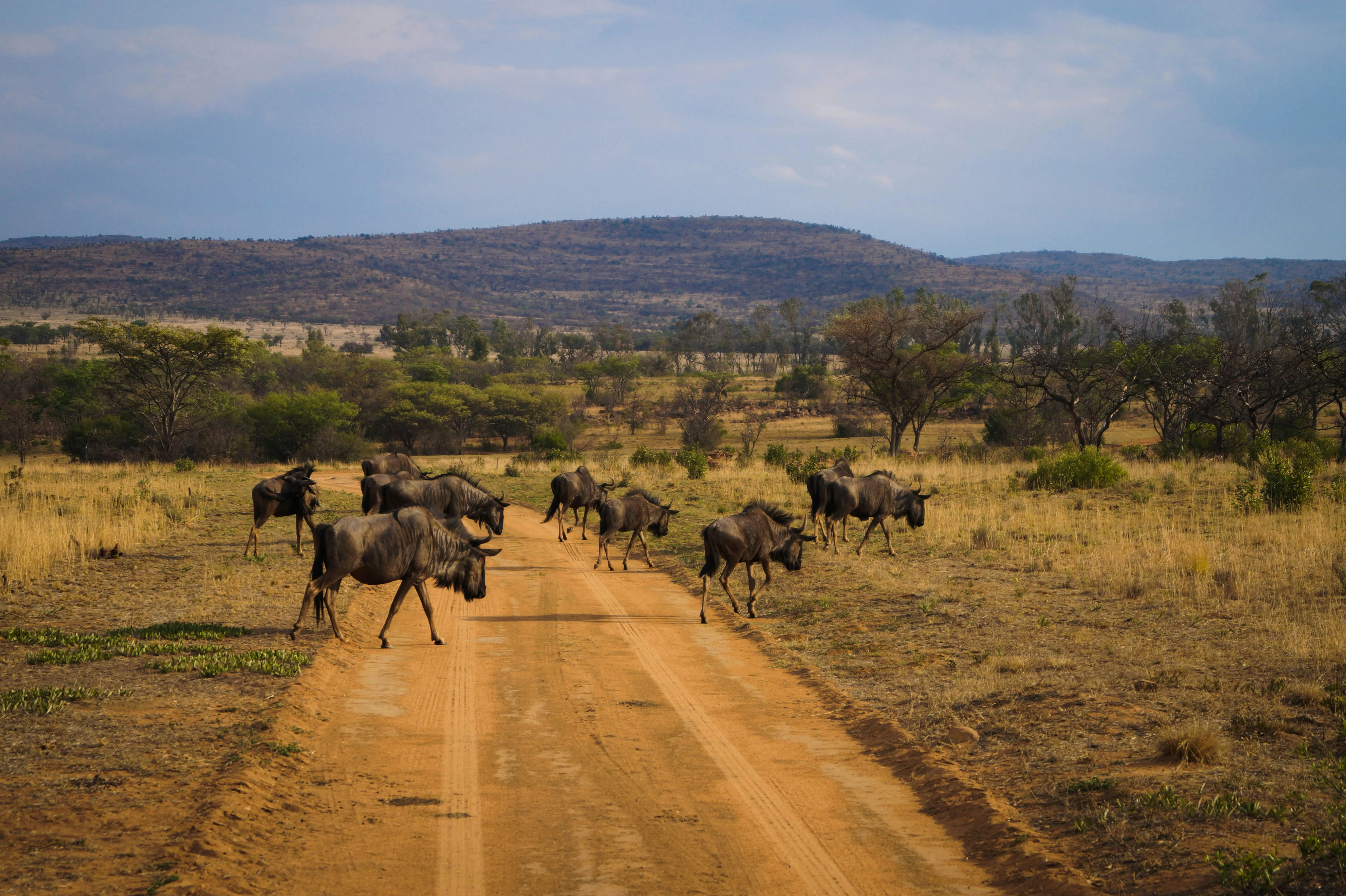
- Boma National Park: It is known for hosting one of the largest wildlife migrations in the world, comparable in magnitude to that of the Serengeti. Thousands of antelopes can be observed in seasonal movement here.
- The Sudd: One of the most extensive swampy areas on the planet, formed by the White Nile. It is a fascinating ecosystem for bird watching and aquatic life.
- Juba: The capital, located on the banks of the Nile, offers a glimpse into the country’s contemporary urban life, with local markets and growing commercial activity.
- Nimule National Park: Located near the southern border, it is an area where the Nile River narrows, allowing the sighting of elephants, hippos, and crocodiles in a setting of great beauty.
- Imatong Mountains: A mountain range that offers green landscapes and a biodiversity distinct from the plains, ideal for those who appreciate hiking and botany.
💡 Practical tips for the traveler
To enjoy a satisfactory and trouble-free stay, it is useful to consider the following recommendations:
- Climate: The country has a tropical climate with well-marked dry and rainy seasons. The dry season is usually the most favorable for road travel and animal observation.
- Currency: It is common for transactions to be carried out in cash, so it is recommended to carry international currency in new bills of various denominations.
- Communications: Connectivity may be limited outside of major urban centers. Using local SIM cards is a common option for staying connected.
- Photography: Discretion is recommended, and permission should be requested before photographing people or infrastructure. In certain places, the use of cameras may be regulated.
- Transport: Internal travel is usually carried out in all-terrain vehicles due to the state of the roads, or via internal flights between major cities.
🏥 Basic health considerations
On your trip to South Sudan, you will find a health system that is quite limited and basic, concentrated mainly in the capital, Juba. Outside the most important urban centers, access to any type of medical assistance is very difficult. As a tourist, you will most likely have to resort to private clinics, as public centers often lack basic supplies and sufficient staff. The cost of private care is high, so financial solvency is a point to consider. Regarding communication, most medical staff in private centers speak English, which will make it easier for you to explain your needs.
Taking out travel medical insurance is not optional; it is absolutely essential. Your policy should be as comprehensive as possible and must obligatorily include air medical evacuation to a nearby country with better infrastructure in case of serious illness or accident. It is also fundamental that you have coverage for sanitary repatriation and high-cost hospitalization expenses. Without insurance to back these costs, you could face very complicated and expensive situations.
Regarding vaccines, it is mandatory to present the international certificate of vaccination against yellow fever to enter the country. Without this card, you will not be able to pass immigration control. Additionally, it is very important that you keep your standard vaccination schedule up to date, including boosters for tetanus, diphtheria, polio, and hepatitis A and B. Depending on the areas you plan to visit, you might also consider other vaccines such as typhoid fever, meningitis, or cholera. It is best to make an appointment at a health center specialized in international travel at least a couple of months in advance.
Carrying a well-equipped personal first-aid kit is key, as drug availability in local pharmacies is scarce or non-existent. If you take medication regularly, you should carry a sufficient amount for the entire trip in its original packaging accompanied by a medical prescription translated into English. There are no known strict legal restrictions for common-use medications, but it is always advisable to travel with a medical report justifying their possession to avoid misunderstandings at customs.
The most relevant health risk you will be exposed to is malaria, which is present throughout the territory year-round. It is essential to consult about preventive medication before leaving and to use strong repellents and clothing that covers the skin, especially at dawn and dusk. Extreme heat is another risk factor, so you must hydrate constantly to avoid heatstroke. In rural areas, it is also advisable to take precautions against bites from other insects or contact with animals.
Regarding food and hygiene, the main rule is to always consume bottled water and verify that the seal is intact. Completely avoid tap water, even for brushing your teeth, and do not accept ice cubes in drinks. As for food, you can try local gastronomy safely as long as the dishes are well cooked and served hot. I advise you to avoid raw vegetables and fruits that you cannot peel yourself to prevent gastrointestinal infections.
In case of a medical emergency, you should know that the ambulance service is practically non-existent or very deficient. The fastest and most effective way is usually to travel by your own means to the nearest reference hospital or clinic in Juba. There is no single emergency number that works reliably throughout the country, so it is vital that you have the contact of your insurance company and the address of your embassy or consulate at hand, as they can guide you on where to go.
As final recommendations, I suggest maintaining rigorous hand hygiene using hydroalcoholic gel frequently. Avoid bathing in freshwater rivers or lakes due to the risk of aquatic parasites. If you are going to perform outdoor activities, always use closed and appropriate footwear. Planning these aspects in advance will allow you to enjoy your experience with much more peace of mind and safety.
🚌 Transport within the country
Moving around South Sudan requires slow planning, as the transport infrastructure is limited. The internal flight is the most common means used by travelers to move between the capital and major regional cities, because distances are considerable and land connections are not always available. There is no train network or mass transport systems like the metro, so journeys are primarily resolved by air or by dirt roads.
Land public transport consists mostly of small vans and buses that connect urban centers. Signage is practically non-existent and ticket management is done in person at stations or departure points, without advance reservation systems. Although English is the official language and facilitates basic communication, the lack of written information makes the visitor dependent on verbal directions from local residents.
There is a notable difference between large cities and rural areas. In the main urban centers, some paved streets can be found, but as soon as you leave these centers, dirt paths predominate. This circumstance directly affects comfort and punctuality, as the condition of the ground and weather conditions dictate the actual duration of any journey, making schedules merely orientative.
For urban journeys, the use of taxis and motorcycles with a driver is the most common option. These services do not have meters or visibly regulated fares, so the operation is informal. In general, shared vehicles usually wait to be full before starting, which requires patience from the traveler and a flexible attitude toward the unforeseen events that may arise during the journey.
“Tip”: It is advisable to organize important trips during the early hours of the day to have natural light and greater vehicle availability.
🤵 Culture and etiquette
In South Sudan, personal relationships are founded on genuine hospitality and a deep sense of community. Greetings are an essential part of daily life and are considered a fundamental sign of respect. They are not limited to a quick exchange of words but often include detailed questions about the family’s well-being and general health. Physical contact, such as handshakes, is usually prolonged and warm, reflecting the importance given to human connection before starting any formal conversation or commercial transaction.
Communication tends to be slow, and verbal courtesy is highly valued. In public spaces, it is common to maintain a moderate tone of voice and discreet behavior that does not seek to stand out unnecessarily. There is great respect for hierarchy and seniority, so it is advisable to show an especially attentive and deferential attitude toward the elderly or those who hold leadership roles in the community. Regarding punctuality, times tend to be more flexible in social settings, although in professional environments of the main cities, adherence to agreed schedules is appreciated.
Sharing food is a social act of great relevance that symbolizes friendship and trust. If a traveler is invited to a home, it is common to be offered food or drink; accepting at least a small portion is interpreted as a gesture of courtesy and goodwill. In traditional contexts, it is common to use the right hand both for eating and for giving or receiving objects, following the local custom of reserving the left for personal hygiene tasks. Regarding tipping, although not mandatory, it is received with gratitude in catering establishments and services as recognition of a job well done.
Dress and personal decorum influence social perception and the flow of interactions. Modest and well-kept clothing is appreciated, especially when visiting places of worship, institutional buildings, or rural areas with more deep-seated customs. It is important to observe and follow the example of local residents regarding behavior in sites of religious or traditional significance, where silence and a reserved attitude are fundamental. Before taking photographs of people, their belongings, or at community events, the most appropriate thing is to always request prior permission, which establishes a framework of mutual respect and avoids misunderstandings.
Tip: When interacting with the local population, it is highly recommended to dedicate sufficient time to social preambles and initial greetings before addressing any request or practical matter, as prioritizing the personal relationship over immediacy greatly facilitates any arrangement or coexistence.
🍛 Typical gastronomy
The gastronomy of South Sudan is based on products from the land and the river, offering a simple cuisine full of nuances. The fundamental ingredient in the daily diet is sorghum, a cereal consumed in various forms, along with millet and maize. Due to its geographic location, the Nile River plays a crucial role, providing a wide variety of fresh fish, especially Nile perch and tilapia. Green leafy vegetables, legumes, and peanuts are also essential components that add texture and flavor to most traditional stews.
Regarding eating habits, food is usually a social and communal act. It is common for dishes to be served on large shared trays, and local custom dictates that one eats primarily with the right hand, using pieces of flatbread to scoop up the food. Although in urban centers schedules can be more flexible, generally two main meals are eaten per day. In local establishments, the atmosphere is usually relaxed and service focuses on hospitality toward the visitor.
Drinks also occupy a prominent place in the country’s culture. Tea, often flavored with cloves or cinnamon, and coffee with spices like ginger are frequently consumed throughout the day. Another very popular option is karkadé, an infusion of hibiscus flowers served both hot and cold and appreciated for its refreshing and slightly acidic flavor.
| Dish | Description | Main ingredients | Where to try it | Tip |
|---|---|---|---|---|
| Kisra | A thin, flatbread with a slightly spongy texture and fermented flavor. | Sorghum or maize flour and water. | Local markets and food stalls in Juba. | It is used as “cutlery” to accompany stews and sauces. |
| Asida | Thick porridge with a firm consistency that serves as an energy base. | Cereal flour (sorghum or millet) and boiling water. | Traditional food restaurants in any region. | Always accompany it with a meat stew to contrast textures. |
| Kudra | Intense green stew, very nutritious and smooth in texture. | Green leaves (similar to spinach), oil, and local seasonings. | Popular eateries in urban and rural areas. | It is one of the best options for learning about the use of local vegetables. |
| Nile Perch | Large river fish, usually prepared on the grill. | Fresh Nile fish and basic spices. | Restaurants located on the riverbanks in Juba or Malakal. | Eat it freshly made to better appreciate the product’s freshness. |
| Ful Medames | Slow-cooked legume dish, common for breakfast. | Cooked fava beans, oil, onion, and garlic. | Street stalls and local cafes in the mornings. | It is usually served with local bread and is very filling to start the day. |
📷 Zones and places to visit
South Sudan presents itself to the traveler as a territory where nature and ancestral traditions converge along the course of the White Nile River. The capital, Juba, is usually the gateway and the point of greatest urban dynamism. In this city, the contrast is evident between new administrative constructions and local markets full of life, such as the Konyo Konyo market, where the daily pulse of its inhabitants is perceived. Walking along the banks of the Nile at sunset or visiting All Saints Cathedral allows for an understanding of the mixture of influences that coexist in this administrative and cultural center.
Moving away from the capital, the landscape transforms radically to give way to one of the continent’s most important natural wonders: the Sudd. This immense wetland, formed by the overflowing of the Nile, is a unique ecosystem composed of channels, lagoons, and stretches of papyrus. It is an area of great ecological relevance where life revolves around water. Visitors interested in bird watching and aquatic landscapes find a serene environment here, where local fishermen navigate in their traditional boats following rhythms of life that have barely changed in centuries.
The country’s richness is also manifested in its protected areas, with Boma National Park being one of the most prominent points. This vast region is the setting for one of the world’s largest wildlife migrations, starring thousands of antelopes, especially the white-eared kob. Together with Bandingilo National Park, these areas offer a pristine view of the African savannah, where the absence of massive infrastructure allows for an authentic connection with the environment and wildlife, which also includes elephants, giraffes, and various feline species.
Towards the south, near the border, is Nimule National Park. This place is known for hosting the Fola Rapids, where the White Nile narrows and creates a visually powerful spectacle. It is a more accessible area than other reserves and allows for close observation of herds of elephants and hippos. The vegetation here is lusher and the terrain more rugged, offering interesting routes for those who enjoy hiking and river landscape photography.
The cultural aspect is, without a doubt, another of the great attractions of rural regions, especially in the states of Lakes or Warrap. Visiting traditional cattle camps allows for firsthand knowledge of the social and economic importance these animals have for communities like the Dinka or the Mundari. These rural settlements show a way of life closely linked to the cycles of nature and cattle care, offering a fascinating anthropological perspective for those seeking to understand the identity of the South Sudanese people outside urban environments.
In the western zone, the city of Wau stands out for its layout and architecture with reminiscences of different historical periods, including its imposing cathedral, one of the largest in the region. This city acts as a cultural center where various lifestyles and local craft traditions can be appreciated. The country’s ethnic diversity is reflected in its festivals and celebrations, which although they do not have a fixed schedule for tourism, are usually spontaneous encounters of traditional music and dance that show the pride and resilience of its people.
Tip: You cannot miss visiting the Sudd, the most emblematic place in the country.
✈️ Best season to travel
Planning a trip to South Sudan is primarily conditioned by its tropical climate and the alternation between the dry season and the rainy season. The choice of the right moment depends largely on the type of experience sought, although the ease of moving through the territory varies considerably according to rainfall, as much of the road infrastructure becomes difficult to transit when the ground is saturated with water.
During the months of lower rainfall, the landscape allows for more fluid mobility and access to national parks is easier. At this time, wildlife tends to concentrate around permanent water points, which facilitates their observation. Conversely, the arrival of the rains transforms the environment into a green and exuberant setting, although it requires more complex logistics to visit rural areas and the swampy zones of the White Nile.
| Season | Months | Typical climate | What to expect | Tourist influx |
|---|---|---|---|---|
| Spring | Mar – May | Intense heat and gradual increase in humidity. | Start of the first rains, cloudy skies, and landscapes beginning to sprout. | Low ⭐ |
| Summer | Jun – Ago | Frequent rains and temperatures moderated by humidity. | Very green environment, high river levels, and greater difficulties in land transport. | Very low ⭐ |
| Autumn | Sep – Nov | Decrease in rainfall and persistent humidity. | Transition to dry weather, clearer skies, and progressive improvement of roads. | Medium ⭐⭐ |
| Winter | Dic – Feb | Dry weather, sunny, and clear skies. | Maximum wildlife visibility, optimal conditions for road transit and outdoor activities. | High ⭐⭐⭐ |
🗣️ Basic vocabulary
Although English is the official language of South Sudan, in practice the most widespread lingua franca is Juba Arabic. Knowing some expressions in this local dialect will be of great help in handling everyday situations, such as making purchases in markets, using public transport, or simply greeting the people you meet during your stay.
It is not necessary for you to delve deep into grammatical rules, as the goal is merely practical. Showing interest in using some basic words is usually well-received by the local population, facilitating communication and helping daily interactions be more fluid and friendly.
- Salaam: Hello (general greeting).
- Shukran: Thank you.
- Ita kweis?: How are you? or Are you well?
- Mafi mushkila: No problem.
- Kam?: How much? or How many?
- Moya: Water.
- Khalas: Enough, stop, or finished.
- Afwan: You’re welcome or excuse me.