


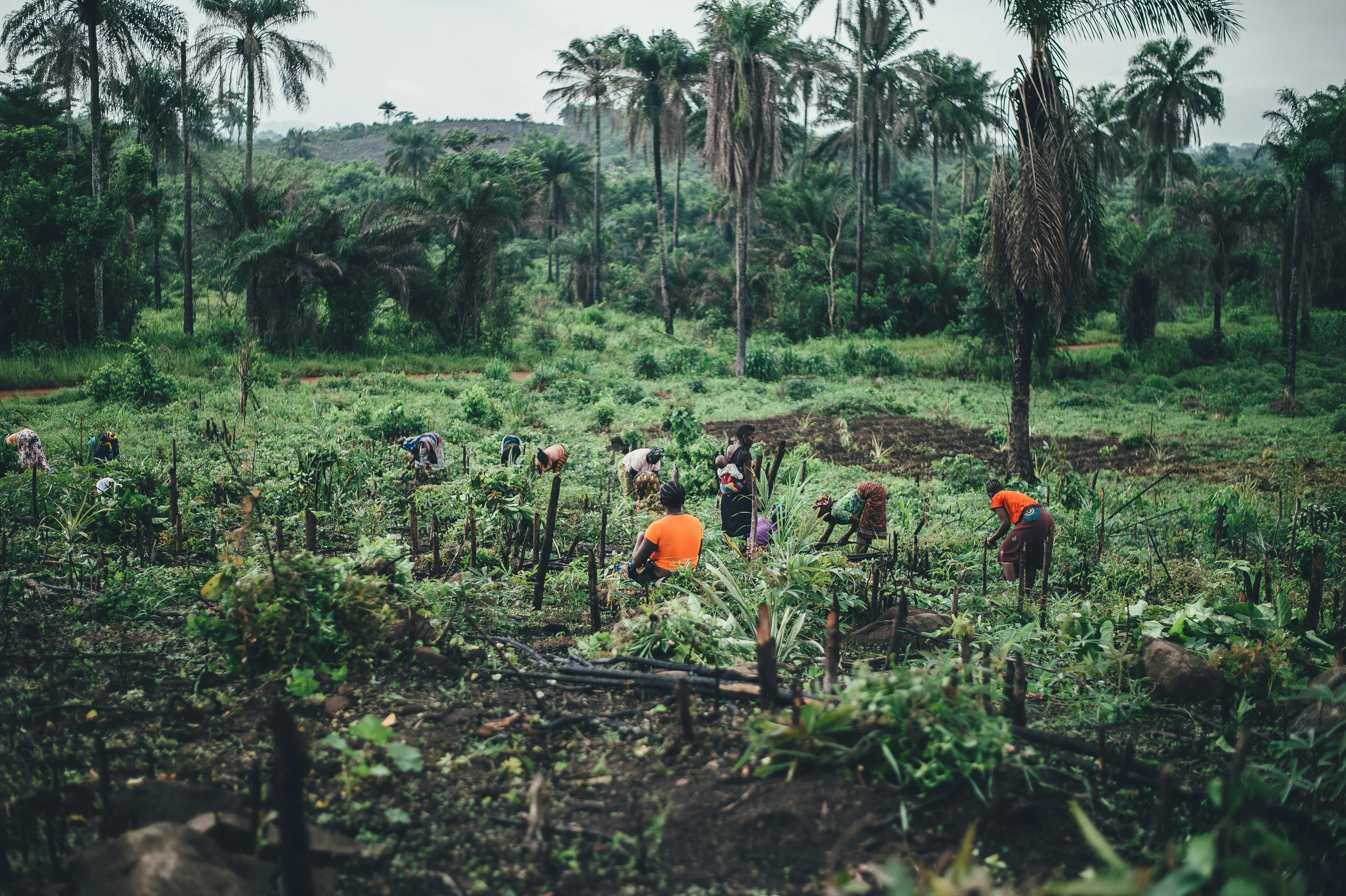
Sierra Leone
Discover an African paradise of pristine beaches bathed by the Atlantic, green mountains, and human warmth that invites you to explore its authentic culture.
Quick Facts
- Capital
- Freetown
- Language
- English
- Krio, Mende, Temne
- Currency
- Leone (SLE)
- Best time to visit
- From November to April, during the dry season.
- Budget per day
- $40 - $125 per day
- Climate
- Tropical climate characterized by high temperatures and humidity, with an intense rainy season from May to October.
- Connectivity
- low
- Easy to acquire at the airport and local phone shops.
- Electricity
- Type G / D (230V)
- Local transport
- limited
- Card usage
- cash is used more
- Tipping
- optional
🌎 Introduction
On the western facade of Africa, where the Atlantic shapes a coastline of varied profiles, extends a territory that breathes at its own pace. Here, the landscape transforms with the passing of the seasons: from the rainy months that tint the earth a deep and vibrant green, to the arrival of the harmattan, that Saharan wind that envelops the environment in a warm and nuanced atmosphere. It is a place where nature manifests itself in a simple way, uniting mountains that seem to watch over the sea with plains that hold the essence of an environment that invites leisurely observation.
The identity of this country is perceived in the everyday life of its markets, where the aroma of peanut stew and local spices mixes with the colorful traditional fabrics. In day-to-day life, deep-rooted customs coexist with a history marked by the meeting of diverse roots, something reflected both in the variety of its languages and in the natural hospitality of its inhabitants. No great artifice is needed to appreciate the richness of its culture, which manifests itself with the same naturalness in community celebrations as in the tranquility of fishing villages at sunset.
Traveling its trails or approaching its urban centers allows one to understand the close relationship of its people with the land and water. It is a mosaic of balanced experiences, where the exuberance of vegetation and the calm of its open spaces offer an honest and direct vision of life in this strip of the continent. In this corner of the world, time seems to pass in another way, allowing every detail, from the sound of local music to the flavors of its home-cooked cuisine, to narrate a part of its identity.
🛡️ General safety
Sierra Leone is a country that has made great progress in terms of stability and peace after overcoming past conflicts. Currently, it is considered a destination with a moderate level of safety, similar to that of many of its West African neighbors. Although it is not a country with extremely high crime rates, the traveler should be aware that tourism infrastructure is still limited and that socioeconomic challenges exist that influence safety.
The general assessment for tourists is one of moderate caution. This means that it is perfectly possible to enjoy a rewarding and safe trip as long as basic behavioral guidelines are followed, isolated areas are avoided at night, and a vigilant attitude is maintained in crowded places. The current context is calm, and the local population is usually extremely hospitable and welcoming to foreign visitors.
Common crime and risks
Most incidents affecting tourists are non-violent and motivated by opportunism. The most frequent risks include:
- Pickpocketing and minor theft: Bag snatching, theft of wallets and mobile phones are common in markets, nightlife areas, and very busy beaches.
- Scams and fraud: Special care should be taken with businesses related to the purchase of diamonds or precious stones on the street; these transactions are usually legal scams or fraudulent. Attempts at overcharging for services not previously agreed upon can also occur.
- Nighttime assaults: Although not the norm, cases of robbery with intimidation have been reported on isolated beach areas after dark, especially on the Freetown peninsula.
- Minor corruption: Occasionally, travelers may encounter requests for “tips” or informal payments from officials at roadblocks or borders. It is recommended to stay calm, be firm, and always request an official receipt.
Safety in cities and tourist areas
Safety varies significantly depending on the location and time of day.
- Freetown: The capital is vibrant and generally safe during the day in central and business areas. However, neighborhoods like Lumley, Aberdeen, and the city center require more attention due to crowds.
- Beaches: The beaches of the Freetown peninsula (such as River Number Two or Bureh Beach) are safe and popular, but it is recommended not to leave valuables unattended while swimming and to leave the area before dark if private transport is not available.
- Rural areas: The interior of the country is usually very quiet, although emergency services are almost non-existent. It is fundamental to respect local authorities (traditional chiefs) if visiting remote villages.
- Practical recommendation: It is advisable to move in groups and use transport services recommended by hotels or official guides.
Transport safety
Transport is one of the points where the traveler must pay more attention due to the state of the infrastructure.
- Driving: In Sierra Leone, you drive on the right. The state of the main roads has improved, but secondary roads are often in poor condition, especially during the rainy season.
- Public transport: Local minibuses (known as poda-podas) and motorcycle taxis (okadas) often travel at excessive speeds with minimal safety measures. Their use is not recommended for tourists due to the high risk of accidents.
- Taxis and private vehicles: The safest option is renting vehicles with a driver through trusted agencies or using taxis recommended by the accommodation. The price should be agreed upon before starting the journey.
- Navigation: To cross from Freetown to Lungi airport, it is recommended to use ferry services or speedboats from recognized companies, avoiding informal boats that may lack life jackets.
Natural and climatic risks
Sierra Leone has a tropical climate that defines the most relevant natural risks in the country:
- Floods and landslides: During the rainy season (from May to October), rainfall can be torrential, causing flash floods and road closures.
- Extreme heat: Temperatures and humidity are high throughout the year, which can cause dehydration or heat stroke if precautions are not taken.
- Harmattan: Between December and February, the Sahara wind can bring dust and haze, reducing visibility and affecting people with respiratory problems.
Legislation and local norms
It is essential to know and respect local laws to avoid compromised situations:
- Documentation: It is mandatory to always carry a copy of your passport and a valid visa. Authorities may request it at any time.
- Photography: It is strictly forbidden to photograph government buildings, military installations, airports, or bridges. Doing so can lead to detention and seizure of equipment.
- Drugs: Penalties for possession, consumption, or trafficking of narcotics are extremely severe, including long prison sentences in very precarious conditions.
- Natural resources: Exporting diamonds or any precious stone without an official government license is illegal and heavily punished.
- Social behavior: Sierra Leone is a conservative society. It is recommended to dress modestly in public areas and avoid excessive public displays of affection.
Safety for specific groups
- Solo female travelers: In general, Sierra Leone is safe for women, but they are likely to receive unwanted attention or persistent proposals. It is recommended to avoid walking alone at night and to dress discreetly to minimize incidents.
- LGTBIQ+ travelers: Male homosexuality is illegal and social acceptance of sexual diversity is very low. Maximum discretion is recommended, avoiding any display of affection in public, as it could lead to legal problems or aggression.
- Children and elderly: The main risk for these groups is the precariousness of the healthcare system. It is essential to have comprehensive travel insurance that includes air evacuation.
Emergencies and assistance
The response capacity of emergency services is limited outside the capital.
- Emergency number: The general number to contact the police is 999.
- Medical assistance: In case of a serious medical emergency, most local centers do not have the necessary means. It is vital to immediately contact travel insurance to manage the transfer to a private clinic in Freetown or evacuation.
- Protocol in case of an incident: If you are a victim of a crime, you must go to the nearest police station to file a report (“police report”), an indispensable document for any subsequent insurance claim or consular procedure.
Tip: Always avoid walking on Freetown’s beaches after sunset, even in areas that seem busy during the day, to prevent possible opportunistic assaults.
📝 Entry requirements
To plan a trip to Sierra Leone, the first aspect to consider is identity documentation. International travelers usually require a passport with a minimum validity of six months from the planned entry date. It is recommended that the document has enough free pages for the immigration control stamps that are applied at access points, whether by air or land.
In most cases, visitors need to manage a tourist visa before starting their journey or through the digital platforms enabled by the immigration authorities. The maximum duration of stay allowed for recreational purposes is usually limited to a period of thirty days, although it is sometimes possible to request extensions once at the destination. It is common that, upon arrival at checkpoints, the presentation of a confirmed onward ticket to the country of origin or a third destination is requested.
Authorities may also require the tourist to demonstrate possession of sufficient economic funds to cover all expenses during their stay. Controls at airports and land borders are usually meticulous, so a cooperative attitude is advised. Regarding customs restrictions, there are clear rules on the import of certain products. It is important to declare personal use medications if they are specific or require a prescription, and to be cautious with the entry of fresh food or high-value objects that are not for obvious personal use.
From a health perspective, a fundamental requirement that is usually requested across the board is the international certificate of vaccination against yellow fever. This document is essential to allow access to the country. Likewise, it is advisable to have prior medical advice to learn about the current health recommendations in tropical environments, including the prevention of endemic diseases and the use of travel insurance with broad coverage.
- Passport: Must have a validity of more than six months.
- Visa: Generally necessary for most nationalities, manageable beforehand or electronically.
- Onward ticket: Usually required as proof of intent to leave the country after the visit.
- Financial solvency: Possible request for proof of financial means for the stay.
- Vaccination: The yellow fever certificate is usually a common administrative requirement.
- Customs: Restrictions on the export of precious stones and minerals, as well as regulations on specific medications.
- Tourist stay: The standard permit usually covers periods of up to one month.
🏥 Basic health considerations
Traveling to Sierra Leone requires you to pay special attention to your health so that you can enjoy the experience without setbacks. You will find a country with limited healthcare infrastructure, especially outside the capital, Freetown. Public health centers often lack basic resources, so if you need assistance, you will most likely end up in a private clinic in the capital, where the care is of better quality but has a high cost. Healthcare staff usually communicate in English, which is the official language of the country, so it will be easy for you to explain what is wrong if you can manage in this language.
Hiring travel medical insurance is not just a recommendation, but something totally essential. You must ensure that your policy includes very broad coverage for hospitalization and, above all, for medical repatriation by medicalized aircraft to other countries with better infrastructure. Medical expenses for foreigners can rise quickly and most centers will demand upfront payment or a guarantee from your insurance before treating you.
Regarding vaccines, the yellow fever vaccine is mandatory for all travelers and you must show the international certificate of vaccination when arriving at the airport. In addition to having your usual vaccination schedule up to date, it is highly advisable to protect yourself against hepatitis A and B, typhoid fever, and tetanus. It is also fundamental to consult with a doctor before departing about preventive treatment for malaria, as this disease is endemic throughout the country and the risk of contracting it is high all year round.
If you follow any specific treatment, it is vital that you carry all necessary personal medication for the total duration of the trip. Local pharmacies may not have the exact medicine you use or you could find products of doubtful quality. We advise you to always carry the medical prescription translated into English and a certificate from your doctor explaining your condition. There are no severe legal restrictions for common medications, but it is always better to carry them in their original packaging.
The main health risks are related to the tropical climate. Intense heat and humidity can cause dehydration or heat stroke if you do not take care. The greatest danger comes from mosquito bites, which in addition to malaria, can transmit other viruses. You will not find altitude problems, but you must protect your skin well from the sun. It is important to clarify that, although the country has gone through serious health crises in the past, currently there are no active outbreaks that prevent tourism, provided you follow logical precautions.
Water safety is a critical point. Never drink tap water or use it to brush your teeth; always opt for bottled water and make sure the seal is intact. Avoid ice in drinks and be cautious with street food. Ideally, you should consume food that has been well cooked and served hot, and peel fruits yourself. Hygiene in local establishments can be basic, so carrying a hand sanitizer gel in your backpack will get you out of many troubles.
In case of a serious emergency, the general telephone number is 117, although the efficiency of public ambulances is very low and traffic in cities can greatly delay the arrival of help. The most practical thing is to have the emergency contact number of your insurance at hand and that of the main private clinics in Freetown, as they usually manage their own transfers much more quickly and effectively.
As final recommendations for your stay, try to dress in light clothing that covers most of your body at dawn and dusk to avoid bites. Always use insect repellent with a high concentration of DEET and sleep under a mosquito net if the accommodation does not have air conditioning. With these precautions and a bit of common sense, your trip through the lands of Sierra Leone will be a safe and memorable adventure.
🚌 Transport within the country
Moving around Sierra Leone involves adapting to a different rhythm, where road transport is the main axis of travel. Since there is no railway or metro network in the country, travelers depend fundamentally on motorized vehicles and, on specific occasions, water travel. The ferry or speedboats are fundamental for connecting the international airport with the capital, offering a necessary transition between the coast and the urban center.
For long-distance journeys between the main towns, buses and conditioned vans are the most common options for visitors. Although English is the official language and this considerably facilitates communication, signage at stations and routes is not always abundant or clear. Ticket purchases are usually made in person at the departure points, so direct interaction with local staff is the most common way to obtain information about available routes.
The urban environment presents a very different dynamic than that of rural areas. While in the cities traffic can be dense and movement constant, in the interior of the country infrastructures are more basic and journeys can lengthen due to the state of the terrain. In urban centers, taxis and motorcycles are very frequent means of transport that allow for quick travel, although it is common for them to be shared with other passengers during the journey.
In terms of comfort and reliability, it is important to keep in mind that schedules are often flexible and subject to weather conditions or road conditions. Vehicles intended for public transport do not always offer high levels of comfort, so travel requires a certain capacity for adaptation from the tourist. Punctuality is not a guaranteed characteristic, and it is preferable to organize days with a wide time margin.
Tip: It is advisable to plan transfers with sufficient time, always prioritizing travel during daylight hours to enjoy greater visibility and peace of mind on the route.
🤵 Culture and etiquette
Social interaction in Sierra Leone is based on cordiality and the recognition of others. The greeting is not a mere formality, but an essential ritual for starting any conversation or transaction. It is common to dedicate a few moments to asking about personal and family well-being before getting down to business. When greeting, the right hand is generally used, as there is a custom of reserving the left hand for personal hygiene tasks, so using it to shake hands, hand over an object, or eat is considered inappropriate.
Respect for hierarchy and age is a central pillar of coexistence. Elders and people in positions of authority enjoy special consideration, and it is advisable to address them with deference. In rural contexts, the figure of the local chief is of utmost importance, and showing courtesy toward their position facilitates integration into the community. In general, interpersonal treatment is kind and measured, with patience and maintaining a moderate tone of voice in public spaces being highly valued, avoiding direct confrontations or excessively noisy behavior.
Regarding the perception of time, punctuality is usually flexible in social contexts. The pace of life can be slower than what an international traveler is used to, so adopting a flexible attitude toward possible delays in transport or services helps to better integrate into the local dynamic. On the other hand, public displays of affection are not common and are usually reserved for the private sphere, maintaining a discreet conduct in common spaces.
Hospitality is a deeply rooted value and it is common for visitors to be invited to share food or drink. If visiting a home, it is customary to wash your hands before eating, especially if traditional dishes consumed with the fingers are to be tasted. Regarding tipping, although there is no rigid rule, tips are well received in the service sector as a gesture of gratitude for good treatment. Likewise, before taking photographs of people or their properties, it is essential to ask permission, demonstrating respect for individual privacy and dignity.
Clothing plays a relevant role in social perception, with it being preferable to opt for a neat and modest style, especially when visiting places of worship or traditional communities. Since Sierra Leone is a country where diverse religious beliefs coexist harmoniously, observing the norms of decorum of each place, such as covering the shoulders or removing footwear if requested, is a sign of consideration for cultural diversity and local traditions.
“Tip”: Always prioritize using your right hand to greet, give money, or accept gifts, as it is a simple gesture that demonstrates deep knowledge and respect for local courtesy rules.
🍛 Typical gastronomy
The gastronomy of Sierra Leone is based on natural and simple ingredients, where rice is the undisputed protagonist of the table. For local inhabitants, a meal is not considered complete if it does not include this cereal. Rice is usually served in large portions and is accompanied by a wide variety of sauces and stews made with vegetable bases, palm oil, or peanut oil, which gives the dishes an unctuous texture and characteristic reddish or green colors.
The flavors of the region are defined by the generous use of herbs and spices, with a prominent role for ginger and chili, which provide a moderate spicy touch. In coastal areas and in the capital, fresh fish and seafood are essential components, while in the interior, poultry or goat meat is used more. Additionally, cassava is a fundamental resource, utilized both for its root for frying and flours and its leaves to make nutritious stews.
In the social aspect, eating is an act of coexistence. It is common to find street food stalls in markets offering fried snacks at any time of day. In more traditional contexts, the custom of sharing a common dish is maintained, and although cutlery is used in restaurants, in local settings it is usually eaten with the right hand. Meal times are often flexible, although lunch tends to be the main time to enjoy the most substantial dishes.
Regarding drinks, natural options are very popular due to the tropical climate. Artisanal ginger beer stands out, known for its intense flavor, as well as fresh fruit juices like mango or pineapple. In many communities, the consumption of palm wine, a naturally fermented drink, is traditional. In urban area restaurants, the atmosphere is usually relaxed, inviting a leisurely after-dinner conversation to avoid the hottest hours.
| Dish | Description | Main ingredients | Where to try it | Tip |
|---|---|---|---|---|
| Cassava Leaves | The most emblematic stew, with a dark green appearance and earthy flavor. | Cassava leaves, palm oil, fish or meat, and rice. | Local restaurants and eating houses in Freetown. | Mix it well with the rice to soften the intensity of the leaf. |
| Groundnut Stew | A creamy and satiating stew with a mild nutty flavor. | Ground peanuts, meat (chicken or beef), tomato, and onion. | Traditional diners in cities like Bo or Kenema. | It is ideal for those who prefer less spicy flavors. |
| Jollof Rice | Local version of this spiced rice, very popular at celebrations. | Rice, tomato puree, peppers, onion, and spices. | Social events, hotels, and coastal restaurants. | It is usually accompanied by fried plantain to balance the flavor. |
| Pepper Soup | A light but very spiced and hot broth usually eaten hot. | Fish or goat meat, chilies, and local spices. | Stalls in beach areas and urban markets. | Have water or rice ready, as the spice level can be high. |
| Fry Fry | A set of fried foods typically sold as fast food. | Fried cassava, sweet potato, bean fritters, and local bread. | Street stalls in markets and transport stations. | It is the perfect snack to try different root textures. |
📷 Zones and places to visit
Sierra Leone presents itself as a destination of great contrasts where jungle nature melts with profound history and an Atlantic coast of great beauty. The gateway is usually its capital, Freetown, a vibrant city situated on a mountainous peninsula. In the heart of the city stands the Cotton Tree, a centuries-old tree that symbolizes freedom and the arrival of former slaves. Walking through its streets allows one to observe a mix of colonial wooden architecture and more modern buildings, while the National Museum of Sierra Leone offers a detailed view of local traditions and the country’s cultural heritage through masks and historical objects.
A short distance from the capital, the Western Area Peninsula is home to some of the quietest beaches in West Africa. Places like River No. 2, Bureh Beach, or Tokeh are known for their fine sand and clear waters, surrounded by hills covered in dense vegetation. In these areas, visitors usually enjoy activities such as surfing, canoe trips through the mangroves, or simply tasting local gastronomy based on seafood in small coastal settlements that maintain a leisurely pace of life.
For those seeking a connection with more solemn history, a visit to Bunce Island is essential. Located on the Sierra Leone River, this island preserves the ruins of an old commercial castle that was a key point on the transatlantic route. The site remains as an open-air monument that allows for reflection on the region’s past in a natural environment that is now silent and covered in vegetation. It is an excursion usually made by boat from Freetown, offering a different perspective of the coastline.
Biodiversity is another of the country’s great pillars. The Tacugama Chimpanzee Sanctuary, located in the hills near the capital, plays a fundamental role in the protection of this species. On the other hand, towards the interior, the Tiwai Island Wildlife Sanctuary represents one of the richest ecosystems, where it is possible to take walking or boat tours to observe pygmy hippos and a wide variety of primates and exotic birds. The landscape here changes towards a closed tropical rainforest, far from the urban bustle.
In the north, Outamba-Kilimi National Park offers a different experience with its savanna plains and quiet rivers. It is an ideal area for spotting elephants and migratory birds, in addition to allowing canoe trips that show the wildest and less-traveled facet of the territory. The contrast between these rural areas and regional centers like Bo or Kenema allows one to understand the importance of agriculture and traditional markets in the daily life of the population.
The Banana Islands, a small archipelago south of the Freetown peninsula, invite exploration of island life. On Dublin and Ricketts, the two main islands, remains of old colonial settlements and trails that cross dense forests can be found. It is a valued place for snorkeling and fishing, maintaining an atmosphere of isolation that contrasts with the energy of the more populated areas of the country.
“Tip”: You cannot leave without visiting Bunce Island, the most emblematic place in the country.
✈️ Best time to travel
Sierra Leone has a tropical climate that divides the year mainly into two periods: the dry season and the rainy season. For most travelers, the most favorable time to visit the country is during the dry season months, when temperatures are warm and the lack of precipitation facilitates access to white sand beaches and national parks. During this time, visibility is optimal and secondary roads, which connect rural areas and nature reserves, are in better condition for travel.
However, those who prefer intense green landscapes and bird watching may find the transition to the rainy season attractive. Although humidity levels increase and rainfall can be very intense in certain months, this period offers a different perspective of the local flora and allows for observing the power of waterfalls and rivers in their maximum splendor. The choice will therefore depend on whether one seeks coastal tourism and hiking or an experience more focused on exuberant nature and the tranquility offered by the low season.
| Season | Months | Typical weather | What to expect | Tourist influx |
|---|---|---|---|---|
| Spring | Mar – May | Hot and humid; beginning of the first rains. | Rising temperatures and clear skies alternating with occasional showers. | Medium ⭐⭐ |
| Summer | Jun – Aug | Intense rainfall and high humidity. | Very green landscapes, full rivers, and a fresh atmosphere after the rains. | Low ⭐ |
| Autumn | Sep – Nov | Transition to dry climate; moderate humidity. | Gradual decrease in rains and improvement of conditions on rural roads. | Medium ⭐⭐ |
| Winter | Dec – Feb | Dry and sunny; presence of the Harmattan wind. | Clear days ideal for beaches and wildlife observation in national parks. | High ⭐⭐⭐ |
🗣️ Basic vocabulary
Although English is the official language of Sierra Leone, in everyday life the most widespread language is Krio, an English-based creole used by the vast majority of the population. Knowing some basic expressions in this language will allow you to move more easily in markets, transport, or everyday situations, facilitating understanding with local inhabitants.
It is not about mastering the language, but about having practical tools to greet, say thank you, or ask prices. Sierra Leoneans usually appreciate it when visitors make the effort to use these simple words, which helps create a closer and more fluid atmosphere during the trip.
- Kushio: Hello or welcome.
- Tenki: Thank you.
- How body?: How are you?
- I de fine: I am fine (response to the previous question).
- Do-ya: Please.
- O mɔs?: How much does it cost?
- Padi: Friend or companion.