


Italy
A destination that combines ancient historical heritage, exquisite gastronomy, and varied landscapes, offering an incomparable cultural experience from the Alps to the Mediterranean Sea.
Quick Facts
- Capital
- Rome
- Language
- Italian
- German, French, and Slovenian
- Currency
- Euro (€)
- Best time to visit
- Spring (April to June) and autumn (September to October) for its pleasant climate.
- Budget per day
- $70 - $250 per day
- Climate
- Predominant Mediterranean climate with hot summers and mild winters, becoming continental and colder towards the north of the country.
- Connectivity
- good
- Very easy to obtain at airports, telephone stores, and through eSIM options.
- Electricity
- Type C / F / L (230V)
- Local transport
- good
- Card usage
- very widespread
- Tipping
- optional
🌎 Introduction
Traveling through these lands is to encounter a geography that changes with every step, from the snow-capped peaks of the north to the sun-drenched Mediterranean coasts. It is a place where the rhythm is set by the seasons, with winters smelling of roasted chestnuts and summers that linger on terraces. Daily life is naturally intertwined with a historical legacy that appears on any corner, whether in a small village square or in the heart of its best-known cities.
Gastronomy, based on respect for local products and recipes passed down through generations, accompanies family gatherings and brief breaks over a coffee. Here, culture is not limited to closed spaces; it is breathed in the bustle of the markets, in the care of the vineyards, and in the festivities that bring neighbors together every year to celebrate their roots.
Each region preserves its own identity, with landscapes and customs that shape a diverse and balanced mosaic. Walking through olive groves, looking out at the tranquility of its canals, or simply observing the bustle of any given afternoon allows one to understand a way of life that values details and hospitality. It is, in essence, a territory that unfolds naturally, appreciating the simplicity of its traditions and the variety of its natural environment.
🛡️ General safety
Italy is generally considered a very safe country for international travelers. The level of safety is high, placing it in line with other countries in southern and central Europe. Tourists can explore its cities and landscapes with peace of mind, provided that basic common-sense rules are followed that would apply in any high-traffic global destination.
General safety level
- Italy’s overall rating in terms of safety is very positive. It is a modern country with a consolidated security infrastructure and a strong police presence on the streets, especially in areas of greatest cultural interest.
- Compared to other global destinations, the risk of serious incidents is low. The country does not present internal conflicts or public safety risks that should exceptionally worry the visitor.
- The context for the traveler is one of tranquility, allowing for family, couple, or solo tourism at almost any time of day in tourist and residential areas.
Crime and common risks
- The most common crime affecting tourists is petty theft or the stealing of wallets and belongings due to oversight. These incidents usually occur in places with large crowds of people.
- It is recommended to exercise extreme caution around major historical monuments, train stations (such as Termini in Rome or Centrale in Milan), and on crowded public transport lines.
- There are some common scams directed at tourists, such as people offering “gifts” (bracelets, flowers) and then demanding payment, or individuals offering to help with luggage or purchasing tickets at automatic machines in order to obtain a tip or steal money.
- Theft from inside rental vehicles can occur if valuables are left in plain sight, especially in unguarded parking lots or highway rest areas.
Safety in cities and tourist areas
- The urban centers and tourist neighborhoods of cities like Rome, Florence, Venice, and Milan are safe and have constant patrols by the State Police and the Carabinieri.
- In some large cities, certain peripheral areas or areas near main railway stations may be less pleasant at night, although they are not necessarily dangerous if a vigilant attitude is maintained.
- To move with total peace of mind, it is advised to carry backpacks or bags in front in high-traffic areas and avoid showing large amounts of cash in public.
Safety in transport
- Public transport (metro, bus, and tram) is safe and efficient. The main risk remains the presence of pickpockets during peak hours.
- Regarding taxis, it is essential to always use official vehicles (usually white, with a taximeter and visible license). It is recommended to avoid people offering private transport informally at airports or stations.
- In Italy, they drive on the right. Driving in large cities can be intense and somewhat chaotic for those not used to Mediterranean traffic.
- It is very important to pay attention to ZTL (Zona di Traffico Limitato). These are areas of the historical center where only authorized vehicles can circulate; entering them without permission carries high automatic fines managed through cameras.
Natural and climatic risks
- Italy is a country with seismic activity in various regions, especially in the Apennines and the south. Although major earthquakes are not frequent, it is a geological factor present in the country.
- During the summer, extreme heat waves are common, with temperatures that can exceed 40°C in the center and south of the country. Constant hydration and avoiding direct sun exposure during the middle hours of the day are recommended.
- In Venice, the Acqua Alta phenomenon (partial flooding due to high tides) occasionally occurs, mainly in autumn and winter. The city is prepared with walkways and warning systems for citizens and tourists.
- There are active volcanoes in the south (Etna and Stromboli). Although they are popular tourist destinations, local signage and instructions from official guides should always be followed in the event of possible increases in activity.
Local legislation and norms
- Italy applies strict regulations for the protection of its heritage. It is forbidden to bathe in historical fountains, sit on specific monumental staircases (such as the Spanish Steps in Rome), or eat and drink in the vicinity of certain protected monuments. Failure to comply can result in immediate fines.
- Alcohol consumption in public areas may be restricted in certain cities after certain hours of the night, especially in summer.
- It is mandatory to always carry a valid identity document (passport or ID depending on nationality) as authorities may request it at any time.
Safety for specific groups
- Female travelers: Italy is a very safe destination for women traveling alone. There are no cultural restrictions or specific risks beyond the usual precautions taken in any European country.
- LGTBIQ+ travelers: The country is generally respectful and open, especially in large cities and tourist areas. Although there are more conservative areas in rural settings, there are usually no safety problems for this group.
- Traveling with children and the elderly: Italy is a very family-oriented culture. Children are welcome in almost all establishments. For the elderly, the main challenge may be the cobblestones of historical streets and high temperatures in summer.
Emergencies and assistance
- The single emergency number in Italy (and in the European Union) is 112. Through this number, you can contact the police, ambulances, and firefighters.
- The police in Italy are mainly divided into the Polizia di Stato and the Carabinieri. Both bodies are professional and accustomed to dealing with tourists.
- In case of theft or loss of documents, it is necessary to go to a police station (Questura) to file a report (denuncia), which will be essential for managing new documents at the consulate or for travel insurance claims.
Tip: Always use official machines or mobile applications to buy transport tickets and never accept help from strangers who approach you at stations, as they usually look for a tip or a moment of distraction to steal your belongings.
📝 Entry requirements
To visit Italy, it is essential to have a valid passport. The validity of this document is usually required for a period that extends some months beyond the planned date of departure from the territory, thus ensuring that the documentation is accepted without inconvenience by immigration authorities when entering the country through any of its borders.
Regarding residence permits, a large number of international travelers can access the territory for leisure purposes without the need to manage a prior visa. Generally, these types of temporary stays allow a maximum stay of up to ninety days within a determined period, which is usually sufficient to visit the nation’s main tourist attractions in a relaxed and complete manner.
When crossing the border at airports or land entry points, control personnel may request the presentation of a return ticket or departure ticket to a third destination to verify the intention of temporality. Likewise, it is recommended to have vouchers proving the possession of sufficient economic means to cover expenses during the stay, as well as a duly documented accommodation confirmation or a contact reference at the destination.
Regarding customs restrictions, travelers should take into account that there are limits for the introduction of certain products in personal luggage. It is common for controls to be carried out on the transport of high quantities of tobacco or alcoholic beverages, as well as certain fresh foods of animal or vegetable origin. For those who need to transport medications, it is advisable to carry the medical prescription or a descriptive report to facilitate any routine inspection of personal items by agents.
From a health point of view, specific vaccines are not usually required to enter the country, although it is recommended to be up to date with the standard international vaccination schedule. Having travel insurance that offers broad coverage is a suggested practice to ensure peace of mind in the event of any medical or logistical unforeseen events during the journey through the different Italian regions.
- Main documentation: Passport with a recommended minimum validity of at least three to six months.
- Stay visa: Generally not required for short-term tourist stays for a wide list of countries.
- Length of stay: Suggested maximum stay period of ninety days for leisure activities.
- Proof of departure: Possible requirement to show a transport ticket confirming the abandonment of the territory.
- Financial resources: Recommendation to carry proof of economic solvency for personal maintenance.
- Health and prevention: Absence of mandatory vaccines, although private medical coverage is suggested.
- Luggage items: Control over perishable products, non-prescription drugs, and goods subject to special taxes.
General tourist information about Italy
The country is divided into regions with very marked identities, offering everything from alpine landscapes in the north to Mediterranean coasts in the south. The artistic and archaeological heritage is one of the most extensive in the world, allowing for thematic itineraries based on ancient history, Renaissance art, or contemporary architecture.
- Rome: Historical capital that stands out for its Roman sites and its religious and cultural importance.
- Florence: Epicenter of art where some of the most relevant galleries and museums on the continent are located.
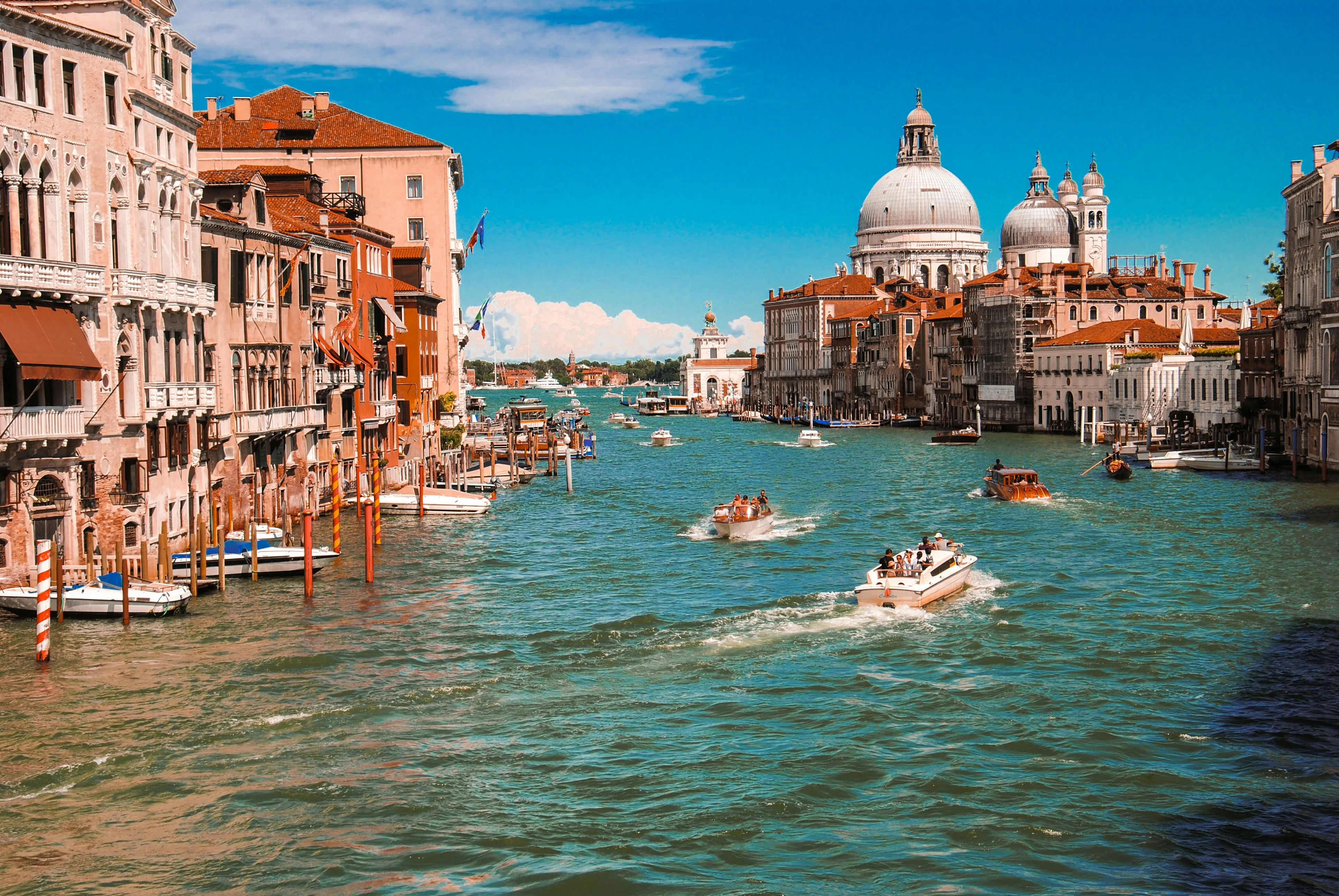
- Venice: Unique city characterized by its canal system and its historical architecture over water.
- Milan: Reference in the field of fashion, design, and finance, with a prominent range of services.
Gastronomy is another pillar of tourism in this destination. It is based on the use of local ingredients and traditional recipes that vary according to geography. Respect for seasonal products and designation of origin are elements that visitors usually value positively during their stay.
- Northern gastronomy: Frequent use of rice, butters, and cured cheeses.
- Central gastronomy: Highlights meats, legumes, and the widespread use of virgin olive oil.
- Southern gastronomy: Predominance of dried pasta, fresh fish, and Mediterranean vegetables.
The climate varies according to the geographic area, with cold winters in mountainous areas and hot, dry summers in coastal areas. Intermediate seasons, such as spring and autumn, usually offer pleasant temperatures for walking tours through the historical centers of the main cities. The railway transport system facilitates movement between the most important urban centers efficiently.
🏥 Basic health considerations
Italy has a high-quality health system that ranks among the best in the world. As a traveler, you will see that medical care is divided between the public and private sectors. While the public network is extensive and efficient, international visitors who do not have specific agreements usually have to pay for the services received, so prices can be high if you do not have the necessary coverage. You will find that in the most touristy areas, staff usually speak English, although in local or rural health centers, the use of Italian will predominate.
Although it is not a legal requirement to enter the country, taking out travel medical insurance is something I totally recommend to enjoy your stay with serenity. It is advisable that your policy includes broad coverage for hospitalization, medical transfers, and repatriation. This way, in the event of any small mishap, you can go to medical centers without worrying about the costs derived from the assistance.
Regarding vaccines, there are no mandatory requirements to enter Italian territory. To move with peace of mind through its cities and regions, it will be enough to be up to date with your usual vaccination schedule. There is no presence of endemic diseases that require special preventive treatments before starting your trip.
If you need to bring your own medication, the ideal thing is to transport it in its original packaging and accompanied by a copy of the medical prescription or a report from your doctor, especially if it is for treatments for chronic diseases. You will find pharmacies easily in any corner of the country, identifiable by a luminous green cross. In them, you can buy basic products, although for many specific medications, they will mandatorily ask for a medical prescription signed by a registered professional.
Regarding common health risks, the main factor to take into account is the climate. During the summer months, the heat can become very stifling in inland and southern cities, so you should pay attention to hydration to avoid heat stroke. If you plan to go hiking in mountain areas or forested rural areas, it is advisable to use repellent to avoid insect or tick bites. There are no significant risks related to altitude or tropical diseases.
Regarding water and food, you can be very calm because tap water is potable in practically the entire country. In cities like Rome, you will find a multitude of public fountains, known as nasoni, where you can drink fresh water for free. Food hygiene standards in restaurants and shops are very high, so you can try the local gastronomy and street food with total confidence.
In case you find yourself in a health emergency situation, the number you should dial is 118, which is the specific number for medical emergencies, or 112, which functions as a general emergency number. The ambulance service and hospital emergency care are well organized and respond quickly to critical situations.
As final practical recommendations, I suggest you always carry a copy of your insurance policy and the contact details of the insurer with you. If you travel during the summer season, try to wear light clothing and a refillable water bottle. If you need a pharmacy outside of business hours, you will see that at the entrance of any establishment there is usually a list of the nearest on-duty pharmacies that remain open during the night or holidays.
🚌 Transport within the country
Moving around Italy is simple thanks to an infrastructure that effectively connects the main points of interest. The train is the most used means by travelers to move between cities, as stations are usually located in urban centers, making arrival very easy. In addition to the railway, internal flights allow for covering long distances quickly, while ferries are essential for accessing islands or touring certain coastal areas.
In large cities, visitors have metro, tram, and bus networks. Signage is usually clear and designed for the visitor, facilitating orientation in stations. The process of buying tickets is simple and is usually done at automatic machines or authorized points of sale. However, there is a notable difference with rural areas, where public transport is less frequent and a rental car is the most practical option for exploring freely.
Taxis and other private transport services are available mainly in urban environments, stations, and airports. These services operate under general regulations and are a direct alternative for short journeys or when traveling with a lot of luggage. Generally speaking, the transport system offers a comfortable and reliable experience, although it is advisable to foresee possible variations in punctuality, especially in regional services or during peak tourist periods.
“Tip”: It is essential to validate the ticket in the machines intended for that purpose before boarding the transport or right at the beginning of the journey to ensure the trip is correct.
🤵 Culture and etiquette
Social interaction in Italy is governed by a sense of courtesy and an initial formality that facilitates coexistence in public spaces. It is common to use specific greetings like “buongiorno” or “buonasera” when entering shops, cafes, or restaurants, even if there is no prior relationship with the interlocutor. The concept of “bella figura” is a fundamental pillar of daily life; this term refers not only to aesthetics or context-appropriate dress but also to maintaining polite, dignified, and respectful behavior at all times, avoiding situations that could be strident or out of place.
In interpersonal relations, communication is usually expressive, and body language plays a leading role in emphasizing messages. Physical contact, such as handshakes when introducing oneself or gestures of closeness between acquaintances, is a common practice that denotes warmth. Regarding punctuality, there is a tendency toward flexibility in social and informal settings, allowing for a more relaxed transition between activities, although greater precision is expected in the professional sphere and in the use of transport. The voice volume in public spaces can be high in relaxed contexts, reflecting the sociable and dynamic character of its inhabitants.
Gastronomic culture is a central aspect of local identity, where meals are considered moments of social gathering enjoyed without haste. In restaurants, it is common to find a charge on the bill called “coperto”, which covers table service, bread, and cutlery, so tips are not mandatory, although they are valued positively as a gesture of satisfaction for the service received. In cafes, it is common to consume coffee standing directly at the bar, a quick and efficient custom that differs from the slower pace followed when choosing to sit at a table.
It is of utmost importance to show special respect when visiting places of worship and historical monuments. In churches and cathedrals, clothing that covers shoulders and knees is required as a sign of deference, always maintaining a low tone of voice so as not to interfere with religious activities. Similarly, during traditional festivities and local processions, it is recommended to maintain a discreet observation attitude. Respect for the elderly and recognition of social hierarchies in formal situations are deep-rooted values that contribute to a natural integration into the environment.
Tip: When visiting basilicas or cathedrals of great historical importance, always try to carry a scarf or light garment in your hand luggage to cover yourself properly, as access staff are usually strict with respectful dress codes.
🍛 Typical gastronomy
Italian gastronomy is globally recognized for its focus on the quality of raw materials and simplicity in preparation. More than a single recipe, it is a sum of regional traditions where local and seasonal products are the absolute protagonists. The use of extra virgin olive oil, high-quality wheat flours, tomato in various textures, and a wide variety of cheeses and cured meats define the essence of its kitchens.
Eating habits in the country follow a particular and unhurried order. Breakfast is usually light, while lunch and dinner are considered fundamental social moments. A traditional full meal is usually structured in several stages: the antipasto (various appetizers), the primo piatto (usually pasta, rice, or soup), the secondo piatto (meat or fish) with its contorno (vegetable side dish), and finally, dessert or fruit. It is not mandatory to order all the steps at every visit, but it is the sequence that marks etiquette in celebrations and traditional restaurants.
Regarding table customs, coffee plays a central role, although there is an implicit social norm: cappuccino is reserved almost exclusively for breakfast, while after a meal the preferred choice is espresso. Mineral water, whether still or sparkling, and regional wine are the beverages that most frequently accompany the dishes. It is also common to practice the aperitivo in the late afternoon, a moment of socializing where small portions of food are served with the drink before dinner.
It is useful to know that meal times are usually regular, with lunch served between 12:30 and 14:30 and dinner from 19:30 or 20:00. When receiving the bill in an establishment, it is common to find a small charge for the coperto, a standard concept that includes table service and bread. This system is a deep-rooted practice that allows enjoying the stay without the obligation of calculating additional tips.
| Dish | Description | Main ingredients | Where to try it | Tip |
|---|---|---|---|---|
| Pizza Margherita | The most iconic variant of traditional pizza, with a thin crust and airy edges. | Tomato, mozzarella, fresh basil, and olive oil. | Naples, in pizzerias with a wood-fired oven. | Consume it fresh from the oven to appreciate the texture of the dough. |
| Risotto alla milanese | Rice of creamy consistency and characteristic golden color. | Rice (carnaroli or arborio type), saffron, broth, and parmesan cheese. | Milan and the Lombardy region, in osterias. | Ideal as a main dish or accompanying a meat stew. |
| Pasta alla Carbonara | Long pasta recipe with a very creamy emulsified sauce without using cream. | Guanciale (cured pork), egg yolks, pecorino romano cheese, and pepper. | Rome, in traditional trattorias in the center. | The authentic recipe does not use cream; the creaminess comes from the technique with the egg. |
| Lasagna alla bolognese | Layers of pasta alternating with layers of meat sauce and white cream. | Egg pasta, meat ragu, béchamel, and parmesan cheese. | Bologna and the Emilia-Romagna region. | It is a very nutritious dish, perfect for months with cooler temperatures. |
| Gelato | Artisanal ice cream with a dense, creamy texture and intense flavor. | Milk, sugar, and natural ingredients (fruits, nuts, or chocolate). | Artisanal ice cream parlors in any city in the country. | Look for places where the product is kept in metal containers with lids. |
📷 Areas and places to visit
Italy is a territory that stands out for its geographical and cultural diversity, offering a journey that spans from alpine peaks to Mediterranean coasts. In the north, cities like Milan combine the avant-garde of design and fashion with historical landmarks like its Gothic cathedral. Nearby, the northern lakes region, with enclaves like Lake Como, offers a tranquil environment surrounded by mountains and historical villas. For those who prefer direct contact with nature, the Dolomites offer hiking routes and protected alpine landscapes that change drastically according to the season.
The uniqueness of Venice is another fundamental point in the northeast of the country. Its canals and squares, such as St. Mark’s, allow for understanding a unique urbanism in the world, where water transport defines the pace of life. In this area, the visitor can learn about the glass tradition in the nearby islands or explore the palaces that reflect the former commercial power of the region. The contrast is evident when descending toward the Po plain, where industrial heritage coexists with historical centers of great relevance.
In the heart of the country lies Tuscany, a region that balances rural landscapes of hills and vineyards with urban centers of high artistic density. Florence acts as the central axis, housing renowned institutions such as the Uffizi Gallery or the Accademia Gallery, where fundamental Renaissance works are preserved. Other nearby towns preserve medieval walls and towers that allow for an understanding of the social and architectural organization of past centuries, offering a relaxed perspective on life in the Italian countryside.
The city of Rome presents itself as an open-air museum where different periods of history overlap visibly. Walking through its streets means encountering remains of the Roman Empire, such as the Forum or ancient temples, alongside Renaissance palaces and Baroque fountains. The presence of the Vatican City adds a significant cultural and religious dimension, with the Vatican Museums and St. Peter’s Basilica as points of interest for those looking to delve deeper into the history of art and sacred architecture.
To the south, the environment becomes more rugged and the pace of life changes. Naples stands out for its vitality and its proximity to archaeological sites of great importance, such as Pompeii and Herculaneum, which offer a direct window into everyday life in antiquity. The Amalfi Coast, with its towns built on cliffs facing the Tyrrhenian Sea, is representative of Mediterranean coastal architecture, characterized by its colors and paths that connect small bays.
Finally, the islands of Sicily and Sardinia bring their own identity to the country as a whole. In Sicily, the heritage of Greek, Roman, and Norman civilizations is manifested in its ancient temples and theaters, as well as in its gastronomy and local traditions. For its part, Sardinia is recognized for its preserved natural landscapes and its beaches with clear waters, along with prehistoric structures that are testimony to the first settlements in the area. Both islands offer a marked contrast with the northern regions, completing a map of great cultural richness.
Tip: You cannot miss visiting the Colosseum, the most emblematic place in the country.
✈️ Best time to travel
Italy is a destination that offers diverse experiences throughout the year, adapting to different traveler profiles. Generally, transition periods, such as spring and early autumn, are considered the most balanced times to visit the country. During these months, the weather is usually mild in most of the territory, which facilitates both tours through the historical centers of cities and excursions in natural environments.
The summer stands out for its vibrant atmosphere and sunny days, conducive to coastal tourism and nautical activities, while the winter transforms the landscape, especially in the northern regions and mountain areas. Each season brings a different nuance to local gastronomy, traditional festivities, and the pace of life of its inhabitants, allowing the trip to adjust to the climatic and cultural preferences of each visitor.
| Season | Months | Typical weather | What to expect | Tourist crowds |
|---|---|---|---|---|
| Spring | Mar – May | Mild temperatures (15-22 °C) with occasional rains. | Flowery landscapes, lengthening days, and Holy Week festivities. | ⭐⭐⭐ (Medium / High) |
| Summer | Jun – Aug | High temperatures and dry climate, especially in the south. | Beach season, outdoor music festivals, and a lively night atmosphere. | ⭐⭐⭐⭐⭐ (Very high) |
| Autumn | Sep – Nov | Gradual drop in temperatures and increase in rains toward November. | Harvest season, gastronomic fairs of local products, and ochre colors in the countryside. | ⭐⭐⭐ (Medium) |
| Winter | Dec – Feb | Moderate cold in the center-south and frequent snow in the north and mountains. | Christmas markets, snow sports in the Alps, and less crowded museums. | ⭐⭐ (Low / Medium) |
🗣️ Basic vocabulary
Although it is common to find people who speak English or even some Spanish in the more touristy areas of Italy, knowing some basic words and phrases in Italian greatly facilitates daily communication. Using simple expressions of courtesy helps interactions be more fluid and pleasant when moving around the country, whether in a restaurant, a shop, or when asking for a direction.
These words will help you handle everyday situations quickly and practically. It is not necessary to master the language, but showing a little interest in the local tongue is usually well received and helps resolve small travel needs with greater ease.
- Buongiorno: Good morning (generally used until after midday).
- Per favore: Please.
- Grazie: Thank you.
- Prego: You’re welcome (also frequently used to say “come in” or “tell me”).
- Mi scusi: Excuse me or sorry (polite way to address someone or ask to pass).
- Dov’è…?: Where is…? (followed by the place you are looking for, such as a street or a monument).
- Il conto, per favore: The bill, please.
- Arrivederci: Goodbye or see you later.