


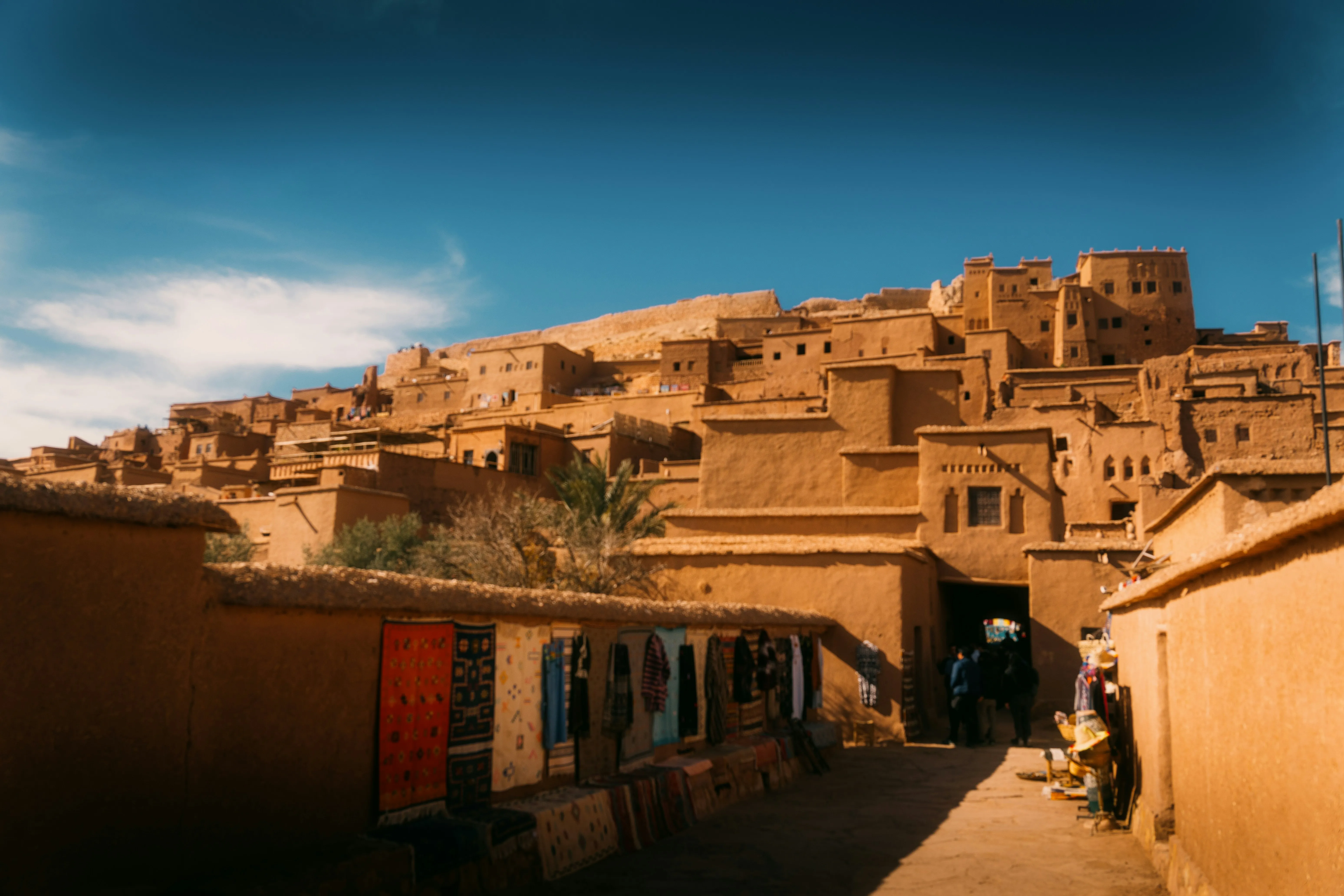
Mali
Mali captivates with its imperial history, iconic mud mosques, and the mysticism of Timbuktu, offering a profound cultural experience in the heart of the Sahel.
Quick Facts
- Capital
- Bamako
- Language
- French
- Bambara, Dogon, Peul
- Currency
- CFA Franc (XOF)
- Best time to visit
- From November to February, coinciding with the cool dry season.
- Budget per day
- $30 - $100 per day
- Climate
- Mostly desert and subtropical climate, with a very hot dry season and brief rains between June and September.
- Connectivity
- low
- It is easy to purchase local SIM cards from operators like Orange in major urban areas.
- Electricity
- Type C / E (220V)
- Local transport
- limited
- Card usage
- more cash is used
- Tipping
- optional
🌎 Introduction
Crossing the threshold of Mali means entering a territory where the Niger River dictates the pulse of daily life. In this strip where the Sahara Desert begins to merge with the savannah, the landscape transforms into a palette of ocher and reddish tones that envelops everything from the dunes of the north to the more fertile fields of the south. It is a place of wide horizons, marked by the alternation between the dry season, which brings the Harmattan wind, and the months when the rain returns the greenery to the grazing lands.
The legacy of ancient empires is perceived in the mud architecture that defines cities and villages, with constructions that seem to emerge directly from the ground. In the markets and squares, life manifests through a constant exchange of languages and traditions, where music is much more than entertainment: it is the thread that narrates the history of its people. The rhythm here is slow, adapted to the midday heat and quiet encounters under the shade of a baobab tree or on the riverbanks, where pirogues glide lazily.
The identity of this region of West Africa is built with small details: the flavor of a peanut stew, the colors of fabrics drying in the sun, or the hospitality of those who share tea following a leisurely ritual. There is a harmony between its different communities, which have managed to keep their ancestral customs alive in an environment that invites calm observation and understanding the passage of time in a different way.
🛡️ General Safety
Traveling to Mali is an experience that requires extremely careful planning and a deep knowledge of the country’s current situation. Mali is a nation of immense cultural richness, but in terms of security, the risk level is considered high in most of the territory. The current context for the traveler is marked by political and social instability that mainly affects the north and center of the country, so caution must be the absolute priority in any itinerary.
General safety level
- The general safety assessment for Mali is high risk compared to other international destinations. Although there are areas that may seem quiet, the situation can change rapidly.
- It is recommended to limit travel to the capital, Bamako, and very specific areas where the presence of authorities is constant.
- The context for the international traveler is complex; it is essential to stay informed through official sources and local news daily during the stay.
Crime and common risks
- The most common crimes that can affect tourists are of a minor nature, such as pickpocketing and snatching, especially in crowded places like markets or transport stations.
- Minor scams in commercial transactions or with alleged tour guides are frequent. It is advisable to always agree on prices in advance.
- There are less frequent but existing risks of highway robberies on secondary roads, so traveling at night outside main urban centers is strongly discouraged.
- Extreme caution should be taken in areas with large crowds, such as the Grand Marché de Bamako, where pickpockets usually operate by taking advantage of the crowd.
Safety in cities and tourist areas
- In urban centers like Bamako, security is higher during the day, but it is recommended to avoid traveling on foot after sunset, even in neighborhoods considered safe.
- The neighborhoods where most embassies and international hotels are located usually have stricter private and police surveillance.
- Urban public transport, such as collective vans known as Sotramas, can be a place prone to petty theft due to overcrowding; personal belongings should always be watched.
Safety in transport
- In Mali, you drive on the right. The state of the roads is very variable and often poor, with deep potholes and a lack of signage.
- The use of taxis is common and generally safe if taken from official stands or requested through the hotel. It is strongly recommended not to share a taxi with strangers.
- Renting vehicles without a driver is not recommended for tourists due to the complexity of the traffic and frequent police or military checkpoints. If a vehicle is rented, ideally it should include an experienced local driver.
- Intercity road travel should only be done on main roads and always during daylight hours.
Natural and climatic risks
- Extreme heat is the main climatic risk in Mali, with temperatures that can easily exceed 40°C, especially between the months of March and June.
- The rainy season (from June to September) can cause sudden flooding that cuts off roads and seriously hinders mobility in rural areas.
- The Harmattan, a dry and dusty wind from the Sahara, is common between December and February, reducing visibility and potentially causing respiratory problems for sensitive people.
- Constant hydration and the use of high-factor sunscreen at all times are recommended.
Legislation and local norms
- Mali is a country with a deeply rooted religious and cultural tradition, predominantly Islamic. It is essential to dress modestly, covering shoulders and knees, for both men and women.
- It is strictly forbidden to take photographs of government buildings, military installations, bridges, or airports. Non-compliance can lead to equipment confiscation or arrests.
- The consumption and possession of drugs is punishable by very severe sanctions including long prison sentences.
- Public displays of affection are not common and can be considered offensive by the local population.
Safety for specific groups
- Women travelers: It is recommended to travel accompanied and avoid walking alone at night. Respect for local dress codes is crucial to avoid unwanted attention.
- LGTBIQ+ travelers: Homosexuality is not illegal under a specific penal code, but it is not socially accepted and can be prosecuted under “public scandal” or “morality” laws. Absolute discretion is recommended.
- Children and the elderly: Due to extreme climatic conditions and deficiencies in the healthcare system, it is not the easiest destination for these groups. Comprehensive and exhaustive medical insurance is required.
Emergencies and assistance
- In case of needing immediate assistance, the main numbers are: 17 for the Police and 18 for the Fire Department.
- The police and emergency services have limited resources, so the response can be slow, especially outside the capital.
- In case of any incident, the first thing to do is contact the diplomatic representation of your country of origin and always have a physical and digital copy of your passport and visa.
Tip: Always maintain a low profile, avoid showing valuables or large amounts of money in public, and always use transport and accommodation channels that have verified references.
📝 Entry Requirements
To undertake a trip to this West African destination, visitors must have a valid passport whose validity is usually required to be more than six months from the time of entry. It is common for most foreign travelers to need to process a tourist visa in advance, which is usually granted for defined stay periods, generally close to thirty days. Once in the territory, it may be possible to request extensions of stay from the competent authorities if you wish to prolong the visit.
At border control points, whether at airports or land accesses, authorities may require the presentation of an exit ticket from the country or for a continuation of the trip. Likewise, it is frequent to request accreditation of sufficient economic means to cover maintenance and accommodation expenses for the duration of the visit. These procedures are part of the usual entry routine and seek to ensure that the tourist has the necessary logistics for their stay.
Regarding customs regulations, it is recommended to pay attention to the transport of personal use medications, which should preferably be accompanied by their medical prescription. There are conventional restrictions on the import of certain fresh food products and objects of archaeological or cultural value, whose exit from the country is usually regulated by specific permits. It is advisable to maintain prudent behavior with high-value personal objects and declare them if suggested by local authorities upon arrival.
In the health section, the certification of the yellow fever vaccine is usually a common request to access Malian territory, being considered in many cases an essential requirement for border crossing. In addition, travelers are strongly recommended to consult with specialized medical services regarding other preventive measures and recommended vaccines for the region. Keeping track of international health guidelines helps ensure a smoother and more predictable travel experience.
🏛️ Tourist Attractions and Places of Interest
Mali is a country with immense historical and cultural richness, featuring geographical and architectural points of great relevance to world heritage. The diversity of its landscapes, ranging from the Sahara Desert to the banks of the Niger River, offers a varied experience for the visitor.
- Djenné: This city is famous for its Great Mosque, considered the largest mud building in the world and a prime example of Sudano-Sahelian architecture.
- Timbuktu: A historic center of knowledge and trade, where ancient libraries and earthen mosques tell the story of the trans-Saharan routes.
- Dogon Country: A region characterized by its impressive geological faults and villages built into the Bandiagara cliffs, where unique ancestral traditions are preserved.
- Niger River: The course of this river is the vital artery of the country, allowing journeys in traditional pinasses that connect cities like Ségou and Mopti.
- Bamako: The capital is a vibrant hub of activity where the Pink Market and the National Museum of Mali offer immersion into daily life and local art.
🍴 Local Culture and Gastronomy
Malian identity is manifested through its music, its craftsmanship, and a gastronomy based on local products that reflect adaptation to the environment. Hospitality is a fundamental pillar of society, and sharing a meal is a common gesture of welcome.
- Tigadèguèna: A very popular dish consisting of a meat or vegetable stew made with a peanut sauce base, generally served with rice.
- Riz au gras: Rice cooked with oil, meat, and various spices, very common in celebrations and family gatherings.
- Traditional music: Mali is internationally recognized for its musical richness, highlighting the use of instruments like the kora and the balafon in its folk rhythms.
- Textile crafts: Bogolan or mud cloth is a traditional dyeing technique that uses natural pigments to create geometric patterns with great symbolism.
- Tea ceremony: A widespread social practice where three glasses of green tea with mint are served, symbolizing different stages of friendship and life.
💡 Practical Tips for the Traveler
To enjoy a pleasant stay in this destination, it is convenient to take into account certain general guidelines related to climate, transport, and respect for local customs.
- Climate and clothing: Due to high temperatures, it is preferable to wear light clothing made of natural fibers, although dressing discretely is recommended to respect local cultural codes.
- Travel: Transport between cities is usually done in buses or shared taxis, with the Niger River being a picturesque alternative during flood seasons.
- Currency and payments: The use of cash is predominant in most of the territory, especially in markets and rural areas, so it is suggested to have local currency in small amounts.
- Photography: It is advisable to ask for permission before photographing people or places of worship, always maintaining a respectful attitude toward the privacy of the inhabitants.
- Hydration: It is essential to consume bottled water and avoid consuming ice or raw foods in unregulated stalls to prevent health setbacks.
🏥 Basic Health Considerations
Traveling to Mali is a fascinating experience, but it requires you to pay attention to your health before and during the journey. You will find that the healthcare system in the country is limited, especially if you move away from the capital, Bamako. In the main city, you can go to some private clinics that have acceptable standards for minor problems or stabilization, but in rural areas, resources are very basic. You should know that any quality medical care for a foreigner will have a high cost and usually requires upfront payment, so having cash is essential. Health personnel usually communicate mainly in French, which is the official language for paperwork and medicine.
Hiring travel medical insurance is not just a recommendation, but an absolute necessity before landing on Malian soil. Your policy should be as complete as possible and must include medical repatriation on a medicalized plane, as in the event of a serious complication, you will most likely need to be transferred to another country. Make sure the coverage covers high hospitalization costs and that it has a 24-hour assistance service.
As for vaccines, the yellow fever vaccine is mandatory for all travelers and you will be asked for the international vaccination certificate when entering the country. In addition to having your official schedule up to date, you should consult with an international medicine center about vaccines for hepatitis A and B, typhoid fever, and meningitis. A critical point you cannot forget is prevention against malaria, which is present throughout the country. You will have to talk to your doctor to prescribe the appropriate preventive treatment and follow it strictly.
It is very important that you prepare a complete personal medical kit before leaving. In local pharmacies, you could find counterfeit or poorly preserved medications due to the heat. If you take any medication regularly, bring it from home in its original container and accompanied by a medical prescription translated into French. Do not forget to include pain relievers, gastric protectors, disinfectants, and a good insect repellent with a high concentration of DEET.
The most frequent health risks are related to the environment. Extreme heat can play tricks on you, so constant hydration and the use of sunscreen are vital. You should also be careful with altitude sickness if you go to very high plateau areas, although it is not common. The greatest real risk is diseases transmitted by mosquitoes and water. During the wind season, suspended dust can irritate your eyes and respiratory tract, something to keep in mind if you suffer from asthma.
Regarding hygiene and food, the golden rule is to always drink bottled water and ensure the seal is intact. Avoid ice in drinks and salads or fruits that you haven’t peeled yourself. You will find delicious street food, but try to consume it only when it is freshly cooked and very hot. General hygiene in establishments may be different from what you know, so always carrying a hand sanitizer gel will get you out of more than one jam before eating.
In case of a medical emergency, the general telephone number is 15 for the ambulance service (SAMU) in Bamako, although you must be aware that response times can be slow and vehicle equipment is usually basic. In many cases, the fastest way to reach a medical center is to use private transport or a taxi if the situation allows.
Finally, I leave you with some practical tips for a peaceful stay. Visit your travel doctor at least one month before departing to organize vaccines. During the trip, wear light long-sleeved clothing at sunset to avoid bites and use a mosquito net for sleeping if the accommodation requires it. Maintaining good hand hygiene and choosing carefully where you eat will be your best allies in avoiding typical traveler’s stomach upsets.
🚌 Transport Within the Country
To move around Malian territory, the most common means of transport among travelers is the bus. There are several companies that connect the main cities through paved roads, although the network is limited. In regions where the asphalt does not reach, all-terrain vehicles or well-known shared transport vans are usually used. In addition, during the season when the flow allows, the Niger River becomes a fundamental communication route, allowing the transport of passengers in large barges or smaller boats between riverside towns.
The use of public transport can be complex for those visiting the country for the first time. Signage at stations is scarce and information about routes is usually obtained verbally. Ticket purchasing is generally done in the terminals themselves in person. Knowledge of French is of great help in communicating with drivers and operators, as it is the language used in administrative transport management, although in daily life it coexists with local languages.
There is a notable difference between mobility in large cities and in rural areas. In urban centers, taxis are the most comfortable and available resource, operating both privately and shared. In contrast, in rural areas, travel depends on more informal transport that circulates on dirt tracks and often only departs when they have completed their cargo capacity, which requires a greater capacity for adaptation on the part of the tourist.
In terms of comfort and punctuality, the standard is usually different from other more industrialized destinations. Vehicles tend to travel with maximum occupancy and mechanical breakdowns or road checks can extend travel times. The reliability of schedules is relative, so it is necessary to understand transport as a leisurely activity where unforeseen events are frequent and part of the usual dynamics of travel.
Tip: It is advisable to carry out long-distance journeys always during daylight hours, avoiding night travel by road to improve visibility and safety on the route.
🤵 Culture and Etiquette
Social interaction in Mali is based on a slow and detailed greeting protocol. It is not common to start a conversation or make an inquiry without first taking time to ask about the well-being of the other person and their family. The most common physical greeting is the handshake, which is usually soft and prolonged, reflecting an attitude of hospitality and calm. It is essential to always use the right hand to greet, hand over objects, or eat, as the left hand is traditionally reserved for personal hygiene tasks.
Respect for hierarchy and elders is a central pillar of coexistence. When addressing older people or those in positions of authority, a moderate tone of voice and an attitude of attentive listening are usually employed. In public spaces, discretion and composure are valued, avoiding excessive noise or behaviors that could be conspicuous. Affective physical contact between men and women in public is not frequent, while between people of the same sex it is considered a sign of friendship and trust to walk hand in hand or maintain close physical proximity.
Regarding clothing, it is appreciated when visitors dress modestly and simply, especially when visiting rural centers or religious sites. Covering shoulders and knees is a show of courtesy toward local sensitivity. When entering a home or a mosque, it is custom to take off your shoes and leave them at the entrance. If you receive an invitation to share a meal, it is common for it to be served in a communal container, where only the right hand should be used to take food, respecting the space of the other diners.
The notion of time in Mali is usually more flexible than in other cultures, so punctuality can vary in informal contexts. However, for traveler-oriented services, a more structured organization is attempted. Tips are well received in the service sector as recognition for good work, although there is no rigid rule on the amount. Regarding photography, it is essential to ask for permission before portraying people or daily scenes, showing respect for the privacy of the inhabitants.
“Tip”: Before making any request or question to a local resident, always take an initial moment to greet properly and ask about their personal situation; skipping this step can be perceived as a lack of basic courtesy that conditions the rest of the interaction.
🍛 Typical Gastronomy
Malian cuisine is a faithful reflection of its geographical and cultural diversity, supported mainly by the products offered by the Niger River and subsistence agriculture. The base of the daily diet consists of cereals such as millet, sorghum, corn, and rice, which are usually served as a base for a wide variety of sauces made with legumes, green leaves, and meats. Malian gastronomy stands out for being nutritious and balanced, where natural flavors are enhanced with slow cooking techniques.
One of the most emblematic and cross-cutting ingredients in its recipes is the peanut, which is used both roasted and in the form of a thick paste to thicken stews and provide a deep, earthy flavor. Alongside it, the use of freshwater fish, especially capitaine (Niger perch), is fundamental in riverside areas, where it is consumed fresh, smoked, or dried to flavor preparations. Flavor nuances usually come from the use of local ingredients such as baobab fruit, tamarind, or soumbala, a fermented condiment with a very characteristic aroma.
Regarding social habits, food in Mali has a strong community character. Although in urban environments and restaurants the use of cutlery and individual tables is common, in more traditional contexts the custom of sharing a communal container is maintained. In these cases, it is essential to follow the local etiquette of using only the right hand to ingest food. Schedules usually follow the rhythm of sunlight, with a light breakfast, a main lunch at midday, and dinner at sunset.
Regarding drinks, due to the region’s cultural influence, alcohol consumption is not majority, although it can be found in specific establishments in the cities. The most common and refreshing options are natural juices, such as hibiscus (bissap), ginger, or baobab. In addition, green tea occupies a privileged place in social life, usually served in a ritual of three glasses that vary in sweetness and bitterness, symbolizing life, love, and death.
| Dish | Description | Main Ingredients | Where to try it | Tip |
|---|---|---|---|---|
| Tiguadege Na | The national dish par excellence, known as mafé in neighboring countries; a creamy and satisfying stew. | Meat (lamb or chicken), peanut paste, tomato, and vegetables. | Local cuisine restaurants in Bamako. | Ask for it to be served with white rice to balance the flavor of the sauce. |
| Capitaine Sangha | A highly regarded fish dish that combines sweet and savory textures. | Niger River fish, fried plantain, rice, and onion sauce. | Restaurants along the riverbanks in the Mopti region. | Ideal for those who prefer fresher and less spiced flavors. |
| Fakoye | A festive specialty originally from the north of the country, dark in color and with a very intense flavor. | Dried and crushed jute mallow leaves, lamb meat, and spices. | Establishments specialized in Timbuktu or Gao cuisine. | It is a strong and peculiar flavor; it is recommended to try a small portion first. |
| Riz au Gras | Local version of jollof rice, cooked in a rich and flavorful broth that stains the grain. | Rice, tomato paste, meat, and assorted vegetables. | Food stalls and popular restaurants throughout the country. | The safest and most comforting option for travelers looking for something familiar. |
| To | A basic and everyday staple that serves as an accompaniment for multiple sauces. | Millet or sorghum flour cooked until a dense mass is obtained. | Rural areas and traditional homes in any region. | It is usually accompanied by okra sauce, which has a characteristic slimy texture. |
📷 Zones and Places to Visit
Mali is a territory where the Niger River acts as the true heart of the country, forming the backbone of its inhabitants’ lives and connecting the most emblematic regions. Traveling through its lands, one perceives a fascinating contrast between the dynamism of its urban centers and the serenity of its rural landscapes. The capital, Bamako, is usually the starting point for many travelers. It is a vibrant city that stands out for the National Museum of Mali, one of the most recognized cultural centers in West Africa, where archaeology and textile collections of great value are preserved. Walking through the Artisans’ Market allows you to closely observe traditional leather and metal work, while the surrounding hills offer a panoramic perspective of the urban expansion next to the river.
Following the course of the water northeast leads to Segou, a city that preserves a leisurely air and French colonial-style architecture that coexists with traditional structures. This area is famous for its bogolan workshops, a textile dyeing technique with mud, and for the village of Kalabougou, known internationally for its community of women potters. Continuing the journey toward Mopti, situated at the confluence of the Niger and Bani rivers, allows you to discover the country’s busiest river port. Here, the bustling of the pinasses, traditional wooden boats, offers an authentic image of regional trade where salt, fish, and spices are exchanged.
One of the points of greatest historical and architectural relevance is found in Djenné. This city, which seems frozen in time, is famous for its Great Mosque, the largest mud building in the world and a sublime example of Sudanese architecture. Each week, the square in front of the mosque hosts a market that brings together various ethnic groups from the region, becoming a cultural meeting point of great diversity. The maintenance of its mud buildings is an annual community ritual that reflects social cohesion and respect for ancestral construction techniques.
To the east extends the Bandiagara Escarpment, the heart of the Dogon Country. This impressive rocky cliff about 150 kilometers long houses villages built into the cliffs with a unique architecture of granaries with thatched roofs. Walking routes through this area allow you to learn about Dogon cosmogony and admire the integration of housing into the natural landscape. It is an environment where hiking is mixed with the observation of traditional rituals and masks that have been the subject of study for decades for their symbolic complexity.
On the edge of the Sahara desert lies Timbuktu, the mythical city that for centuries was a center of knowledge and trade in gold and salt. Its ancient libraries, which house thousands of medieval manuscripts, and mosques like Djinguereber, bear witness to a past of intellectual splendor. Beyond historical heritage, Mali’s nature manifests in the Gourma Elephant Reserve, where it is possible to observe these animals on their seasonal migratory routes, or in the rock formations of Hombori, which include the highest point in the country and attract those seeking singular mountain landscapes in the middle of the Sahelian plain.
Tip: You cannot miss visiting the Great Mosque of Djenné, the most emblematic place in the country.
✈️ Best Season to Travel
Mali features a predominantly dry climate, marked by the alternation between an arid season and a rainy season linked to the movement of the African monsoon. For most travelers, the period between November and February is usually the most favorable, as the thermometer offers a truce with more moderate temperatures. During these months, the dry environment facilitates road travel and visits to historical centers, allowing for a more comfortable travel experience in the Sahelian environment.
As the year progresses, the country moves toward more rigorous heat and, subsequently, toward the rainy season. This annual cycle not only alters the landscape, which turns surprisingly green on the banks of the Niger River, but also marks the rhythm of festivities and local economic activities. Each season offers a different nuance of Malian geography, from the aridity of the north to the revitalization of the river basins during the months of highest humidity.
| Season | Months | Typical Climate | What to Expect | Tourist Influx |
|---|---|---|---|---|
| Spring | Mar – May | Intense and dry heat, with very high temperatures. | Commercial activity in markets and visibility of Saharan dust. | ⭐⭐ |
| Summer | Jun – Aug | Frequent rainfall and a notable increase in humidity. | Greener landscapes, rising rivers, and greater difficulty on rural routes. | ⭐ |
| Autumn | Sep – Nov | Progressive decrease in rain and temperatures in transition. | Post-harvest celebrations and revitalized natural environments. | ⭐⭐⭐ |
| Winter | Dec – Feb | Dry environment with cool and pleasant daytime temperatures. | Sighting of migratory birds and optimal conditions for cultural visits. | ⭐⭐⭐⭐ |
🗣️ Basic Vocabulary
Although French is the official language of Mali and is used in administration, Bambara is the most widespread lingua franca in most of the territory. Learning a few basic expressions in this language will allow you to navigate markets, transport, and daily situations with more naturalness, facilitating direct contact with the local population.
It is not necessary to delve into grammatical rules for these words to be useful. In Malian culture, greetings are a fundamental piece of social interaction, so using these basic formulas will help you generate an atmosphere of cordiality and respect during your trip.
- I ni ce: Hello / Thank you (used for both greeting and thanking).
- I ni sogoma: Good morning.
- I ni tile: Good afternoon.
- I ni wula: Good evening (at nightfall).
- Ayuwa: Agreed / Okay.
- Hami t’e: No problem.
- Joli do?: How much does it cost?
- I tɔgɔ bi di?: What is your name?