


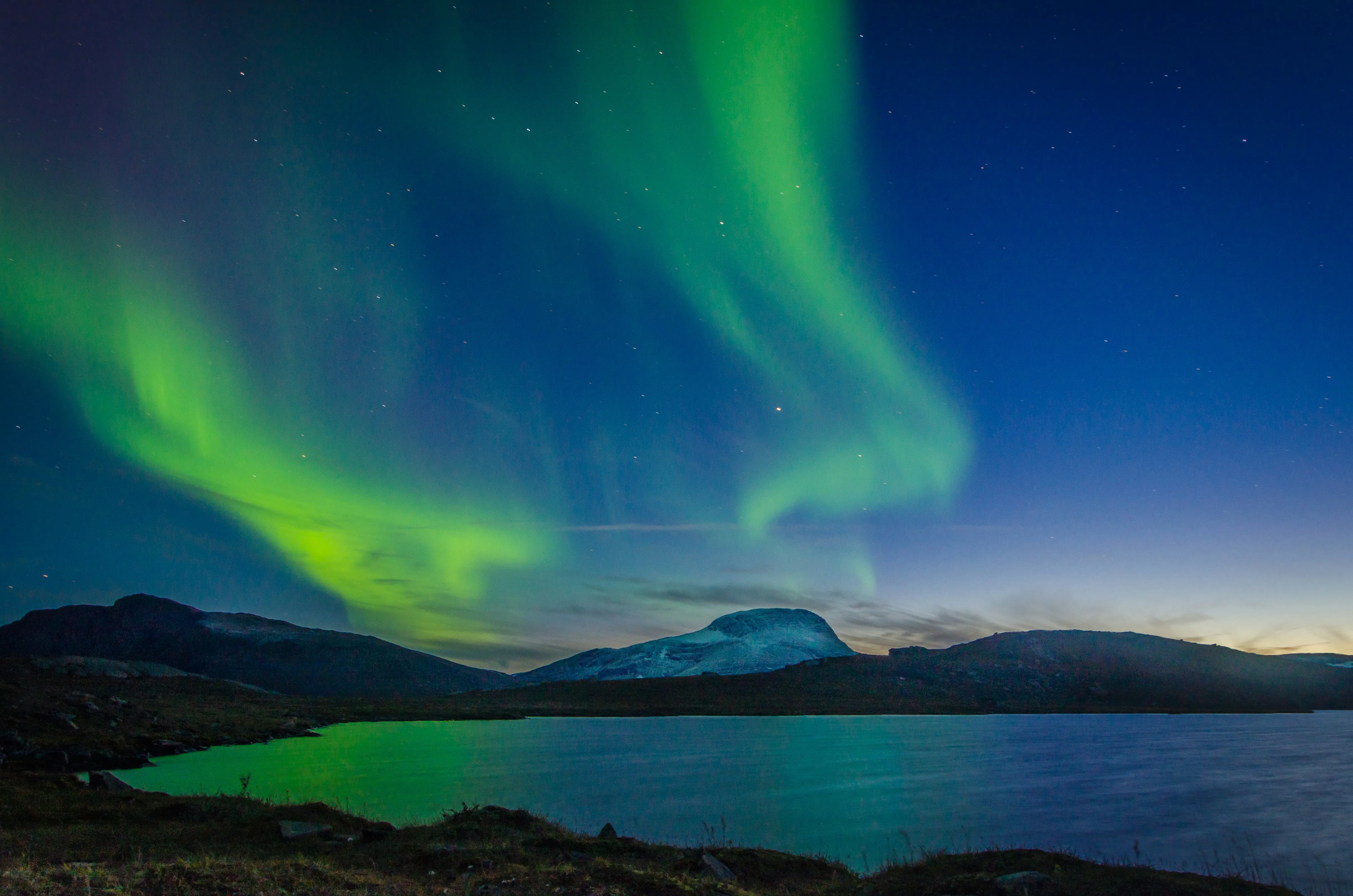
Sweden
Explore vibrant cities, infinite archipelagos, and pure Nordic nature that invites you to live authentic experiences among crystal-clear lakes and dense, quiet forests.
Quick Facts
- Capital
- Stockholm
- Language
- Swedish
- English, Finnish, Sami
- Currency
- Swedish Krona (SEK)
- Best time to visit
- From May to September for the weather and daylight hours, or winter for northern lights.
- Budget per day
- $85 - $220 per day
- Climate
- Temperate climate in the south with mild summers and cold winters; the north features a subarctic climate with abundant snow.
- Connectivity
- good
- Very easy to obtain a SIM or eSIM at airports, stations, and local mobile phone shops.
- Electricity
- Type C / F (230V)
- Local transport
- good
- Card usage
- very widespread
- Tipping
- optional
🌎 Introduction
Between the waters of the Baltic Sea and the Scandinavian Mountains, Sweden stretches as a territory of soft contrasts and open spaces. It is a place where the landscape, dominated by deep forests and serene lakes, sets the rhythm of a life connected with the environment. From the tranquility of its coastal archipelagos to the vastness of the northern lands, Swedish geography offers a natural transition between the functionality of its urban centers and a nature that seems to remain untouched.
The country’s identity is manifested in simple rituals and traditions that celebrate the passing of the seasons. Everyday scenes such as the aroma of coffee and cinnamon during a shared break, the characteristic reddish-toned wooden facades, or the lighting of candles when the days get shorter, reflect a way of understanding well-being based on balance. Festivities such as the summer solstice highlight the deep bond that its inhabitants maintain with light and the land, integrating folklore into a contemporary and advanced society.
Each time of year transforms the environment in a notable way, providing a different atmosphere according to the calendar. While summer stretches the afternoons until they merge with the dawn, winter invites retreat and the enjoyment of snowy landscapes under a dim light. It is a culture that combines respect for design and innovation with a genuine appreciation for the essential, offering a slow-paced travel experience full of nuances.
🛡️ General Safety
Sweden is internationally recognized as one of the safest destinations in the world for travelers. The country maintains a very high level of security, with solid institutions and a peaceful social environment that allows tourism to be enjoyed with a great sense of freedom.
Although no place is exempt from risks, the probability of suffering serious incidents in Sweden is considerably low compared to other global destinations. The general context for the traveler is one of order, respect for rules, and efficiency, which greatly facilitates the stay even for those traveling abroad for the first time.
Crime and Common Risks
Most visits to Sweden pass without any type of setback. However, as in any developed country, there are small incidents that are worth knowing:
- Petty theft: Pickpockets usually operate in high-traffic areas, especially during the high summer season. You should pay attention at train stations, airports, and the busiest shopping streets.
- Minor scams: Although infrequent, there may be cases of overcharging for unregulated services or internet fraud attempts when booking private accommodations. It is recommended to always use official channels.
- Peripheral areas: There has been a reported increase in isolated incidents related to crime in certain peripheral neighborhoods of large cities such as Stockholm, Gothenburg, or Malmö. However, these areas are usually far from tourist circuits and rarely affect visitors.
Safety in Cities and Tourist Areas
Swedish cities are generally very safe to walk in at any time of the day or night.
- Urban centers: Neighborhoods like Gamla Stan in Stockholm or the center of Gothenburg are extremely safe, although these are where you should most watch your backpack or bag due to the presence of crowds.
- Public transport: The metro (Tunnelbana), trams, and buses are safe, clean, and well-monitored. It is common to see people of all ages using them until the early hours of the morning without problems.
- Practical recommendations: A good practice is not to leave valuables in sight inside parked vehicles and to always keep belongings close on the terraces of cafes and restaurants.
Transport Safety
Transport in Sweden stands out for its punctuality and technical safety, being one of the countries with the lowest road accident rates in the world.
- Public transport and taxis: The system is efficient and very safe. If you decide to use a taxi, it is recommended to use recognized official companies, as taxi prices in Sweden are not regulated by the state and an independent taxi could charge very high rates.
- Driving: In Sweden, you drive on the right. Traffic rules are applied very strictly, especially speed limits and zero tolerance for alcohol at the wheel.
- Wildlife encounters: On rural roads and in northern areas, the most real risk is a collision with wild animals such as moose or reindeer, especially during dawn and dusk. It is essential to respect wildlife warning signs.
Natural and Climatic Risks
Sweden is not a country prone to extreme natural disasters like earthquakes or hurricanes, but the climate can present challenges:
- Extreme winter: In the winter months, temperatures can drop drastically, especially in Lapland. The risk of frostbite or hypothermia is real if you do not have the appropriate technical clothing.
- Ice and snow: Ice patches on sidewalks are the main cause of falls and minor injuries for tourists. Walking with caution and using footwear with good grip is recommended.
- Seasonal phenomena: In summer, the main risk is usually forest fires during dry periods. In winter, daylight hours are very limited, which can affect mood or the planning of outdoor activities.
Legislation and Local Norms
Compliance with the law is fundamental in Swedish culture, and authorities are often inflexible toward violations.
- Alcohol consumption: The sale of beverages with an alcohol content higher than 3.5% is only allowed in state stores called Systembolaget, which have limited hours. Drinking in the street may be prohibited in certain urban areas and lead to fines.
- Drugs: Sweden has a zero tolerance policy for illegal drugs, including the consumption of substances that may be legal in other countries. Possession, even in minimal quantities, can lead to arrests and severe fines.
- Nature (Allemansrätten): There is the “right of public access,” which allows camping and walking almost anywhere, but it carries the strict responsibility to not disturb and not destroy. Not respecting the natural environment is very poorly seen and can be sanctioned.
Safety for Specific Groups
Sweden is a pioneer in social rights and equality, making it a welcoming destination for all types of travelers.
- Solo female travelers: The country is considered one of the best for women traveling alone. Levels of street harassment are minimal, and personal safety in public spaces is very high.
- LGTBIQ+ travelers: Sweden is extremely progressive and open. It is very difficult to find instances of discrimination or insecurity based on sexual orientation or gender identity.
- Traveling with children and the elderly: The country is fully adapted for these groups, with safe infrastructure, universal accessibility, and top-tier health services if needed.
Emergencies and Assistance
The Swedish emergency system is highly efficient, and most operators speak perfect English.
- Emergency number: The universal number is 112. It should be used for police, ambulance, and fire services in critical situations.
- Police: If you need to report a non-urgent incident (such as a stolen wallet), the police attention number is 114 14.
- Medical assistance: Medical care is excellent. For tourists, it is essential to travel with private medical insurance or, in the case of European citizens, a valid European Health Insurance Card.
Tip: In nature areas during the summer, always use insect repellent and check your skin at the end of the day; ticks are common and can transmit diseases such as Lyme disease or encephalitis.
📝 Entry Requirements
To visit this Nordic destination, most international travelers must present a valid passport with reasonable validity beyond the planned departure date. Generally, tourists are usually exempt from applying for a prior visa for short-term stays, which usually do not exceed 90 days within a given period. It is advisable for the travel document to be in good condition and have free pages to facilitate identification processes at border control points.
At entry controls, authorities may request information about the reason for the trip and the planned duration of the stay. Although not systematically requested in all cases, it is prudent to have proof of an exit ticket from the country or an itinerary confirming the continuation of the journey to another destination. Likewise, demonstrating that you possess sufficient financial resources to cover expenses during the visit is a common practice that may be required randomly by customs personnel.
Regarding customs regulations, there are standard limits for the introduction of personal consumption products such as alcohol and tobacco. It is essential to keep in mind that transporting certain medications may require a medical prescription or a report justifying their personal use to avoid inconveniences at checkpoints. Regarding health safety, specific vaccines are not usually required to enter the territory, although it is advised to have travel insurance that covers possible medical eventualities for the visitor’s greater peace of mind during their stay.
🌲 Tourist Information for Sweden
Sweden is a destination that stands out for its perfect balance between urban modernity and wild nature of staggering beauty. Known for its vast forests, thousands of islands, and avant-garde design, the country offers a tranquil and sophisticated experience for any type of traveler. Swedish culture is deeply marked by the concept of lagom, which invites moderation and balance in all aspects of life.
Essential Destinations
- Stockholm: The capital, built on fourteen islands, is famous for its old town called Gamla Stan, where cobblestone streets and colorful buildings create a unique medieval atmosphere.
- Gothenburg: Located on the west coast, this city is known for its canals, its university atmosphere, and its excellent seafood gastronomy.
- Swedish Lapland: A magical place in the north where it is possible to observe the northern lights during winter or enjoy the midnight sun in summer.
- Malmö: A cosmopolitan city connected to Denmark via the impressive Öresund Bridge, highlighted for its contemporary architecture.
- Islands of Gotland and Öland: Preferred destinations for history and beach lovers, with medieval ruins and unique coastal landscapes.
Gastronomy and Traditions
- Fika: More than just a coffee break, it is a social institution where people share a hot drink and cinnamon buns (kanelbullar) with friends or colleagues.
- Smörgåsbord: A traditional buffet that includes a wide variety of hot and cold dishes, such as herring, meats, and cheeses.
- Köttbullar: The famous Swedish meatballs, which are usually served with mashed potatoes, cream sauce, and lingonberry jam.
- Fish: The consumption of salmon, cod, and herring is fundamental to the local diet, prepared in various ways such as gravlax (cured salmon).
Tips for the Traveler
- Climate: Temperatures vary drastically according to the season. Summers are mild with many hours of light, while winters can be very cold and dark, especially in the northern third of the country.
- Sustainability: The country is very environmentally conscious, so it is recommended to use public transport, which is efficient and punctual, and to respect recycling rules.
- Payments: Sweden is one of the most digitalized societies in the world. The use of credit cards and mobile apps is the predominant form of payment, even for very small amounts, so cash is increasingly rare.
- Nature: The right of public access or Allemansrätten allows anyone to roam freely in nature, provided the environment and the privacy of nearby homes are respected.
🏥 Basic Health Considerations
In Sweden, you will find a health system of exceptional quality that ranks among the best in the world. Care is efficient, and facilities feature state-of-the-art technology. As a tourist, you can access both public and private healthcare, although you should keep in mind that the cost of medical services can be high if you do not have coverage. Most health professionals speak perfect English, so communication will be fluid and simple in practically any medical center you visit.
Having travel medical insurance is highly recommended before starting your route through Swedish territory. Although it is not a mandatory requirement to enter the country, expenses derived from an emergency consultation, hospitalization, or surgical intervention can be very high. We suggest that your policy includes broad coverage for hospitalization, medical transfer, and repatriation, in addition to covering possible adventure activities if you plan to do them in natural settings.
Regarding vaccines, there is no legal vaccination obligation to enter Sweden. The most common and advisable thing is to have your basic vaccination schedule up to date. If your travel plan includes spending a lot of time in wooded areas, parks, or prolonged hiking during the spring and summer months, you might consider the vaccine against tick-borne encephalitis (TBE), as these insects are present in several southern and central regions of the country, as well as in coastal areas.
Regarding medication and first-aid kits, you will notice that Sweden is quite strict with the entry of drugs. If you need to carry personal medication, make sure to transport it in its original container accompanied by a medical prescription or certificate signed by your doctor, preferably in English. This is especially important if you are traveling with medications containing controlled substances. You will find modern pharmacies, called Apotek, in all cities, but keep in mind that many medications that are over-the-counter elsewhere require a mandatory prescription here.
Common health risks are closely linked to climate and nature. During the winter months, intense cold is the main factor to watch, so you must dress appropriately to avoid hypothermia. In summer, the main risk is tick bites in rural areas or archipelagos, so it is worth checking your skin after a day in the countryside. Otherwise, Sweden is an extremely safe country where you won’t have to worry about tropical diseases or large-scale health risks.
Water, food, and hygiene meet the highest safety standards. Tap water is drinkable throughout the country and has excellent quality, so you can refill your bottle without any fear. Food in restaurants and street stalls follows very rigorous hygiene rules, so the risk of suffering stomach problems is minimal. You can enjoy the local gastronomy with total peace of mind in any corner of the country.
In case of a health emergency, the number you should dial is 112. This phone number is free and centralizes assistance for ambulances, police, and firefighters. The ambulance service is fast, and the staff is highly qualified. If you are in a situation that requires medical attention but is not a life-threatening emergency, you can go to local health centers known as Vårdcentral, which usually provide care during the day.
As final practical recommendations, we advise you to always carry your insurance contact information and a copy of your medical prescription if you use specific drugs. Don’t forget to protect your skin from the sun in summer, as radiation can be high even if you don’t feel intense heat, and dress in a layering system if you travel during periods of low temperatures. With these basic precautions, you will enjoy a peaceful and safe trip through Swedish lands.
🚌 Transport Within the Country
Moving around Sweden is simple thanks to an efficient and well-connected infrastructure. The train is the main means of transport for traveling between major cities, offering comfortable journeys and allowing you to enjoy the country’s natural landscapes. To reach smaller towns or areas where the railway does not reach, the long-distance bus acts as the ideal complement, covering a large part of the national territory.
The public transport system stands out for its ease of use for the international traveler. Stations have clear signage, and it is common to find information in other languages besides the local one. The purchase of tickets is managed easily through digital means or automatic machines. The sense of punctuality and reliability is constant, allowing for the organization of transfers with peace of mind.
In the larger urban centers, the metro, tram, and local buses offer frequent and comfortable coverage. However, in rural areas or the far north, the frequency of public services decreases. In these regions, car rental becomes a practical option for exploring nature at your own pace. Additionally, in coastal areas and archipelagos, ferries are a common and necessary means of transport for daily mobility.
Taxis and private transport services are available mainly in cities and airports. It is a regulated service that offers safety to the user, although public transport is usually the preferred option due to its extensive network. To cover the large distances between the south and the north of the country, internal flights are also a common alternative that saves time on long-distance trips.
Tip: Sweden is a country where digital payment is fully integrated, so having a card or electronic payment method is essential for using any type of transport smoothly.
🤵 Culture and Etiquette
Social interaction in Sweden is characterized by the search for balance and moderation, a concept that permeates both private and public life. In daily dealings, discretion and respect for personal space are valued, avoiding invading others’ environment unnecessarily. When starting a conversation in shared spaces or on public transport, it is customary to maintain a moderate volume of voice, as environmental tranquility is considered a common good. In greetings, the most frequent form is a firm handshake accompanied by direct eye contact, leaving more affectionate gestures for close circles of friends or family.
Punctuality is one of the most significant aspects of local etiquette and is rigorously applied in all fields. Arriving exactly on time for an appointment, whether it is a professional meeting or a social invitation, is interpreted as a sign of consideration for others’ time. In the work environment and in service provision, there is a marked horizontal structure, where equal and direct treatment is preferred, avoiding excessive formalisms or highly accentuated hierarchies. It is very common to address people by their first names, which does not imply a lack of respect but rather a way to foster closeness and efficiency in communication.
In the context of visits and gastronomy, there are deep-seated habits that facilitate coexistence. When entering a private home, the general rule is to take off your shoes and leave them at the entrance, a practical gesture that helps keep the home clean. One of the most representative traditions is the fika, a break dedicated to drinking coffee and eating something sweet that serves as a space for disconnection and socialization. Regarding tipping, although it is not mandatory since service is usually included, it is customary to round up the amount in restaurants or leave a small additional percentage if the service has been especially satisfactory.
Regarding behavior in places of special relevance, such as historical buildings or places of worship, a sober and respectful attitude is expected. There are usually no extremely strict dress codes for tourists, beyond the common decorum in these environments. Similarly, the care of the natural environment is an absolute priority in Swedish culture; there is deep respect for the environment that translates into following local recycling rules and keeping public spaces impeccable. Observing the behavior of residents is usually the best guide for naturally adapting to any social situation.
“Tip”: Punctuality in Sweden is applied with precision; if you have an appointment or invitation at a certain time, the most appropriate thing is to arrive exactly at that moment, as being on time is a highly appreciated sign of courtesy.
🍛 Typical Gastronomy
Sweden’s gastronomy is defined by its close relationship with the natural environment and the seasons of the year. Known traditionally under the concept of Husmanskost, Swedish cuisine is based on fresh and local ingredients, where fish, game meats, and root vegetables stand out. Due to its Nordic climate, preservation techniques such as smoking, curing, and pickling play a leading role, providing flavors that characteristically balance sweet, salty, and sour.
One of the fundamental pillars of social life in this country is the fika, a coffee break accompanied by something sweet. It is not simply a quick snack, but an essential moment for socializing and relaxing during the day. As for main dishes, the use of wild berries, especially lingonberries, is very common to accompany both meat and fish dishes, providing a refreshing and acidic contrast to heartier recipes.
In terms of customs, it is important to keep in mind that schedules tend to be earlier than in other latitudes. Lunch is usually served between 11:30 AM and 1:30 PM, and many establishments offer a very complete daily menu. Dinner is also earlier, with kitchens commonly closed from nine at night in small cities. In restaurants, tap water is of excellent quality and is usually offered for free. Regarding etiquette, service is usually included, although it is common to leave a small gesture of courtesy if the service has been satisfactory.
| Dish | Description | Main Ingredients | Where to try it | Tip |
|---|---|---|---|---|
| Köttbullar | Traditional meatballs served with mash and sauce. | Minced meat, mashed potatoes, cream sauce, and lingonberries. | Home-style cooking restaurants in any city. | The sweet contrast of the lingonberry with the meat is the key to this dish. |
| Gravlax | Thin slices of cured, not smoked, salmon. | Salmon, salt, sugar, and plenty of dill. | Gastronomic markets and hotel buffets. | Best enjoyed on a slice of dark bread with mustard sauce. |
| Sill | Herring marinated in various sauces and spices. | Herring, vinegar, onion, mustard, or herbs. | Restaurants specialized in fish and traditional buffets. | It is the star dish at festive celebrations, and there are dozens of flavors. |
| Raggmunk | Grated potato pancakes fried until golden. | Potatoes, flour, egg, and a side of bacon. | Traditional taverns and local daily menu spots. | It is a very hearty dish, ideal for days with colder weather. |
| Kanelbulle | Rolled and baked cinnamon bun. | Flour, cinnamon, cardamom, and pearl sugar. | Bakeries and cafes throughout the country. | It is the essential companion for participating in an authentic fika. |
📷 Areas and Places to Visit
Sweden presents itself as a destination of great contrasts where contemporary design and medieval history coexist with a vast and serene nature. The capital, Stockholm, is the natural starting point for any traveler. Built on fourteen islands connected by bridges, the city stands out for its historic center, known as Gamla Stan. In this neighborhood of cobblestone streets and colorful facades, points of great relevance such as the Royal Palace and St. Nicholas Cathedral are located. Walking through this area allows for an understanding of the city’s commercial past, while more modern neighborhoods like Södermalm offer a current view of the Swedish lifestyle, with art galleries, cafes, and a vibrant cultural life.
The capital’s museum offering is broad and varied. One of the most unique places is the Vasa Museum, which houses a practically intact 17th-century warship that was rescued from the bottom of the sea. For those looking for an outdoor experience, the Skansen museum works as a time capsule, showing the country’s rural architecture and traditions through historic buildings relocated from all regions of Sweden. Very close to the city, the Stockholm Archipelago, composed of thousands of islands and islets, allows for boat excursions to enjoy the tranquility of the Baltic Sea and the typical reddish wooden cabins.
On the west coast is Gothenburg, the second most important city, famous for its relaxed atmosphere and its Dutch-style canals. It is an ideal destination for exploring the Haga neighborhood, with its traditional wooden houses, and for enjoying the proximity to the western archipelago, known for its smooth granite formations and fishing villages. To the south, the region of Scania offers a different landscape, marked by agricultural plains and white sand beaches. In this area, Malmö stands out, a city that combines historic buildings with modern architectural landmarks like the Turning Torso, and which is connected to Denmark via the impressive Öresund Bridge.
Moving inland, the region of Dalarna is considered the heart of Swedish traditions. It is the ideal place to learn about the origin of the most recognized cultural icons, such as the hand-painted wooden horses. Around Lake Siljan, visitors can participate in local festivities and visit villages that preserve a slow-paced lifestyle. For lovers of medieval history, the island of Gotland, located in the Baltic, houses the walled city of Visby, declared a World Heritage Site. Its church ruins and perfectly preserved wall transport the traveler to the era of the Hanseatic League.
Northern Sweden, Swedish Lapland, offers one of the most unique natural experiences in the world. In this vast region above the Arctic Circle, the landscape transforms according to the season, allowing for the observation of the midnight sun in summer or the northern lights during winter. It is an essential territory for learning about the culture of the Sami people, the indigenous population of the region. Towns such as Kiruna or the Abisko National Park are key locations for hiking routes, sledding excursions, or simply contemplating the immensity of the boreal forests and lakes.
Tip: You cannot miss visiting Gamla Stan, the most emblematic place in the country.
✈️ Best Time to Travel
Choosing the ideal time to visit Sweden depends largely on the experiences sought, as the country undergoes very marked seasonal changes. While the warmer months are ideal for exploring nature and enjoying the archipelagos under constant daylight, the winter months transform the landscape into a snowy environment suitable for winter sports and the observation of atmospheric phenomena in the north.
The climate varies significantly from south to north due to the country’s latitudinal extent. During the summer season, temperatures are mild and allow for an active outdoor cultural life. Conversely, winter offers a more leisurely and traditional scene, marked by the presence of snow in most of the territory and days with few hours of sunlight, which defines the local character and customs.
| Season | Months | Typical Climate | What to Expect | Tourist Influx |
|---|---|---|---|---|
| Spring | Mar – May | Cool and transitional. Gradual thaw with temperatures from 0 °C to 15 °C. | Rebirth of nature, longer days, and flowering in urban parks. | ⭐⭐ (Low-Medium) |
| Summer | Jun – Aug | Mild and pleasant. Temperatures between 15 °C and 25 °C. Occasional rain. | Midnight sun in the north, cultural festivals, and nautical activities. | ⭐⭐⭐⭐ (High) |
| Autumn | Sep – Nov | Cool and damp. Progressive temperature drop and shorter days. | Ocher-colored landscapes, wild berry picking, and a peaceful atmosphere. | ⭐⭐ (Low-Medium) |
| Winter | Dec – Feb | Cold and dry. Temperatures below zero and frequent snow. | Northern lights, Christmas markets, skiing, and winter landscapes. | ⭐⭐⭐ (Medium-High) |
🗣️ Basic Vocabulary
Although the vast majority of the population in Sweden speaks excellent English, knowing some basic expressions in Swedish will allow you to handle yourself more naturally. It is a gesture of courtesy that facilitates communication in everyday situations, such as entering a shop or ordering something in a cafe.
Learning these words will help you feel more integrated during your stay and is usually very well received by locals. Here are some essential terms for your trip:
- Hej: Hello.
- Tack: Thank you (it is also commonly used at the end of a sentence to say “please”).
- Hej då: Goodbye.
- Ursäkta: Excuse me or sorry (useful for asking someone to move or getting someone’s attention).
- Ja / Nej: Yes / No.
- Nota, tack: The check, please.
- Talar du engelska?: Do you speak English?