


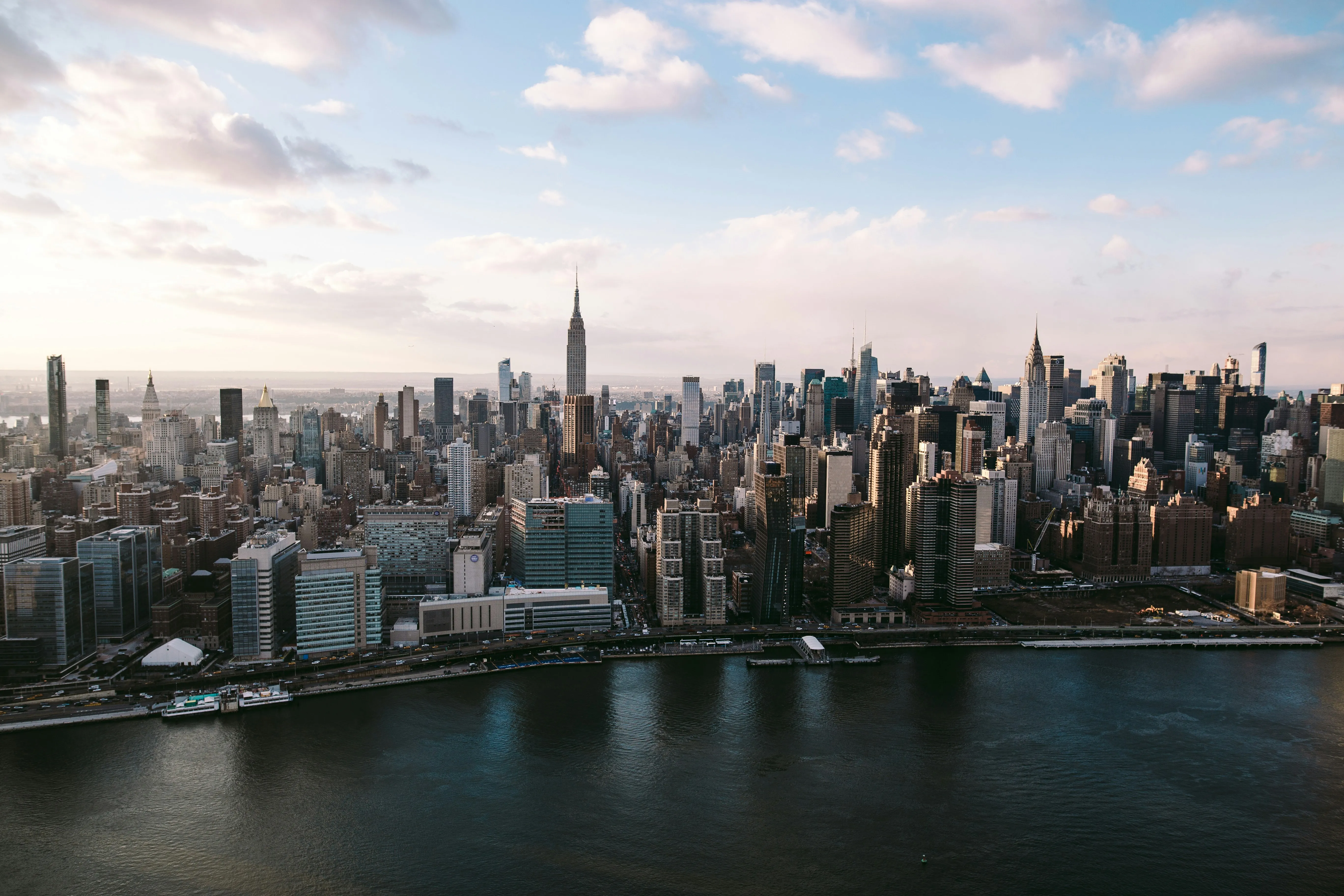
United States
Discover a nation of infinite contrasts, from legendary skyscrapers to amazing natural parks, offering cultural experiences and unforgettable landscapes in every corner of the country.
Quick Facts
- Capital
- Washington D.C.
- Language
- English
- Spanish
- Currency
- United States Dollar (USD)
- Best time to visit
- Spring (April to June) and autumn (September to October) for their mild climate.
- Budget per day
- $90 - $350 per day
- Climate
- Extremely varied depending on the region, with temperate climates predominating, although it includes tropical, arid, mountain, and arctic zones.
- Connectivity
- good
- Very easy to obtain via physical cards or eSIM at airports and local phone stores.
- Electricity
- Type A/B (120V)
- Local transport
- acceptable
- Card usage
- widespread
- Tipping
- yes
🌎 Introduction
The United States unfolds as a mosaic of realities that often feel familiar even before crossing its borders. Throughout its geography, landscapes transform naturally: from the forests that turn ochre during autumn in the northeast to the open horizons of the central plains or the golden light that bathes the western deserts. It is a territory where the slow pace of small rural communities coexists with the constant pulse of large metropolises, creating a diverse identity perceived in the atmosphere of each region.
This cultural richness manifests in daily life and shared traditions, such as the welcoming atmosphere of family festivities or the deep roots of its seasonal customs. Gastronomy also tells its own story, integrating influences from all over the world into dishes that vary according to the climate and heritage of each community. Whether under the constant sun of the southern coasts or the fresh mountain air, the country maintains a particular essence, forged by the coexistence of its people and the breadth of a natural environment that invites careful observation.
🛡️ General Safety
The United States is, in general terms, a destination with a high level of safety for international travelers. Being a large country, the safety experience can vary significantly between states and cities, but tourist infrastructure and emergency services are modern and efficient.
Comparatively, safety is at a medium-high level. Although the country is safe, it is important for travelers to be aware that social and urban dynamics differ from other destinations, requiring the use of common sense and staying informed about the specific areas being visited.
Crime and common risks
Most visits to the United States occur without incident, but there are certain risks of minor crime that tourists should be aware of:
- Theft and petty crime: These are common in high-traffic tourist areas, such as train stations, iconic monuments, or busy squares. It is recommended to always watch personal belongings.
- Vehicle break-ins: Theft of items left inside rental cars (known as smash and grab) is a frequent problem in large cities and national parks.
- Tourist scams: Although not massive, there can be cases of overcharging in unofficial taxis or the sale of fake tickets for shows and attractions.
- Firearms: This is a characteristic aspect of the country. Although serious incidents do not usually directly affect tourists, it is advisable to avoid any type of altercation or public confrontation.
Safety in cities and tourist areas
American cities usually have very safe tourist and commercial districts with a strong police presence. However, the urban structure can change drastically from one street to another.
- Safe zones: Historic centers, financial districts (during the day), and residential neighborhoods are usually very quiet for walking.
- Areas to avoid: In many cities, there are peripheral neighborhoods or specific areas with higher crime rates. It is advisable to consult at the hotel or with local residents about which areas are best avoided, especially after dark.
- Public transport: The subway and bus are safe in large cities, although it is recommended to be more attentive during the night and prefer cars with more passengers.
Transport safety
Moving around the United States is simple, but requires knowing some basic operational rules:
- Driving: In the United States, driving is on the right. Roads and highways are in excellent condition, but traffic rules are strict. Speed limits are closely monitored, and fines can be high.
- Rental vehicles: This is the most common way to travel around the country. It is recommended not to leave suitcases or valuables in sight when the car is parked.
- Taxis and private transport: The use of transport apps (such as Uber or Lyft) is very safe and widespread. If opting for a taxi, it should always be an official one with a meter.
Natural and climatic risks
Due to its size, the country presents various climatic risks depending on the region and the time of year:
- Hurricanes: These mainly affect the East Coast and the Gulf of Mexico (Florida, Louisiana, etc.) between the months of June and November.
- Tornadoes: They are more common in the center of the country (“Tornado Alley”) during spring and early summer.
- Wildfires: In western states like California, they are frequent in summer due to high temperatures and drought.
- Extreme weather: The north of the country suffers severe snowstorms in winter, while the southwest (desert areas) presents risks of extreme heat in summer.
Local legislation and regulations
It is essential to remember that the United States is a federation and laws can vary from one state to another, although there are important general rules:
- Alcohol and tobacco: The minimum legal age to consume or buy alcohol is 21 years old. It is mandatory to present an official ID (passport). Drinking alcohol in public places is prohibited in most locations.
- Identification: It is recommended to always carry a copy of your passport and keep the original in a safe place.
- Interaction with police: If stopped by police (for example, at a traffic stop), stay calm, keep your hands visible, and follow their instructions strictly. Do not attempt to exit the vehicle unless instructed to do so.
- Zero tolerance: Failure to comply with local regulations, especially regarding public order or drugs, can lead to arrests, heavy fines, or deportation.
Safety for specific groups
The country is generally very open and diverse, offering a safe environment for most profiles:
- Female travelers: They do not usually face specific safety problems beyond the usual precautions one would take in any large city in the world.
- LGTBIQ+ travelers: The United States is a very welcoming destination, especially in large metropolises and coastal areas. In more conservative rural areas, it is recommended to maintain a more discreet attitude, although there are usually no direct risks.
- Families and seniors: The country is excellently adapted for traveling with children and people with reduced mobility, with access regulated by law in almost all public and tourist spaces.
Emergencies and assistance
The emergency system in the United States is extremely fast and professional:
- Single emergency number: 911 centralizes police, fire, and ambulance services throughout the national territory.
- Medical assistance: It is private and extremely expensive. It is essential to always travel with high-coverage medical insurance to avoid medical costs that could amount to tens of thousands of dollars for minor incidents.
- Consular assistance: In case of loss of documents or serious legal problems, you should contact the embassy or consulate of your country of origin.
”> Tip: Whenever you park your vehicle, leave the glove compartment open and empty to show there is nothing of value in the car; this deters potential thieves in cities with a high incidence of vehicle burglaries.
📝 Entry Requirements
Preparing a trip to the United States requires paying attention to a series of administrative procedures to ensure a smooth arrival. The primary document for any visitor is the passport, which must be in optimal condition. It is highly recommended that the passport has a validity covering the entire stay planned, and even extends a few months beyond the return date to avoid inconveniences in case of unforeseen events.
Regarding authorization to enter the territory, most international travelers must manage a prior electronic authorization or, if applicable, apply for a tourist visa at the corresponding consular representation. These documents usually allow a maximum stay of up to 90 days for recreational purposes or personal visits. The final decision on the permitted stay period usually rests with the control officers at the point of entry, who validate the traveler’s documentation.
During the entry process, it is common for authorities to request evidence of the itinerary, such as a return ticket from the country or proof of reservation for the first accommodation. It is also common for inquiries to be made about the financial means available to cover expenses during the stay. Airport controls usually include the taking of biometric data, such as fingerprints and photographs, as part of standard security and recognition protocols.
Passing through customs involves compliance with strict regulations regarding what can be brought in luggage. There is special surveillance over fresh food, meat products, seeds, or plants, whose entry is usually restricted to protect the local ecosystem. Regarding medications, it is advised to transport them in their original packaging and accompanied by a description or prescription if they are for specific treatments, to facilitate their identification during routine inspections.
In the health section, specific vaccines are not generally required for conventional tourism, although it is convenient to have the standard vaccination schedule up to date. Given the nature of assistance services at the destination, it is fundamental to have travel insurance with broad medical coverage, which guarantees care for any health eventuality without it being a financial setback for the visitor.
The following are the key aspects to consider for access to the country:
- Personal documentation: Passport valid for the duration of the trip.
- Access permits: Management of electronic authorization or the pertinent visa before departure.
- Justification of stay: Have information about accommodation and return or onward travel tickets.
- Financial solvency: Ability to demonstrate resources to cover planned expenses.
- Biometric controls: Willingness for fingerprints and photography at the border control.
- Customs regulations: Avoid introducing agricultural products, meat products, or non-permitted substances.
- Health and well-being: Recommendation to have high-coverage medical insurance for travelers.
- Personal medications: Carry medical prescriptions for long-term use drugs and keep their original labels.
🏥 Basic Health Considerations
If you plan to travel to the United States, you will find that the health system is of excellent technological quality, but it works very differently from what you might be used to in other places. Here, healthcare is mostly private and has an extremely high cost. Any simple consultation, diagnostic test, or a simple visit to the emergency room can result in a bill of thousands of dollars. As a tourist, your access to health will always be through private clinics and hospitals. Regarding the language, staff will assist you mainly in English, although in large cities and southern states, you will easily find staff who speak Spanish.
Taking out travel medical insurance is not a mandatory legal requirement to enter the country with most tourist visas, but it is the most important recommendation you should follow. Without insurance with broad coverage, any health unforeseen event could seriously compromise your finances. It is essential that your policy includes a very high minimum medical expense coverage, preferably several hundred thousand dollars, in addition to covering medical repatriation and prolonged hospitalization.
Regarding vaccines, you will not find mandatory vaccines to enter the United States under normal tourism conditions. The most appropriate thing is to have your routine vaccination schedule up to date. Special preventive treatments are not required, unless you plan to perform very specific high-risk activities in wild nature areas, in which case it will suffice to consult the general recommendations for hikers.
You should be cautious with the medication you decide to carry in your luggage. If you need specific medication for a chronic treatment, the ideal is to transport it in its original packaging and always accompanied by a medical prescription or report translated into English. Keep in mind that in US pharmacies they are very strict with drugs that require a prescription. However, for minor ailments, you will see that you can buy pain relievers, antihistamines, and other basic remedies in any supermarket or drugstore without a prescription.
The United States is a country of continental dimensions, so health risks vary depending on your destination. In the coastal and desert areas of the south and west, heat exhaustion and sunburns are frequent if you do not protect yourself properly. In forested areas, especially in the northeast, it is important to check your skin for ticks, which can transmit diseases such as Lyme disease. If you travel to high-altitude areas in the Rocky Mountains, you may feel the effects of altitude sickness during the first days of your stay.
Regarding consumption, you can drink tap water with total safety in almost all towns in the country, as the potability standards are very rigorous. Hygiene in food establishments is generally very high. You will find that health inspections in restaurants and fast-food stalls are frequent, so the risks of foodborne infections are low as long as you follow basic cleanliness rules.
If you find yourself in a critical emergency situation, the phone number to dial is 911. This service centralizes police, fire, and ambulance assistance. You should be aware that ambulance transport is a paid service and usually has a very high cost, so it is recommended to use it only in real emergencies where life is at risk.
As final practical tips, I suggest you always keep a digital copy of your policy on your phone and carry the 24-hour assistance number with you. If you travel with children, make sure to maintain constant hydration, especially in theme parks or hot areas. Finally, remember that many pharmacies are open 24 hours in large cities, which will give you great peace of mind if you need something urgent in the middle of the night.
🚌 Transport Within the Country
Moving around a country of such vast dimensions requires planning that considers the large distances between its regions. The airplane is the most common means for long-distance travel, thanks to a network of domestic flights that connects practically all points of the territory with high frequency. For medium-distance journeys or to explore less urbanized areas, the car is the option that offers the greatest flexibility, as the road infrastructure is extensive and designed for easy driving.
In large cities, visitors will find subway and bus systems that are usually the most practical method to avoid traffic. Signage in these areas is intuitive and, although the primary language is English, ticket purchasing systems and station directions are designed so that any traveler can use them easily. However, there is a marked contrast with rural areas, where public transport is scarce or non-existent, making a private vehicle essential for moving outside urban centers.
The national rail network is another available alternative, although its presence is more notable in specific corridors linking major cities. In coastal towns or those with large rivers, the ferry is integrated as a common and comfortable means of transport for tourists. On the other hand, taxis and private transport services via mobile apps are extremely common throughout urban environments, offering a quick solution for short door-to-door trips.
In general terms, transport is perceived as reliable and organized, especially regarding flight punctuality and the availability of rental vehicles. Comfort is a priority in most services, allowing travelers to move with autonomy and safety. It is convenient to remember that the pace of travel can vary greatly depending on the traffic density of each region, so the flow of the trip will depend largely on the chosen environment.
Tip: It is essential to check in advance the real distances between planned destinations, as the scale of the country is often much larger than initially perceived on a conventional map.
🤵 Culture and Etiquette
Social interaction in the United States is characterized by friendly, open, and generally direct treatment. It is common for people to engage in brief informal conversations, known as small talk, with strangers in everyday settings such as stores, elevators, or transport stops. Personal space is a fundamental concept in daily coexistence; it is customary to maintain a prudent physical distance when talking or waiting in a line, avoiding unnecessary physical contact with people outside one’s circle of trust. The most frequent greeting, in both formal and informal contexts, is a firm handshake accompanied by eye contact.
Punctuality is a highly respected value in American society. Arriving at the exact time for an appointment, whether professional, medical, or social, is considered a show of consideration and respect for others’ time. In verbal communication, extensive use is made of polite formulas such as “please”, “thank you”, and “excuse me”. In public spaces, voice volume is usually moderate, and order and respect for waiting turns in any type of establishment or service are positively valued.
In the field of gastronomy and services, the practice of tipping is a deeply rooted social norm and expected by workers in the sector, as it represents a fundamental part of their economic compensation. In restaurants with table service, it is customary to leave a gratuity ranging between 18% and 22% of the total bill amount, depending on satisfaction with the service received. If an invitation is received to visit a private home, it is a common gesture of courtesy to bring a small gift for the hosts, such as flowers or a food product, as a token of appreciation for their hospitality.
Respect for the diversity of beliefs, local traditions, and national symbols is a relevant aspect of the country’s culture. In places of worship, national cemeteries, or commemorative monuments, visitors are expected to maintain solemn behavior and a low tone of voice. Likewise, there is a high valuation for community service and respect for groups that serve the public good. Showing a receptive and observant attitude toward local customs will allow travelers to easily integrate into the daily dynamics of any region they visit.
“Tip”: Keep in mind that the marked price on store tags and in many menus usually does not include sales taxes, which are added automatically when making the payment at the register.
🍛 Typical Gastronomy
The gastronomy of the United States is a faithful reflection of its history as a melting pot of cultures. One cannot speak of a single national cuisine, but rather a set of European, African, Asian, and indigenous influences that have given rise to an enormous regional variety. Although it is common to associate the country only with fast food, the culinary reality is much broader and is based on utilizing local resources, from the seafood of the coasts to the meats and grains of the central plains.
Eating habits are characterized by flexibility and abundance. Breakfast is usually an important meal, often combining sweet and savory elements. For its part, dinner is traditionally the main meal of the day and is usually served at an earlier time than in other parts of the world, frequently between six and eight in the evening. In restaurants, it is common for portions to be generous and there is a cultural, almost mandatory, custom of leaving a tip for the table service received.
Among the most characteristic ingredients are corn, beef, poultry, and a great diversity of vegetables. Flavors tend to be direct, with a notable presence of techniques such as smoking and baking. Furthermore, the country has integrated international preparations in such a way that dishes like pasta, tacos, or sushi are considered part of the local consumer’s daily life.
Regarding beverages, coffee is a constant and is consumed in large mugs, often to go. During meals, it is very common to accompany dishes with ice water (which is usually offered for free), iced tea, or a wide variety of soft drinks. The boom in craft brewing has also positioned barley and hop drinks as a highly appreciated option throughout the territory.
| Dish | Description | Main Ingredients | Where to try it | Tip |
|---|---|---|---|---|
| Hamburger | Minced meat usually served inside a circular bun with various toppings. | Beef, bread, cheese, and fresh vegetables. | ”Diner” style restaurants and specialized joints across the country. | Customize it with local ingredients from the area you visit. |
| Barbecue (BBQ) | Meat cooked slowly at low temperature with wood smoke. | Pork or beef ribs and spiced sauces. | Especially in Southern and Midwestern states. | Compare the sauces, as they change a lot depending on the state. |
| Clam Chowder | Thick and creamy seafood soup, very comforting. | Clams, potatoes, onion, and cream or milk. | Coastal regions of the Northeast, such as New England. | Try the version served inside a hollowed-out bread bowl. |
| Gumbo | Thick and very aromatic stew served over a base of rice. | Seafood, smoked meat, okra, and rice. | Louisiana region and around the Gulf of Mexico. | Ideal for discovering the fusion of French and African roots. |
| Apple Pie | Baked fruit pie that has become a cultural symbol. | Tart apples, cinnamon, flour dough, and butter. | Traditional bakeries and roadside diners. | Order it “a la mode,” meaning accompanied by a scoop of vanilla ice cream. |
📷 Areas and Places to Visit
The United States is a territory of colossal dimensions and a geographic diversity that allows for finding landscapes and experiences for all traveler profiles. When touring its regions, a constant contrast is perceived between avant-garde metropolises and vast protected natural spaces. The identity of each area is strongly marked by its history and environment, offering everything from the historical sobriety of the Atlantic coast to the relaxed spirit of the Pacific shores.
On the East Coast, cities concentrate a fundamental cultural and political weight. New York is the ultimate cosmopolitan hub, where neighborhoods with personalities as distinct as Manhattan or Brooklyn offer an inexhaustible array of art museums, galleries, and emblematic spaces. Not far away, Washington D.C. presents itself as a center of historical interest with its national monuments and the extensive museum complex that traces the country’s evolution. Towards the north, in the New England region, cities like Boston maintain a more classic and colonial aesthetic, ideal for those seeking to understand the country’s origins through cultural routes.
The West Coast, for its part, invites exploration of a lifestyle more linked to the ocean and rugged landscapes. California stands out for the duality between the sinuous architecture of San Francisco, with its famous bay, and the urban sprawl of Los Angeles, where the entertainment industry and coastal routes are the main attractions. Touring the coastline allows discovery of a geography of cliffs and extensive beaches that intertwine with modern and dynamic cities, offering a direct contrast to the tranquility of inland rural areas.
Nature is one of the most relevant pillars of tourism in this nation, thanks to a network of National Parks of great ecological value. In the state of Arizona, the geological relief shows one of the most impressive formations on the planet, while in regions like Wyoming or California, the parks of Yellowstone and Yosemite allow for observing geothermal phenomena, millennial sequoia forests, and diverse fauna. These areas are ideal for hiking, landscape photography, and disconnecting in environments that have remained practically unchanged over time.
Towards the south, the atmosphere transforms towards a more slow-paced and traditional culture. Places like New Orleans are meeting points for music and European-influenced architecture lovers, especially in the French Quarter. This part of the country is distinguished by its local festivities and gastronomy with very deep roots. On the other hand, the Great Lakes region, with Chicago as a benchmark, offers a different perspective of urban life, standing out for its contemporary architecture and proximity to immense bodies of fresh water that mark the area’s climate and leisure.
Finally, one cannot forget the center of the country and its Great Plains, where the landscape becomes horizontal and allows for road trips connecting small towns with a more traditional air. This diversity of options ensures that every visitor can find an environment according to their interests, whether exploring international exhibitions in large cities or venturing into routes through deserts, mountains, or tropical jungles in the southernmost states.
“Tip”: You cannot miss visiting the Grand Canyon, the most emblematic place in the country.
✈️ Best Time to Travel
The United States is a country of great territorial extent, which translates into considerable climatic diversity. Generally, intermediate seasons, such as spring and autumn, are usually the most recommended for visiting most regions. During these months, temperatures are moderate in much of the territory, facilitating both urban walks and activities in national parks without the thermal extremes of summer or winter.
The travel experience varies significantly depending on the chosen time. While the summer months invite enjoyment of the coasts and outdoor festivals, the colder months transform the landscape of the northern states with snow, offering a completely different scene focused on winter sports or cultural tourism in large cities. The choice will, therefore, depend on the type of activities and the environment one wishes to find.
| Season | Months | Typical Climate | What to Expect | Tourist Influx |
|---|---|---|---|---|
| Spring | Mar – May | Mild and variable temperatures; moderate rain and snowmelt in mountain areas. | Blooming parks, cherry blossom festivals in the east, and nature in full green. | Medium ⭐⭐⭐ |
| Summer | Jun – Aug | High temperatures and humidity in many areas; occasional afternoon thunderstorms. | Outdoor activities, full opening of national parks, and cultural events. | High ⭐⭐⭐⭐⭐ |
| Autumn | Sep – Nov | Gradual drop in temperatures; dry environment and clear days. | Landscapes with intense colored foliage, harvest celebrations, and pleasant walking weather. | Medium ⭐⭐⭐ |
| Winter | Dec – Feb | Intense cold and snow in the north and center; warm and pleasant temperatures in the south. | Snow sports, festive decorations in cities, and wildlife spotting in temperate zones. | Variable ⭐⭐⭐ |
🗣️ Basic Vocabulary
Although in many areas of the United States it is possible to find people who speak Spanish, knowing some basic expressions in English will help you move around more easily. It will allow you to interact more easily in hotels, shops, or when asking for directions on the street.
Having these key words clear shows courtesy and facilitates the resolution of quick questions during your stay. It is not necessary to master the language, but these polite formulas and direct questions will make your daily communication much more fluid and practical.
- Hello / Hi: Hello.
- Thank you: Thank you.
- Please: Please.
- Excuse me: Excuse me or sorry (used to get someone’s attention or to ask for passage).
- Sorry: Sorry (to apologize for a small error or annoyance).
- Where is…?: Where is…?
- How much is it?: How much is it?
- Check, please: The check, please.