


Burkina Faso
Burkina Faso captivates with its rich cultural heritage, vibrant music, and savanna landscapes, offering an authentic and hospitable experience in West Africa.
Quick Facts
- Capital
- Ouagadougou
- Language
- French
- Mossi, Dyula, Fula
- Currency
- West African CFA franc (XOF)
- Best time to visit
- From November to February, during the dry and cool season.
- Budget per day
- $25 - $75 per day
- Climate
- Tropical climate characterized by a hot dry season and a short rainy season, with generally high temperatures.
- Connectivity
- low
- It is easy to obtain local SIM cards at authorized stores by presenting a passport.
- Electricity
- Type C / E (220V)
- Local transport
- limited
- Card usage
- cash is used more
- Tipping
- optional
🌎 Introduction
In the heart of West Africa, where the savanna begins to merge with the sands of the Sahel, stretches a territory that lives up to its name: the land of upright men. It is a place marked by the slow rhythm of the seasons, where the landscape transforms radically between the golden aridity of the dry season, under the influence of the harmattan wind, and the intense green that sprouts with the arrival of the rains, bringing life back to the millet and sorghum crops.
The identity of the country is felt in the warmth of its markets and the hospitality of a society that values conversation and meeting. Traditions are kept alive through the sound of balafons, the mastery of its bronze and leather artisans, and festivities where traditional masks continue to occupy a central place in community life. This cultural richness coexists with a vibrant modernity, visible in its passion for cinema and the performing arts, which have made it a creative reference for the entire continent.
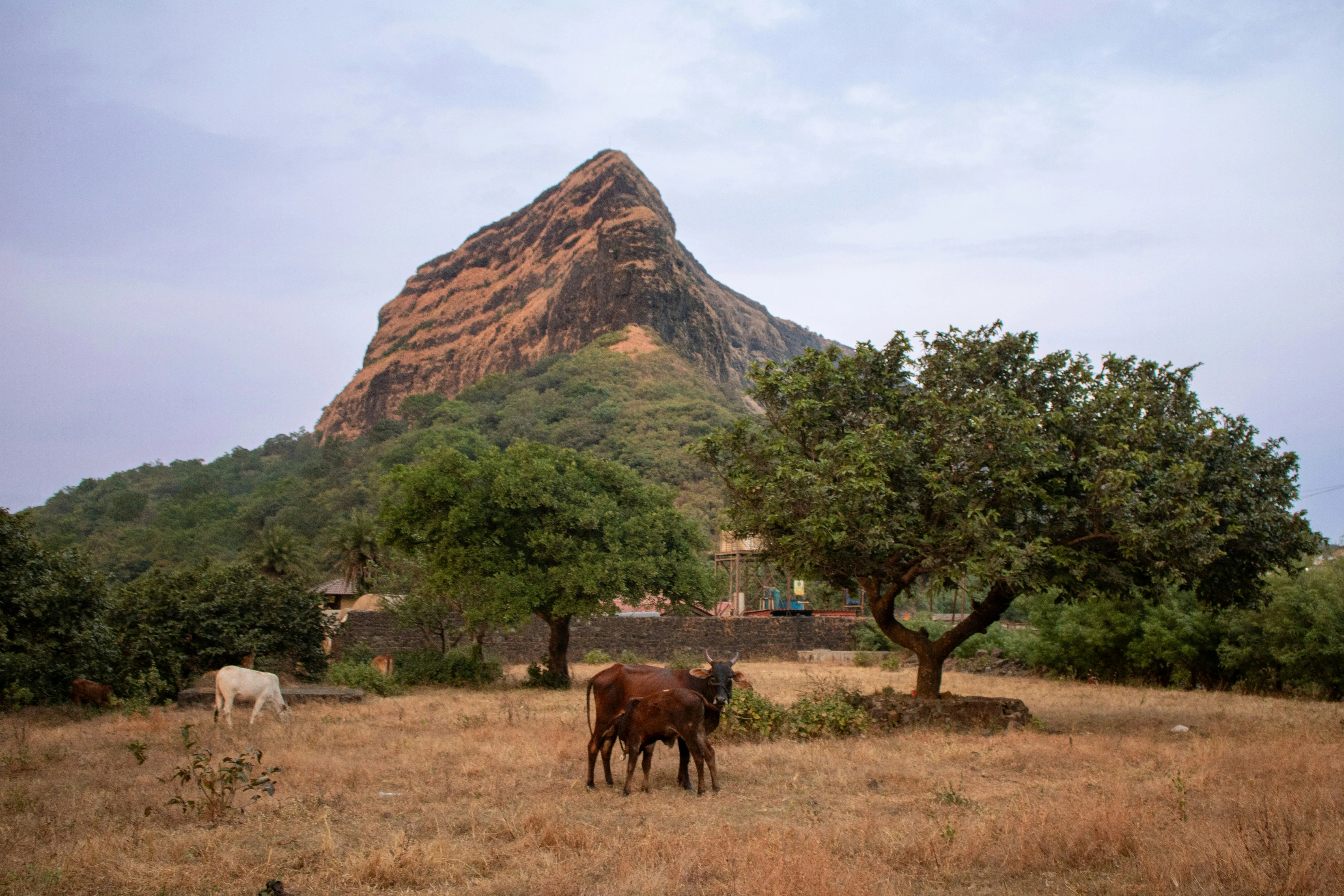
Traveling its roads allows a glimpse into a diverse geography, dotted with unique rock formations, centuries-old baobabs, and villages of traditional architecture that seem to blend with the environment. It is a region best known through small daily scenes, such as the ritual of sharing tea in the shade of a tree or the bustle of bicycles in the cities, reflecting a serene spirit and a dignity that define the true essence of this part of the world.
🛡️ General Safety
Traveling to Burkina Faso, known as the “land of upright men,” requires detailed planning and a conscious attitude. Although it is a destination with immense cultural richness and an extremely hospitable population, the security situation is complex and varies according to the region you intend to visit.
General security level
- The general security assessment in Burkina Faso is currently considered to be moderate to high risk, strictly depending on the geographical area.
- Unlike other purely tourist destinations, safety here is not uniform. While the main urban centers maintain a vibrant daily activity, the border areas (especially to the north and east) present significant challenges.
- The context for the traveler is that of a country going through a period of transition and internal challenges, which makes it necessary to stay constantly informed through official sources before and during the journey.
Crime and common risks
- The most common type of crime that can affect tourists is petty crime, such as the theft of wallets, mobile phones, or bags, especially in crowded places.
- Minor scams or attempts to overcharge in markets and transport areas are frequent, although they rarely escalate into violent situations.
- It is advisable to take extra precautions in central markets and bus stations, where crowds facilitate the work of pickpockets.
- As an infrequent but mentionable risk, there have been cases of bag-snatching from moving motorcycles, so it is recommended to walk away from the edge of the road and carry bags across the body.
Safety in cities and tourist areas
- In cities like Ouagadougou and Bobo-Dioulasso, safety is acceptable during the day, allowing tourists to walk through commercial neighborhoods and areas of cultural interest.
- At nightfall, it is recommended to limit travel on foot and opt for private transport or trusted taxis, avoiding peripheral areas or those with poor lighting.
- There is a marked difference between urban centers and rural areas in the north; the latter are not currently considered suitable for independent tourism due to regional instability.
- To move around peacefully, the ideal approach is to dress discreetly, avoid showing valuables ostentatiously, and always follow the instructions of qualified local guides.
Safety in transport
- Intercity public transport (buses) is the most common way to travel, although vehicles do not always meet Western maintenance standards.
- Taxis (green in Ouagadougou) are very popular; it is recommended to agree on the price before starting the journey or ask the hotel to arrange a trusted driver.
- In Burkina Faso, driving is on the right. If you decide to rent a vehicle, it is strongly recommended that it be a 4x4 with a local driver, as road conditions and signage can be poor.
- Night driving on roads outside of cities is totally discouraged due to lack of lighting, the presence of animals on the road, and the risk of security incidents.
Natural and climatic risks
- The most relevant natural risk is extreme heat, especially between the months of March and May, where temperatures can easily exceed 40°C.
- The Harmattan is a dry and dusty wind that blows from the Sahara between November and February, reducing visibility and potentially causing respiratory discomfort.
- During the rainy season (from June to September), flash floods can occur that affect the road network, especially in rural areas.
- Constant hydration and the use of high sun protection are recommended, as well as checking the weather forecast if planning rural routes.
Local legislation and norms
- It is strictly mandatory to always carry official identification (passport or certified photocopy) as police checks are frequent and routine.
- It is totally forbidden to photograph government buildings, military installations, airports, bridges, or security personnel; failure to comply may result in the confiscation of equipment or arrest.
- Laws related to the consumption and trafficking of drugs are extremely severe, with long-term prison sentences.
- Travelers are expected to respect local customs, especially in rural areas where the social structure is traditional. It is important to ask permission before photographing local people.
Safety for specific groups
- Female travelers: In general, Burkina Faso is a respectful country, but it is recommended to dress modestly (shoulders and knees covered) to avoid unwanted attention. It is preferable to avoid walking alone at night.
- LGTBIQ+ travelers: Homosexuality is not illegal under the penal code, but socially it is a taboo subject and is not accepted. Absolute discretion is recommended, and public displays of affection should be avoided to prevent uncomfortable or legal situations.
- Children and the elderly: The main challenge for these groups is the extreme climate and health conditions. It is essential to have comprehensive travel insurance and to be up to date with recommended vaccinations (yellow fever is mandatory).
Emergencies and assistance
- In case of need, the main emergency numbers are: 17 (Police), 18 (Firefighters), and 1010 (Gendarmerie).
- The operation of emergency services may be slower than usual due to limited resources; in case of a serious medical incident, it is customary to go to private clinics in the capital.
- In case of loss of documents or legal incidents, the first action should be to contact your nearest consular representation or travel insurance assistance services.
Tip: Always register in your country’s traveler notification systems and maintain regular contact with family members, informing them of your planned movements within Burkina Faso.
📝 Country entry requirements
To undertake a trip to Burkina Faso, the essential document that every traveler must possess is a valid passport. It is fundamental that this document has a minimum validity that, generally, must extend at least six months beyond the planned date of entry into the territory. Keeping the passport in good condition is key to avoiding complications during identification processes at borders.
Regarding the stay authorization, most international visitors require a tourist visa in advance. This permit usually allows a stay in the country for a specific period, frequently up to ninety days. It is recommended to carry out the application procedures well in advance to ensure that the permit is processed before the start of the journey.
Upon arrival, whether by air or through land border crossings, authorities may request complementary documentation. These requirements usually include the presentation of a confirmed return ticket and proof of having sufficient financial means to cover the expenses derived from the stay. These checks are common and are part of standard security and migration protocols.
Regarding customs regulations, the entry of personal items within reasonable limits is allowed. However, there are strict regulations on the import of certain items, such as private-use medications, for which it is advisable to carry the corresponding medical prescription. Likewise, if traveling with significant amounts of foreign currency, it is customary to make a declaration to the customs authorities to comply with local currency regulations.
In the health section, special attention is paid to the prevention of diseases. The presentation of a vaccination certificate against yellow fever is a common requirement for access to the country. Additionally, it is suggested to have comprehensive travel insurance that includes medical assistance, thus ensuring greater peace of mind throughout the tourist experience in the region.
- Identity document: Passport with a minimum validity of six months.
- Entry authorization: Tourist visa processed prior to the trip.
- Duration of stay: Usually a maximum of ninety days is allowed according to the visa obtained.
- Supporting documentation: Exit transport ticket and proof of financial solvency.
- Health requirement: International certificate of vaccination against yellow fever.
- Customs regulation: Control of personal medications and currency declaration if they exceed permitted limits.
🏥 Basic health considerations
You will find that the health system in Burkina Faso has significant limitations, especially if you move away from the main urban centers such as Ouagadougou or Bobo-Dioulasso. For any medical needs that arise, it is most recommended to go to private clinics, as public hospitals often have very scarce resources and long waiting times. The cost of private medicine is high compared to the local standard of living, and generally, you will have to make payment in advance before receiving any treatment. Regarding communication, health personnel usually speak French, so it will be very helpful to know some basic terms in this language to explain what is happening to you.
Taking out travel medical insurance is not a legal requirement to enter the country, but it is a decision you should not overlook. It is fully recommended that your policy has broad coverage, which not only includes hospitalization and medical expenses but specifically guarantees medical repatriation and transfer by air ambulance. In situations of extreme gravity, you will likely need to be evacuated to another country with more advanced infrastructure, and these types of transfers have costs that you could hardly afford privately.
In the vaccines section, you should know that the yellow fever vaccine is mandatory for all travelers. You will have to carry the international vaccination certificate with you, as it is very likely to be requested upon arrival at the airport. Beyond having your usual vaccination schedule updated, we advise you to consult with a doctor specializing in tropical medicine about vaccines for hepatitis A and B, typhoid fever, and meningitis. Additionally, due to the constant presence of mosquitoes, it is essential to carry out prophylaxis or preventive treatment against malaria throughout your stay.
If you need to bring your own medication and first aid kit, make sure to always transport the drugs in their original packaging and accompanied by their corresponding medical prescription, preferably translated into French. This is especially important if you travel with medications that may be considered restrictive or that require the use of needles. You will find it very useful to prepare a small bag with painkillers, gastric protectors, hand sanitizer, and a good insect repellent containing a high concentration of DEET.
The most frequent health risks you may experience are related to the climate. Extreme heat is a constant and can cause dehydration or exhaustion if you do not rest enough in the shade. During the dry season, the wind known as the harmattan kicks up a lot of dust, which can irritate your eyes and respiratory tract. Regarding other diseases, you should not worry excessively about altitude risks, as the country’s terrain is mostly flat, but you must keep your guard up against insect bites, which are the main source of disease transmission in the region.
Regarding water and food, the golden rule is to always consume bottled water and check that the cap is perfectly sealed before opening it. It is not safe to drink tap water or use it for brushing teeth if you want to avoid stomach problems. As for food, you can enjoy the delicious local gastronomy with peace of mind as long as the food is well cooked and served hot. It is better to avoid salads, fruits that already come peeled, or ice cubes in drinks when you are at street stalls or places where hygiene is doubtful.
In a health emergency situation, the generic telephone number you can call is 112, although the efficiency of public ambulance services is very limited. If you are in a large city, it is preferable to have the contact information for the main private clinics on hand, as they usually have their own emergency transfer vehicles that are much faster and better equipped to assist tourists.
As final practical recommendations, I suggest you drink fluids constantly even if you don’t feel thirsty and wear light, light-colored clothing that covers most of your body at sunset. If upon your return or during the trip you notice symptoms similar to a strong flu or have a high fever, go to a medical center without delay and inform the doctor that you have been in an area with a risk of malaria so they can perform the relevant tests.
🚌 Transport within the country
Moving around Burkina Faso is done mainly by road, with the bus being the most common means to connect the most important urban centers. Although there is a railway line connecting the capital with other prominent points, its frequency is limited compared to road transport. Domestic flights are an option available to cover large distances quickly, although the network is not very extensive, while river transport is not a relevant alternative for the traveler.
The public transport system presents challenges for the visitor, as signage is usually scarce and organization depends on each terminal. The purchase of tickets is generally done in person at the departure stations. The use of French as the official language facilitates communication at information points and with drivers, although in areas further from urban centers, knowledge of local languages may be necessary to interact with transporters.
In large cities, the predominant means of transport is the taxi, which can function as a shared taxi following established routes or as a private taxi. Outside the cities, in rural areas, mobility depends on more informal collective vehicles that usually depart only when they have reached full capacity. This difference marks the pace of the trip, being much more fluid in the urban environment than in the rural one, where waits are common.
The comfort and reliability of the journeys depend directly on the condition of the roads and the type of vehicle. While the main routes connecting major cities are paved, secondary roads can be dirt tracks. Punctuality is flexible and is subject to various external factors, so it is advisable to plan trips with enough margin and without rigid expectations about arrival times.
Tip: For long-distance journeys between cities, it is useful to go to the terminals during the early hours of the morning, which is when the greatest concentration of departures occurs.
🤵 Culture and etiquette
The greeting is the cornerstone of coexistence in Burkina Faso and represents much more than a simple matter of courtesy. It is considered an essential social ritual in which time is dedicated to asking about the health, family, and general well-being of the interlocutor before starting any conversation, business, or request. The exchange is usually accompanied by a soft handshake, always performed with the right hand, as this is the limb designated for social interactions, giving objects, and eating. Ignoring this preamble or showing excessive haste can be perceived as a lack of interest in the person being interacted with.
In interpersonal dealings, communication is characterized by a moderate tone of voice and a calm attitude. Public displays of anger or raising the volume of voice are usually avoided, as maintaining composure is a highly valued quality in Burkinabe society. Regarding time management, a flexible view of punctuality predominates, so it is recommended that the traveler practice patience and adapt to a slower pace for social appointments. Likewise, respect for elders and traditional authorities is fundamental; the visitor is expected to show deference to elderly people, who occupy a central place in the community structure.
Hospitality is a deeply rooted value and is usually manifested through the offering of water or food when receiving a visitor. Accepting these gestures, even symbolically, is interpreted as a sign of gratitude and goodwill. In public spaces, displays of affection between couples are usually very discreet, while physical contact between people of the same sex, such as walking hand in hand, is a common sign of fraternal friendship without other connotations. Regarding clothing, although there is no strict rule, a modest and simple style is preferred, especially when visiting places of worship, rural areas, or when being received by traditional chiefs.
During meals, especially in more traditional settings where a common dish is shared, only the right hand should be used. Tipping in restaurants and hotels oriented toward tourism is not mandatory, but it is welcomed as a recognition of good service. In any interaction in markets or crowded spaces, the constant use of courtesy formulas and a kind and calm attitude will greatly facilitate the traveler’s integration and allow for a much more fluid and enriching cultural exchange experience.
Tip: Always use the right hand to greet, give money, pass objects, or eat, as the use of the left hand for these social functions is considered an inappropriate gesture according to local customs.
🍛 Typical gastronomy
The gastronomy of Burkina Faso is based mainly on the products of its land, highlighting the use of cereals such as millet, sorghum, corn, and rice. These grains constitute the base of most preparations, providing the energy necessary for daily life. It is a simple cuisine, based on natural and local ingredients, where vegetable sauces play a fundamental role in adding flavor and texture to the more neutral base dishes.
The pillar of the national diet is Tô, a dense and cooked paste made with millet or corn flour. This food is consumed daily and is always accompanied by a sauce, which can be made from baobab leaves, okra (gombo), or peanuts. Meat consumption, although present, is usually reserved for special occasions or is more commonly found in urban centers through grilled meats, where chicken and river fish are very prominent.
In the social sphere, maquis are the most common establishments for enjoying local food. These are informal restaurants, often outdoors, that serve as a meeting point. Meal times usually follow the solar rhythm, with substantial lunches at noon. In many homes and traditional settings, the custom of sharing food from a common container is maintained, symbolizing hospitality and community unity.
Regarding drinks, the offer is varied and refreshing. Highlights include bissap, a cold infusion of hibiscus flowers, and ginger juice, known for its spicy touch. In rural areas and markets, it is very common to find dolo, a craft beer fermented from sorghum that is served in traditional gourds. It is important to remember that if you decide to eat traditionally without cutlery, you must use exclusively the right hand, as the left is reserved for other hygiene tasks.
| Dish | Description | Main Ingredients | Where to try it | Tip |
|---|---|---|---|---|
| Riz Gras | Rice cooked in a meat and vegetable broth that gives it a reddish color. | Rice, tomato, onion, meat (optional), and seasonal vegetables. | Local restaurants and street stalls in Ouagadougou. | It is a filling dish, ideal for a full lunch at noon. |
| Poulet Bicyclette | Free-range roasted chicken, known for its firm and flavorful meat. | Free-range chicken, local spices, and sometimes garlic. | In the maquis of any city in the country. | Order it accompanied by a side of aloco (fried plantain). |
| Sauce Arachide | Thick peanut sauce that usually accompanies rice or millet. | Peanut paste, tomato, broth, and spices. | Traditional dining rooms and eating houses. | If you do not tolerate spicy food well, ask first, as some versions are intense. |
| Babenda | Typical dish of the Mossi ethnic group, with a texture similar to a thick stew. | Green leaves (such as spinach), peanuts, dried fish, and rice. | Local markets in the central and northern areas. | It is a very nutritious option that allows you to experience very authentic flavors. |
| Dégué | Sweet and refreshing dessert or snack, with a creamy texture. | Yogurt or fermented milk mixed with small millet balls. | Food stalls and street vendors in urban areas. | It is served very cold, which makes it perfect for the hottest hours. |
📷 Areas and places to visit
Ouagadougou, the capital of the country, functions as the administrative and cultural heart of the nation, being a fundamental starting point for any traveler. In this city, the modernity of its cultural centers coexists with the tradition of its markets, among which the Ouagadougou Craft Village stands out, where one can live-observe the work of master carvers and weavers. The National Museum of Burkina Faso is another very interesting stop, as it houses a collection that allows an understanding of the ethnic diversity and customs of the different peoples inhabiting the territory.
To the west lies Bobo-Dioulasso, a city that stands out for its calm atmosphere and its deep connection with the arts and music. Its most representative construction is the Grand Mosque, an exceptional example of Sudanese architecture made of adobe and wooden beams that protrude from its structure. The old quarter, known as Sya, invites you to stroll through its narrow streets where traditional houses and small workshops making musical instruments and bronze objects are still preserved.
Nature takes center stage in the Banfora region, located in the southwest. This area offers a more fertile and humid landscape, characterized by the Karfiguéla Waterfalls, a series of waterfalls surrounded by lush vegetation ideal for easy hikes. A short distance away are the Dômes de Fabedougou, ancient rock formations sculpted by erosion that resemble a stone city. It is also common in this area to take dugout canoe trips on Lake Tengrela to observe hippos in their natural environment.
Further south, the village of Tiébélé represents one of the country’s points of greatest cultural richness. It is the home of the Kassena ethnic group and is famous for its Royal Court, a complex of adobe houses decorated with beautiful geometric frescoes. These paintings, traditionally made by the women of the community using natural pigments, cover the facades of the houses and have a deep symbolic and social meaning. It is a space that shows the perfect harmony between architecture and popular artistic expression.
For those interested in ancient history, the Ruins of Loropéni constitute a site of great archaeological relevance. These stone walls, which are part of the World Heritage list, are the testimony of an ancient fortress linked to the gold trade that flourished hundreds of years ago. Its walls, which still stand amidst the vegetation, offer a fascinating insight into the civilizations that inhabited the region before the arrival of Europeans.
Near the capital, the Laongo Sculpture Park offers a different outdoor experience. It is a space where local and international artists have sculpted figures directly onto the granite outcrops of the landscape, creating a permanent art gallery in the middle of nature. This place reflects the creative spirit of Burkinabe society, which uses materials from its environment to express itself.
The north of the country, marked by its proximity to the desert, presents Sahelian landscapes where life is organized around large markets. Although the environment is more arid, the beauty of its plains and the hospitality of its people define this area. On the other hand, the Sindou Peaks offer one of the most emblematic routes for hiking, with limestone pinnacles that rise above the horizon creating abstract shapes that change tone according to the position of the sun.
Tip: You cannot miss visiting the Grand Mosque of Bobo-Dioulasso, the most emblematic place in the country.
✈️ Best season to travel
Burkina Faso has a tropical Sudano-Sahelian climate, characterized by a marked division between the dry season and the rainy season. For most travelers, the most balanced period to visit the country is between the months of November and February. During this time, temperatures are more moderate and the atmosphere is dry, which facilitates road travel and outdoor activities such as hiking or visiting nature reserves.
Throughout the year, the travel experience transforms notably. While the hottest months offer an authentic atmosphere and the possibility of attending important cultural events, the arrival of the rains turns the landscape green, especially in the south. Each season requires different preparation, whether to adapt to the intense heat of the Sahelian strip or to anticipate the humidity of the summer months.
| Season | Months | Typical Climate | What to Expect | Tourist Influx |
|---|---|---|---|---|
| Spring | Mar – May | Intense heat and very dry atmosphere; presence of dust in suspension. | Cultural festivals and artistic events; arid landscapes and clear skies. | Medium ⭐⭐ |
| Summer | Jun – Aug | Increase in humidity and arrival of frequent rains. | Landscapes that become green and lush; intense agricultural activity in rural areas. | Low ⭐ |
| Autumn | Sep – Nov | Transition from the end of the rains to a drier and clearer environment. | Local celebrations after the harvest; good visibility on nature routes. | Medium ⭐⭐ |
| Winter | Dec – Feb | Warm days and cool nights; dry climate conditioned by the harmattan wind. | Ideal season for wildlife viewing and visits to traditional markets. | High ⭐⭐⭐ |
🗣️ Basic vocabulary
Although French is the official language of Burkina Faso, Moré is the most widespread local language, especially in the capital and central regions. Learning a few basic expressions not only facilitates daily interactions in markets or transport but is also a gesture of courtesy that is usually very well received by local inhabitants.
Handling these terms will allow you to navigate common situations with greater confidence. It is not necessary to go deep into grammar, as the goal is simply to facilitate a friendly and respectful initial contact during your stay.
- Ne yibeogo: Good morning.
- Ne yiwiga: Good afternoon.
- Barka: Thank you (also used to say please or show gratitude).
- Yaa sôma: It’s fine or everything is going well.
- Wani?: How much does it cost? (very useful in markets and street stalls).
- Nindaare: Goodbye or until next time.