


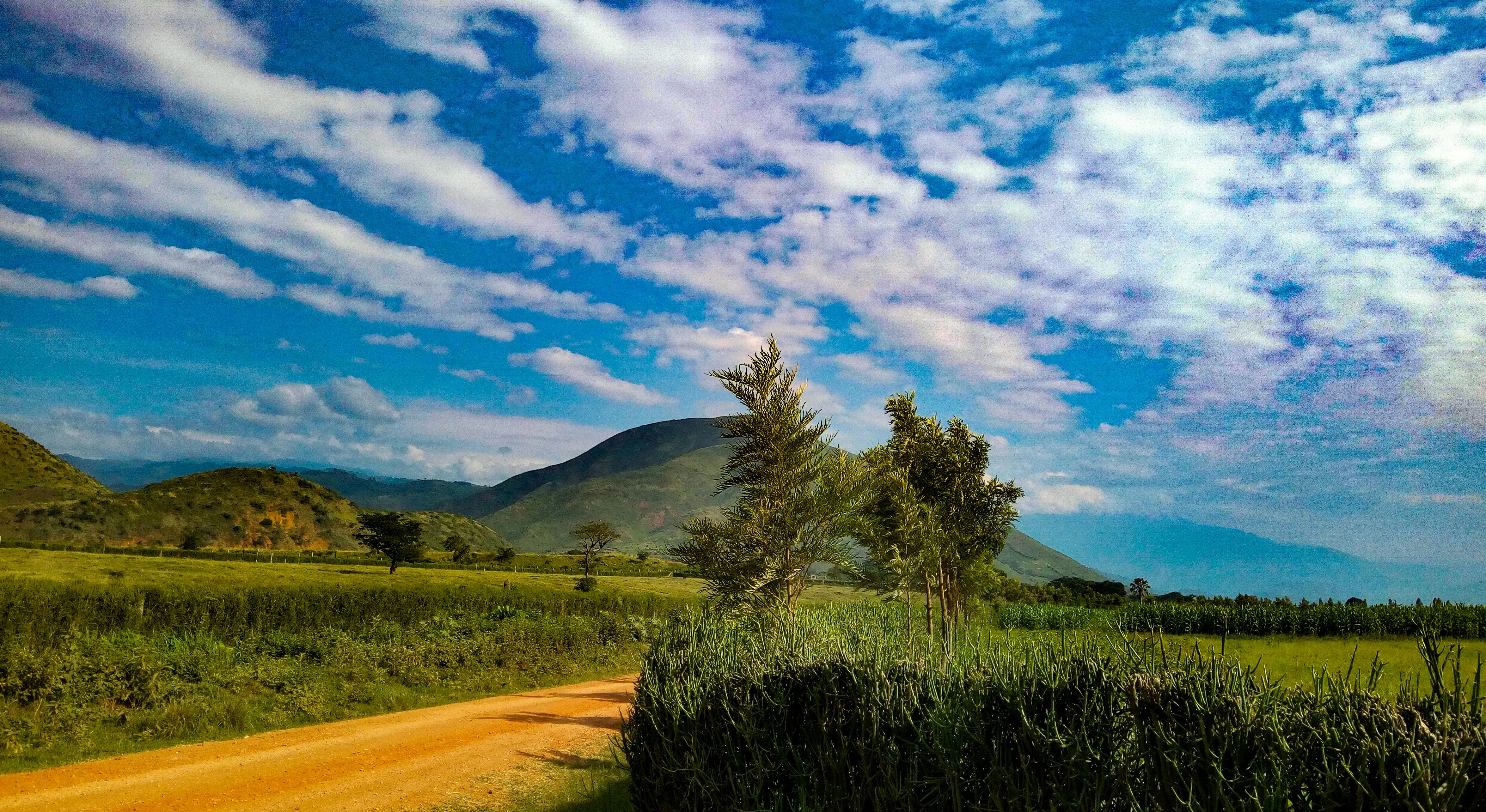
Uganda
Explore the pearl of Africa by discovering mountain gorillas, majestic waterfalls, infinite lakes, and unique biodiversity in a vibrant and authentic natural environment.
Quick Facts
- Capital
- Kampala
- Language
- English
- Swahili and Luganda
- Currency
- Ugandan Shilling (UGX)
- Best time to visit
- From June to August and from December to February
- Budget per day
- $35 - $180 per day
- Climate
- Tropical and temperate with pleasant temperatures, characterized by two dry seasons and two periods of moderate rain depending on the region.
- Connectivity
- medium
- Very easy to obtain in airports and urban centers by presenting a passport
- Electricity
- Type G (240V)
- Local transport
- limited
- Card usage
- more cash is used
- Tipping
- optional
🌎 Introduction
In the heart of East Africa, the land is stained with a constant green that seems to sprout from the humidity of Lake Victoria. It is a corner of the world where the Nile begins its long journey and the mountains, often shrouded in mist, serve as a natural border. Life unfolds between plains dotted with acacias and thick forests, offering a balance between the serenity of the landscape and the vitality exuded by its communities.
That identity is felt in the customs and in a hospitality that manifests spontaneously in daily life. In the local markets, the constant hustle and bustle and bunches of green bananas —the popular matooke— are part of a daily scene marked by the colorfulness of traditional clothing. It is a setting of soft contrasts, where the seasons are divided between periods of rain and sun, transforming the light over the tea and coffee fields according to the time of year.
🛡️ General Safety
Uganda is known as the Pearl of Africa and is, in general terms, a country that welcomes tourists with kindness and hospitality. The level of security for travelers is considered medium risk, similar to that of other East African countries. Although most visits occur without incident, it is essential to maintain a vigilant attitude and follow basic safety recommendations.
The country has maintained notable stability in recent decades, which has allowed for the development of a robust tourism sector. However, the traveler must be aware that there are important contrasts between rural areas, national parks, and the vibrant activity of the capital.
Crime and common risks
Crime affecting tourists is usually opportunistic and non-violent. The most frequent risks include:
- Pickpocketing and petty theft: Common in crowded places, markets, transport stations, and shopping areas in large cities.
- Snatching from motorcycles: Cases of bag or mobile phone theft committed by occupants of moving motorcycles occur, especially in urban centers.
- Minor scams: Deceptions related to currency exchange on the street or the hiring of unofficial tourist services may occur.
- Theft from vehicles: It is important not to leave valuables in sight inside cars, even if driving with the windows down in the middle of traffic.
Safety in cities and tourist areas
Safety varies significantly depending on the location:
- Entebbe and Kampala: These are the areas where most activity is concentrated. Kampala is a safe city during the day, but it is recommended to avoid walking alone at night in poorly lit or low-traffic areas.
- National Parks: These are the safest areas of the country. The presence of the Uganda Wildlife Authority (UWA) and the tourist police guarantee a very controlled and protected environment for safaris and gorilla trekking.
- Border zones: It is advisable to be informed before traveling to remote areas near the borders with the Democratic Republic of the Congo or South Sudan, where the situation can be more volatile.
Transport safety
Transportation in Uganda presents particular challenges that the traveler must know to move with caution:
- Driving: In Uganda, driving is on the left. The condition of the main roads is acceptable, but secondary roads can be in poor condition, especially after rains.
- Public transport: Matatus (shared minibuses) are the most common means, although they often drive at excessive speeds and with poor maintenance.
- Boda-bodas: Motorcycle taxis are very popular but present the highest accident rate. Their use is recommended with extreme caution and always with a helmet, or preferring private transport services through mobile applications.
- Night travel: It is strongly discouraged to drive on the road outside of cities after sunset, due to the lack of lighting, the presence of animals on the road, and the risk of breakdowns in isolated areas.
Natural and climatic risks
Uganda is not a country prone to major natural disasters, but the climate can affect safety at specific times:
- Rainy seasons: There are two main periods (from March to May and from October to November). During these months, heavy rains can cause local flooding and landslides in mountainous areas.
- Thunderstorms: They are frequent and very intense; it is important to seek safe shelter during their occurrence.
- Wildlife: In national parks, the risk comes from animal behavior. It is mandatory to always follow the instructions of the guides and rangers to avoid incidents.
Legislation and local norms
Compliance with local laws is strict and ignorance of them does not exempt one from responsibility:
- Documentation: It is mandatory to always carry a copy of the passport and a valid visa.
- Photography: It is strictly forbidden to photograph government buildings, military installations, bridges, airports, or uniformed personnel.
- Drugs: Possession, consumption, or trafficking of narcotics carries very severe prison sentences and high fines.
- Plastics: Uganda has strict regulations against the use of thin plastic bags to protect the environment.
Safety for specific groups
- Women travelers: Uganda is a safe destination for women traveling alone, although it is recommended to dress discreetly in rural areas and avoid walking without company at night.
- LGTBIQ+ travelers: This is a point of special attention. Ugandan legislation is extremely restrictive and severe regarding same-sex relations, which are criminalized. Maximum discretion is recommended and any public display of affection should be avoided to prevent legal or social problems.
- Traveling with children and the elderly: The country is welcoming to families, although infrastructure can be limited. Transport logistics should be well planned to avoid excessively long or uncomfortable journeys.
Emergencies and assistance
In case of needing urgent help, these are the key points:
- Emergency numbers: The general number for police, ambulance, and fire is 999 or 112 (from mobile phones).
- Tourist Police: There is a specific division of the police trained to assist foreign visitors in the main areas of interest.
- Medical assistance: In Kampala, there are good quality private hospitals, but in the rest of the country, services are very limited. It is essential to have travel insurance with medical evacuation coverage.
Tip: Always maintain a low profile regarding your valuable belongings and use your accommodation’s safe to store the original passport and the bulk of your cash.
📝 Entry requirements to the country
To plan a trip to this destination, it is fundamental to keep in mind that most international visitors require a passport with a minimum validity of six months from the moment of arrival in the territory. Generally, for tourist stays, it is necessary to process an authorization or visa prior to the start of the journey, a process that is usually carried out through digital platforms. This management usually allows a stay in the country ranging between 30 and 90 days, depending on the grant given by the competent authorities.
Upon entry through airports or border points, it is frequent for immigration officials to request an exit ticket from the country or, failing that, proof of continuation of the trip to another destination. Likewise, it is common for travelers to be asked to demonstrate that they have sufficient financial funds to cover their maintenance and accommodation expenses during the planned period of stay. Security controls at entry points usually include the taking of biometric data to ensure the proper registration of each visitor.
Regarding customs regulations, there are standard limitations on the transport of personal goods, tobacco, and alcohol. It is important to note that the entry of specific medications is usually subject to the presentation of a medical prescription justifying their personal use. On the other hand, it is recommended to avoid the transport of fresh food products or plants, as there are common phytosanitary restrictions intended to protect the local ecosystem. Luggage can be inspected randomly to ensure compliance with these rules.
In the health section, the most widespread sanitary requirement to access the country is the presentation of the yellow fever vaccination certificate. This document is usually systematically requested at border controls. Additionally, it is advisable to consult with a tropical medicine center before the trip to receive recommendations on other preventive measures and suggested vaccines to enjoy the stay with peace of mind in a tropical climate environment.
Below are the main points to consider for access to the territory:
- Identity document: Valid passport with at least six months of remaining validity.
- Tourist permit: Visa processed in advance, with a usual maximum duration of up to three months.
- Proof of exit: Need to present a return ticket or a ticket to a third country.
- Financial solvency: Possible requirement of proof of sufficient funds for the trip.
- Health certifications: Documentation of yellow fever vaccination and additional preventive recommendations.
- Customs restrictions: Control over the entry of prescription medications and prohibition of certain fresh products.
🏥 Basic health considerations
In Uganda, you will notice that the public health system is quite limited and often saturated, so if you need medical attention, it is most common to go to private clinics in urban centers like Kampala or Entebbe, where the quality is superior and standards are closer to international ones. Keep in mind that costs for foreigners in these private centers can be high and it is normal for them to ask for payment in advance. Healthcare personnel usually communicate in English, which is the official language of the country, so it will be easy for you to explain any discomfort you have.
Taking out travel insurance is not a mandatory legal requirement to cross the border, but it is absolutely essential for your peace of mind. Your policy should include very broad coverage for hospitalization, surgical interventions, and medical repatriation. Given that many tourist activities, such as safaris or gorilla tracking, occur in remote areas, it is vital that the insurance covers air ambulance transfers or emergency evacuation to the capital.
To enter the country, the yellow fever vaccine is mandatory, and you must present the international vaccination certificate upon arrival at the airport or border post. In addition to having your regular vaccination schedule updated, it is highly recommended to protect yourself against Hepatitis A and B, typhoid fever, and meningitis. Before traveling, the ideal is to consult with a specialist in tropical medicine to assess if you need any additional protection in your specific case depending on the areas you are going to visit.
You will not find major legal restrictions for carrying your regular medications, but it is always better to transport them in their original packaging and accompanied by the corresponding medical prescription, preferably written or translated into English. We advise you to carry a well-equipped first-aid kit with analgesics, anti-inflammatories, material to treat small wounds, and, above all, preventive treatment against malaria, as this disease is endemic in almost the entire Ugandan territory.
The most relevant health risk you will face is malaria, transmitted by mosquito bites, so the constant use of repellents, long-sleeved clothing at sunset, and sleeping under mosquito nets is fundamental. You should also pay attention to the intense sun, as being on the equator, radiation is very strong even on cloudy days. If you plan to hike in high mountains, such as in the Rwenzori Mountains, you could experience symptoms of altitude sickness. Another important tip is to avoid bathing in lakes or rivers with stagnant water to prevent the risk of bilharzia, a parasite common in some fresh waters of the region.
Tap water is not considered safe to drink, so you will find that the most practical thing is to always consume bottled water or water that has been previously boiled. Avoid ice cubes in drinks and make sure that any fruits you eat have been peeled by yourself. Regarding street food, you can try local delicacies, but try to choose stalls where you see the product is cooked in front of you and at high temperatures. The level of hygiene in tourism-oriented accommodation is usually good, but it never hurts to carry a bottle of hand sanitizer gel to use before meals.
The generic number for medical emergencies in the country is 999, although the effectiveness of public ambulances is very limited outside of large cities. In case of a real emergency, the most operational thing is to contact your travel insurance assistance number directly or a prestigious private clinic in Kampala, as they have faster and more efficient means of evacuation.
As final tips for your daily life, always use a high-factor sunscreen and stay well-hydrated during road trips. Always carry a good insect repellent containing DEET and apply it several times a day, especially if you are going to be in jungle areas or near bodies of water. Finally, keep a digital copy of your vaccination card in your email or on your phone in case you lose the original document during the trip.
🚌 Transport within the country
Moving through Uganda requires adapting to a slow pace and an infrastructure that changes notably depending on the area. Travelers usually use a private vehicle with a driver to move between national parks, as it is the option that offers the greatest autonomy. Nevertheless, there are large buses that connect the main cities and internal flights that link the capital with the most remote regions. In lake areas, especially around Lake Victoria, the ferry is an essential means of transport for communication between islands and the mainland.
The use of local public transport can be a challenge for the visitor due to the lack of clear signage and fixed schedules. Although English is the official language and facilitates interaction at stations or when buying tickets, the organization is usually informal. There is a great difference between large cities, where the flow of vehicles is constant and varied, and rural areas, where transport options are much more limited and frequently depend on the vehicle reaching its maximum capacity before starting the journey.
For urban or short-distance travel, it is most common to resort to taxis and motorcycles, which allow one to navigate the dense traffic of populated centers. Regarding comfort and reliability, road trips can be tiring, as many secondary roads are dirt and their condition depends on weather conditions. Punctuality in shared services is not a guaranteed characteristic, so trips usually take more time than initially planned.
Tip: It is convenient to organize important journeys during daylight hours, as visibility and road conditions are more favorable during the day.
🤵 Culture and Etiquette
Social interaction in Uganda is based on mutual recognition and respect for the interlocutor. Greetings represent an essential pillar in daily life; they are not perceived as a mere formality, but as a necessary way to establish a bond before starting any conversation, business, or request. It is common to dedicate time to ask about general well-being, family, or the workday. During the greeting, physical contact is usually cordial, with a handshake predominating that may be prolonged during the conversation. As a special gesture of courtesy toward older people or those of higher rank, it is common to hold one’s own right forearm with the left hand while shaking hands.
Interpersonal treatment is characterized by being slow and kind. In public spaces, maintaining a moderate voice volume is valued and there is a tendency to avoid direct confrontations or public displays of anger, as social harmony is a priority. Regarding punctuality, there is a more flexible perception of time in social and informal contexts, although in the professional sector and in tourism-oriented services, a more rigorous schedule is usually followed. Observing the behavior of local residents allows the traveler to adapt naturally to the rhythm of each environment.
Regarding personal image, Ugandan society attaches great importance to a clean and well-groomed presence. Clothing is usually modest and formal, especially when visiting official buildings, places of worship, or rural communities. Showing respect for social hierarchies and for the elderly is fundamental, as they occupy a place of great relevance in the community structure. Likewise, it is a recommended practice to always request permission before taking photographs of people, showing sensitivity toward their privacy and personal space.
In contexts related to food, hand washing is a very widespread pre- and post-meal ritual, even when cutlery is used. If participating in a traditional meal where utensils are not used, it is standard practice to use the right hand to eat, as well as to give or receive any object, since the left hand is historically associated with personal hygiene. Regarding tipping, although not mandatory, it is well received in the service sector as a gesture of gratitude for quality service, especially in hotels and restaurants.
“Tip”: Dedicating time to a slow and complete greeting, avoiding haste and showing interest in the interlocutor, is the key to establishing a relationship of trust and respect in any daily encounter.
🍛 Typical Gastronomy
The gastronomy of Uganda is defined by its simplicity and the use of fresh ingredients coming directly from its fertile lands and the numerous lakes that dot its geography. The local diet is mainly based on slow-digesting carbohydrates, legumes, and vegetables, although fish and meat also have a relevant role in celebrations and urban areas. One of the fundamental elements of its cuisine is matooke, a type of green banana that is steamed and mashed until reaching a texture similar to puree, being the base of most meals in the center of the country.
The flavor of Ugandan dishes is usually natural and comforting, as there is no excessive use of hot spices, preferring to highlight the taste of basic products. It is very common to find peanut sauce (g-nut sauce), a pink-colored cream with an intense flavor that usually accompanies both the banana and sweet potato or cassava. Other essential accompaniments include posho, a dense dough made with corn flour, and various types of bean stews cooked over low heat that provide the necessary consistency for daily life.
Regarding social customs, eating is an act of hospitality. Lunch is usually the most important meal and is generally served between 1:00 PM and 2:00 PM. One of the most rooted traditions is hand washing before starting to eat, an indispensable step since in many traditional contexts the right hand is used to eat food. In the restaurants of the main cities, cutlery is commonly offered, but the gesture of eating communally remains an essential part of local identity.
Regarding drinks, tea and coffee are fundamental due to the country’s large agricultural production. Ugandan tea is usually served hot, often mixed with milk and flavored with ginger or lemongrass. For those who prefer more refreshing options, tropical fruit juices such as mango, pineapple, or passion fruit are very common. The consumption of local beers and traditional spirits that are part of daily life in rural and urban areas also stands out.
| Dish | Description | Main Ingredients | Where to try it | Tip |
|---|---|---|---|---|
| Matooke | Steamed green banana puree cooked in banana leaves. | Local green bananas. | Traditional restaurants throughout the country. | Always accompany it with a sauce or stew to appreciate its texture. |
| Luwombo | Traditional stew slowly cooked inside a banana leaf. | Meat (chicken, beef, or goat), peanuts, and vegetables. | Local cuisine restaurants in Kampala and the central region. | It is a festive dish; save it for a slow midday meal. |
| Rolex | The most popular street snack, consisting of a rolled omelet. | Chapati (flatbread), eggs, tomato, and onion. | Street stalls in any city or town. | It is ideal as a quick breakfast or informal dinner while walking. |
| Tilapia Fish | Fresh fish usually served fried or in a stew. | Tilapia from Lake Victoria or Lake Albert. | Coastal towns and fish restaurants in cities. | Try it fried whole; it is the most classic and tasty way to enjoy it. |
| Muchomo | Roasted grilled meat skewers with a smoky touch. | Goat, beef, or chicken meat. | Roadside stalls, markets, and nightlife areas. | It is usually served accompanied by pieces of fried cassava or roasted banana. |
📷 Areas and places to visit
The journey through this country usually begins in its capital, Kampala, a vibrant city settled on several hills that offers a direct contrast between urban modernity and local traditions. Walking through its streets, it is possible to find bustling markets like Owino, where daily life manifests in all its intensity. In the historical field, the Kasubi Tombs stand out, a site of great cultural relevance for the Baganda people, as well as the imposing cathedrals of Namirembe and Rubaga, which preside over the horizon from the top of their respective hills. Near the capital is Entebbe, a quieter town on the shores of Lake Victoria, known for its botanical gardens and its relaxed atmosphere in front of the largest continental waters in the region.
To the west, the landscape transforms into a succession of dense jungles and craggy mountains. The Bwindi Impenetrable Forest National Park is one of the most significant points of the territory, characterized by its biodiversity and its rugged relief. Very close by, the Kibale National Park is distinguished by hosting one of the highest concentrations of primates on the continent, offering hiking routes through tropical forests. In this same region, the Rwenzori Mountains, also called the Mountains of the Moon, feature snowy peaks and high mountain routes that contrast with the tropical climate of the lowlands, being a valued destination for those looking for more technical and remote natural environments.
Water is the coordinating element of many tourist areas, and the Murchison Falls National Park is a clear example of this. Here, the course of the Victoria Nile narrows drastically to create a powerful waterfall that dominates the surrounding landscape. In this savanna area, it is common to take boat trips on the river to observe the fauna that concentrates on the banks, such as hippos and crocodiles. Following the course of the water to the east, you reach Jinja, a town situated where the Nile leaves Lake Victoria. This area is known for its activities linked to the river and for its colonial heritage architecture that is still preserved in some of its main avenues.
For those looking for a slower and more scenic experience, Lake Bunyonyi, dotted with numerous small islands, offers an environment of terraced hills reminiscent of traditional agricultural landscapes. On the other hand, the Queen Elizabeth National Park features a variety of ecosystems including volcanic craters, natural channels like Kazinga, and open plains. It is a region where the balance between wildlife and the local communities that inhabit the surroundings is perceived. Finally, in the eastern extreme, the Sipi Falls provide the opportunity to learn about rural mountain life and coffee culture, in an environment of waterfalls and fertile valleys.
“Tip”: You cannot miss the Bwindi Impenetrable Forest National Park, the most emblematic place in the country.
✈️ Best time to travel
Uganda, located right on the equator, enjoys a tropical climate that allows visiting at any time of the year. However, the travel experience is closely linked to the cycles of rain and drought, which influence the state of the access roads to the natural parks and the ease of observing wildlife in its natural habitat.
In general, the periods of least precipitation are considered the most practical for hiking activities and safaris, as the ground is more stable and animals tend to congregate around permanent water sources. Conversely, rainy seasons transform the environment into a landscape of intense and vibrant green, offering a different perspective of nature with a smaller influx of visitors.
| Season | Months | Typical Climate | What to expect | Tourist influx |
|---|---|---|---|---|
| Spring | Mar – May | Intense and frequent rains; high humidity. | Very green landscapes, exuberant flowering, and great activity of migratory birds. | ⭐ (Low) |
| Summer | Jun – Aug | Dry and moderate temperatures; clear skies. | Optimal conditions for primate tracking and better visibility on safaris. | ⭐⭐⭐ (High) |
| Autumn | Sep – Nov | Moderate and intermittent rains; fresh environment. | Landscape renewal after rains and clean skies for nature photography. | ⭐⭐ (Medium) |
| Winter | Dec – Feb | Dry and warm; low probability of precipitation. | Firm grounds for walks and concentration of fauna in ponds and rivers. | ⭐⭐⭐ (High) |
🗣️ Basic vocabulary
Although English is the official language of Uganda and is used in administration and the tourism sector, Luganda is the most widespread local language, especially in the central region and in the capital, Kampala. Learning a few basic expressions not only facilitates communication in markets or public transport but is also a sign of respect that is usually very well received by the local population.
To move with ease in daily travel situations, these are some of the most useful words and phrases that can be used:
- Oli otya?: How are you?
- Gyendi: I am fine (response to the previous greeting).
- Webale: Thank you.
- Webale nnyo: Thank you very much.
- Ssebo: Sir (term of respect for addressing a man).
- Nyabo: Madam (term of respect for addressing a woman).
- Yee: Yes.
- Nedda: No.
- Jambo: Hello (although it is Swahili, it is understood and frequently used in tourist contexts).