


Mexico
Mexico captivates with its rich cultural heritage, paradisiacal beaches, ancestral gastronomy, and historic cities that combine tradition with a unique and very welcoming hospitality.
Quick Facts
- Capital
- Mexico City
- Language
- Spanish
- Indigenous languages such as Nahuatl and Maya
- Currency
- Mexican Peso (MXN)
- Best time to visit
- From November to April, avoiding the season of heavy rains and hurricanes.
- Budget per day
- $40 - $120 per day
- Climate
- Very diverse climate, from arid in the north to humid tropical in the south, with temperate temperatures in the central mountainous areas.
- Connectivity
- good
- Very easy to obtain at airports, convenience stores, and official stands.
- Electricity
- Type A/B (127V)
- Local transport
- acceptable
- Card usage
- acceptable
- Tipping
- yes
🌎 Introduction
Understanding Mexico requires letting oneself be carried away by the rhythm of its contrasts. From the arid plains of the north to the humid jungles of the south, the territory unfolds as a mosaic of climates and landscapes that transform with the passing of the seasons. It is not only the heritage of ancient civilizations that defines its character, but the vitality of its squares at sunset, where the sound of music mixes with the aroma of corn and the daily bustle of its markets.
The country’s identity is perceived in the simplest details: in the colorfulness of its popular festivities and in the warmth of traditions passed down from generation to generation. It is a place where the legacy of colonial cities and a generous nature coexist naturally, present both in the stillness of the cenotes and in the immensity of its coasts. This diversity allows every corner to offer a different facet, always maintaining a balance between its deep history and a present full of nuances.
🛡️ General security
Mexico is a country of immense geographical and cultural diversity, which means that security conditions can vary significantly from one region to another. For the vast majority of tourists visiting the main international destinations, the trip proceeds without incident, provided that basic guidelines of prudence are followed.
General security level
- The level of security in Mexico for tourists is considered medium, with high-security zones in the main tourist centers and areas that require greater caution in less-traveled regions.
- The vast majority of incidents involving travelers are minor and related to carelessness or basic scams, similar to those in any major global destination.
- It is essential to understand that Mexico actively protects its tourist areas, so destinations like the Riviera Maya, Baja California Sur, or the historic centers of major cities have a constant police presence.
Crime and common risks
- Pickpocketing and petty theft are the most frequent crimes, especially in crowded places like markets, transport stations, or busy squares.
- Credit card scams (cloning) can occur; it is recommended to always watch the payment terminal and use ATMs inside banks or shopping malls during the day.
- Although rare, there are so-called phone scams in hotels; if you receive a strange call to your room, it is best to hang up and contact the reception directly.
- Serious crimes rarely affect tourists who stay within the usual circuits, but it is advisable to avoid showing luxury items or large amounts of cash unnecessarily.
Security in cities and tourist zones
- In large urban areas like Mexico City, security is notably high in residential and tourist neighborhoods (such as Roma, Condesa, or Polanco), but it can decrease quickly if entering non-tourist peripheral neighborhoods.
- In beach areas (Cancun, Playa del Carmen, Tulum, Puerto Vallarta), security is heavily reinforced, although it is recommended not to wander away from main avenues or hotel zones during the early morning hours.
- Massive public transport, such as the Mexico City Metro, is safe and efficient during the day, although it is wise to watch personal belongings during peak hours due to crowds.
Security in transport
- Driving is on the right in Mexico. If you decide to rent a vehicle, it is preferable to always use toll roads (cuota), as they are usually in better condition and have more surveillance and services.
- It is recommended to avoid traveling by road between cities during the night, especially in rural areas or far from the coast.
- To move around cities, the safest option is to use ride-sharing apps (Uber, Cabify, DiDi) or request official taxis from authorized “sitios” (fixed stands) or directly through the hotel. Avoid taking taxis directly on the street if you do not know them.
Natural and climatic risks
- Hurricanes and tropical storms: These mainly affect the Caribbean and Pacific coasts between the months of June and November. Hotels have very strict security protocols for these events.
- Seismic activity: Mexico is located in a zone of high tectonic activity. Cities like the capital have very advanced seismic alert systems. If the alarm sounds, you must follow the “Evacuation Route” or “Zone of Least Risk” signs.
- Extreme heat: In desert or tropical areas, temperatures can be very high. Constant hydration and the use of sun protection are vital to avoid heatstroke.
Local legislation and norms
- The consumption of illegal drugs is severely punished and can lead to prolonged prison sentences. It is not recommended under any circumstances to accept substances from strangers.
- Drinking alcohol in public spaces is prohibited and can be grounds for fines or administrative arrest. It is only allowed in authorized establishments, terraces, or private hotel beach areas.
- It is mandatory to carry a copy of your passport and the immigration document given to you upon entering the country (although it is currently being digitized in many airports), as authorities may request it to verify your legal status.
Security for specific groups
- Solo female travelers: Mexico is a destination that can be perfectly enjoyed alone. It is advised to use standard common sense and, in large cities, take advantage of women-only carriages in public transport (Metro and Metrobús) during peak hours.
- LGTBIQ+ travelers: Mexico is, in general, a very welcoming country. Destinations like Mexico City, Puerto Vallarta, and Cancun are known for being LGTBIQ+ friendly and have a wide specific offering.
- Families and seniors: Mexico is an extremely family-oriented country. Children are usually welcome in almost all establishments, and respect for the elderly is a deeply rooted cultural norm.
Emergencies and assistance
- The unified emergency number throughout the country is 911, which provides police, ambulance, and fire services.
- There is also the Tourist Police in the most important destinations, whose agents usually wear distinctive uniforms (sometimes white or with clear badges) and often speak English to facilitate communication.
- In case of loss of documents or serious incidents, you should immediately contact the embassy or consulate of your country of origin.
Tip: Always use toll roads when traveling around the country and avoid driving on secondary routes during the night to guarantee a much calmer and safer trip.
📝 Entry requirements
To plan a trip to Mexico, it is essential to have a valid passport that is valid for the entire planned stay in the national territory. It is recommended that the document has a reasonable validity margin to avoid inconveniences at immigration controls. In most cases, visitors traveling for leisure or tourism purposes do not require a prior visa process, allowing them access by presenting their international identity documentation in order.
The maximum duration of stay for tourist purposes usually extends up to a period of one hundred and eighty days, although the final time is determined by immigration authorities at the time of entry. It is common that, upon arrival, travelers are asked to demonstrate their intention to leave the country within the allowed period, which is usually done by presenting an exit or return ticket. Likewise, it is advisable to have information about the planned accommodation and sufficient financial means to cover expenses during the visit.
At major airports and access points, immigration controls are carried out where the staff in charge may ask simple questions about the purpose of the trip and the planned itinerary. It is standard practice to be asked to complete an entry form, which must be kept carefully, as it must be presented when leaving the country. Maintaining a collaborative attitude and having booking vouchers at hand significantly facilitates this entry process.
Regarding customs regulations, tourists can bring in their personal items and a reasonable amount of non-commercial goods. There are clear limitations on the entry of unprocessed plant or animal products to protect local biodiversity. Regarding medications, it is suggested to transport them in their original packaging and accompanied by a medical prescription if they contain controlled substances or if they are required in significant quantities for prolonged treatments.
From a health perspective, mandatory vaccines are not usually required to enter Mexican territory from most regions of the world. Nevertheless, it is good practice to have an updated vaccination schedule and consider general recommendations on the prevention of insect-borne diseases in rural or jungle areas. Taking out travel insurance with broad medical coverage is a highly valued measure to guarantee peace of mind during the stay.
🏛️ Essential places of interest
Mexico offers a diversity of destinations that combine history, nature, and culture. Below are some of the most relevant points for the traveler:
- Mexico City: The country’s capital stands out for its historic center, the Palace of Fine Arts, and the National Museum of Anthropology. Near the city are the pyramids of Teotihuacán, an archaeological complex of great importance.
- Riviera Maya and Cancun: Located on the Yucatan Peninsula, this area is famous for its white sand beaches, crystal-clear water cenotes, and archaeological sites facing the sea such as Tulum.
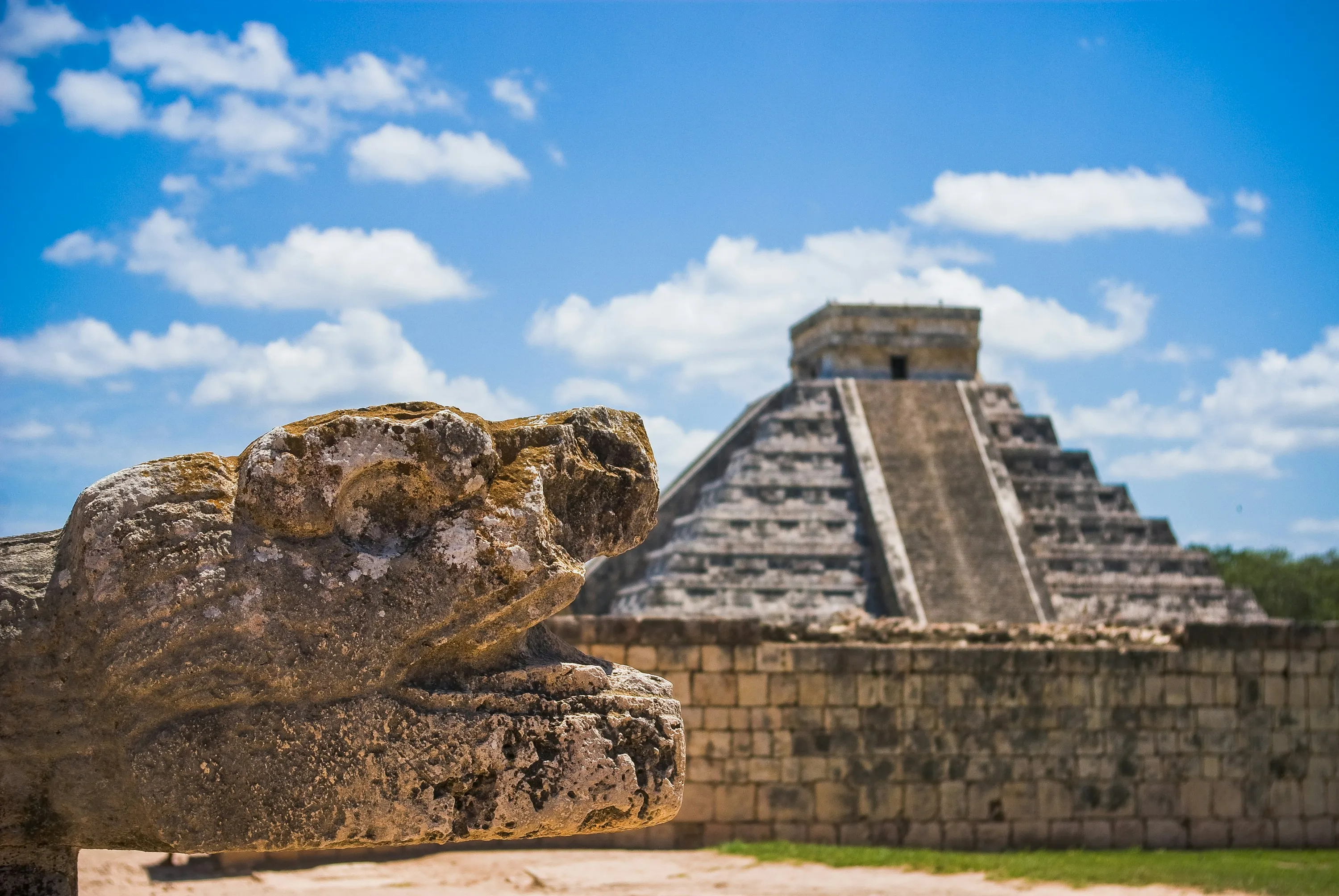
- Chichén Itzá: Considered one of the wonders of the modern world, this ancient Mayan city is a historical landmark for its Kukulcán pyramid.
- Oaxaca: A city recognized for its colonial architecture, its vibrant cultural atmosphere, and the archaeological site of Monte Albán.
- San Cristóbal de las Casas: Located in the highlands of Chiapas, it offers a bohemian atmosphere and is the starting point for visiting the Sumidero Canyon.
🌮 Gastronomy and traditions
Mexican gastronomy is internationally recognized for its variety and richness of flavors. The culinary experience is an essential part of any visit to the country:
- Culinary diversity: Each region has its own emblematic dishes, from tacos and tamales to more complex preparations like mole poblano or chiles en nogada.
- Base ingredients: Corn, chili, and beans form the backbone of the local diet, present in countless variations.
- Traditional drinks: Tequila and mezcal are the best-known spirits, although there are non-alcoholic options such as fruit-flavored waters (aguas frescas).
- Festivities: Traditions like the Day of the Dead reflect the local worldview and are periods of great color and cultural significance throughout the territory.
💡 General tips for the traveler
To enjoy a pleasant stay without setbacks, it is recommended to keep the following points in mind:
- Local currency: Although foreign currencies are accepted in some tourist areas, it is preferable to use the Mexican peso for daily transactions and local shops.
- Transport: In large cities, there are public transport networks and mobility apps that are recommended for their convenience. For long distances, first-class buses offer a high-quality service.
- Climate: The country has very varied climates, from the tropical heat of the coasts to cooler temperatures in mountainous areas, so it is suggested to bring appropriate clothing according to the region to be visited.
- Safety: As in any international destination, it is prudent to maintain a vigilant attitude with personal belongings and avoid poorly lit or sparsely populated areas at night.
- Hydration: It is advised to always consume bottled or purified water to avoid common traveler digestive upsets.
🏥 Basic health considerations
When planning your trip to Mexico, it is essential to have clear health guidelines so that nothing interrupts your rest days. You will see that the country has a medical infrastructure that varies depending on where you are, so being well-informed is the first step to enjoying your trip with peace of mind.
In large cities and the most touristy areas, such as Mexico City, Cancun, or Guadalajara, you will find top-tier private clinics and hospitals with advanced technology. The public system exists, but it is often saturated, so as a tourist it will always be in your best interest to use private medicine. You should keep in mind that the costs of these private services can be high, so it is better to go prepared. Medical staff usually speak Spanish, although in centers in more international areas, it is very common to find professionals who communicate well in English.
Taking out travel medical insurance is not mandatory to enter the country, but it is something you should consider as essential. A small mishap can be very expensive if you do not have coverage. Make sure your policy includes hospitalization, medical transfers, and, above all, medical repatriation. It is better to travel with the security that, in the event of any unforeseen event, you will have immediate assistance without your wallet suffering the consequences.
Regarding vaccines, there are none that are mandatory to enter Mexican territory. The most important thing is that you have your routine vaccination schedule updated. Some travelers choose to protect themselves against hepatitis A or typhoid fever, especially if they plan to move through rural areas or eat frequently at local stalls, but it is enough to consult your doctor before leaving to be reassured.
If you need to take your own medication, try to transport it in its original packaging and accompanied by the corresponding medical prescription. This is especially important if it involves controlled drugs or specific treatments that could be reviewed at customs. You will find pharmacies easily in almost any town, where you can buy basic first-aid items, although for certain medications they will always ask for a prescription issued by a local doctor.
Regarding risks depending on the environment, you will notice that the climate varies a lot. In coastal and jungle areas, heat and humidity can be intense, so you must hydrate constantly. Insects are common in these tropical regions, so the use of repellent is fundamental to avoid bites. If you visit high-altitude places, it is possible that you may feel so-called altitude sickness or slight dizziness while your body gets used to the elevation.
Regarding water and food, the golden rule is to never drink tap water. You will always find bottled water or purified water in hotels and shops, and it is the one you should use even to brush your teeth if you want to avoid stomach upsets. You can try the delicious street food, but try to choose stalls that you see are clean and have a large influx of local people. Mild gastrointestinal infections are the most common risk, so it is advisable to eat in moderation for the first few days while your stomach adapts to the new flavors and the spice.
In case of a serious emergency, the number you should dial is 911. This service centralizes ambulance and police attention throughout the country. If you have insurance, the ideal thing is to call their assistance number first so they can coordinate sending help to your location and tell you which hospital to go to directly.
As final recommendations, always use high-factor sun protection, as the sun can be very strong even on cloudy days. Maintain good hand hygiene and always carry a small disinfectant with you. If you follow these basic tips, you can focus solely on enjoying the incredible landscapes and culture that this destination offers you.
🚌 Transport within the country
To cover the extensive distances of this territory, the airplane positions itself as one of the most efficient options when it comes to connecting distant regions quickly. However, the bus network is the true backbone of national transport, connecting practically all cities and towns. This service stands out for its organization into different service levels, where long-distance routes are usually carried out in modern and well-equipped vehicles, offering a comfortable and functional travel experience for the visitor.
In large cities, travelers have access to metro systems, urban bus networks, and light trains. Signage is usually clear and designed to facilitate the constant flow of people, allowing tourists to orient themselves with relative ease at transfer points. In these environments, the use of taxis and ride-sharing app services is extremely common, representing a direct and simple alternative for moving between specific points without depending on fixed schedules.
The situation changes slightly when moving toward rural areas or smaller communities, where transport tends to be more informal and depends on smaller vehicles or local trucks. In these areas, frequencies may be less regular and the infrastructure simpler. On the other hand, in coastal and island regions, the ferry is an indispensable means for passenger transfer, maintaining stable and frequent connections with the main beach destinations.
Regarding reliability, transport services between cities usually stick to their itineraries, although it is important to consider that heavy traffic in urban centers can affect the punctuality of road journeys. The ticket purchasing process is simple and can be done at the stations or terminals themselves, where the predominant language is Spanish, although in the more touristy points, it is possible to find staff with notions of other languages.
Tip: It is convenient to organize road trips considering extra time, as the intensity of traffic at the entrances and exits of major cities can delay journeys more than expected.
🤵 Culture and etiquette
In Mexico, interpersonal treatment is usually characterized by kindness and the constant use of polite formulas. When entering an establishment or interacting with strangers, it is a basic social norm to greet with a “buenos días” (good morning) or “buenas tardes” (good afternoon), as well as to say goodbye formally. In social settings, greetings often include physical contact, such as a firm handshake between men or a kiss on the cheek between women, or between men and women who already have a certain level of trust. The use of professional titles, such as “licenciado” or “doctor”, is frequent and is considered a sign of respect for the person’s training and experience.
Communication tends to be indirect and very polite, prioritizing the maintenance of harmony in the interaction. It is common for blunt negative answers to be avoided, opting for softer expressions so as not to seem impolite. In public spaces, behavior is usually respectful and the volume of voice moderate, even though the atmosphere in markets or festivities is naturally more vibrant. Regarding punctuality, it is important to distinguish between professional commitments, where formality is expected, and social gatherings, where there is greater time flexibility and arriving somewhat after the appointed time is a socially accepted practice.
Gastronomy occupies a central place in the daily and social life of the country. Meals are not just a biological necessity, but an act of coexistence that often extends with the sobremesa, that time of conversation that continues after finishing the food. In restaurants, it is an established custom to leave a tip of between 10% and 15% of the total bill, as it is considered a fundamental part of recognizing the service received. If an invitation to a private home is received, it is positively valued for the guest to arrive with a small gift, such as flowers or sweets, as a sign of gratitude for the hospitality.
Respect for religious spaces and ancestral traditions is fundamental for harmonious coexistence. When visiting churches, basilicas, or sacred sites, it is important to maintain a low tone of voice and dress discreetly. Mexico is a country with a great diversity of indigenous communities that maintain their own customs and traditions; in these contexts, it is essential to show an attitude of listening and respect, avoiding interfering in rituals and always requesting permission before taking photographs of people or private ceremonies.
Tip: In daily conversations, the use of the word “ahorita” is very frequent, which has an elastic temporal meaning that can indicate anything from an immediate action to an indefinite time, so it is recommended to politely confirm if precision is needed regarding a commitment.
🍛 Typical gastronomy
Mexican gastronomy is one of the richest and most varied cultural manifestations, based on a millenary tradition that combines ancestral techniques with later influences. Corn, chili, and beans constitute the basic pillars of its cuisine, present in an infinite number of shapes and textures. Flavors are usually complex and deep, thanks to the use of various varieties of dried and fresh peppers, as well as local aromatic herbs that provide very characteristic nuances to each stew.
Eating habits in the country place great importance on the comida (midday meal), which is usually the main meal of the day and is typically served between 2:00 PM and 4:00 PM. This moment is considered a social act and is usually enjoyed without haste. In catering establishments, it is common to find attentive service. Additionally, street food or market stalls play a fundamental role in daily life, offering quick options representative of each region in an informal atmosphere.
Regarding drinks, natural aguas frescas, made with seasonal fruits, flowers, or seeds, are the most common accompaniment during lunch. Coffee consumption is also widespread, highlighting flavored artisanal preparations. When sitting at the table, it is common to find different types of salsas laid out so that each diner can customize the level of spice, although it is recommended to try them with caution initially to accustom the palate to the intensity of local flavors.
| Dish | Description | Main ingredients | Where to try it | Tip |
|---|---|---|---|---|
| Tacos al pastor | Thin slices of marinated meat served on small corn tortillas. | Pork, achiote, pineapple, onion, and cilantro. | Traditional taquerías in Mexico City. | Try with a few drops of lime to balance the flavor of the marinade. |
| Mole poblano | Dense and complex sauce generally served over pieces of poultry. | Various chilies, bitter chocolate, seeds, and spices. | Regional cuisine restaurants in Puebla. | It is a substantial dish, ideal to enjoy as a main meal. |
| Pozole | Traditional and comforting broth containing specific corn kernels. | Cacahuazintle corn, meat (pork or chicken), and spices. | Pozolerías and markets throughout the center of the country. | Customize with radish, lettuce, and oregano to taste before eating. |
| Cochinita pibil | Shredded meat slowly cooked after a citrus marinade. | Pork, sour orange juice, achiote, and spices. | Fondas and markets of the Yucatan Peninsula. | Always accompany with the pickled red onion garnish. |
| Chiles en nogada | Stuffed pepper covered in a walnut sauce and fruit seeds. | Poblano chili, minced meat, Castile walnut, and pomegranate. | Specialized restaurants during the months of August and September. | It is a seasonal dish; check availability according to the time of year. |
📷 Zones and places to visit
The journey through this country usually begins in Mexico City, an immense urban area where different eras of history merge. In its Historic Center, colonial architecture surrounds the Zócalo, while just a few steps away are the ruins of the Templo Mayor, a vestige of the ancient Aztec capital. Neighborhoods like Coyoacán preserve the air of an old town with their squares and colorful houses, while areas like Roma and Condesa show the most cosmopolitan and contemporary face of the capital. The cultural offering is very broad, highlighting the National Museum of Anthropology, which allows for an understanding of the evolution of Mesoamerican civilizations before exploring the rest of the territory.
Inland, the landscape transforms into a succession of cities with a rich colonial legacy. San Miguel de Allende and Guanajuato are outstanding examples of how Baroque architecture and tree-lined squares define the character of the central region. These cities invite you to walk through their cobbled alleys and visit their numerous temples and traditional markets. It is in these areas where the contrast between modern urban life and the rural traditions that still live on in nearby towns, known for their craftsmanship and local gastronomy, is best perceived.
The footprint of pre-Hispanic cultures is visible in numerous archaeological sites distributed throughout the geography. Near the capital, the pyramids of Teotihuacán represent one of the most important urban centers of the ancient world. Further south, in the state of Oaxaca, the site of Monte Albán offers a panoramic view of the surrounding valleys, while the city of Oaxaca stands out for its festive atmosphere and its markets, where you can find textiles and typical products of the region.
The region of Chiapas offers an immersion into nature and Mayan history. Places like the ruins of Palenque, immersed in the jungle, contrast with the natural beauty of the Sumidero Canyon and the indigenous communities around San Cristóbal de las Casas. It is an area where mountains and exuberant vegetation dominate the environment, offering routes for those seeking contact with less urbanized landscapes and a direct connection with the deepest cultural roots.
The Yucatan Peninsula is another fundamental region, famous for combining globally relevant archaeological sites with coastal natural environments. The Riviera Maya and Tulum are known for their white sand beaches and transparent waters, but also for the presence of cenotes, underground freshwater deposits that were sacred to the Mayans. Cities like Mérida act as cultural centers where the elegance of their avenues mixes with the music and traditions of the area, serving as a base for exploring the Gulf coast.
Finally, the Pacific coast and the north of the country show a notable geographical diversity. From the arid landscapes and coastal areas of Baja California, where marine fauna can be observed in the wild, to the towns on the coast of Jalisco and Nayarit, the atmosphere is relaxed and close to the sea. In the northern interior, routes through the Sierra Madre and the vast stretches of desert offer a very different view of the country’s identity, completing a mosaic of experiences ranging from high mountains to tropical plains.
“Tip”: You cannot miss visiting Chichén Itzá, the most emblematic place in the country.
✈️ Best season to travel
Mexico is a destination that can be enjoyed throughout the year due to its large territorial extension and its diversity of ecosystems. The choice of the ideal time depends largely on personal preferences: while coastal areas maintain constant warm temperatures, the inland regions and mountainous areas present a greater thermal oscillation. In general terms, the dry period, which spans from late autumn to spring, is usually the most frequented by those seeking to avoid recurring rainfall and enjoy clear skies.
During the summer months and early autumn, the landscape transforms, showing greener and more exuberant vegetation thanks to the rainy season, which usually manifests with afternoon showers that do not hinder tourist activity. This variability allows for finding different experiences in each season, from observing unique natural phenomena and wildlife migrations to participating in deeply rooted cultural festivities distributed throughout the calendar.
| Season | Months | Typical climate | What to expect | Tourist influx |
|---|---|---|---|---|
| Spring | Mar – May | Warm and mostly dry. Temperatures rising. | Jacaranda blooming, cultural festivals, and sunny days in archaeological zones. | ⭐⭐⭐ (High) |
| Summer | Jun – Aug | Hot and humid. Rainy season with afternoon showers. | Green and lush landscapes, swimming with whale sharks, and school holidays. | ⭐⭐⭐ (High) |
| Autumn | Sep – Nov | Temperate temperatures. Gradual decrease in rain. | Traditional celebrations like the Day of the Dead and arrival of migratory species. | ⭐⭐ (Medium) |
| Winter | Dic – Feb | Cool inland and mild on the coast. Dry and clear weather. | Whale watching in the Pacific, monarch butterflies, and festive atmosphere. | ⭐⭐⭐ (High) |
🗣️ Basic vocabulary
Knowing some local expressions will help you navigate with greater ease during your stay in Mexico. Although the language is the same, there are specific terms and polite formulas that facilitate communication in daily situations, such as when ordering in a restaurant, buying at a market, or asking for directions.
Using these words is not only a practical matter for obtaining information clearly but also a way to show respect for local customs and encourage smoother interaction with the people you meet during your trip.
- ¿Qué onda?: A very common and informal way of saying “what’s up?” or “how are you?”.
- Mande: Commonly used to ask someone to repeat what they said or to respond when called, functioning as a polite formula.
- Con permiso: The fundamental expression for passing through people, entering a premises, or excusing oneself from a conversation or table.
- La cuenta, por favor: The standard phrase to request the bill in hospitality establishments.
- Ahorita: Means “in a moment,” although its temporal interpretation is flexible and can refer to something that will be done soon or in an indefinite future.
- Padre: Adjective used to indicate that something is good, beautiful, or nice.
- ¿Cuánto cuesta?: A direct and necessary expression to ask the price of any product or service.
- Gracias / De nada: Essential polite words that are constantly used in any social interaction to maintain a friendly treatment.