


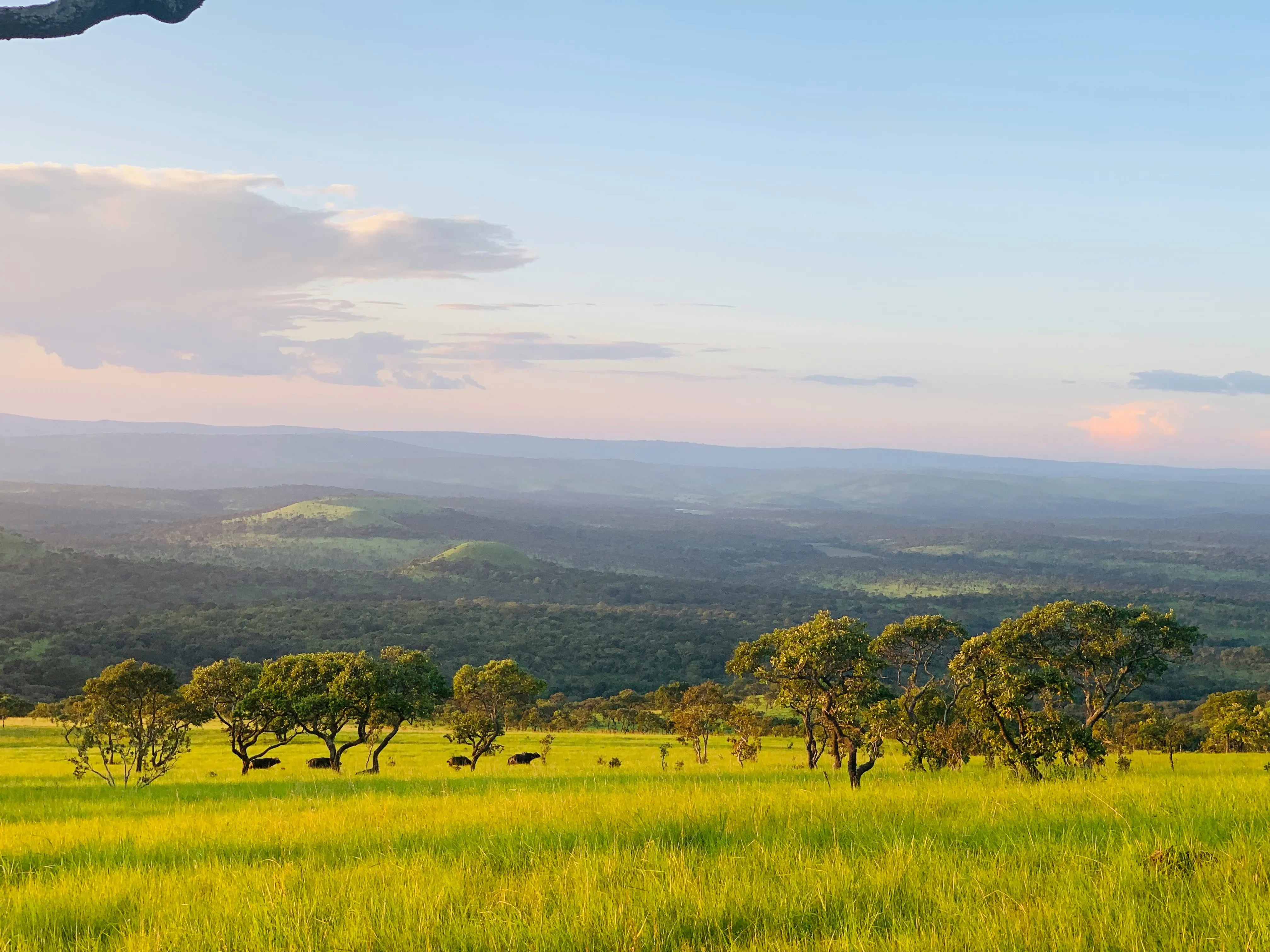
Burundi
A small country of mountainous terrain, tropical rainforests, and the beautiful shores of Lake Tanganyika, offering an authentic and tranquil African experience.
Quick Facts
- Capital
- Gitega
- Language
- Kirundi
- French, English
- Currency
- Burundian franc (BIF)
- Best time to visit
- From June to August and from December to January, during the dry seasons.
- Budget per day
- $30 - $120 per day
- Climate
- Equatorial climate with moderate temperatures in the highlands and constant humid heat in the lowlands.
- Connectivity
- low
- Easy to obtain in major cities with local operators.
- Electricity
- Type C / E (220V)
- Local transport
- limited
- Card usage
- cash is more common
- Tipping
- optional
🌎 Introduction
In the heart of the Great Lakes region, the terrain unfolds in an endless series of green hills that define both the landscape and the way of life of those who inhabit it. It is a corner where time seems to be marked by the leisurely sway of Lake Tanganyika, whose shores offer a respite of fresh water and clear sand against the density of the forests and tea plantations that climb the slopes.
The essence of this place is perceived in the everyday: in the aroma of coffee that permeates the local markets and in the deep sound of traditional drums, which resonate like a constant heartbeat linked to the history of its people. Between the dry and rainy seasons, the land transforms and displays a color palette ranging from the ochre of the roads to the intense green of the cultivated valleys, allowing for a slow look at a culture that maintains its roots naturally.
🛡️ General safety
Burundi is a country that, although it offers impressive natural beauty and a vibrant culture, requires the traveler to maintain a high level of caution and stay constantly informed. In general terms, safety for tourists is considered to be at a medium-low level compared to more established international destinations, primarily due to its political and economic context.
The country has gone through periods of instability, so the traveler should not be alarmist, but must be extremely aware of their surroundings. Local hospitality is notable, but the security infrastructure is still developing, which means that personal prevention is the best tool for an incident-free trip.
Crime and common risks
Crime in Burundi is often motivated by economic factors, focusing mainly on crimes of opportunity.
- Pickpocketing and bag-snatching are the most frequent incidents, especially in crowded areas such as markets, transport stations, and high-traffic areas in the capital.
- Thefts of mobile phones and cameras are common if they are displayed carelessly in public spaces.
- Minor scams targeting tourists, such as overcharging for basic services or products, can occur; it is always advisable to agree on prices beforehand.
- Although less common, cases of robbery with intimidation have been reported in isolated areas or during the night, so walking in poorly lit or lonely places is strongly discouraged.
Safety in cities and tourist areas
The safety situation can vary significantly between the economic capital, Bujumbura, and rural areas or the political capital, Gitega.
- In Bujumbura, the central neighborhoods and areas near international hotels are relatively safe during the day, but walking after dark is not recommended.
- Urban centers have a police presence, which creates a sense of order, although travelers should be prepared for potential identity checks.
- In tourist areas, such as the shores of Lake Tanganyika, security is usually higher due to the private surveillance of the establishments, but it is best not to wander far from the areas designated for visitors.
- It is recommended to avoid any type of demonstration or gathering of a political nature, as they can become unpredictable suddenly.
Transport safety
Transport is one of the points where the traveler must pay the most attention to their personal and road safety.
- In Burundi, people drive on the right, but the condition of the roads and signage is poor in many parts of the country.
- Public transport (minibuses) is usually very congested and does not always meet mechanical safety standards, so its use is not the most recommended option for tourists.
- Official taxis are the safest option for moving around the city; it is recommended to request one through the hotel or use trusted drivers known in advance.
- The use of moto-taxis (motorcycles) is common but carries a high risk of accidents; if used, the use of a helmet is essential and extreme caution must be taken.
- Night driving on interurban roads is strongly discouraged due to the lack of lighting, the presence of pedestrians or animals on the road, and the risk of assaults on isolated routes.
Natural and climatic risks
Burundi’s geographical environment presents some natural risks that are closely linked to its seasonal cycles.
- Torrential rains are common during the wet seasons (February to May and September to November), which can cause flash floods and landslides in mountainous areas.
- Extreme heat can be a risk factor in low-lying areas, especially near Lake Tanganyika, so constant hydration is essential.
- Burundi is located in an area of seismic activity, so although not frequent, there is the possibility of small earth tremors.
- It is important to stay informed about the state of the routes before embarking on long trips during the rainy season, as many tracks can become impassable.
Local legislation and norms
Respect for local laws and customs is essential to avoid misunderstandings with the authorities.
- It is strictly forbidden to photograph government buildings, military installations, airports, or bridges; non-compliance can lead to equipment confiscation or arrests.
- It is mandatory to always carry an original identity document (passport) or a certified copy, as police checks are frequent.
- Drug consumption and trafficking are punishable by very severe sanctions and prolonged prison sentences.
- It is advisable to maintain a discreet and respectful attitude regarding local political issues and avoid public comments that could be misinterpreted.
Safety for specific groups
There are important particularities that certain groups of travelers should consider before visiting the country.
- Female travelers: Burundi is a traditional country. Although women can travel alone, it is recommended to dress modestly and avoid walking unaccompanied at night to prevent unwanted attention.
- LGTBIQ+ travelers: Homosexuality is illegal in Burundi and is socially stigmatized. Public displays of affection can lead to serious legal problems, including prison sentences. Maximum discretion is recommended.
- Traveling with children or the elderly: Medical infrastructure is limited. It is vital to travel with international medical insurance with broad coverage that includes air evacuation and to carry the necessary medications for the entire trip.
Emergencies and assistance
In case of an incident, it is crucial to act calmly and contact the authorities or your consular representation.
- The general police number in Burundi is 117.
- For medical emergencies and ambulances, you can dial 112.
- Emergency services may have slow response times and operators do not always speak languages other than French or Kirundi.
- In case of theft or loss of documents, go to the nearest police station to file a report and immediately contact your country’s embassy or consulate to manage the necessary emergency travel documents.
> Tip: Always maintain a low profile, avoid showing valuables in public, and use only transport recommended by your accommodation to minimize any safety risks.
📝 Entry requirements
To undertake a trip to Burundi, the fundamental document that every traveler must possess is a passport with current validity, which is usually required to be at least six months from the moment of entry. It is convenient for the document to have enough blank pages for the stamping procedures carried out at border control points, whether at airports or land access points.
Regarding stay authorization, most international visitors need to arrange a tourist visa before their arrival. This permit is usually granted for limited stay periods, frequently about thirty days, and its processing is usually done through diplomatic representations or authorized platforms. During the entry process, authorities may request the presentation of an exit ticket from the country or for continuation to a third destination, as well as verification that sufficient financial funds are available to cover the expected expenses during the visit.
Controls at access points are usually exhaustive. Regarding customs restrictions, it is important to consider that the transport of certain items may be regulated. In the case of medications, it is recommended that these travel accompanied by their corresponding prescription or medical report. Likewise, there are common limitations on the entry of fresh products or unprocessed foods to protect the local environment.
From a health standpoint, it is standard for an international certificate of vaccination against yellow fever to be required, especially if one has traveled through areas where this disease is considered endemic. In addition to this requirement, it is advisable for the traveler to inform themselves about other recommended vaccines and general health prevention measures for tropical environments, always adapting precautions to the characteristics of the itinerary and the duration of the stay.
- Identity document: Passport with minimum six-month validity and blank pages.
- Tourist visa: Generally required for international visitors before arrival.
- Length of stay: Usually authorized for a period of up to thirty days.
- Travel logistics: Possible request for a return ticket and proof of financial solvency.
- Health requirements: Frequent presentation of the yellow fever vaccination certificate.
- Customs regulations: Control over prescription medications and restrictions on the import of fresh foods.
- Border controls: Standard registration and verification procedures at entry points.
🏥 Basic health considerations
When preparing your trip to Burundi, it is important to keep in mind that the country’s healthcare system is quite limited. You will find the most reliable services in the capital, Bujumbura, where there are private clinics that offer better care than public centers, although for serious cases, medical evacuation to neighboring countries is standard. You should know that the cost of private medicine for a tourist is high and usually requires payment in advance, so having financial resources or good backing is essential. Regarding language, you will see that most healthcare personnel communicate in French or Kirundi, so a basic level of French will be very helpful.
Although it is not a strict legal requirement to obtain a visa in all cases, taking out travel medical insurance is something you should consider essential. Your policy should be as comprehensive as possible, including coverage for hospitalization, surgeries and, above all, medical repatriation or transfer by air ambulance to another country with better infrastructure. Traveling without this protection can cause a serious problem in case of an accident or sudden illness.
Regarding vaccines, the yellow fever vaccine is mandatory for all travelers, and you will be asked for the international vaccination certificate when entering the country. In addition to keeping your usual vaccination schedule up to date, it is most recommended that you consult with an international medicine center to assess protection against hepatitis A and B, tetanus, and typhoid fever. You will notice that prevention is the best tool for enjoying the journey without shocks.
If you need to take specific medication with you, make sure to transport it in its original container and accompanied by a medical prescription preferably translated into French. Local pharmacies may not have the stock you expect or you might find products of doubtful quality, so it is better to bring a basic first-aid kit from home with pain relievers, disinfectants, wound care material, and gastric protectors. There are usually no severe legal restrictions for common personal use medications, but it is always prudent to take only what is necessary for the duration of the trip.
The most relevant health risk you will find in the country is malaria, which is present throughout the year in much of the territory. You can prevent it by following a prophylactic treatment before and during your stay, in addition to using insect repellent constantly and sleeping under a mosquito net. The hot and humid climate can also cause dehydration, so watch your sun exposure. In high-altitude areas, the climate is cooler but does not usually present serious risks from lack of oxygen for the average tourist.
Regarding daily hygiene, tap water is not potable, so you should only consume bottled water and ensure that the seal is intact. Avoid ice in drinks and be cautious with salads or fruits that you cannot peel yourself. Regarding street food, although you will see very tempting dishes, try to choose places where the cooking is recent and the food is very hot to avoid stomach problems. General hygiene in establishments may be lower than what you are used to, so frequent hand washing will be your best ally.
For any emergency situation, the general emergency telephone number is 112, although the response of public ambulances can be slow or non-existent in rural areas. The most practical thing if you find yourself in a critical situation is to directly contact one of the private clinics in the capital or your medical insurance’s assistance service, who will indicate the nearest and most reliable center to go to.
As final practical recommendations, remember to always carry a copy of your documentation and your insurance with you. Do not bathe in freshwater lakes or rivers to avoid local parasites and wear closed shoes in rural areas. If you follow these tips and maintain common sense, you can focus on discovering the landscapes of this destination without your health being a constant concern.
🚌 Transport within the country
In Burundi, travel across the national territory is primarily done by road, as the country does not have a railway network or subway services or domestic flights for short journeys. Shared minibuses represent the most common means of transport to connect different provinces, generally departing from central stations in main cities toward rural hubs. For those looking for a more autonomous alternative, renting vehicles with a driver is a frequent option among visitors who wish to explore various regions with greater flexibility.
The use of public transport can present certain challenges for the traveler because signage is not always clear and information about routes is usually transmitted orally. Although French is an official language and facilitates communication at logistical points, the purchase of tickets is usually managed in person at the time of travel, without automated advance reservation systems. This requires the tourist to maintain an open attitude and have sufficient time to organize their transfers on the go.
There is a notable difference between mobility in the large cities and the rural environment. In urban centers like Bujumbura, taxis and moto-taxis are omnipresent and very useful for short journeys, allowing for agile movement between different neighborhoods. In rural areas, on the other hand, the frequencies of collective transport are much lower and journeys depend largely on the condition of the roads, which can be less regular outside the main paved axes.
The feeling of comfort and the reliability of schedules are conditioned by the local custom of waiting for the vehicle to be completely full before starting the journey. Therefore, punctuality is not governed by strict clocks, but by passenger demand at each moment. Journeys can be slow, but they offer an authentic view of the landscape and daily life of the country, always under a standard of simplicity regarding infrastructure and vehicle equipment.
Tip: It is very useful to plan trips so that they are always carried out during daylight hours, as the transport offer is drastically reduced at nightfall and driving conditions are more favorable during the day.
🤵 Culture and etiquette
In Burundi, the greeting constitutes a fundamental pillar of social interaction and must never be rushed. It is not a simple formality, but a mutual recognition that usually includes questions about health, family, and general well-being. A prolonged handshake is common, and sometimes people are observed holding their own right forearm with their left hand while greeting, a gesture that denotes a high degree of respect and courtesy toward the interlocutor.
Interpersonal dealings are characterized by a marked appreciation for hierarchy and age. Elders and people in positions of authority hold a place of honor in conversations and everyday decision-making. In public spaces, a moderate voice volume and a serene attitude are preferred; excessive displays of effusiveness or very aggressive body language can be disconcerting. Indirect communication is common, prioritizing tact and diplomacy to avoid situations of direct confrontation or discomfort.
Regarding daily habits, punctuality in social contexts tends to be flexible, as greater importance is given to human relationships and the development of conversation than to strict adherence to the clock. However, in professional settings, greater formality is expected. On the other hand, physical contact between people of the same sex, such as walking hand in hand or standing very close while talking, is a natural expression of friendship and trust that should not be misinterpreted.
Hospitality is a central value in the local culture. If an invitation to visit a home is received, it is common for something to eat or drink to be offered; accepting, even if only a small portion, is perceived as a gesture of gratitude and goodwill. Generally, it is not common to eat in public while walking down the street, as eating is considered a private or social activity that should be done while seated. In restaurants in urban areas, tips are welcome as recognition of good service, although there is no rigid rule about the percentage.
When visiting places of worship or participating in traditional ceremonies, it is essential to observe modest dress and maintain discreet behavior. Before capturing images of people or scenes of daily life, it is an essential etiquette rule to request prior permission. This simple gesture demonstrates sensitivity toward the privacy of others and facilitates a much more positive and open interaction with the local population.
“Tip”: It is highly recommended to avoid rushing during initial social interactions; spending a few minutes on a leisurely exchange of greetings before making any request or inquiry will open many doors and will be interpreted as a sign of great politeness.
🍛 Typical gastronomy
Burundi’s gastronomy is deeply linked to its agricultural environment and the resources offered by Lake Tanganyika. It is a simple, nutritious cuisine based mainly on products from the land. The fundamental elements on the Burundian table are legumes, tubers, and cereals, which are usually accompanied by vegetable sauces or, on special occasions, fish or meat. The basis of the daily diet consists of products such as plantains, cassava, sweet potatoes, and corn, which provide the energy needed for everyday life.
In terms of flavors, local cuisine does not stand out for being excessively spicy; instead, it focuses on the naturalness of the ingredients. It is very common to find dishes where red beans are the protagonists, slow-cooked and mixed with other vegetables. The use of palm oil is frequent in the preparation of stews, contributing a very characteristic color and aroma to the dishes. Being a country with access to the great Lake Tanganyika, fresh fish represents one of the greatest culinary attractions, especially in coastal areas and the capital.
Eating customs reflect the sense of community in the region. Meals are usually social moments and it is common for lunch to be the main meal of the day. In many homes and local establishments, the dish is accompanied by a consistent dough made from cassava or corn flour called pâte or ugali, which is used to scoop up the rest of the food. Although cutlery is used in city restaurants, in more traditional contexts it is common to eat with the right hand, following local etiquette rules.
Regarding beverages, Burundi has a strong tradition in artisanal beer production, with banana beer being one of the most representative in celebrations and rural gatherings. The country is also an important producer of high-quality coffee and tea; these infusions are regularly consumed and form part of the daily landscape. In restaurants, service is usually slow, so it is recommended to enjoy the experience without rushing, understanding that the preparation of fresh food takes time.
| Dish | Description | Main ingredients | Where to try it | Tip |
|---|---|---|---|---|
| Mukeke | It is the most emblematic fish of the country, prized for its fine white meat. | Fresh Mukeke fish, usually grilled or fried. | Restaurants on the shores of Lake Tanganyika and in Bujumbura. | Order it grilled to better appreciate its natural flavor without excess sauces. |
| Ndagala | Small fish similar to anchovies that are eaten whole. | Small fish from the lake, fried or in a stew. | Local markets and food stalls in coastal areas. | Try them fried and crispy as a side dish or appetizer. |
| Ibiharage | A very nutritious bean stew that forms the basis of the local diet. | Red beans, onion, palm oil, and sometimes plantain. | Any home-cooking restaurant or local “buffet.” | It is the perfect accompaniment for a plate of rice or cassava. |
| Brochettes | Meat skewers very popular in social and nightlife. | Goat or beef meat, sometimes alternated with onion. | Local establishments and bars in cities like Gitega. | Accompany them with roasted plantain for an authentic experience. |
| Boko boko | A type of thick porridge or puree of Arab heritage, very traditional. | Ground wheat, meat (chicken or beef), and turmeric. | Traditional cuisine restaurants and celebrations. | It is usually served with a sweet onion sauce that enhances the contrast of flavors. |
📷 Areas and places to visit
Burundi presents itself to the traveler as a relief of contrasts, where the shores of one of the deepest lakes in the world meet green hills that seem never-ending. Exploration usually begins in Bujumbura, the largest city and main economic center, located on the shores of Lake Tanganyika. This city combines colonial heritage with contemporary African vitality. Walking through its streets allows you to discover the Musée Vivant, a space that recreates a traditional Burundian village and houses samples of local fauna, in addition to workshops where artisans work with wicker and wood. The coastal areas of the city, with their clear sand shores, offer a relaxed atmosphere where it is common to observe the daily life of fishermen at sunset.
Moving into the interior of the country, the landscape transforms into a succession of elevations that have given the region the nickname of the African Switzerland. The city of Gitega, the current political capital, stands as a fundamental point for understanding the history of the nation. Here you will find the National Museum of Gitega, which houses a valuable collection of ethnographic artifacts and photographs narrating the transition from monarchy times to the present. The surroundings of Gitega are notably quieter than the coast, offering a deeper perspective on rural life and the traditions that still remain alive in local communities.
One of the greatest cultural treasures is located on the hill of Gishora, where the sanctuary of the royal drums is situated. This place is essential to understanding the country’s identity, as the dance of the drummers is not just a show, but a historical ritual protected as World Heritage. The rhythmic sound and the skill of the performers in this enclave offer one of the most authentic and respectful experiences of the area’s monarchical past. It is an opportunity to closely observe the manufacturing of these instruments and the symbolic importance they have for the local population.
For nature enthusiasts, Rusizi National Park is a mandatory stop due to its proximity to the former capital. This protected space, where the Rusizi River flows into Lake Tanganyika, allows for the observation of hippos, crocodiles, and a great variety of migratory birds in a wetland and palm tree environment. On the other hand, Kibira National Park extends across the peaks of the Congo-Nile ridge, offering a mountain tropical forest landscape that contrasts with the tea plantations surrounding its borders. Walking its trails allows you to appreciate the country’s biodiversity and enjoy panoramic views over the cultivated slopes.
In the southern region, water remains the protagonist with the Karera Waterfalls, a series of cascades surrounded by dense vegetation that invites contemplation and gentle hiking routes. Not far away, in the Rutovu area, lies a monument pointing to the Source of the Nile, a place of great symbolic value marking one of the origins of Africa’s longest river. These spots, away from the urban bustle, show the most serene and natural side of a territory that stands out for its rugged orography and its water wealth.
Tip: You cannot miss visiting Gishora, the most emblematic place in the country.
✈️ Best time to travel
Burundi enjoys a tropical mountain climate that maintains moderate temperatures throughout much of the year despite its location near the equator. The determining factor for planning a visit is the rainfall regime, which is divided into four distinct periods. In general, the months with the least precipitation facilitate road travel and the observation of local wildlife in the national parks.
The travel experience varies significantly according to the seasonal cycle. While the dry season is ideal for enjoying the shores of Lake Tanganyika and hiking, the rainy seasons transform the landscape into an environment of lush vegetation and allow the waterfalls to be appreciated in their maximum splendor. The country’s altitude ensures that the heat is not excessive, providing a pleasant environment for visiting both the capital and rural areas.
| Season | Months | Typical Climate | What to Expect | Tourist Influx |
|---|---|---|---|---|
| Spring | Mar – May | Intense rains and high humidity. Mild temperatures. | Vibrantly green landscapes, high flow in waterfalls, and optimal conditions for nature photography. | Medium - Low ⭐⭐ |
| Summer | Jun – Aug | Main dry season. Clear skies and cool nights. | Ideal time for wildlife viewing, mountain routes, and stays on Lake Tanganyika beaches. | High ⭐⭐⭐⭐ |
| Autumn | Sep – Nov | Short and intermittent rains. Rising temperatures. | Renewal of flora, start of the migratory bird season, and intense agricultural activity in the valleys. | Medium ⭐⭐⭐ |
| Winter | Dec – Feb | Brief dry period with possible occasional showers. | Pleasant weather for cultural tours, local festivals, and visits to tea and coffee plantations. | Medium - High ⭐⭐⭐ |
🗣️ Basic vocabulary
Although French is one of the official languages of Burundi and is commonly used in hotels and tourist services, Kirundi is the main language spoken by the population in their daily lives. Knowing some basic words in this local language will facilitate your interaction with residents and allow you to show respect toward their culture, something that is usually very well received during the trip.
It is not necessary to delve into grammar to manage in everyday situations. Learning the most common greetings and a couple of courtesy expressions will be enough to move with more confidence in markets, transport, or local establishments.
- Bwakeye: Good morning.
- Mwiriwe: Good afternoon or good evening.
- Urakoze: Thank you.
- Ego: Yes.
- Oya: No.
- Amaki?: How are you? or What’s up?
- Ni meza: Well or everything is fine (response to the previous question).
- Amahera: Money.