


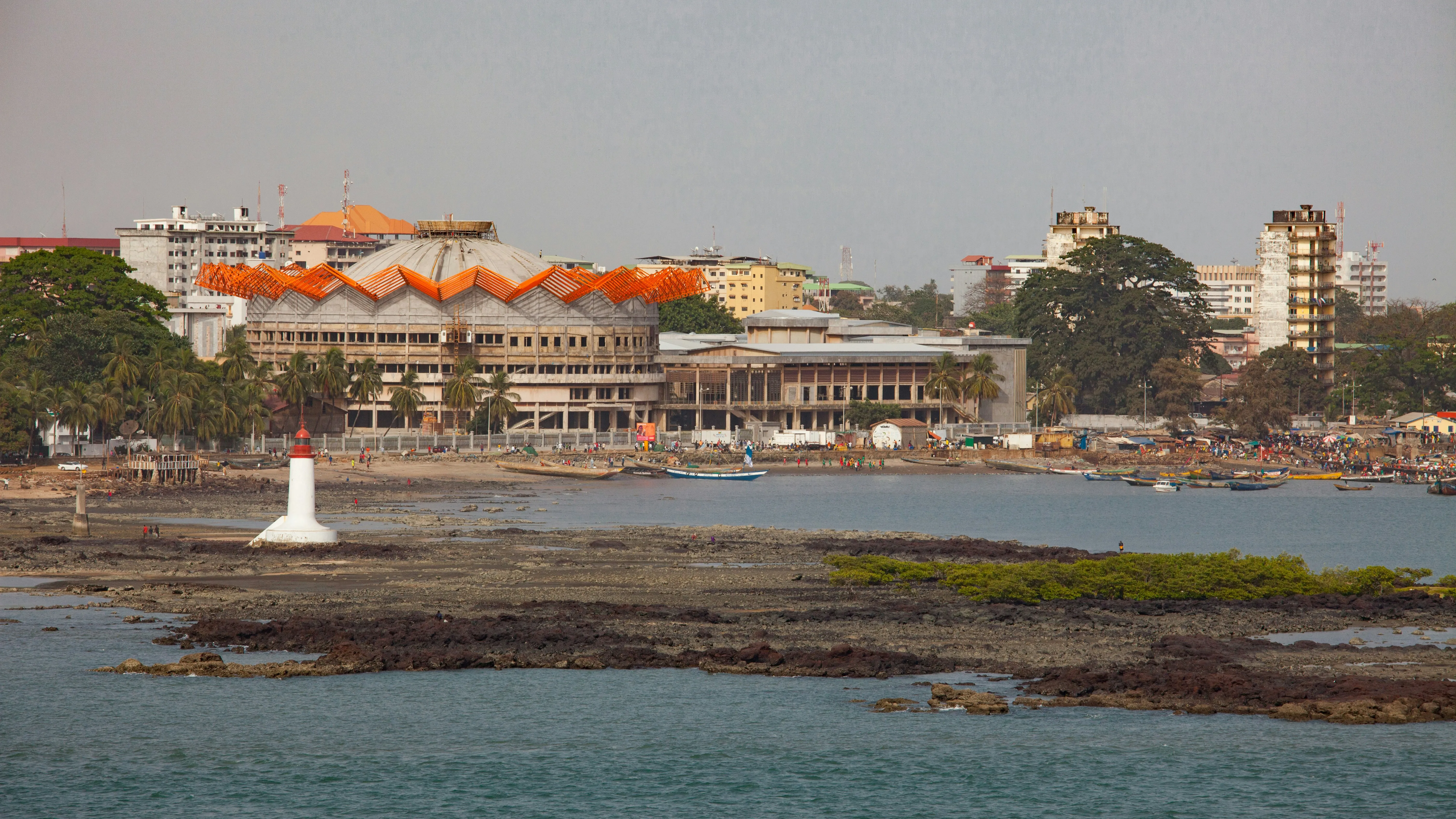
Guinea
Guinea offers captivating natural beauty with its stunning Fouta Djallon highlands, pristine beaches, and a vibrant culture full of authentic traditions.
Quick Facts
- Capital
- Conakry
- Language
- French
- Fula, Mandinka, Susu
- Currency
- Guinean franc (GNF)
- Best time to visit
- From November to March, during the dry season
- Budget per day
- $40 - $120 per day
- Climate
- Tropical climate with a dry season and an intense rainy season; the highlands are cool while the coast is humid.
- Connectivity
- low
- Easy to obtain in local shops and airports with official identification
- Electricity
- Type C / F / K (220V)
- Local transport
- limited
- Card usage
- cash is used more
- Tipping
- optional
🌎 Introduction
Guinea unfolds before the Atlantic as a territory where nature and a slow pace mark daily life. Far from the rigidity of maps, its identity is best understood through the humidity of its jungles, the coolness of the Fouta Djallon highlands, and the constant murmur of the rivers that rise in its mountains to feed much of the continent. It is a place where the cycle of the seasons, divided between the intensity of the rains and the calm of the dry season, defines not only the landscape but also the character of those who inhabit it.
Walking through its markets or visiting its villages allows one to sense a cultural richness transmitted by word of mouth and through music. The sound of the kora or the balafon usually accompanies the afternoons, reminding us that here history is told through song and that the traditions of the different ethnic groups are naturally intertwined. At the table, the aroma of rice with peanut sauce or the flavors of freshly picked tropical fruits offer a necessary pause, while the colorful clothing of those walking the streets brings a particular liveliness to everyday scenes.
This variety is also perceived in the change from the coastal plains to the interior plateaus, where the vegetation becomes sparser and the air lighter. Guinea preserves that essence of places that do not need artificiality to show themselves as they are, offering an experience close to the earth where authenticity resides in simple details: the leisurely greeting on the road, the shade of a century-old mango tree, or the soft light of the sunset falling over the islands near the coast.
🛡️ General Safety
Traveling to Guinea (Guinea-Conakry) offers an authentic experience in the heart of West Africa, although it requires detailed planning and a conscious attitude on the part of the traveler. The country does not have a massive tourist infrastructure, which implies that the safety level is considered medium, with specific challenges that can be managed by following the appropriate recommendations.
The country’s stability has fluctuated in recent years, so the context for the tourist is that of a destination that demands constant precaution. It is not a country with extreme danger for the visitor, but it does require the traveler to be informed about the current sociopolitical situation and avoid any type of crowd or demonstration.
Crime and common risks
Crime in Guinea is usually motivated by economic factors and, for the most part, is not violent towards tourists, although it is advisable to be alert to the following situations:
- Pickpocketing and opportunistic theft: These are common in busy markets, transport stations, and high-traffic areas in the capital. Pickpockets usually act in small groups.
- Minor scams: Situations of overcharging in unregulated services or deception attempts by fake tour guides may occur.
- Nighttime robberies: Walking in poorly lit or lonely areas after sunset is discouraged, as the risk of incidents increases significantly.
- Road checkpoints: It is possible to encounter police or military checkpoints. It is recommended to remain calm, show the necessary documentation, and always be respectful to the authorities.
Safety in cities and tourist areas
Safety varies notably between the capital, Conakry, and rural or coastal areas.
- In Conakry, the Kaloum peninsula (the administrative center) is relatively safe during the day, but in the peripheral neighborhoods, vigilance must be higher.
- Tourist areas such as the Loos Islands are usually safe and quiet, oriented towards relaxation, although it is always prudent to watch personal belongings on the beaches.
- It is recommended to avoid traveling on foot in large cities; using vehicles with a driver is the safest option for moving between different points of interest.
Transport safety
Transport is one of the aspects that requires the most attention from the traveler in Guinea.
- Driving: In Guinea, people drive on the right. The state of the roads is often poor, with many potholes and unpaved sections, especially outside the capital.
- Public transport: Shared taxis and vans (magbanas) often travel overloaded and their mechanical maintenance is limited. They are not considered the safest means for a tourist.
- Rental vehicles: The most recommended option is to rent a 4x4 vehicle with an experienced local driver. This guarantees not only greater road safety but also a mediator who knows the routes and unwritten rules.
- Road trips: Driving at night outside urban centers is strongly discouraged due to the lack of lighting, the presence of animals on the road, and the possible existence of vehicles without lights.
Natural and climatic risks
Guinea has a tropical climate that marks specific rhythms for traveler safety:
- Rainy season: From June to October, torrential rains occur that can cause flooding and landslides, cutting off main roads and making access to rural areas difficult.
- Extreme heat: During the dry season, temperatures can be very high. It is vital to prevent heat exhaustion and dehydration by consuming bottled water and using sun protection.
- Sea currents: In some coastal areas, currents can be strong. It is recommended to swim only in areas recommended by locals.
Local legislation and norms
It is fundamental to respect the laws of Guinea to avoid serious legal complications:
- Identification: It is mandatory to always carry a copy of your passport with a valid visa. It is recommended to leave the original in the hotel safe.
- Photography: It is strictly forbidden to photograph government buildings, military installations, strategic facilities (bridges, airports), or uniformed personnel. Doing so can lead to detention and confiscation of equipment.
- Drugs: Penalties for possession or trafficking of narcotics are extremely severe, and conditions in prison facilities are very poor.
- Clothing and customs: Although it is not an excessively conservative country, it is recommended to dress discreetly, especially when visiting rural areas or places of worship, to respect local culture.
Safety for specific groups
- Female travelers: It is recommended to avoid traveling alone, especially at night. Dressing modestly helps avoid unwanted attention. It is preferable to hire official guides and use accommodation with good references.
- LGTBIQ+ community: Homosexuality is penalized by law in Guinea. Maximum discretion is recommended, and any public display of affection should be avoided to prevent legal or social problems.
- Children and the elderly: Due to deficiencies in the health system and harsh climatic conditions, this type of trip requires comprehensive medical insurance that includes air evacuation and strict control of vaccines and prophylactic measures (such as for malaria).
Emergencies and assistance
Rapid assistance is not always guaranteed due to lack of resources and limited infrastructure.
- Emergency services: There is no centralized emergency system as efficient as in Europe. In case of need, the most common course of action is to contact local police directly or go to the nearest private hospital in Conakry.
- Travel insurance: It is essential to have high-end travel insurance that covers medical repatriation and hospital expenses in quality private centers.
- Communication: In case of an incident, it is vital to contact the nearest consular representation for administrative assistance and guidance.
Tip: Always maintain a low profile, do not flaunt valuables such as jewelry or expensive cameras in public places, and use only transport services recommended by your trusted accommodation.
📝 Entry requirements
To travel to Guinea, it is essential to have a valid passport. Generally, authorities recommend that the document have a residual validity of at least six months from the time of arrival in the territory. It is advisable for the passport to have enough blank pages for the entry and exit stamps issued at border posts.
In most cases, foreign citizens require a tourist visa prior to the start of the journey. This permit usually allows a limited stay, frequently extending for a maximum period of ninety days, although the exact duration depends on the authorization granted by consular or immigration authorities. It is convenient to manage this process with sufficient lead time to avoid unforeseen events during trip organization.
Upon arrival at entry points, whether by air or land, control personnel are likely to request a return ticket or continuation to a third destination. Similarly, travelers may be required to prove they possess sufficient financial funds to cover their expenses during their stay in the country. Security checks are common and part of the standard protocol to ensure a smooth flow of people.
Regarding customs regulations, there are general rules on the transport of medicines. If traveling with specific drugs, it is recommended to carry the corresponding medical prescription. The entry of large quantities of fresh food products or high-value commercial items may be subject to declaration or specific restrictions. Personal items for everyday use do not usually present issues as long as they remain within reasonable quantities for a tourist.
From a health perspective, presenting a vaccination certificate against yellow fever is usually considered essential. In addition to this frequent requirement, health professionals often recommend other preventive measures before departure. Keeping the general vaccination schedule up to date and consulting with a travel medicine center allows one to face the experience with greater peace of mind and well-being.
- Main documentation: Passport with a recommended minimum validity of six months.
- Stay permits: Tourist visa managed in advance.
- Travel proof: Exit ticket from the country and accreditation of financial means.
- Health: Yellow fever vaccination certificate and general medical recommendations.
- Customs: Control of prescription medicines and limits on commercial products.
🏥 Basic health considerations
On your trip to Guinea, you will discover a country with impressive landscapes, but it is fundamental that you pay attention to your health, as the healthcare system is quite limited. You will find that public hospitals often lack modern resources and basic medicines. In the capital, Conakry, you can find some private clinics that offer care closer to international standards for minor problems or stabilization. You should know that the cost of medical care for foreigners is high and advance payment in cash is generally required. Medical staff usually speak French, so having some basic notions of this language will greatly facilitate communication if needed.
Taking out travel medical insurance is not an option, but an absolute priority before departing. It is essential that your policy includes very broad coverage for hospitalization and, most importantly, medical repatriation in a medicalized aircraft. In serious situations, you will most likely need to be transferred to another country with better infrastructure, and without insurance to cover it, the costs would be unaffordable for most people.
Regarding vaccines, the yellow fever vaccine is mandatory for all travelers, and you will be asked for the international vaccination certificate upon arrival at the airport. Additionally, it is highly recommended that you are up to date with vaccines against hepatitis A and B, tetanus-diphtheria, typhoid fever, and meningitis. The standard vaccination schedule of your country is not enough, so we advise you to visit a tropical medicine center in advance to receive personalized advice, especially regarding rabies if you plan to visit rural areas or be in contact with animals.
Preparing a good first aid kit will save you many problems. You should include pain relievers, disinfectants, wound care material, antihistamines, and, above all, preventive treatment against malaria, which you must take following your doctor’s instructions. If you travel with personal medication, make sure to carry it in its original packaging and accompanied by a medical prescription or signed report, preferably translated into French, to avoid any legal inconvenience at border controls.
The most common health risks are related to the tropical climate. You will find intense heat and very high humidity that can cause dehydration if you do not drink liquids constantly. Mosquitoes are the main biological risk, as they transmit diseases such as dengue or malaria. On the other hand, although there are no major risks from altitude, you must protect yourself very well from the sun to avoid serious burns. In stagnant freshwater areas, it is better to avoid swimming to prevent parasitic diseases like schistosomiasis.
Hygiene with water and food will be your best barrier against gastrointestinal diseases. Under no circumstances should you drink tap water; always consume bottled water and ensure that you break the seal yourself. Avoid ice cubes and salads that may have been washed with untreated water. You can try the delicious local cuisine, but try to ensure that dishes are always well-cooked and served hot. As for fruit, the best option is to peel it yourself after washing your hands well with disinfectant gel.
In health emergency situations, the general number is 112, although you must keep in mind that the ambulance service is very deficient and often unavailable. The most effective course is usually to have the phone numbers of the most important private clinics in the area where you are located and go to them by your own means if the situation permits. Urgent care is focused almost exclusively on the main urban centers.
As practical recommendations for your daily life, always use insect repellent with a high concentration of DEET and wear light-colored clothing that covers most of your body at sunset. Do not walk barefoot on sand or damp ground to avoid skin parasites. If you notice fever, muscle pain, or strong discomfort during the trip or upon return, seek immediate medical assistance, mentioning that you have been in a malaria risk zone.
🚌 Transport within the country
To move around the country, travelers mainly rely on road transport, which is the basis of national mobility. Minibuses and shared vehicles are the most common means to connect different regions and cities. Although there are some domestic flights linking the capital with distant points, their frequency is limited. There is no passenger railway network or metro services, so the travel experience focuses on direct contact with the asphalt and rural routes.
Using public transport can be complex for a first-time visitor, as signage is scarce and there are usually no fixed schedules. Tickets are purchased in person at stations or departure points, where communication is mostly in French. It is common for vehicles not to start their journey until all seats are occupied, which requires some patience and flexibility on the part of the tourist.
In urban centers, taxis play a fundamental role. They can be found in both shared and private modes, being a practical option for short trips. There is a notable difference between cities and rural areas, where infrastructure is simpler and transport is less frequent. In these areas, road conditions and weather directly influence the duration of journeys and the choice of the appropriate vehicle.
The comfort and reliability of travel are usually basic. Comfort standards are simple, and unforeseen events on the road are part of the normal travel dynamic. Since punctuality is not a strict rule, it is advisable to organize your days without overly tight schedules. Road safety and the condition of vehicles suggest a leisurely travel approach adapted to local conditions.
“Tip”: It is recommended to make long journeys during daylight hours, as visibility on the roads is much better and it facilitates the resolution of any incident during the way.
🤵 Culture and etiquette
In Guinea, social interaction always begins with a leisurely exchange of greetings. It is considered fundamental to spend time asking about the well-being of the interlocutor and their family before starting any conversation or business matter. Interpersonal treatment is characterized by kindness and the importance of social hierarchies, where elders and people in positions of responsibility receive special respect. Addressing others with courtesy and maintaining a patient attitude are keys to integrating naturally into the country’s daily life.
Behavior in public spaces is usually marked by discretion and a moderate volume of voice. Physical contact, such as a prolonged handshake, is common and symbolizes trust and goodwill. Regarding time management, punctuality tends to be flexible, so it is common for meetings or social encounters to start later than planned. Adapting to this rhythm with tranquility is fundamental for maintaining a harmonious relationship with the local population.
Hospitality holds a central place in Guinean culture. If you receive an invitation to visit a home or share a meal, it is recommended to accept the gestures of welcome, as the offering of food or drink is a sign of generosity. In more traditional settings, collective dishes may be shared; in these situations, the right hand is typically used to eat, following local customs of hygiene and courtesy. Regarding tips, although they are not always mandatory, they are positively valued in tourist services and restaurants as recognition for the service received.
It is of utmost importance to show an attitude of maximum respect towards religious beliefs and ancestral traditions. When visiting places of worship or rural areas, it is advised to dress modestly and always ask before taking photographs of people or monuments. Understanding that daily life is closely linked to the community and traditional values will allow the traveler to move respectfully and avoid any gesture that could be misinterpreted due to a lack of cultural context.
Tip: Before initiating any request or question to a stranger, always greet them cordially and slowly; in Guinean culture, omitting the initial greeting can be perceived as a lack of interest in the person, while spending a few moments on it greatly facilitates any subsequent interaction.
🍛 Typical gastronomy
Guinean cuisine is based on the freshness of its local products and a culinary tradition that takes advantage of the resources of the land and the sea. Rice acts as the central axis of the daily diet, serving as a base for a wide variety of sauces made with vegetables, legumes, and proteins. Flavors are usually intense due to the use of natural ingredients, where palm oil and peanuts provide a very characteristic texture and taste to the main dishes.
In daily life, meals are structured around consistent stews that combine meat, generally chicken or beef, or fish caught in coastal areas. The use of cassava, plantain, and sweet potato is very common, served boiled, fried, or transformed into flours. The aromatic touch usually comes from vegetables like okra, which adds a syrupy consistency to preparations, and a moderate presence of chilies that enhance the dish without necessarily being spicy for all palates.
Table manners reflect a strong sense of community. In many homes and traditional settings, it is common to share food from a large container placed in the center, highlighting the importance of hospitality. A fundamental aspect of local etiquette is always using the right hand to eat. Although the use of cutlery is widespread in cities and tourist-oriented restaurants, the traditional experience remains closely linked to direct contact with the food.
Regarding drinks, natural options are the most frequent accompaniments to dishes. Highlights include cold infusions like bissap, made from hibiscus flowers, and ginger juice, known for its vibrant and refreshing taste. Regarding schedules, lunch is usually the most important meal of the day, typically eaten during the middle of the day, while dinners tend to be lighter or more informal.
| Dish | Description | Main ingredients | Where to try it | Tip |
|---|---|---|---|---|
| Maffé | A dense and nutritious stew with a nut-based sauce. | Peanuts, meat (chicken or beef), and vegetables. | Local restaurants and markets across the country. | Always accompany it with white rice to balance the intensity of the sauce. |
| Yassa | A regionally influenced dish known for its citrusy and juicy touch. | Chicken, lots of onion, lemon, and mustard. | Especially common in coastal areas and Conakry. | It is ideal for those who prefer fresher and less heavy flavors. |
| Riz Gras | ”Fatty” rice cooked in a single pot with the juices of the ingredients. | Rice, palm oil, meat, and various vegetables. | Food stalls and family celebrations. | It is usually a very complete option served as a single dish. |
| Sauce de feuilles | A dark green sauce, very common in the daily diet. | Sweet potato or cassava leaves, smoked fish, and palm oil. | Traditional homes and popular eateries. | The flavor is intense and earthy, a very authentic experience of the area. |
| Kansiye | A meat stew with a combination of sweet and savory flavors. | Beef, peanut paste, and concentrated tomato. | Guinean cuisine restaurants in cities. | Try it with fufu (cassava dough) for a traditional experience. |
📷 Zones and places to visit
The capital of the country, Conakry, presents itself as a vibrant gateway located on the Kaloum Peninsula. It is a center where urban activity mixes with the Atlantic breeze, offering cultural points of interest such as the Sandervalia National Museum, which houses an important collection of traditional art and ethnographic objects. Walking through its streets allows you to discover the Grand Mosque of Conakry, one of the most imposing religious buildings in the region, and the Saint Mary’s Cathedral, which stands out for its red brick architecture. Local markets, such as Madina, are essential spaces to understand the rhythm of local life, where the trade of textiles and agricultural products defines the daily routine.
A short distance from the capital’s coast are the Loos Islands, a small archipelago offering a serene and natural environment. These islands, such as Kassa and Roume, are known for their fine sand beaches and tropical vegetation, becoming the preferred destination for those seeking a day of rest by the sea. Boat trips to these islands allow you to observe the city’s silhouette from the ocean and enjoy a much slower atmosphere than the urban center, ideal for walking along coastal paths or visiting small fishing villages.
Towards the interior, the Fouta Djallon region represents the geographical and spiritual heart of the country. This mountain massif, characterized by its plateaus and deep valleys, is the birthplace of several of West Africa’s most important rivers. The landscape is dominated by rock formations, cliffs, and spectacular waterfalls such as the Ditinn waterfall or the Kinkon waterfall. The area is perfect for hiking, allowing you to connect traditional villages where the mud and thatch architecture remains intact. The city of Labé acts as the main hub of this region, being an important center for crafts and the trade of mountain products.
In the Upper Guinea region, the city of Kankan stands out for its deep historical and cultural relevance. Located on the banks of the Milo River, it is a key center for Mandinka culture and traditional teaching. Visitors can explore its craft markets or stroll along the riverbank, observing the importance of water in the social and economic life of the population. This region offers a savanna landscape that contrasts sharply with the jungles of the south, providing a broad view of the climatic and ecological diversity that defines Guinean territory.
Forest Guinea, in the far south, offers a totally different experience marked by the exuberance of its tropical forests. Here is the Mount Nimba Biosphere Reserve, declared a World Heritage Site. This mountain massif houses exceptional biodiversity, with species of flora and fauna found nowhere else in the world. Routes through this area allow you to venture into dense forests and learn about life in rural communities that maintain a very close link with the natural environment. Near this region, the city of Nzérékoré serves as a base for exploring forested landscapes and learning about local traditions related to nature.
Another relevant natural point of interest is the Voile de la Mariée waterfall, near Kindia. This waterfall is famous for the delicacy with which the water falls over the rocks, creating a mist reminiscent of a veil. Nearby, the city of Kindia is known for its production of indigo-dyed fabrics, a traditional activity that can be observed in its markets. The transition between modern urban areas and rural settings where time seems to stand still is one of the greatest attractions of traveling through the country, allowing the traveler to appreciate both historical monuments and the majesty of its natural parks.
Tip: You cannot miss visiting Fouta Djallon, the most emblematic place in the country.
✈️ Best time to travel
Guinea has a tropical climate that is mainly divided into two periods: the dry season and the rainy season. The choice of travel dates significantly influences the accessibility of certain regions, especially in mountainous and rural areas. Generally, the months that coincide with the northern winter are the most chosen by those seeking to explore national parks and go hiking, as the ground remains firm and skies are usually clear.
However, each season offers a different perspective of the country. While the dry months facilitate road travel and coastal stays, the rainy season transforms the landscape into a garden of intense vegetation and allows you to see the numerous waterfalls of the Fouta Djallon region at their peak. It is important to keep in mind that temperatures remain warm throughout the year, although humidity varies significantly depending on the month.
| Season | Months | Typical climate | What to expect | Tourist flow |
|---|---|---|---|---|
| Spring | Mar – May | Intense heat and progressive increase in humidity. | Beginning of the first rains that cool the environment and preparation of crops. | Medium ⭐⭐ |
| Summer | Jun – Aug | Frequent and abundant rainfall; moderate temperatures. | Vibrantly green landscapes, full rivers, and waterfalls at their peak. | Low ⭐ |
| Autumn | Sep – Nov | Transition from rains to dry weather; decreasing humidity. | Improved visibility in the mountains and optimal conditions for nature photography. | Medium ⭐⭐ |
| Winter | Dec – Feb | Dry and sunny, with cool nights and the presence of the Harmattan wind. | Ease of land transport, cultural festivals, and clear skies. | High ⭐⭐⭐ |
🗣️ Basic vocabulary
Although French is the official language of Guinea and is used in administration and education, the majority of the population habitually communicates in their local languages, such as Fula (Pular), Susu, or Malinke. Knowing some basic expressions in these languages will allow you to move with greater ease in markets, transport stations, or simply when starting an informal conversation with residents.
It is not necessary to delve into grammar or complex structures; the simple act of trying to say hello or thank you in the local language is usually very well received and facilitates a closer and smoother interaction during the trip. These small gestures of courtesy help break the ice and show respect for the country’s culture.
- I ni ce: Thank you (in Malinke).
- Jarama: Hello or thank you (in Pular, language of the Fula ethnic group).
- Tana mǔ na: How are you? or “no problem” (in Susu, very common in the Conakry area).
- Inwali: Thank you (in Susu).
- Won be: Let’s go (useful phrase for coordinating with guides or transporters).
- Jam: Peace or everything is fine (frequently used as a response to any greeting).
- To: Yes.
- A-aye: No.