


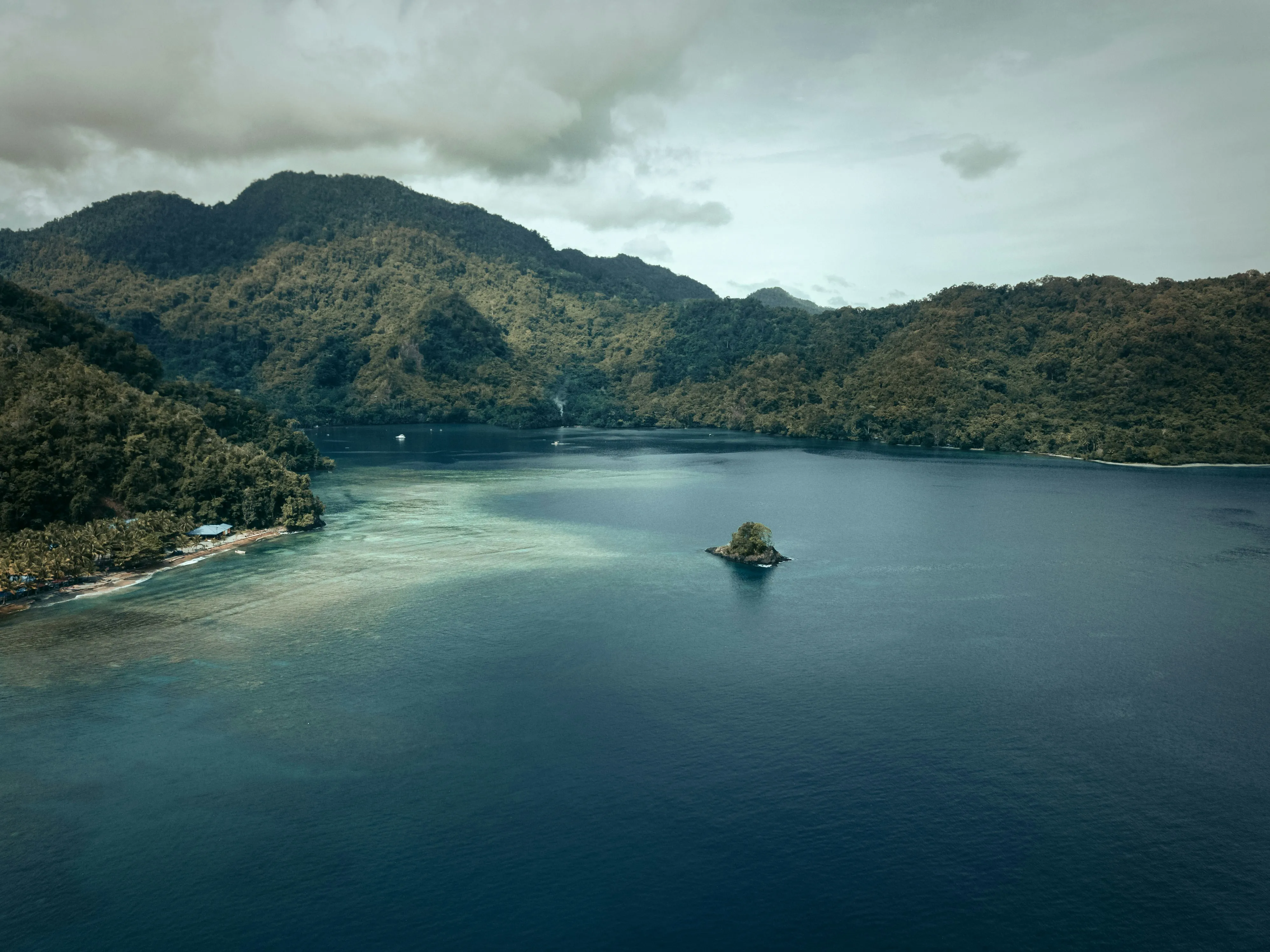
Papua New Guinea
Explore a destination of amazing biodiversity, fascinating ancestral cultures, and pristine landscapes between tropical jungles and world-unique coral reefs.
Quick Facts
- Capital
- Port Moresby
- Language
- Tok Pisin
- English, Hiri Motu, and indigenous languages
- Currency
- Kina (PGK)
- Best time to visit
- From May to October during the dry season
- Budget per day
- $60 - $180 per day
- Climate
- Warm and humid tropical climate year-round, with a marked rainy season between December and March.
- Connectivity
- low
- Available at airports and major cities through Digicel or Telikom.
- Electricity
- Type I (240V)
- Local transport
- limited
- Card usage
- cash is used more
- Tipping
- no
🌎 Introduction
North of Australia and sharing the second-largest island on the planet, lies a territory where geography seems to dictate its own rules. The high mountains of the central range, frequently shrouded in clouds, give way to isolated valleys and coastal plains that overlook a warm sea. In this environment, the passage of time is perceived through the climatic seasons and the change in the landscape, which transitions from the lushness of the rains to the serenity of the drier months, directly influencing the taro and sweet potato crops that sustain its inhabitants.
The identity of this region resides in its mosaic of peoples and languages, a plurality manifested in daily life and in deeply rooted events such as sing-sings. In these gatherings, music and traditional ornaments become a common language that celebrates the heritage of each community. It is common to find everyday scenes where hospitality is intertwined with fishing tasks in winding rivers or the care of gardens, reflecting a deep connection with the land and the sea that has endured through generations.
Observing its corners means coming into contact with a nature that preserves its original state, from the flight of birds with striking plumage to the calm of river villages. It is a space of great cultural and biological variety, where the balance between ancestral customs and modern times offers a slow and different vision of life in the Pacific, far from the most traveled routes.
🛡️ General safety
Traveling to Papua New Guinea represents one of the most authentic and fascinating experiences a traveler can live, although it requires meticulous planning and a conscious approach to personal safety. The country is a mosaic of stunning cultures and landscapes, but its tourism infrastructure and social environment pose challenges that should not be ignored.
General safety level
- The safety level in the country is considered moderate to high risk, depending exclusively on the area visited and the traveler’s experience.
- Compared to other destinations in Southeast Asia or the Pacific, Papua New Guinea requires a higher degree of precaution and constant vigilant attitude.
- The context for the traveler is that of a country with strong tribal traditions and rapid urban development, where social tensions can surface unexpectedly, especially in urban centers.
Crime and common risks
- The most common crimes that can affect tourists are thefts and robberies of belongings, frequently carried out by groups of young people known locally as “raskols.”
- Scams are not as sophisticated as in other countries, but it is common to attempt to overcharge for guide or transport services if the price is not agreed upon beforehand.
- Incidents of violence usually occur between local groups, but tourists can be indirectly affected if they are in the wrong place; therefore, it is essential to avoid crowds or demonstrations.
- A rare but existing risk is road blockades in rural areas due to land disputes or compensation, something that is usually resolved through mediation but can cause significant delays.
Safety in cities and tourist areas
- Port Moresby, the capital, and cities like Lae or Mount Hagen, present the greatest security challenges. In these cities, walking on the street is not recommended, even during the day, in areas that are not strictly residential or guarded.
- Tourist or business neighborhoods usually have private security and perimeter walls, which is the norm in the country to ensure the peace of mind of visitors.
- In rural areas or more remote islands, safety tends to be much higher thanks to the hospitality of local communities, although it is always advisable to travel with a guide belonging to the area.
- To move around peacefully, the ideal is to organize all transfers through the hotel or a trusted travel agency.
Transport safety
- Public transport mainly consists of PMVs (Public Motor Vehicles), which are adapted vans or trucks. Although they are inexpensive, they do not always comply with safety standards and can be the scene of thefts, so their use by tourists is not recommended.
- The exclusive use of hotel taxis or previously contracted private transport services is recommended. You should not flag down taxis directly on the street.
- Regarding driving, in Papua New Guinea you drive on the left. Roads outside cities are often in poor condition, with deep potholes and a lack of signage.
- During the rainy season, many roads become impassable, so vehicle rental is only recommended if it is a 4x4 and the driver has experience in difficult terrain.
Natural and climatic risks
- The country is located in the Pacific Ring of Fire, which implies regular seismic activity. Earthquakes are frequent, although most are of low intensity.
- Several active volcanoes exist, especially in the islands and in the Madang province; it is vital to check the activity status before going on hiking excursions in these areas.
- The climate is tropical, with a rainy season (generally from December to March) that can cause flooding and landslides that cut off land communications.
- Extreme heat and humidity are constant, which can cause dehydration or heatstroke if proper precautions are not taken.
Local legislation and norms
- Laws regarding the possession and consumption of drugs are extremely strict, with long prison sentences.
- It is important to know that respect for land ownership is fundamental; almost all the territory belongs to clans or tribes, so entering a property or photographing certain places without permission can lead to conflicts or requests for financial compensation.
- Non-compliance with social norms or lack of respect for local leaders (bigmen) can generate unnecessary tension. Modest dress is recommended, especially in rural areas.
Safety for specific groups
- Female travelers: It is recommended to avoid walking alone, especially at dusk or in isolated areas. It is preferable to travel in a group or with recognized local guides to avoid harassment or uncomfortable situations.
- LGTBIQ+ travelers: Homosexuality is technically illegal and socially taboo in the country. It is recommended to maintain an extremely discreet attitude and avoid public displays of affection to avoid legal or social problems.
- Children and the elderly: The main concern is the limited healthcare infrastructure. Food hygiene measures must be extreme, and medical insurance with air evacuation coverage is necessary.
Emergencies and assistance
- The general emergency number for police is 000 and for ambulances is 111, although the response can be slow or non-existent outside major cities.
- Quality emergency services and hospitals are only found in Port Moresby. In the event of a serious medical emergency in a remote area, the only option is usually private evacuation.
- In the event of any incident, contact the embassy or consulate providing assistance to citizens of your nationality immediately for guidance and support.
Tip: Always hire high-end travel insurance that includes air medical rescue and evacuation, as the costs of these services in remote areas of Papua New Guinea can be astronomical.
📝 Entry requirements
To begin the journey to Papua New Guinea, international visitors must have a valid passport with a minimum validity, usually six months from the planned date of arrival. It is essential that the document is in perfect physical condition and has enough blank pages for the entry and exit stamps that will be applied at immigration controls.
In most cases, access to the territory for recreational purposes requires obtaining a tourist visa or prior electronic authorization. This type of permit usually grants a maximum stay ranging between thirty and sixty days, allowing the traveler to tour the various regions of the country within that period. It is recommended to manage this process with sufficient notice to avoid unforeseen events before boarding.
Upon arrival at border control points, immigration authorities usually request the presentation of an onward or return ticket, proving the intention to leave the country to a third destination or the place of origin before the stay permit expires. Similarly, proof of financial solvency may be required, through which the tourist accredits having sufficient funds to cover their maintenance and accommodation during their stay.
The country maintains very strict biosecurity and customs regulations to protect its biodiversity. At entry points, baggage inspections are carried out to identify unauthorized food, plants, or animal products. Regarding personal medications, it is advisable to carry them in their original packaging and accompanied by a copy of the medical prescription in an international language to facilitate the work of customs agents.
In the health field, a specialized medical consultation is suggested before departing. While health requirements can vary, a yellow fever vaccination certificate is usually requested from those travelers coming from areas with a risk of transmission of this disease. Likewise, due to the geographical characteristics of the area, preventive measures against mosquito-borne illnesses and other general travel medicine precautions are commonly recommended.
- Essential documentation: Passport with a minimum validity of six months and free pages.
- Entry authorization: Tourist visa managed prior to the trip.
- Typical stay period: Periods of up to sixty days are generally authorized.
- Exit requirements: Presentation of a transport ticket confirming departure from the territory.
- Financial accreditation: Demonstration of financial means to cover stay expenses.
- Customs restrictions: Rigorous control of organic products, seeds, and protected species.
- Health certifications: Documentation of specific vaccines according to the traveler’s origin.
🏥 Basic health considerations
When traveling to Papua New Guinea, you will notice that the healthcare system is quite limited compared to international standards. In the capital, Port Moresby, you will find some private clinics that offer acceptable care for minor problems or basic diagnoses, but in rural areas, the infrastructure is very precarious or non-existent. As a tourist, it is standard that you must go to private centers if an unforeseen event arises, as public healthcare is often saturated and lacks basic medical supplies. Prices for foreigners are high, so any consultation or treatment can involve a significant expenditure. Healthcare staff usually communicate in English, which is one of the official languages and the one commonly used in the medical field.
Hiring travel medical insurance with broad coverage is not just advice, but an absolute necessity before landing in the country. It is fundamental that your policy includes medical air evacuation and repatriation, as in the event of a serious emergency, you will most likely need to be transferred to Australia or Singapore to receive proper treatment. Ensure that your insurance also covers long-term hospitalization costs and does not force you to advance large amounts of cash, something that can be complicated to manage at the destination.
There are no mandatory vaccines to enter Papua New Guinea, unless you are coming from a country with a risk of yellow fever transmission, in which case they will ask for the international vaccination certificate at the border. Recommended vaccines for any traveler include Hepatitis A and B, typhoid fever, and tetanus-diphtheria. It is a very good idea to check if your regular vaccination schedule is up to date before leaving. I suggest consulting with a tropical medicine center in advance to receive personalized advice according to the exact areas you will visit.
If you take any specific medication, it is best to take enough for your entire stay in its original packaging. You should always accompany your medicines with a medical prescription in English or a certificate justifying its use to avoid problems with customs authorities. Do not rely on finding specific drugs in local pharmacies, as shortages are frequent and there is a risk of finding low-quality or counterfeit products. A small first-aid kit with disinfectant, bandages, basic painkillers, and oral rehydration salts will be very useful during your travels.
The greatest health risk you will encounter is malaria, which is present in almost the entire territory year-round, especially in coastal and low-altitude areas. You should talk to a doctor about the most appropriate prophylaxis and always use powerful repellents with a high concentration of DEET. There are also cases of other mosquito-borne diseases such as dengue. The climate is tropical, with high heat and stifling humidity, which can cause exhaustion or dehydration if you do not rest and drink fluids frequently. In the highlands, the altitude can affect some people, although it is not usually a serious problem if the ascent is gradual.
Tap water is not safe for human consumption anywhere in the country. You will find bottled water easily in the cities, and it is the only one you should drink. Also avoid ice cubes and make sure to wash fruits that you are going to peel yourself. Regarding food, dishes cooked at high temperatures are usually safe, but it is wise to be cautious with street stalls if you notice that hygiene measures are scarce. General hygiene in the country is simple, so carrying hand sanitizer gel at all times will allow you to maintain basic cleanliness before eating.
For any serious medical emergency, the number you should dial is 111, which corresponds to the St John ambulance service. You should know that outside major urban centers, the response time can be very long or there may not even be vehicles available at that moment. In more remote areas, immediate communication with your insurance is vital so they can coordinate the necessary rescue or transfer by other means.
As final practical recommendations, remember to apply high-factor sunscreen constantly, even on cloudy days, to avoid burns from the intensity of the tropical sun. Do not walk barefoot through the jungle or beaches to avoid parasites or small wounds that could quickly become infected due to constant humidity. Finally, always stay well-hydrated and pay attention to any symptoms of fever or malaise, seeking professional medical help without delay if you feel ill.
🚌 Transport within the country
Moving around Papua New Guinea represents a logistical challenge due to its rugged geography and the absence of a road network that integrally connects the entire territory. The domestic flight establishes itself as the primary means of transport for travelers wishing to move between major cities and provinces, as many regions are inaccessible by land. For trips between islands or along coastal areas, local boats and vessels are a common alternative, although their regularity depends entirely on weather conditions and sea state.
Regarding land transport, the most widespread system is the so-called PMVs (Public Motor Vehicles), which are usually vans or trucks adapted for passenger transfer. These vehicles do not operate on strict schedules but usually depart once the capacity is full, requiring some flexibility and patience from the visitor. Signage is limited, so interaction with drivers and residents is essential for orientation. The use of English as an official language facilitates communication, although the operation of public transport may not be intuitive for those used to more structured systems.
There are marked differences between urban centers and rural areas. In major cities, the use of taxis is common for short trips, while in more remote areas, options are considerably reduced, with traveling on foot or in small river canoes being the norm in many communities. The reliability and comfort of journeys can vary significantly, as the state of infrastructure and the weather directly influence travel times and service availability.
Tip: It is advisable to plan transfers with sufficient time and a margin for maneuver, as local weather conditions can change flight and sea schedules unexpectedly.
🤵 Culture and etiquette
Society in Papua New Guinea is based on a deep sense of community and belonging to local groups linked by lineage. When interacting with the inhabitants, it is fundamental to maintain an attitude of respect and patience, as interpersonal relationships are based on building mutual trust slowly. The common greeting is usually a gentle handshake, avoiding overly effusive gestures, and it is common for initial conversations to include general questions about well-being to establish a cordial bond before addressing practical matters.
In public spaces, an atmosphere of tranquility and restraint predominates. The use of a moderate tone of voice is valued, as external displays of anger, direct criticism, or loud arguments usually cause discomfort and are perceived as a lack of harmony. The concept of time is notably flexible; punctuality is usually not as strict as in other cultures, so an adaptable and understanding attitude towards possible changes in schedules or rhythms of daily activities is recommended.
Hospitality is a central pillar of social life. In case of being invited to a home or to participate in a meal, it is considered a gesture of courtesy to accept the offer, even if in small quantities. Regarding financial rewards, tipping is not part of local custom and, in general, is not expected nor necessary in restaurants or tourist services, as generosity is often understood as a social rather than monetary exchange.
It is of utmost importance to show special consideration towards local hierarchies and community elders, who occupy positions of great moral authority. Given that the vast majority of land is communally or family-owned, it is essential to request permission before traveling on trails, accessing beaches, or photographing people and traditional ceremonies. Showing modest dress, especially in rural areas or during village visits, is a simple and effective way to show respect for local sensibilities.
“Tip”: Respect for collective property is fundamental; it is always advisable to ask local leaders before carrying out any activity in natural areas, as practically every resource in the environment belongs to a specific clan.
🍛 Typical gastronomy
The gastronomy of Papua New Guinea is defined by its close relationship with the land and the sea, offering a simple, nutritious cuisine based strictly on local products. Being a country with such a diverse geography, eating habits vary notably between coastal areas and the Highland regions. While fresh fish and seafood predominate on the coast, in the interior, the absolute spotlight falls on tubers like kaukau (sweet potato), taro, and yam, which constitute the energy base of the population’s daily diet.
An omnipresent element in most preparations is coconut, whose milk is constantly used to cook vegetables, meats, and fish, providing a creamy texture and a characteristic mild flavor. Green leaves, known generically as aibika, are commonly consumed as the main accompaniment in almost every home. In general, flavors are not usually spicy or excessively seasoned, as there is a preference for highlighting the natural taste of fresh ingredients through slow and leisurely cooking methods.
Regarding social customs and protocol, food is perceived as an act of community and generosity. The most emblematic cooking method is the mumu, a traditional oven dug into the ground where food is steamed over hot stones, carefully wrapped in banana leaves. In urban centers, meal times are usually early, following daylight. Although international standard restaurants can be found in cities and hotels, in rural areas it is common to share dishes in a relaxed and hospitable atmosphere, where simplicity prevails over formal etiquette.
To accompany meals, the most widespread drink is young coconut water, known locally as kulau, which is very refreshing in the tropical climate. The country is also a notable producer of high-quality coffee and tea, grown in mountainous areas, which are usually consumed both at breakfast and in social gatherings. Being a culture closely linked to subsistence agriculture, the traveler will find that most foods are organic and come directly from local markets, which are the nerve center of daily life.
| Dish | Description | Main ingredients | Where to try it | Tip |
|---|---|---|---|---|
| Mumu | National dish par excellence, cooked in an earth oven. | Pork or chicken, sweet potato, rice, and leafy greens. | Community celebrations and villages throughout the country. | It is a substantial dish, ideal for sharing at social events. |
| Kokoda | Local version of marinated raw fish, similar to a ceviche. | White fish, lime, onion, and thick coconut milk. | Restaurants in coastal cities and hotels. | Recommended as a starter for its freshness and lightness. |
| Saksak | Small cakes or dumplings with a dense, gelatinous texture. | Starch extracted from the sago palm and ripe banana. | Local markets and street food stalls. | It is a very energetic staple food; it’s best to try a small portion first. |
| Kol Pis No Rais | Simple everyday dish, very popular in urban areas. | Fish (sometimes canned), white rice, and vegetables. | Small eateries and markets in Port Moresby. | It is the most practical and common option for a quick meal during the day. |
| Chicken Pot | Traditional chicken stew cooked over low heat. | Chicken, coconut milk, onion, and various tubers. | Food houses and markets in the Highlands. | Perfect for cooler days in the mountain regions. |
📷 Areas and places to visit
Papua New Guinea presents itself as a territory of profound contrasts where the modernity of its urban centers coexists with ancestral traditions. The gateway is usually Port Moresby, the capital, a city that has experienced notable growth in recent years. Here, visitors can explore the National Museum and Art Gallery, which houses one of the most important collections of ethnographic objects in the Pacific. Nearby, the Port Moresby Nature Park offers an introduction to the local flora and fauna, allowing for the observation of birds of paradise and various marsupial species in a protected environment.
Venturing into the interior of the country, the Highlands offer a radically different landscape, marked by fertile valleys and peaks that touch the clouds. In this region, towns like Mount Hagen and Goroka are fundamental points of reference. These areas are known for their intense cultural activity, especially during local festivals where communities gather to share traditional dances and costumes. Agriculture is the engine of daily life here, and it is common to walk through local markets full of fresh products in an atmosphere of great hospitality.
The Sepik River represents another essential facet of the country’s geography. This immense watercourse is the central axis of life for the communities living on its banks. Navigating its waters, one can visit the spirit houses or Haus Tambaran, impressive architectural structures decorated with wood carvings that narrate local mythology. The craftsmanship of this area, especially its masks and totems, is internationally recognized for its complexity and symbolism, making each village a center of artistic and historical interest.
For those seeking contact with the marine environment, the coast and islands offer scenes of great serenity. Madang is often described as one of the most picturesque towns due to its location in a bay dotted with small islands and coral reefs. It is an ideal place for diving and snorkeling, as its waters host exceptional marine biodiversity and remains of World War II vessels. Similarly, the Milne Bay province, with its capital Alotau, stands out for its quiet atmosphere and its canoe festivals that celebrate the historical relationship of the inhabitants with the ocean.
The island of New Britain adds a fascinating geological component to the journey through the country. In the Rabaul area, landscapes are dominated by the presence of active volcanoes that have shaped the topography and history of the place. Walking through areas covered in volcanic ash or exploring tunnels built during 20th-century warfare allows for an understanding of the resilience of local populations. On the other hand, the Kimbe Bay region is famous among researchers and marine biology enthusiasts for the health of its coral ecosystems.
Finally, the Kokoda Track stands as a route of great historical and natural importance. This path, crossing the Owen Stanley Range, connects the north coast to the south and is a place of memory for many nations. Hiking its sections allows one to experience the density of the tropical jungle and the rugged topography of the country, passing through remote villages where time seems to pass at a different pace. It is an area that requires respect for the environment and shows the most wild and authentic face of the Papua landscape.
Tip: You cannot miss visiting the Sepik River, the most emblematic place in the country.
✈️ Best time to travel
Papua New Guinea has a tropical climate characterized by warm temperatures and constant humidity throughout much of the year. The country’s geography, combining coastal areas with high-altitude highlands, influences local conditions, although the determining factor for planning a visit is usually the rainfall regime. The choice of the right time depends largely on whether one wishes to hike, attend cultural gatherings, or go diving.
Most travelers opt for the months with less rain to facilitate travel through the interior, as infrastructure can be affected during the monsoon season. During the drier period, the climate allows for the enjoyment of traditional festivals and biodiversity in a more accessible setting, while the rainy season offers a lush jungle landscape and a different perspective of life in the valleys and rivers.
| Season | Months | Typical weather | What to expect | Tourist influx |
|---|---|---|---|---|
| Spring | Mar – May | Transition after the monsoon; decreasing humidity and moderate rain. | Green landscapes, bird watching, and flowering in the highlands. | Medium (⭐⭐) |
| Summer | Jun – Aug | Driest season; clear days and cool nights in the mountains. | Important cultural festivals and optimal conditions for hiking. | High (⭐⭐⭐) |
| Autumn | Sep – Nov | Warm temperatures with a progressive increase in humidity. | Large tribal gatherings and excellent visibility for diving. | Medium-High (⭐⭐) |
| Winter | Dec – Feb | Monsoon season; intense, frequent rain and high humidity. | Nature in its wildest state and navigation through river flows. | Low (⭐) |
🗣️ Basic vocabulary
Papua New Guinea is a country with immense linguistic diversity, counting hundreds of local languages. However, Tok Pisin is the most widespread lingua franca and the one that will be most useful during your trip. Knowing some basic expressions in this language will help you manage better in everyday situations, such as shopping in local markets or using public transport.
Learning these words not only has a practical use for asking for information or buying products, but it is also a way to show respect for the local culture. Although most people working in tourism speak English, local inhabitants usually appreciate visitors making an effort to use simple phrases in their language.
- Gude: Hello or good day.
- Tenkyu: Thank you.
- Plis: Please.
- Hamas?: How much does it cost? or how much is it?
- Yes: Yes.
- Nogat: No.
- Lukim yu: Goodbye or see you later.
- Sori: I’m sorry or excuse me.