


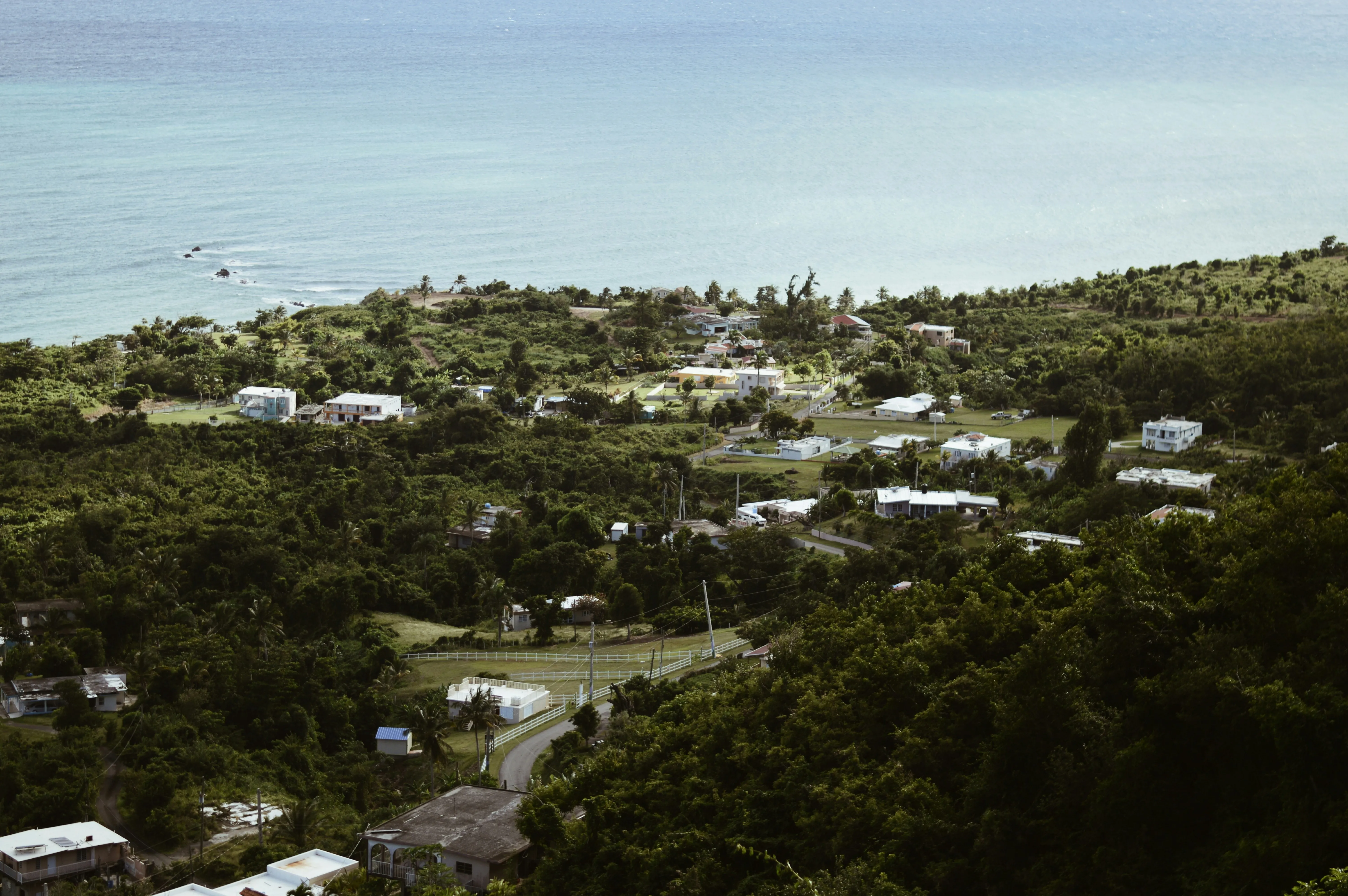
Nauru
This small island nation offers unique phosphate landscapes, peaceful coastal walks, coral reefs, and a leisurely glimpse into traditional Pacific life.
Quick Facts
- Capital
- Yaren
- Language
- Nauruan
- English
- Currency
- Australian Dollar
- Best time to visit
- From May to October during the dry season.
- Budget per day
- $120 - $250 per day
- Climate
- Humid tropical climate with constant temperatures year-round and frequent rainfall, especially during the monsoon season between November and April.
- Connectivity
- low
- Limited to the purchase of local Digicel cards.
- Electricity
- Type I (240V)
- Local transport
- limited
- Card usage
- cash is used more
- Tipping
- no
🌎 Introduction
In the middle of the vastness of the Central Pacific, exactly where the equator traces its imaginary line, emerges a small island that invites a different pace of life. Nauru does not usually appear on conventional routes, but it holds a genuine essence marked by the constant blue of the ocean and a calm that seems to stop time. Walking along its coast allows one to observe a simple daily life, where the sound of the waves mixes with that of the motorcycles traveling the circular road and the aroma of fresh fish that forms an essential part of its table.
The interior of the island offers a surprising contrast, with a relief of limestone formations that give the landscape an almost lunar appearance, a heritage of its particular geological history. Between the reefs that surround the shore and the tropical vegetation that survives in its high areas, the community keeps its Micronesian traditions alive through local celebrations and discreet hospitality. It is a corner of the world with its own slow identity, where nature and neighborhood life define each day under the Pacific sun.
🛡️ General Safety
Nauru is considered one of the safest and quietest destinations in the world for travelers. Due to its small size and tiny population, the country maintains an extremely low level of crime. The general atmosphere is one of hospitality and calm, allowing the visitor to enjoy a relaxed experience.
Despite this positive assessment, the traveler must remember that Nauru is a nation with limited infrastructure and a particular geographical environment. Safety here is measured not so much by the risk of crime, but by prevention against environmental factors and an understanding of local customs.
Crime and common risks
Crime in Nauru is minimal and incidents involving tourists are exceptional. However, it is advisable to follow basic rules of prudence:
- Minor thefts: Although not common, small thefts due to carelessness can occur in public areas. It is recommended not to leave valuables unattended on beaches or in open vehicles.
- Scams: There is no record of structured scams aimed at tourists. Prices are usually fixed and dealings with locals are direct and honest.
- Stray dogs: One of the minor but real risks is the presence of dogs roaming freely. Although they are usually harmless, it is better to avoid approaching large groups of dogs, especially at night or in less traveled areas.
Safety in cities and tourist areas
Nauru does not have cities in the conventional sense, but rather districts distributed along the coast. The areas of Yaren (where most government buildings are located) and Aiwo are the busiest.
- Moving on foot: It is safe to walk around the island at any time of the day. The community is very close-knit and foreigners are usually received with curiosity and respect.
- Isolated areas: Being a small island, there are no “dangerous neighborhoods.” However, the interior of the island (the area known as Topside, due to former phosphate mining) is irregular terrain and can be disorienting if explored without prior knowledge.
- Lighting: Some areas may lack efficient public lighting at night, so it is recommended to carry a flashlight if you plan to walk after sunset.
Transport safety
Transportation in Nauru is simple but requires attention to local regulations and the condition of the main road.
- Driving: In Nauru, people drive on the left side of the road. The maximum speed allowed is very low (generally 30-50 km/h), which significantly reduces the risk of serious accidents.
- Public transport: There is no conventional high-frequency public transport system. Visitors usually opt for car or bicycle rentals.
- Road conditions: There is only one main road that circles the island. It is important to watch out for pedestrians, children playing near the road, and animals that may cross unexpectedly.
- Taxis: There is no regulated taxi service as in other countries; transfers are usually coordinated through hotels.
Natural and climatic risks
Nauru’s natural environment presents challenges that tourists must manage to avoid health setbacks.
- Extreme heat: The climate is tropical, hot, and very humid all year round. The risk of dehydration and sunburn is high. It is recommended to drink bottled water constantly and use high-factor sun protection.
- Marine environment: Ocean currents can be strong outside the protected lagoon. When swimming or diving, it is vital to do so in recommended areas and be cautious with sharp coral, which can cause cuts that easily become infected in tropical climates.
- Weather phenomena: Nauru can experience heavy monsoon rains. Although it is not on the main route for major cyclones, tropical storms can occasionally cause storm surges and strong winds.
Local legislation and norms
Respecting local culture and laws is essential to avoid legal problems or misunderstandings with the community.
- Drugs and substances: Possession, use, or trafficking of drugs is strictly prohibited and carries severe prison sentences.
- Cultural respect: Nauru is a conservative society. It is recommended to dress modestly outside of swimming areas (covering shoulders and knees in public places or official buildings) so as not to offend sensibilities.
- Photography: Photographing certain government infrastructures, phosphate processing areas, or refugee processing centers without prior authorization is prohibited or restricted. It is always advisable to ask for permission before photographing local people.
Safety for specific groups
- Female travelers: Nauru is a very safe destination for women traveling alone. No harassment problems are reported, although it is advised to maintain the same prudence as on any other trip and respect local dress codes.
- LGTBIQ+ travelers: Although homosexuality was decriminalized in 2016, society remains conservative. Public displays of affection, regardless of sexual orientation, are not common and could be frowned upon. Discretion is recommended.
- Children and the elderly: It is a safe environment for family travel. The main risk for children and the elderly is the intense heat, so hydration and rest measures should be extreme.
Emergencies and assistance
In case of an incident, emergency services in Nauru are limited but accessible due to the size of the country.
- Emergency numbers: The general number to contact the Police is 110. For medical emergencies or ambulances, the number is 111, and for the fire department, it is 112.
- Medical assistance: There is one main hospital in the Denigomodu district. For serious conditions, it is very likely that a medical evacuation to Australia will be required, so it is essential to have travel insurance with broad international coverage.
- Police station: The main police station is located in the Yaren district, near the airport.
Tip: Always carry a small first-aid kit with antiseptics, as small cuts from coral or rocks can become infected very quickly due to the island’s humidity.
📝 Entry Requirements
To undertake a trip to this Pacific destination, it is fundamental for the traveler to have a passport with a minimum validity of six months from the planned date of arrival. This document must be in good condition and have free pages for the corresponding stamps. Generally speaking, tourists usually require a visitor visa before starting their journey, which allows a maximum stay of thirty days in the territory. It is advisable to arrange this permit well in advance to avoid setbacks in travel plans.
At the time of arrival, immigration authorities may request the presentation of a confirmed onward ticket demonstrating the intention to leave the country within the permitted period. Likewise, it is common to be asked for proof of financial solvency, through which the visitor proves they have sufficient funds to cover their accommodation and subsistence expenses during their stay. Airport controls are routine and designed to ensure that all documents are in order.
Regarding customs restrictions, the country maintains a strict policy on the introduction of biological products. It is recommended to avoid transporting fresh food, plants, or seeds, as these items are usually confiscated to protect the local ecosystem. If the traveler needs to carry specific medications, these must be transported in their original packaging, and it is highly advisable to carry a copy of the medical prescription clearly written to facilitate security inspections.
In the health field, there are no complex health requirements for most visitors, although it is always prudent to have the general vaccination schedule up to date. In specific cases, a yellow fever vaccination certificate could be requested from those who have recently traveled through areas where the disease is endemic. Given that medical infrastructure is limited, it is suggested to have international travel insurance that offers broad coverage for any medical incidence during the stay.
- The passport must be valid for at least half a year from entry.
- Most nationalities require a prior visa for tourism.
- The standard stay period is thirty days.
- A proof of transport for departure from the country must be available.
- It is necessary to demonstrate possession of financial resources for the trip.
- The entry of unauthorized agricultural products is prohibited.
- It is recommended to carry medical prescriptions for any personal drugs.
- A yellow fever certificate may be necessary depending on the flight’s origin.
🏥 Basic Health Considerations
When organizing your trip to Nauru, you must take into account that you are going to one of the smallest and most remote nations in the world, which directly influences the services you will find there. The health infrastructure is limited and you will only have one main center, the Republic of Nauru Hospital, which offers basic services. For any more complex consultation or treatment, it is common for medical staff to recommend a transfer to Australia, as the island does not have specialists or advanced technology for serious emergencies. Health personnel usually speak English fluently, so it will be easy for you to communicate if you handle this language. Regarding prices, as a tourist you must pay for the services you receive and these can be quite expensive, so it is better to be prepared.
Taking out travel medical insurance is not just a recommendation, it is an absolute necessity before setting foot on the island. It is essential that your policy specifically includes medical evacuation and repatriation by air. An emergency transfer from Nauru to a well-equipped hospital in another country can cost tens of thousands of euros, something you will not want to pay out of pocket. Also make sure it covers any contingencies related to water activities if you plan to explore the coast.
Regarding the subject of vaccines, you will not find any strict obligation to enter the country unless you come from an area with a risk of yellow fever transmission, in which case they will request the international vaccination certificate. Nevertheless, it will be good for you to have your usual vaccination schedule up to date, including doses for tetanus, diphtheria, and hepatitis A. As always, a couple of months before your departure, it is advisable to talk to a professional at an international vaccination center so they can give you the green light according to your personal history.
If you need to take personal medication with you, remember that you must always transport it in its original packaging and accompanied by a medical prescription translated into English. Pharmacies in Nauru are scarce and the supply of specific medications can be intermittent, so make sure to take a sufficient quantity for your entire stay. Do not trust that you will be able to buy anything there, as stock is usually limited to the most basic items.
As for environmental risks, the greatest challenge you will find is the equatorial climate. Heat and humidity are constant, so sunburn and dehydration are the most common problems among visitors. You will see that there are many mosquitoes, and although the risk of serious diseases is low, it is always better to prevent bites by using a good repellent. Another curious point is that you will see quite a few stray dogs in inhabited areas. They are generally calm, but it is best to keep your distance to avoid possible bites or unnecessary scares.
Regarding the consumption of water and food, I recommend that you always drink bottled water or water that has been previously treated, as tap water usually comes from desalination and is not always safe for a traveler’s stomach. In local stalls you can try typical dishes, but make sure the food is well cooked and that the eating establishments maintain a reasonable hygienic appearance. It is not common to suffer serious poisoning, but a small digestive discomfort can ruin a couple of days of excursion for you.
For any medical emergency situation, the number you should dial is 110 to request an ambulance. You must be patient, as response times can be slower than you imagine due to the scarcity of vehicles and on-call staff. In many cases, if the problem is not extremely serious, you will end up arriving at the hospital sooner by your own means in a private vehicle.
As final practical tips, I would tell you to never forget your high-factor sunscreen and to drink water constantly, even if you don’t feel thirsty. Carry a small kit with basics like bandages, some disinfectant, painkillers, and oral rehydration salts to combat the heat. If you follow these simple guidelines, you will enjoy your stay on this peculiar island without major health setbacks.
🚌 Transport Within the Country
Given the small size of the island, moving around Nauru is simple and is mainly limited to a peripheral road that circles the entire territory. Since there are no train networks, subways, or internal flights, the most common means for visitors is a rental vehicle or motorcycles. This main road allows the total perimeter to be covered in a short time, facilitating access to points of interest located near the coast.
Public transport is limited and focuses on a community bus service that performs a circular route periodically. There is no complex signaling or sophisticated ticket purchasing systems, as the usage dynamic is quite informal. Language is not a barrier for tourists when orienting themselves, since English is commonly used, making it easy to obtain basic directions during any journey.
There are no major differences between urban and rural areas, as most services and homes are distributed linearly along the coastal strip. The island’s interior has less traveled roads due to the topography and mining activity, so tourist travel usually stays on the paved perimeter zone. Regarding taxis, their presence is not frequent and they are usually managed directly or with help from accommodations.
The general feeling when moving through the country is one of tranquility, adapting to the slow pace of local life. Although it is not a system based on rigorous punctuality or modern infrastructure, the proximity between the different points of the country makes travel short and uncomplicated for any traveler who wishes to explore the environment at their own pace.
Tip: It is advisable to drive with caution on the main road, as it is frequently used by pedestrians and domestic animals crossing from one side to the other.
🤵 Culture and Etiquette
Life in Nauru takes place under a deep sense of community and a predominantly relaxed atmosphere. Hospitality is a central value on the island, and inhabitants usually receive visitors with kindness and an open attitude. In daily dealings, informality predominates, so behavior in public spaces is usually simple and lacks rigid protocols. It is important to adopt an attitude of patience, as the pace of daily activities is usually slow, reflecting the characteristic calm of the region.
In interpersonal interactions, a cordial verbal greeting or a handshake are usually the most common ways to initiate contact. The use of a moderate tone of voice and discreet conduct is appreciated, avoiding excessive noise or overly effusive gestures that may disturb the tranquility of the environment. Although punctuality may be interpreted flexibly in social contexts, it is recommended to maintain formality in scheduled times for business meetings or organized services as a show of consideration for others.
Regarding table manners, sharing food is considered a gesture of unity and generosity. There is no established culture of leaving tips, so this gesture is not expected in local establishments, with verbal thanks being the most natural way to recognize good service. In terms of personal image, it is suggested to dress with modesty outside of swimming areas; the use of excessively short or flashy clothing may not be common in residential or worship environments, where a demure appearance is preferred.
Respect for elders and family hierarchies is a fundamental pillar of Nauruan social organization. Authority figures and the elderly enjoy a position of honor, so it is appropriate to show them special deference in any context. Likewise, it is essential to be aware that much of the land on the island is privately or communally owned. Therefore, before exploring areas that do not seem clearly public or when approaching places of traditional importance, it is fundamental to act with caution and consider the impact of one’s presence on the residents’ space.
Tip: It is highly recommended to ask for permission kindly before taking photographs of local people or entering lands that seem to belong to families, as respect for privacy and community property is greatly valued.
🍛 Typical Gastronomy
The cuisine of Nauru is a reflection of its geographical location in the central Pacific and its recent history. Being a coral island with limitations for extensive agriculture, its gastronomy is traditionally based on marine resources and a heavy dependence on imported products. Fresh fish is the undisputed protagonist of the Nauruan table, caught daily in the waters surrounding the atoll. Tuna, snapper, and other reef fish are consumed in various ways, with simple preparations predominating that highlight the quality of the product.
Accompanying the marine proteins, rice has become a staple in the daily diet, often served alongside dishes of clear Asian influence, especially Chinese. Local flavors are usually mild, using coconut at different stages of maturity to add creaminess or sweetness to recipes. The fruit of the pandanus, a native plant, has historically had a relevant role in the island’s food, used both in sweet dishes and traditional preserves, although its consumption is less frequent today.
Regarding social customs, Nauruans usually have their main meals in a relaxed atmosphere. Restaurant hours usually concentrate on the standard lunch and dinner slots, with the offer grouped mainly in areas of greater commercial activity and near accommodations. There is no strict etiquette protocol, with informality predominating. Due to the scarcity of natural freshwater sources, the consumption of bottled water is the norm for visitors, along with fresh coconut water, which is the island’s quintessential natural drink.
| Dish | Description | Main Ingredients | Where to try it | Advice |
|---|---|---|---|---|
| Grilled fish | Pieces of the catch of the day cooked over coals. | Tuna or snapper, salt, and lemon. | Local restaurants and coastal areas. | It is ideal to taste it at sunset in establishments near the sea. |
| Tuna sashimi | Slices of raw fish of great freshness due to local fishing. | Fresh tuna and soy sauce. | Internationally influenced restaurants in Aiwo. | It is the best way to appreciate the quality of local fish without additives. |
| Island-style fried chicken | Crunchy chicken pieces with a light batter. | Chicken and mild spices. | Food stalls and small fast-food outlets. | It is usually served with white rice, being a very common and satisfying meal. |
| Fish in coconut milk | Mild stew where fish is cooked in a creamy sauce. | White fish, coconut milk, and onion. | Family restaurants with traditional cuisine. | The coconut flavor perfectly balances the intensity of the rockfish. |
| Pandanus desserts | Sweet preparations made with the pulp of this local fruit. | Pandanus fruit and sometimes coconut. | Local events or occasional markets. | Its flavor is very particular and it is one of the few native plant experiences. |
📷 Areas and Places to Visit
Nauru is a singular destination, a small island nation in the Central Pacific that can be explored in its entirety by following the circular road that borders the coast. The district of Yaren functions as the main administrative center, where government buildings such as the Parliament House and most essential services are concentrated. Walking through this area, one perceives a quiet atmosphere where institutional life mixes with the daily life of the residents, offering an authentic glimpse into the island’s social organization.
The east coast of the country is home to Anibare Bay, considered one of the most representative natural areas. In this place, clear sand beaches contrast with coral formations and limestone pinnacles that emerge from the water, creating a visually very characteristic landscape. It is a common area to observe the activity of local fishermen and enjoy the sea breeze in a less inhabited setting, ideal for those seeking to understand the relationship between Nauru’s inhabitants and the ocean.
In the heart of the island lies Buada Lagoon, a freshwater oasis surrounded by tropical vegetation that contrasts significantly with the rest of the insular relief. This enclave is one of the few places where one can still appreciate native flora in a fertile environment, with palm trees and fruit trees surrounding the mirror of water. Walking along the trails that encircle the lagoon allows for discovering a greener and more peaceful facet of the country, away from the hustle and bustle of the port and administrative areas.
Nauru’s contemporary history is deeply marked by industry and military conflicts, something reflected in the landscape of Topside. This elevated interior area shows the traces of phosphate mining, with terrain featuring irregular and almost lunar rock formations. Additionally, scattered across various elevated points, remains from World War II are preserved, such as old bunkers, cannons, and Japanese fortifications that remain integrated into the natural environment, offering an open-air historical tour for those interested in the Pacific’s past.
To delve into cultural heritage, the Nauru Museum offers a collection of objects, photographs, and documents explaining the traditions of the twelve original clans and the impact of the colonial era. Complementing this visit, the district of Aiwo stands out for its port activity and industrial facilities, where functional architecture related to resource exports can be observed. This contrast between local traditions, the military past, and industrial reality defines the identity of this small island state.
Tip: You cannot leave without visiting Buada Lagoon, the most emblematic place in the country.
✈️ Best Season to Travel
Nauru, being situated practically on the equator, has a hot and humid tropical climate all year round. The decision of when to visit this small Pacific island depends mainly on one’s willingness to live with rainfall, as temperatures remain constant, usually oscillating between 24 °C and 30 °C. The sea breeze often softens the thermal sensation, making coastal walks or visits to the interior of the island pleasant in most seasons.
For most travelers, the period between May and October is usually the most recommended. During these months, the influence of the trade winds reduces humidity and rains are less frequent, facilitating outdoor activities such as hiking in the Command Ridge area or exploring coral formations. Nevertheless, Nauru maintains a quiet and uncrowded environment at any time, allowing for an authentic and leisurely cultural immersion experience.
| Season | Months | Typical climate | What to expect | Tourist influx |
|---|---|---|---|---|
| Spring | Mar – May | Warm with moderate humidity and occasional rain. | Green landscapes after the rains and optimal visibility for diving. | ⭐ (Low) |
| Summer | Jun – Aug | Driest and sunniest season, with constant breezes. | Long days ideal for exploring the coastline and deep-sea fishing. | ⭐⭐ (Medium) |
| Autumn | Sep – Nov | Stable temperatures and gradual increase in humidity. | Environmental calm and good conditions for observing marine life. | ⭐ (Low) |
| Winter | Dec – Feb | Period of monsoon rains and greater cloudiness. | High humidity, frequent rains, and local cultural celebrations. | ⭐ (Low) |
🗣️ Basic Vocabulary
Although English is the official language and is widely used in administration and commerce, Nauruan is the language that the island’s inhabitants use in their daily lives. Knowing some basic expressions will be very useful to show courtesy and facilitate contact with the local population during your stay.
It is not necessary to delve into grammar, but greeting or saying thank you in the native language is usually well-received in everyday situations, such as when visiting a store or talking to someone on the street. These terms will help you move more naturally and integrate better into the island’s environment.
- Ekāwōwi: Hello.
- Tubwa: Thank you.
- Tarawong: Goodbye.
- Ae: Yes.
- Eke: No.
- Mogur omo?: How are you?
- Omo: Well / Good.