


Lebanon
Discover a country of ancient contrasts where Phoenician history blends with snow-capped mountains, fertile valleys, and a vibrant Mediterranean culture unique in the East.
Quick Facts
- Capital
- Beirut
- Language
- Arabic
- French, English
- Currency
- Lebanese Pound, US Dollar
- Best time to visit
- From April to June and from September to November
- Budget per day
- $40 - $150 per day
- Climate
- Mediterranean climate characterized by hot, dry summers, mild and rainy winters, and frequent snowfall in mountain regions.
- Connectivity
- medium
- Easy to obtain at Beirut airport and in local phone shops.
- Electricity
- Type C/G (230V)
- Local transport
- acceptable
- Card usage
- cash is used more
- Tipping
- yes
🌎 Introduction
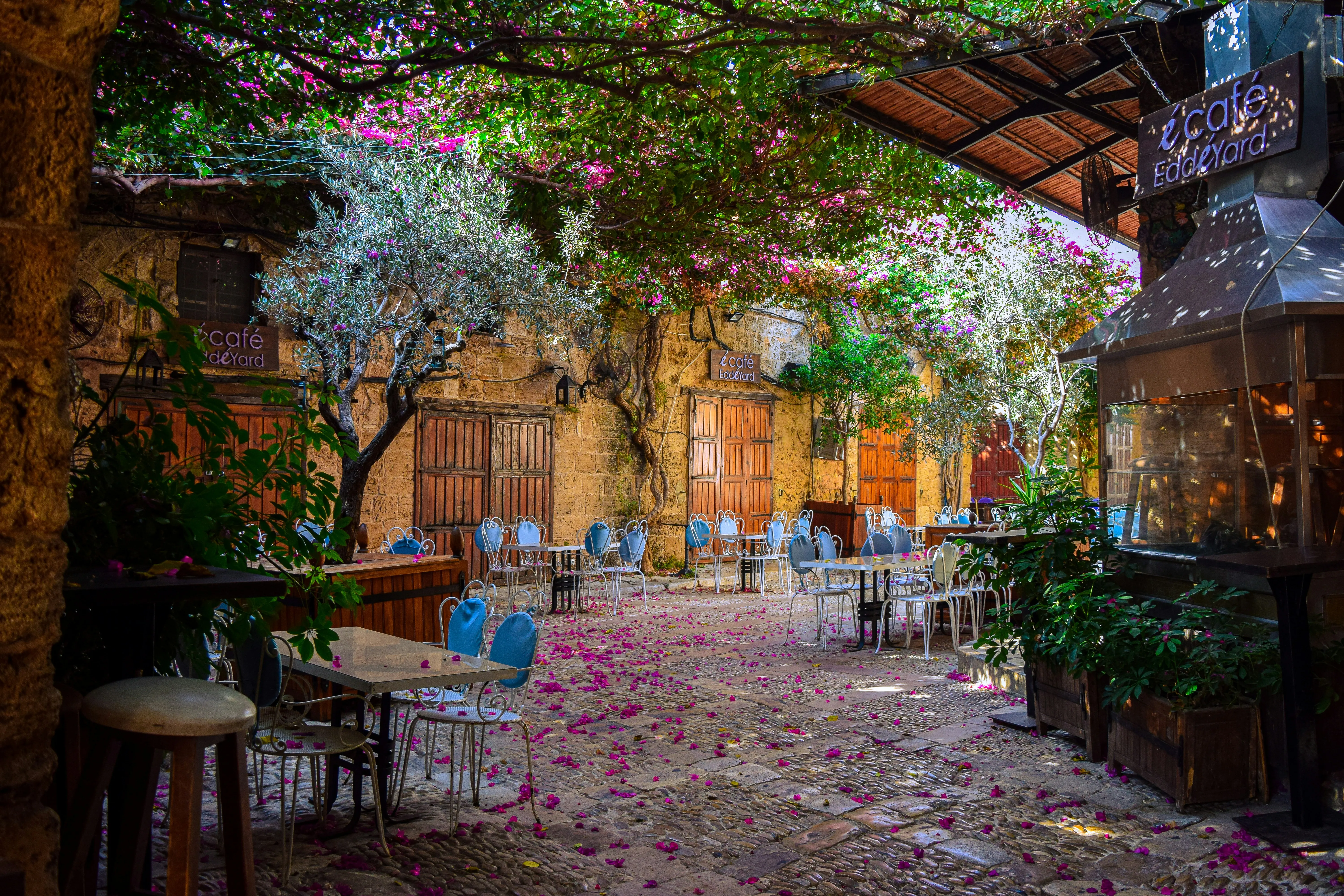
There is a corner on the eastern shore of the Mediterranean where the mountains seem to look directly out to sea. It is a space of gentle contrasts, where the sea breeze meets the fresh air of the peaks that, during the coldest months, are usually covered in snow. In this territory, fertile valleys and forests intertwine with urban centers that preserve the traces of multiple civilizations, offering a landscape that transforms remarkably over very short distances.
Daily life is often organized around the table and conversation. Gastronomy, with its fresh flavors and dishes designed for sharing, is a fundamental part of an identity that values spontaneous hospitality. Walking through its streets allows one to observe how the vibrant rhythm of modernity coexists with traditions passed down from generation to generation, creating an atmosphere where the remains of history and current daily life go hand in hand naturally.
As the seasons change, the environment takes on different nuances, from the awakening of the fields in spring to the calm that surrounds the cedar forests. It is a place of great diversity, where each region contributes its own customs and stories, forming a cultural mosaic that invites observation with curiosity and without haste.
🛡️ General Safety
Lebanon is a country known for its immense hospitality and rich cultural diversity. Generally speaking, safety for tourists is at a medium level, mainly conditioned by the geopolitical situation of the region rather than common crime. Although incidents directly affecting foreign visitors are infrequent, it is a destination that requires the traveler to stay informed and be aware of their surroundings at all times.
The country’s context can change rapidly, so the key to a safe trip is flexibility and common sense. Most visits proceed without setbacks, enjoying one of the most impressive gastronomies and archaeological heritages in the Mediterranean.
Crime and Common Risks
Violent crime against tourists is extremely low in Lebanon. Lebanese people are usually very protective of visitors. However, as in any international destination, there are minor risks:
- Pickpocketing and minor theft: These can occur in crowded areas, markets (souks), or public transport stations. It is recommended not to display high-value objects or flashy jewelry.
- Minor scams: Some taxi drivers or vendors may try to inflate prices when identifying a tourist. It is advisable to agree on prices beforehand.
- Snatching: Although uncommon, cases of thefts from moving motorcycles have been reported. Carry your belongings on the side away from the street.
Safety in Cities and Tourist Areas
Urban centers and main points of interest are usually safe and have a visible security force presence.
- Beirut: Neighborhoods like Hamra, Achrafieh, Gemmayzeh, and Mar Mikhael are very safe and have a vibrant nightlife. However, it is recommended to avoid the peripheral areas in the south of the city unless accompanied by a trusted local guide.
- Tourist areas: Places like Byblos, Batroun, Baalbek, and the Cedars are generally very safe for travelers. In Baalbek, it is preferable to visit during the day and stay in the main areas.
- Checkpoints: It is common to find military checkpoints on the roads. These are routine; simply stay calm, show your passport if requested, and be polite to the officers.
Transport Safety
Transport in Lebanon presents specific challenges, mainly due to the local driving style.
- Driving: In Lebanon, driving is on the right. Traffic can be chaotic, traffic signs are not always respected, and road conditions are variable. Renting a car is not recommended unless you have prior experience driving in similar environments.
- Taxis and “Service”: Official taxis are safe. “Service” (shared taxis) are an economical and common option, but be sure to confirm the destination and price before getting in.
- Private transport services: The use of internationally recognized transport apps is highly recommended, as they offer traceability and fixed prices.
Natural and Climatic Risks
Lebanon does not usually suffer from large-scale natural disasters, but some seasonal factors should be taken into account:
- Extreme heat: During the months of July and August, temperatures can be very high. Constant hydration and avoiding direct sun exposure during the central hours of the day are vital.
- Winter storms: In mountain areas, snowfall can be intense between December and March, which may lead to the temporary closure of some secondary roads.
- Seismic activity: The country is located in a zone of tectonic activity, although significant earthquakes are very infrequent.
Legislation and Local Norms
It is fundamental to respect local customs and laws to avoid misunderstandings or legal problems:
- Identification: It is mandatory to always carry your original passport or a certified copy, as security checkpoints may request it at any time.
- Photography: It is strictly forbidden to photograph military installations, government buildings, embassies, or uniformed personnel. In some specific areas, it is also recommended to ask permission before photographing local people.
- Drugs: Possession, consumption, or trafficking of any type of drug carries very severe prison sentences and high fines. There is no tolerance in this regard.
- Religious sensitivity: When visiting places of worship, dress modestly (shoulders and knees covered).
Safety for Specific Groups
- Female travelers: Lebanon is a relatively safe country for women. Nonetheless, it is recommended to avoid walking alone in poorly lit or isolated areas at night and to dress somewhat more conservatively in rural areas or traditional neighborhoods.
- LGTBIQ+ travelers: Lebanese society is diverse; while in some neighborhoods of Beirut there is a degree of tolerance, in legal and social terms the country remains conservative. Discretion is recommended, and public displays of affection should be avoided to prevent incidents or unwanted attention.
- Traveling with children and the elderly: Lebanese people adore children and are very respectful of the elderly. The main challenge will be the lack of adequate infrastructure (irregular sidewalks or lack of ramps), so it is recommended to plan transfers well.
Emergencies and Assistance
In case of need, the country has functional emergency services:
- 112: General emergency number (Police).
- 140: Lebanese Red Cross (Ambulances and medical emergencies).
- 125: Civil Defense (Firefighters).
Most emergency operators in tourist areas can communicate in English or French. In case of an incident, stay calm and always contact your travel insurance or your corresponding consular representation.
Tip: Always stay informed about local current events through reliable news media and avoid participating in or approaching any type of demonstration or political gathering.
📝 Entry Requirements
To undertake a trip to Lebanon, it is essential to have a passport with a minimum validity which, in general, must be at least six months from the planned date of arrival. It is recommended that the document is in perfect condition and has enough free pages for entry stamps. It is advisable to verify these aspects before departure to avoid delays or inconveniences at boarding points.
Regarding stay authorization, a large portion of international visitors have the possibility of obtaining a tourist visa directly upon arrival at main entry points, such as Beirut International Airport, or processing it in advance. The maximum duration of the stay permitted for recreational purposes is usually thirty days, although in certain situations this period could be extendable before the country’s competent authorities once the trip has begun.
During the entry process, immigration officers usually request the presentation of an exit ticket from the territory, either back to the place of origin or to a third destination. Likewise, proof of confirmed accommodation or a contact address is frequently required, along with demonstration of possessing sufficient funds to cover the expenses derived from the stay. These checks are part of the usual administrative routine and proceed normally for the average traveler.
Customs restrictions in the country follow common international standards, limiting the entry of excessive amounts of tobacco, alcohol, or perfumes without declaring them. In the case of traveling with specific medications, it is highly recommended to carry the corresponding medical prescription. On the other hand, security checks at airports and land borders can be exhaustive, so a patient and collaborative attitude with customs personnel is suggested.
In the area of health and prevention, there are no mandatory vaccines universally required to enter the country, unless coming from areas with a risk of transmission of specific diseases. However, it is considered appropriate to have the usual vaccination schedule up to date and to take out travel insurance that offers broad coverage. It is important to note that final admission is subject to the discretion of border authorities, who evaluate each traveler’s documentation individually.
🏺 Main Tourist Attractions
Lebanon offers exceptional cultural and landscape wealth, combining remains of ancient civilizations with natural environments of great beauty. Travelers usually focus their itineraries on the following points of interest:
- Beirut: The capital stands out for its contrast between modernity and history, with its renovated urban center, the Corniche promenade, and highly relevant museums.
- Byblos: Considered one of the oldest continuously inhabited cities in the world, its Phoenician port and medieval citadel are mandatory stops.
- Baalbek: An impressive archaeological complex that houses some of the best-preserved Roman temples on the planet, such as those of Jupiter and Bacchus.
- Qadisha Valley: A space of great spirituality and nature, famous for its monasteries carved into the rock and its hiking trails.
- Jeita Grotto: A system of crystalline limestone caves that can be explored partly on foot and partly by boat, offering a unique visual spectacle.
🍲 Gastronomy and Culture
Lebanese cuisine is internationally recognized for its freshness, the use of aromatic spices, and the importance of sharing dishes at the table. The gastronomic experience is a fundamental pillar of local culture.
- Mezze: This is a selection of small dishes served as appetizers, including classics like hummus, baba ganoush, and tabbouleh.
- Kibbeh: Considered the national dish, it consists of a mixture of minced meat with bulgur wheat and spices, which can be served fried, baked, or raw.
- Manakish: A type of flatbread usually covered with zaatar (a mixture of herbs and sesame), cheese, or meat, very common during breakfast.
- Traditional sweets: Notable desserts include baklawa, made with phyllo dough and nuts, or knefeh, a sweet cheese dessert soaked in syrup.
💡 Practical Tips for the Visitor
To enjoy a pleasant stay, it is worth considering certain general recommendations about daily life at the destination:
- The local currency frequently coexists with commonly used foreign currencies, so it is usual for prices to be indicated dually in various establishments.
- Transport is mainly based on shared or private taxi services, as the public rail transport network is not operational.
- The climate varies significantly by area, with cold and snowy winters in the mountains and hot, humid summers on the coast.
- Respect for local customs is essential, especially when visiting places of worship, where dressing modestly is recommended.
🏥 Basic Health Considerations
When preparing for your trip to Lebanon, you will see that the country has a medical infrastructure that has traditionally been among the best in the region. Although the public system is limited, you will find an extensive network of high-quality private hospitals and clinics, especially in the capital, Beirut. Most doctors and healthcare personnel have studied abroad and speak perfect English and French, so communication will not be a problem for you.
You must keep in mind that private healthcare in this destination is quite expensive. For this reason, although it is not a legal requirement to enter the country, it is absolutely essential that you take out travel health insurance with broad coverage. Make sure your policy includes not only hospitalization and diagnostic tests but also medical repatriation in case it is necessary to return home in a serious emergency.
Regarding vaccines, there are none that are mandatory for international travelers, unless you are coming from an area with a yellow fever risk. The most sensible thing is to have your usual vaccination schedule up to date, including tetanus and hepatitis. If you plan to visit rural areas or try a lot of local food from street stalls, you might consider the typhoid fever vaccine, but it is not something officially required for entry.
If you take any specific medication for a chronic condition, we recommend that you bring it with you from the start of the trip in its original packaging. It is also very useful to keep a copy of the medical prescription or a report from your doctor explaining the treatment, to avoid misunderstandings at customs checks or if you need to replenish any drug at local pharmacies. Although there are many pharmacies in the main cities, they can sometimes experience stock shortages of very specific international brands.
Regarding environmental risks, the biggest challenge you might face is the intense heat during the summer months, which can cause dehydration or heat stroke if you do not take precautions. In winter, if you decide to go up into the mountains to visit high-altitude villages, the cold is considerable, so it is advisable to go well-prepared. There are no serious tropical or endemic diseases to worry about, beyond the typical seasonal discomforts you might find in any other Mediterranean destination.
Regarding water and food consumption, the main advice is do not drink tap water. You will find bottled water easily in any shop, and that is what you should use even for brushing your teeth if you usually have a sensitive stomach. The local gastronomy is delicious and hygiene standards in restaurants are usually good, but it is always better to opt for places that look busy and ensure that food is well cooked.
In case you suffer a medical emergency during your stay, the number you should dial is 140, which corresponds to the Lebanese Red Cross. They manage most ambulance and emergency care services throughout the national territory. Keep in mind that private hospitals usually ask for a payment guarantee or your insurance details before proceeding with admission, which is why it is vital to always have your policy details at hand.
As final practical recommendations, we suggest carrying a small personal first-aid kit with pain relievers, gastric protectors, and hand sanitizer to use before eating. Don’t forget to apply high-factor sunscreen if you are going on outdoor excursions and stay hydrated throughout the day. With these basic precautions, you can enjoy everything this destination has to offer with total peace of mind and well-being.
🚌 Transport within the Country
Moving around the country is mainly based on road travel, as there is no operational train network or internal flights due to the size of the territory. Travelers usually opt for buses and vans that connect the main cities, as well as using rental vehicles or cars with a driver for greater autonomy. In urban areas, traffic is usually dense, so journeys can take longer than initially planned.
The public transport system does not have formal central stations or rigid schedules in many cases, so communication with drivers and local inhabitants is fundamental to knowing the stop points. Although road signage is usually in several languages on main routes, in more remote areas it may be less frequent, requiring additional attention during the journey.
There is a notable difference between cities and rural areas. While in urban centers it is easy to find transport at almost any time, in mountain areas or small villages the options are more limited and less frequent. To explore these natural regions calmly, having your own vehicle is usually the option that offers the greatest flexibility to visitors.
Taxis and shared vehicles are a key piece for mobility in this destination. Shared cars follow established routes and pick up several passengers along the way, operating fluidly and constantly throughout the day. On the other hand, private taxis allow for direct and personalized transfers, being a very common option for short trips or to reach specific destinations where collective transport does not go.
The feeling of travel is usually dynamic, with a flexible punctuality that depends largely on traffic and vehicles reaching their capacity before departing in the case of collective transport. The reliability of local drivers is generally good and, although journeys can be bumpy due to the state of some roads, they allow for a close observation of the landscape and daily life of the country.
Tip: It is advisable to always confirm the destination with the driver before getting into the vehicle to ensure that the route coincides exactly with the place you wish to go.
🤵 Culture and Etiquette
Lebanese society is characterized by deep hospitality and a coexistence of diverse traditions that enrich daily interaction. When interacting, it is common for greetings to be warm and unhurried, taking time to ask about general well-being before getting down to business. In urban and cosmopolitan environments, the treatment can be more informal, while in rural areas, a tone of greater deference and courtesy is usually maintained. The use of affectionate gestures between people of the same gender is common, reflecting a culture where close physical contact is a sign of trust and friendship.
Regarding communication, conversations are usually dynamic and passionate. A high volume of voice or the frequent use of hands should not necessarily be interpreted as a sign of tension, but as a sign of involvement and enthusiasm in the dialogue. Punctuality tends to be flexible in social encounters, where time is perceived in a more relaxed way, although in the professional sphere, it is recommended to maintain formality. Meetings frequently run long, as building personal relationships is prioritized over the rigidity of schedules.
Gastronomy occupies a central place in social life and is the main stage for demonstrating generosity. When invited to a home or a meal, it is common for hosts to insist on offering food generously; showing gratitude and accepting, even a small portion, is considered a fundamental gesture of courtesy. In dining establishments, leaving a tip is a widespread and valued practice, functioning as a recognition of the service received.
Respect for different beliefs and traditions is essential for harmonious coexistence. Since the country houses great religious diversity, it is recommended to dress modestly when visiting places of worship, covering shoulders and legs as a sign of consideration for the local community. Maintaining a discreet attitude and avoiding judgments about social hierarchies or local customs significantly contributes to the traveler being received with the kindness and respect that define the country’s identity.
“Tip”: Maintaining an open and receptive attitude towards spontaneous invitations for coffee or tea allows you to experience authentic local warmth and establish genuine links with the inhabitants.
🍛 Typical Gastronomy
The cuisine of Lebanon is one of the richest expressions of the Eastern Mediterranean, characterized by a balance between fresh ingredients, legumes, cereals, and lean meats. The use of olive oil, lemon juice, garlic, and a wide variety of aromatic herbs such as parsley and mint defines the base of most of its preparations. The flavors do not seek the intensity of spiciness, but rather the harmony between the citrus touch and the aroma of spices like za’atar, sumac, or the seven Lebanese spices.
The central axis of social life is the mezze, a tradition consisting of serving an extensive selection of small dishes in the center of the table. This way of eating allows diners to taste many textures and preparations in a single session, turning the meal into a shared and unhurried act. The flatbread or khubz is an omnipresent element that often replaces cutlery, being used to scoop up creams, salads, and stews directly from the plate.
In the cultural sphere, meals are usually abundant, reflecting local hospitality. Lunch is traditionally the most important meal of the day and can last for several hours, especially during weekends. In restaurants, it is common for service to be attentive and for dishes to be presented aesthetically. Regarding drinks, Arak is the national anise-flavored spirit served diluted in water, although the country also has a long tradition in wine production and a daily consumption of coffee with a hint of cardamom.
| Dish | Description | Main Ingredients | Where to try it | Tip |
|---|---|---|---|---|
| Kibbeh | Considered the national dish, these are very versatile ovoid-shaped croquettes. | Minced meat (lamb or beef), bulgur wheat, onion, and pine nuts. | Traditional food restaurants in any city. | Try the fried version for a crunchy texture or the one baked in a tray. |
| Tabbouleh | Emblematic salad that stands out for its freshness and dominance of green. | Freshly chopped parsley, tomato, onion, a pinch of bulgur, lemon, and oil. | In any mezze, in both coastal and inland areas. | It is traditionally consumed using romaine lettuce leaves as a scoop. |
| Manakish | Dough similar to a small pizza, very popular as a breakfast or snack. | Flour dough, za’atar spice mix with oil or local cheese. | Neighborhood bakeries with a traditional oven (furn). | Order a freshly made za’atar one to enjoy its characteristic aroma. |
| Falafel | Fried vegetable croquettes, usually served in pita bread or as part of the mezze. | Crushed chickpeas or fava beans, garlic, cilantro, and a spice mix. | Street food stalls and specialized establishments. | Always accompany it with tarator sauce (sesame-based) and pickled vegetables. |
| Sayadiyeh | A classic preparation from coastal areas that highlights seafood. | White fish, spiced rice, caramelized onion, and toasted nuts. | Specialized fish restaurants in cities like Byblos or Tyre. | It is the perfect option for those who prefer fish over meat. |
📷 Zones and Places to Visit
Lebanon offers a fascinating journey through the history of civilizations, concentrated in a territory where the Mediterranean coast and mountain ranges define the landscape. The starting point is usually Beirut, a capital that faithfully reflects the contrast between modernity and tradition. In this city, it is possible to stroll along the Seaside Promenade or Corniche, where the iconic Pigeon Rocks are located, and then head into the reconstructed historical center. In the cultural sphere, the National Museum of Beirut houses an archaeological collection fundamental to understanding the region, while neighborhoods like Gemmayzeh show an architecture that mixes Ottoman and French influences in a dynamic and artistic atmosphere.
Following the coastline north, you reach Byblos, considered one of the oldest continuously inhabited cities in the world. Its Phoenician port, the Crusader-era castle, and the archaeological sites surrounding the area allow the visitor to travel back millennia in time. It is a place where the slow pace invites you to wander through its ancient souks and enjoy local gastronomy facing the sea. Not far from there, towards the interior, the landscape transforms radically as you ascend toward the Qadisha Valley. This natural environment, declared a World Heritage Site, houses monasteries carved into the rock and is home to the last forests of the Cedars of God, ancient trees that are the country’s national symbol and offer hiking routes through high mountain landscapes.
To the south, the coast continues to reveal cities of great historical importance such as Sidon, where the Sea Castle stands out, a fortress built by the Crusaders on an islet joined to the land by a stone bridge. Its traditional souks retain a medieval air and are ideal for observing artisanal crafts. Continuing toward the southern tip is Tyre, famous for housing one of the best-preserved Roman hippodromes in the world and extensive necropolises. In addition to its historical value, this area is appreciated for its fine sandy beaches and clear waters, which offer a relaxed atmosphere different from the denser urban centers.
In the interior of the country, crossing the mountains to the east, lies the fertile Bekaa Valley. In this region is Baalbek, an archaeological complex of monumental dimensions where the temples of Jupiter and Bacchus stand, exceptional examples of Roman imperial architecture. The scale of these constructions and the state of preservation of their reliefs are of great interest to any history buff. In the same area, the site of Anjar shows a unique example of a planned city from the Umayyad period, offering an architectural contrast to the classical remains predominant in other parts of Lebanese geography.
Nature also manifests spectacularly underground through the Jeita Grottoes, a system of crystalline caves divided into two galleries that can be explored on foot and by boat. This natural environment stands out for its large stalactite and stalagmite formations. On the other hand, rural mountain areas, such as the Chouf region, allow you to see the traditional architecture of Lebanese palaces, like that of Beiteddine, with its arcaded courtyards and detailed mosaics, surrounded by nature reserves where local biodiversity is protected and respectful tourism is promoted.
“Tip”: You cannot miss visiting Baalbek, the most iconic place in the country.
✈️ Best Season to Travel
Lebanon is a destination that offers very diverse experiences throughout the year thanks to its geography, which combines a narrow Mediterranean coastal strip with imposing mountain ranges. This duality allows the climate to vary significantly over short distances, offering everything from sunny days on the coast to snowy landscapes on the peaks. Generally, the transition seasons tend to be the most balanced for those looking to explore both historical cities and nature without facing extreme temperatures.
During spring and autumn, the environment is mild and the landscapes show their best face, whether due to the blooming of local flora or the ochre tones of the valleys. Summer, for its part, is characterized by a vibrant and hot atmosphere, ideal for social and coastal life, while winter transforms the high areas into a hub of activity for snow enthusiasts. Each season has its own appeal, allowing the trip to adapt to the specific interests of each visitor.
| Season | Months | Typical Climate | What to Expect | Tourist Influx |
|---|---|---|---|---|
| Spring | Mar – May | Mild temperatures (15°C - 25°C) and clear skies. | Blooming of nature, snowmelt in the mountains, and ideal conditions for hiking. | Medium ⭐⭐ |
| Summer | Jun – Aug | Warm and humid on the coast; fresh and dry air in mountain areas. | Outdoor music festivals, water activities, and a very active nightlife. | High ⭐⭐⭐ |
| Autumn | Sep – Nov | Pleasant and moderate, with temperatures gradually decreasing. | Harvest season, olive picking, and rural landscapes with autumnal colors. | Medium ⭐⭐ |
| Winter | Dec – Feb | Rainy on the coast and abundant snow at high altitudes. | Practice of winter sports like skiing and a quieter, cooler urban atmosphere. | Low - Medium ⭐ |
🗣️ Basic Vocabulary
Although it is common in Lebanon for the local population to speak English or French, especially in tourist areas and in Beirut, knowing some expressions in Lebanese Arabic is very helpful. Using basic words in the local language facilitates communication in everyday situations, such as shopping in a market or asking for directions, and is usually received with kindness by residents.
It is not necessary to master grammar or calligraphy to manage well. By learning a handful of terms to greet, say thank you, or ask prices, the travel experience becomes smoother and more personal.
- Marhaba: Hello. It is the most common greeting and can be used in almost any context.
- Shukran: Thank you. A fundamental word to show courtesy in restaurants and shops.
- Men fadlak (to a man) / Men fadlik (to a woman): Please. Used to ask for something respectfully.
- Naam / La: Yes / No. Basic terms for answering direct questions quickly.
- Wayn…?: Where is…?. The initial formula for asking for a direction or a specific place.
- Bkam?: How much does it cost?. Very useful for checking prices in souks and local markets.
- Yalla: Let’s go. A very popular expression used to indicate movement or that one is ready to leave.
- Sahtein: Enjoy your meal / Bon appétit. Frequently heard at meals and a kind way to wish someone enjoyment of their dish.