


Mozambique
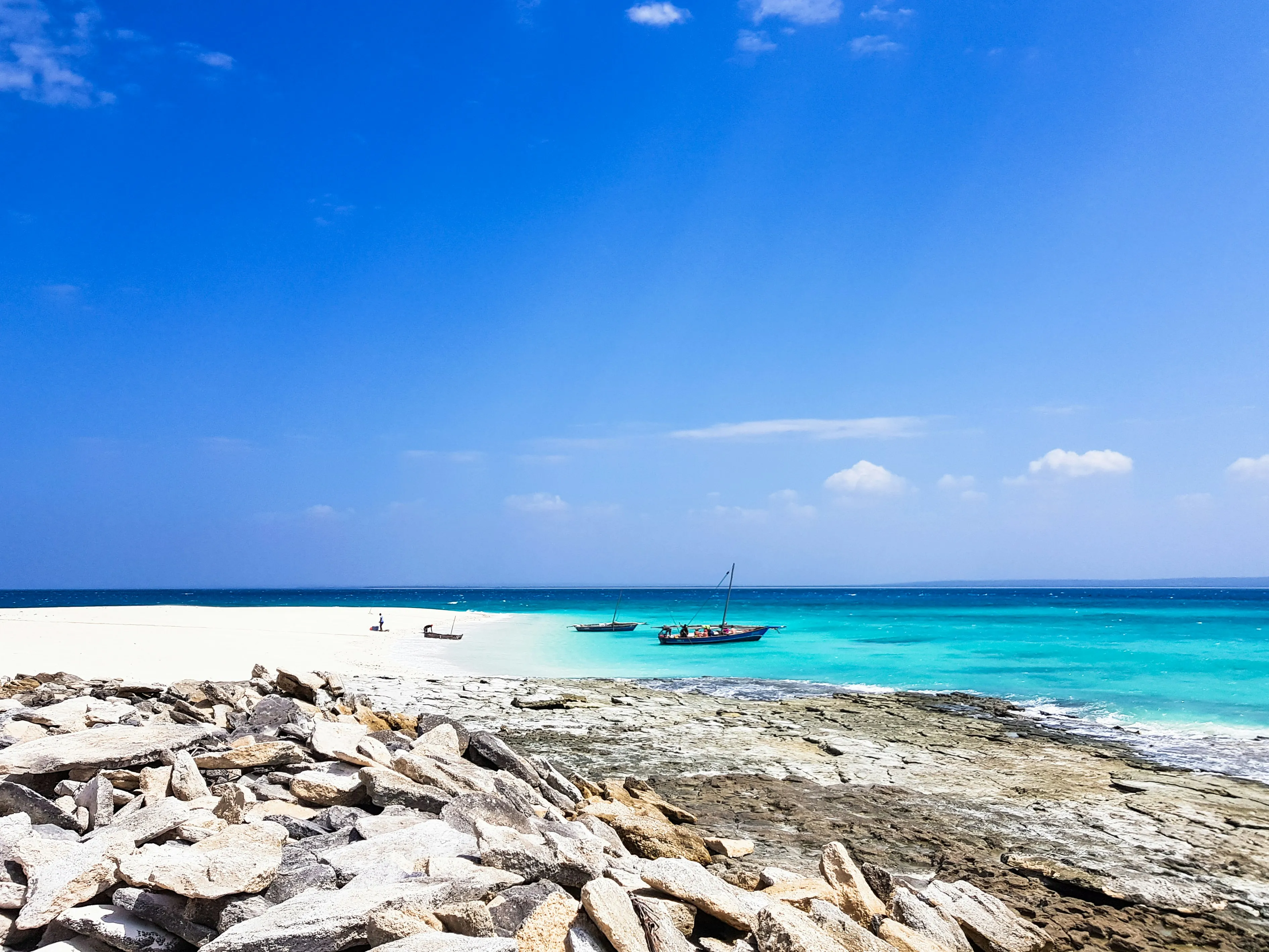
Explore pristine beaches washed by the Indian Ocean, enjoy the colonial charm of Mozambique Island, and discover spectacular marine biodiversity in this African paradise.
Quick Facts
- Capital
- Maputo
- Language
- Portuguese
- Makhuwa, Tsonga, Sena
- Currency
- Mozambican Metical (MZN)
- Best time to visit
- From May to October, during the dry and cool season.
- Budget per day
- $40 - $150 per day
- Climate
- Tropical climate with a cool dry season from May to October and a warm rainy season from November to March.
- Connectivity
- low
- Easy to obtain at airports and official city stands by presenting a passport.
- Electricity
- Type C, F, and M (220V)
- Local transport
- limited
- Card usage
- cash is used more
- Tipping
- optional
🌎 Introduction
Overlooking the Indian Ocean, this corner of southeastern Africa unfolds along an extensive coastline where time seems to move at a leisurely pace. Daily life takes place between the coming and going of dhows—those traditional triangular-sailed vessels that have plied its waters for centuries—and the scent of coconut and spices emanating from its markets. It is not just a coastline of pale sand; it is a mosaic of cultures where African heritage blends with Arabic and Portuguese influences, visible both in the stone architecture of its historic cities and in the hospitality of its inhabitants.
Inland, the landscape transforms into savannas dotted with baobabs and communities that keep ancestral traditions alive. The local gastronomy reflects this same diversity, with dishes where fresh seafood and the spicy touch of piri-piri are protagonists at any table. During the dry season, the days are bright and cool, while the arrival of the rains transforms the land into a lush, deep green orchard. Between the bustle of Maputo, with its rhythms of jazz and marrabenta, and the calm of its fishing villages, a vibrant and authentic identity is perceived that remains faithful to its roots.
🛡️ General Safety
Mozambique is a country that offers a unique and authentic experience, although it is rated with a moderate safety level. For the international tourist, this means that travel is perfectly viable as long as a cautious attitude and common sense are maintained. The country has experienced periods of stability that have encouraged tourism, although socio-economic contrasts still exist that the traveler must take into account to move around with peace of mind.
Crime and Common Risks
- Petty crime is the most common risk. Pickpocketing, bag snatching, and mobile phone theft occur mainly in crowded places such as markets, transport stations, and urban beaches.
- Tourist scams can occur when exchanging currency on the street; it is always recommended to use official banks or exchange houses to avoid counterfeit notes or scams.
- Although infrequent, assaults can occur in homes or accommodations that do not have surveillance. It is advisable to choose establishments with basic security measures.
- There is a specific situation of instability in the province of Cabo Delgado, in the north of the country, due to local armed conflicts. It is recommended to avoid tourism in that specific region and stay informed about the current situation.
Safety in Cities and Tourist Areas
- In urban centers such as Maputo, Beira, or Nampula, safety is reasonable during the day, but decreases significantly after dark. It is recommended to avoid walking through the cities after sunset.
- In tourist neighborhoods and embassy zones, there is usually more police presence and the environment is calmer.
- The most famous beach areas, such as Vilankulo, Tofo, or the Bazaruto Archipelago, are usually very safe and are accustomed to receiving international visitors, offering a much more relaxed atmosphere.
- To move around with peace of mind, it is ideal to use transfers organized by hotels or trusted private transport services.
Transport Safety
- In Mozambique, driving is on the left side of the road. The state of the roads varies; while main roads are paved, many secondary routes require the use of 4x4 vehicles.
- Local public transport (chapas) is usually very crowded, and vehicles do not always meet Western safety standards. It is preferable to opt for licensed taxis or rental vehicles with a driver.
- It is totally discouraged to drive at night outside of cities due to the lack of lighting, the presence of animals on the road, and the risk of breakdowns in isolated areas.
- Police checkpoints on the road are frequent. It is essential to carry all documentation in order (international driving license, vehicle insurance, and passport) to avoid complications or fines.
Natural and Climatic Risks
- The country is vulnerable to tropical cyclones and flooding, especially during the rainy season from January to March. These events can affect communications and power supply.
- Extreme heat is common in the summer months (November to February), requiring constant hydration and adequate sun protection to avoid heat stroke.
- It is recommended to follow local weather forecasts and have flexibility in travel plans if traveling during the cyclone season.
Local Legislation and Norms
- It is mandatory to always carry an original identity document. It is advised to carry a certified photocopy of the passport and leave the original in the hotel safe to avoid its loss.
- It is strictly forbidden to photograph government buildings, military facilities, airports, bridges, or uniformed personnel. Doing so can lead to the confiscation of equipment, fines, or arrest.
- Laws against the possession, consumption, or trafficking of drugs are severe, and prison sentences are long and in very harsh conditions.
- Failure to comply with local regulations can lead to slow and complicated judicial processes, so absolute respect for the authorities is recommended.
Safety for Specific Groups
- Female travelers: Mozambique is generally safe for women, although it is recommended to avoid walking alone in remote places or deserted beaches, as well as to dress discreetly in rural or less touristy areas to avoid unwanted attention.
- LGTBIQ+ travelers: Although homosexuality was legally decriminalized in 2015, Mozambican society remains conservative. Discretion is recommended, and public displays of affection should be avoided to prevent uncomfortable situations.
- Children and the elderly: The main risk for these groups is exposure to tropical diseases such as malaria and limited access to highly complex medical services outside of Maputo. It is recommended to travel with comprehensive medical insurance that includes air evacuation.
Emergencies and Assistance
- The main emergency number in Mozambique is 112, although assistance is not always immediate nor does it guarantee service in foreign languages.
- The police have specific units for tourists in some areas, but their capacity for action may be limited by a lack of resources.
- In case of theft or incident, it is essential to go to the nearest police station to file a report and contact the assistance services of your travel insurance or your consular representation.
Tip: Always maintain a low profile, avoid wearing flashy jewelry or showing large amounts of cash, and always use ATMs located inside banks or shopping centers.
📝 Entry Requirements
To plan a trip to this African destination, it is essential to have a valid passport with a minimum validity, usually six months from the time of entry into the territory. It is recommended that the document has at least two or three blank pages for the corresponding stamps. The entry process is usually smooth if documentation is prepared in advance.
Regarding the tourist visa, most foreign travelers need to obtain an entry permit. In recent times, procedures have been facilitated, allowing in many cases for prior electronic authorization or even processing at major entry points, such as international airports. The maximum stay allowed for tourist purposes is usually thirty days, although it is possible to request an extension at certain migration offices if the travel plan requires it.
Upon arrival at border controls, it is common for authorities to request the presentation of an exit ticket from the country or proof of a return reservation. Likewise, proof of sufficient funds to cover expenses during the planned stay may be required. These controls are routine and seek to ensure that the visitor has a defined travel plan and the means to support it.
In the area of customs, there are common limitations on the import of products such as tobacco, alcohol, and perfumes, as long as they exceed quantities intended for personal use. It is important to pay attention to medications, especially if they are specific treatments, in which case it is recommended to carry the translated medical prescription. The entry of fresh food, seeds, or meat products is usually restricted to protect the local ecosystem.
From a health point of view, it is advisable to review recommendations on vaccines. Although not always universally required, certification of vaccination against yellow fever may be requested from travelers coming from areas where the disease is endemic. It is suggested to consult with an international health center before departure to receive advice on other recommended preventive measures for the tropical environment.
🏝️ Tourist Destinations and Main Attractions
Mozambique offers an exceptional combination of cultural heritage and pristine natural spots. Below are some of the most highlighted points for the traveler:
- Maputo: The capital stands out for its colonial-influenced architecture, its vibrant markets, and its lively cultural life facing the bay.
- Bazaruto Archipelago: A set of paradisiacal islands known for their white sand dunes, crystal-clear waters, and opportunities for diving and snorkeling.
- Gorongosa National Park: Located in the heart of the country, it is a reference in biodiversity recovery, ideal for safaris and observing wild fauna.
- Mozambique Island: Declared a World Heritage Site, this small island offers a journey back in time through its fortified streets and historic buildings.
- Vilankulo: Known as the gateway to the islands, it is a relaxed coastal destination with extensive beaches and a gastronomy based on seafood.
- Quirimbas Archipelago: A chain of islands and coral islets in the north that stand out for their isolation and exclusivity.
🌡️ Practical Information and Climate
To fully enjoy the experience, it is useful to take into account certain general aspects of the environment and lifestyle in the country:
- Climate: The country has a mostly tropical climate. There are two distinct seasons: the dry season, which usually runs from May to October, and the wet or rainy season, between November and April. The dry season is considered the most comfortable for nature tourism.
- Gastronomy: Local cuisine is a rich blend of African flavors and international culinary heritage. The use of coconut, fresh seafood (especially prawns), and the spicy touch of piri-piri stand out.
- Currency and Payments: Although the use of credit cards is widespread in large cities and luxury hotels, it is highly recommended to always carry cash in local currency for purchases in markets, transport, or rural areas.
- Language: The official language is used in administration and education, facilitating communication in urban areas, although numerous local languages coexist that enrich the country’s culture.
- Transport: To move between cities, flying is the fastest option, while for short distances, travelers usually opt for rental vehicles or private transport services.
🏥 Basic Health Considerations
When planning your trip to Mozambique, it is essential to keep in mind that the country’s public health system is quite limited and often lacks technical and human resources, especially if you move away from urban centers. In major cities, like Maputo, you will find private clinics with higher quality standards where staff usually speak Portuguese, although in these centers oriented towards the international public, it is common to find professionals who communicate well in English. Keep in mind that costs in private healthcare are high and generally require upfront payment or a guarantee of solvency before attending to you.
Taking out travel medical insurance is not a legal requirement for entry into the country, but it is absolutely essential for moving around with peace of mind. Your policy should have broad coverage that includes hospitalization and, vitally, medical evacuation by air to neighboring countries like South Africa, where infrastructure exists for extreme gravity cases. It is also highly recommended that you verify it includes medical repatriation to avoid unforeseen expenses that could be astronomical.
Regarding vaccines, the only one considered mandatory is the yellow fever vaccine, but only if you are arriving from a country where this disease is endemic. For all other travelers, it is most sensible to have your vaccination schedule up to date. Additionally, you might consider consulting a tropical medicine specialist about vaccines for hepatitis A and B, tetanus, and typhoid fever. Remember that it is best to go to a professional medical consultation several weeks before your departure to receive personalized recommendations.
If you need to carry personal medication, make sure to transport it in its original container and, if it involves specific or controlled drugs, it is convenient to carry the medical prescription translated at least into English to avoid problems at border controls. It is not uncommon to find difficulties in locating specific brands in local pharmacies, so the most practical thing is to prepare a basic first-aid kit with analgesics, disinfectants, wound care material, and gastric protectors to resolve minor setbacks on your own.
The main health risk you will find in this region is malaria, which is present throughout the year in practically the entire territory. You can prevent it by following a prophylaxis treatment if indicated by your doctor, but above all by avoiding mosquito bites through the use of strong repellents, long-sleeved clothing at dusk, and sleeping under mosquito nets. Other factors to watch out for are intense heat and humidity, which can cause dehydration or heat stroke if you do not drink enough fluids and constantly protect yourself from the sun.
Regarding food and water hygiene, you should know that tap water is usually not potable for tourist consumption. The safest thing is to always drink bottled water and check that the seal is tightly closed when buying it. As for food, you can try local delicacies without problems if you opt for well-cooked dishes and avoid raw vegetables or fruits that you have not peeled yourself. Hand hygiene is another of your best allies, so carrying a hydroalcoholic gel in your backpack will be very useful in areas where access to soap is scarce.
In case of a medical emergency, the general telephone number is 117, although the efficiency of public ambulances can be very variable. The most common practice for visitors is to directly contact the emergency services provided by their travel insurance or go by their own means to the nearest private clinic if they are in a city.
As final practical recommendations, I suggest you avoid bathing in stagnant water in rivers or lakes to prevent parasitic diseases and always carry a copy of your health documentation with you. If you maintain these basic precautions and act with prudence, you will enjoy the nature and beaches of Mozambique with much more safety.
🚌 Transport within the country
Moving around Mozambique involves adapting to an infrastructure that combines long-distance travel with more traditional forms of mobility. The airplane is the medium most used by travelers to connect the main regions of the country, as the distances between the south, center, and north are considerable. For land journeys, scheduled buses and collective vans are the predominant options, allowing communication between urban centers and more remote areas.
The use of public transport requires a certain capacity for adaptation, as signage is often scarce and information about routes is usually obtained verbally at terminals. The official language is Portuguese, so knowing some basic expressions greatly facilitates the purchase of tickets and orientation during the journey. While organization is more structured in cities, in rural areas, transport depends largely on the vehicle’s occupancy, often departing only when all seats are full.
In major cities, taxis and transport services managed through mobile applications are common and offer a comfortable alternative for urban travel. On the other hand, in coastal regions and archipelagos, the use of ferries or local boats is essential to move between the islands and the mainland, providing a different perspective of the coastal landscape.
The reliability of schedules can vary considerably depending on the chosen method. Domestic flights and long-distance buses usually follow an established schedule, although it is always advisable to have a wide margin of time. Comfort on road journeys is simple, especially in shared vehicles, so travelers often opt for higher category services when looking for a more relaxed experience on their long trips.
“Tip”: It is recommended to organize important transfers during daylight hours and confirm departure points in advance to ensure the availability of seats.
🤵 Culture and Etiquette
In Mozambique, social interaction is based on calm and mutual recognition. It is essential to dedicate time to initial greetings before proceeding with any request, question, or commercial transaction. Omitting this preliminary exchange can be perceived as a lack of consideration, as the local culture deeply values the well-being of the interlocutor. A brief exchange of words about the person’s general state is the established norm for building a climate of trust and cordiality.
Interpersonal treatment is usually affable and leisurely, with the use of a moderate voice volume in public spaces and during conversations being appreciated. There is a deeply rooted respect for hierarchy and experience, especially towards older people, who are usually given priority in speaking and in common spaces. Physical contact, such as handshakes, is a common practice that often lasts throughout the talk as a symbol of friendship and respect.
The conception of time in daily life tends to be flexible and adaptive, so everyday rhythms do not always adjust to strict punctuality. However, in professional settings and traveler services, the formality of the visitor is valued. Regarding clothing, it is recommended to maintain a certain discretion and decorum, especially when visiting rural environments or places with traditional and religious significance, where covering oneself appropriately is interpreted as a gesture of deference towards the community.
In social situations, such as visits or meals, hospitality is manifested through the offering of food or drinks. Accepting these gestures, even symbolically, is considered a sign of gratitude. Regarding services, the use of tipping is a common and well-received practice to recognize good service. Likewise, it is fundamental to request prior permission before taking photographs of people or their private environment, thus ensuring a framework of harmonious coexistence and respect for others’ privacy.
“Tip”: Before starting any conversation or requesting help, make sure to greet formally and ask about the other person’s well-being, as skipping this step is considered impolite and can hinder communication.
🍛 Typical Gastronomy
The gastronomy of Mozambique is the result of a rich fusion between African traditions and the influence of centuries of Portuguese presence. This combination has given rise to a varied cuisine where seafood and local ingredients such as coconut, peanut, and chili—especially through the famous peri-peri—play a fundamental role. In coastal areas, fresh fish and shellfish are the basis of the diet, while in the interior, cereals and roots predominate.
The quintessential staple food is xima, a consistent dough made from corn or cassava flour that accompanies almost all stews and serves to absorb the flavors of the sauces. It is common for meals to be shared in a leisurely atmosphere. Although restaurants in cities follow international standards, in more traditional contexts it is common to eat with the right hand, using xima to pick up food. Meal times are usually early; lunch is generally served between 12:00 and 14:00, and dinner usually starts before 20:00.
The flavors of Mozambique are characterized by being intense but balanced. In the north of the country, the use of coconut milk is more pronounced, providing a creamy texture to meat and vegetable dishes. Peri-peri, a local chili variety, is frequently used to season grilled fish and meat, allowing each diner to adjust the heat level to their taste. As for drinks, tea is very popular, as are tropical fruit juices and natural coconut water, which is commonly consumed in coastal regions.
In local restaurants, the service is usually friendly and close. It is not necessary to follow rigorous etiquette, although patience is valued, as many dishes are prepared to order. It is common to find street food stalls offering small delicacies such as chamuças, which reflect the historical influence of trade routes with Asia in the region.
| Dish | Description | Main Ingredients | Where to Try It | Tip |
|---|---|---|---|---|
| Matapa | Traditional green stew with a creamy texture. | Cassava leaves, coconut milk, and peanuts. | Local cuisine restaurants throughout the country. | Always accompany it with white rice or xima. |
| Frango à Zambeziana | Roasted chicken with a mild and aromatic flavor. | Chicken marinated in coconut milk, lime, and garlic. | Typical of Zambezia province and Maputo. | Ask for some peri-peri sauce on the side to taste the contrast. |
| Caril de Camarão | Prawn curry with a thick and flavorful sauce. | Fresh prawns, coconut milk, and local spices. | Coastal cities like Vilankulo or Pemba. | Ensure the prawns are the catch of the day to appreciate their quality. |
| Peixe Grelhado | Fish of the day simply cooked on the grill. | Fresh fish, salt, lemon, and oil. | Beach stalls and fish markets. | It is the lightest and most authentic option in coastal areas. |
| Bolo Polana | Traditional dessert with a dense and nutritious texture. | Potatoes, ground cashews, and eggs. | Cafes and bakeries in major cities. | Ideal for tasting with a local tea in the mid-afternoon. |
📷 Zones and Places to Visit
Maputo, the capital of the country, presents itself as a city of contrasts where colonial architecture mixes with modernist design. When walking through its streets lined with acacia trees, it is possible to discover the Railway Station, an iron structure from the beginning of the 20th century that stands out for its elegance. The Central Market is a fundamental meeting point to observe the rhythm of local life, while the Maputo Fortress offers a historical perspective of the era of Portuguese administration. For those seeking cultural immersion, the Natural History Museum and the Iron House are mandatory stops that show the evolution and identity of the region.
To the north of the capital lies the province of Inhambane, an area known for its relaxed atmosphere and extensive pale sand beaches. Towns like Tofo and Barra attract visitors interested in marine life observation, being recognized spots for spotting manta rays and whale sharks. Activities in this region focus on contact with the sea and diving, allowing for the exploration of coral reefs in a very serene environment. Additionally, the city of Inhambane itself retains a historical atmosphere with thatched-roof buildings and Arabic-influenced architecture reflecting its past as a commercial port.
The Bazaruto Archipelago, protected as a national marine park, constitutes one of the most unique natural landscapes in the country. Its islands are characterized by enormous white sand dunes that plunge directly into turquoise waters. It is an ideal area for excursions on traditional boats, known as dhows, and for snorkeling at Two Mile Reef. The biodiversity of this area is notable, hosting one of the last populations of dugongs on the African coast and a great variety of seabirds.
In the heart of the country is the Gorongosa National Park, a prominent example of ecosystem recovery and wildlife conservation. This park offers a pristine nature experience where savannas, palm forests, and wetlands coexist under the shadow of Mount Gorongosa. Tours through the park allow for the observation of elephants, lions, and exceptional birdlife in an environment that has managed to be reborn and protect its natural heritage. A visit to this area provides a balanced view between environmental protection and the development of local communities.
Ilha de Moçambique, located in the Nampula province, is perhaps the place with the greatest historical weight in the country. This island, which was the first capital and a strategic enclave on the trade routes to India, has been declared a World Heritage Site. It is clearly divided into two areas: the Stone City, built with lime and coral, where the imposing Fort of São Sebastião and the Chapel of Nossa Senhora del Baluarte are found; and Macuti City, more densely populated and built with traditional materials. Walking through its streets is to take a journey through time through the fusion of African, European, and Asian cultures.
Finally, in the far north is the Quirimbas Archipelago, a group of coral islands that stand out for their isolation and authenticity. Ibo Island is the cultural center of the area, known for its old fortifications and the mastery of its silversmiths who handcraft filigree. This archipelago offers a combination of historical routes through centuries-old settlements and the possibility of exploring mangroves and uninhabited beaches, maintaining a tourist focus respectful of the environment and local traditions.
Tip: You cannot miss visiting Ilha de Moçambique, the most emblematic place in the country.
✈️ Best Season to Travel
The choice of when to visit Mozambique depends largely on the activities you wish to perform, as the country has a tropical climate that defines two distinct periods: the dry season and the rainy season. Generally, the months between May and October are usually the most recommended for enjoying the coast and wildlife observation, thanks to more moderate temperatures and the practical absence of rainfall.
During the rest of the year, the environment becomes hotter and more humid. Although rains are more frequent, especially between January and March, this season offers exceptionally green landscapes and is the ideal period for spotting certain marine species, such as turtles that come to nest on the beaches. The travel experience remains attractive throughout the year if planned according to the region, as the north and south may present slight climatic variations.
| Season | Months | Typical Climate | What to Expect | Tourist Influx |
|---|---|---|---|---|
| Spring | Mar – May | Gradual decrease in rain and moderate humidity. | Lush and very green landscapes; better visibility conditions for diving. | Low (⭐) |
| Summer | Jun – Aug | Sunny days, clear skies, and cool temperatures. | Ideal time for land safaris and outdoor activities without excessive heat. | High (⭐⭐⭐) |
| Autumn | Sep – Nov | Rising temperatures and dry environment. | Peak season for spotting humpback whales and large schools of fish. | Medium (⭐⭐) |
| Winter | Dec – Feb | Hot weather, high humidity, and frequent rainfall. | Sea turtle observation, vibrant tropical vegetation, and very warm atmosphere. | High (⭐⭐⭐) |
🗣️ Basic Vocabulary
Portuguese is the official language and the common link between the various regions of Mozambique. Learning a few basic words will allow you to move around more easily and show courtesy towards the local inhabitants, which is usually very well received during the trip.
These expressions are useful for daily situations, such as making purchases in markets, asking for directions, or simply greeting someone when entering an establishment. You do not need to master the language, but these courtesy formulas will facilitate your day-to-day life and help you manage in less touristy environments.
- Bom dia / Boa tarde: Good morning / Good afternoon.
- Por favor: Please.
- Obrigado / Obrigada: Thank you (the ‘o’ ending is used if you are a man and ‘a’ if you are a woman).
- Sim / Não: Yes / No.
- Quanto custa?: How much does it cost?
- Onde fica…?: Where is…?
- Desculpe: Excuse me or sorry.
- Tudo bem?: How are you? / Is everything well? (a very frequent informal greeting)