


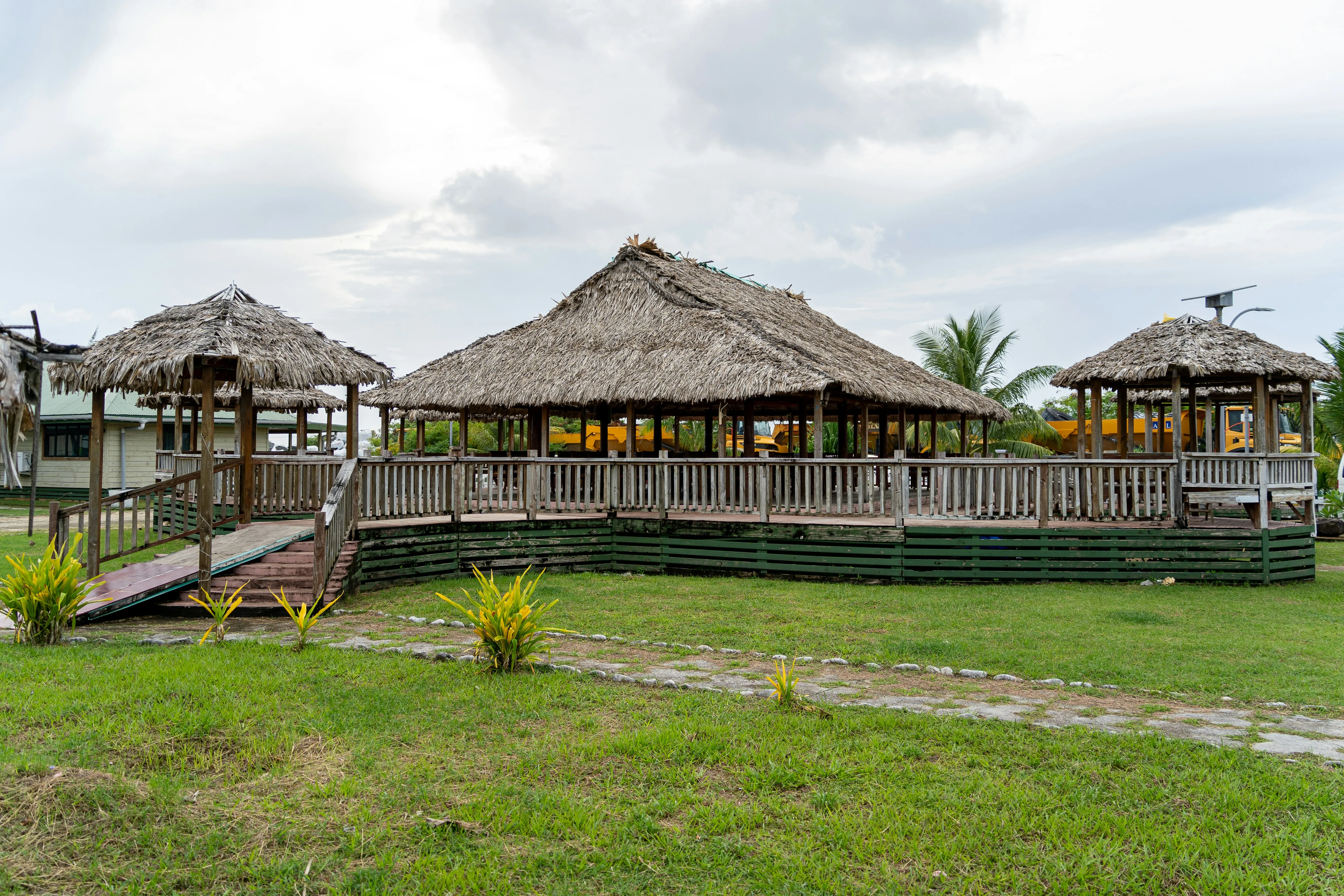
Tuvalu
Remote coral archipelago in the Pacific, famous for its crystal-clear lagoons, pristine beaches, and a peaceful lifestyle ideal for nature lovers.
Quick Facts
- Capital
- Funafuti
- Language
- Tuvaluan
- English
- Currency
- Tuvaluan dollar, Australian dollar
- Best time to visit
- From May to October, during the driest and coolest season.
- Budget per day
- $80 - $150 per day
- Climate
- Tropical maritime climate, warm and humid throughout the year, with a rainy season from November to April.
- Connectivity
- low
- Available at the telecommunications office in Funafuti with limited coverage.
- Electricity
- Type I (230V)
- Local transport
- limited
- Card usage
- cash is mostly used
- Tipping
- no
🌎 Introduction
In the heart of the Pacific, where the horizon merges with an intense blue, lies a collection of atolls and islands that seem to float just a few meters above sea level. Tuvalu is defined by its horizontal geography, a place where the sound of the waves is the permanent soundtrack and life unfolds at the leisurely pace of the tides. Far from conventional routes, its small communities preserve a simple daily life, marked by a close and respectful relationship with the ocean that surrounds them.
Walking through its narrow strips of land allows one to observe scenes where tradition remains very much present, from the aroma of freshly opened coconut to gatherings in the maneapa, the meeting houses that act as the soul of each village. The identity of these islands is perceived in the cadence of the fatele, their traditional music and dance, and in a gastronomy based on what the sea and the land offer each day, such as fresh tuna or pulaka. It is a corner of the world with its own serene identity, where the passing of time is usually measured more by the direction of the winds and the sunset light over the lagoon than by the hands of a clock.
🛡️ General safety
Tuvalu is considered one of the safest and most peaceful destinations in the world for travelers. Due to its small population and a culture based on mutual respect and community, crime rates are remarkably low.
- General safety level: The safety rating is very high. It is a country where coexistence is peaceful, and there are no internal social conflicts affecting tourists.
- Comparison: In terms of risk, it is at a very low level, comparable to or even better than the quietest rural areas of Europe or Asia.
- Context for the traveler: Being a small island nation, anonymity is difficult; most residents know each other, which creates an environment of natural social control that discourages any criminal behavior.
Crime and common risks
Although safety is the norm, it is always advisable to maintain basic common sense, as in any other part of the world.
- Types of crimes: Violent crimes are extremely rare. The most likely risk, though infrequent, is petty theft due to carelessness in public areas or beaches if valuables are left unattended.
- Scams: There are no organized scam networks targeting tourists. Prices are usually fixed, and the treatment of visitors is honest.
- Precaution zones: There are no “red zones” or dangerous neighborhoods in Tuvalu. You can travel throughout the Funafuti atoll with total freedom.
- Infrequent risks: Excessive alcohol consumption in certain local settings can lead to isolated altercations, so it is recommended to enjoy nightlife with moderation and respect.
Safety in cities and tourist areas
The main hub of activity is Funafuti, which functions more as an extended community than a conventional urban city.
- Urban centers: Safety in central Funafuti is excellent, even during the night. It is common to see residents and visitors walking or cycling at any hour.
- Public transport: There is no complex mass transport system; mobility is based on short transfers where safety is total.
- Practical recommendations: It is advised to walk along the edges of the road, as in the narrower parts of the atoll, space for pedestrians and vehicles is shared.
Safety in transport
Moving around Tuvalu is simple, but requires attention to local customs and the state of the infrastructure.
- Driving: In Tuvalu, driving is on the left. Roads are limited and the maximum speed allowed is very low, which drastically reduces the risk of serious accidents.
- Rental vehicles: The most common means is renting motorcycles or scooters. The use of a helmet is essential, and extreme caution must be taken with animals (dogs or pigs) that may cross the road unexpectedly.
- Taxis: They are safe and reliable, although they are not always immediately available; it is recommended to arrange the journey in advance if possible.
- Maritime transport: Government boats are used to travel between islands. It is vital to follow the crew’s instructions and avoid travel if sea conditions are adverse.
Natural and climatic risks
Given its location and geography, environmental risks are the greatest safety concern in the country.
- Cyclones and storms: Tuvalu is vulnerable to tropical cyclones, especially during the rainy season from November to April.
- Flooding: Because the country’s maximum altitude is just a few meters above sea level, high tides (known as “king tides”) can cause flooding on roads and in low-lying areas.
- Extreme heat: The sun is very strong all year round. The risk of dehydration and sunburn is real if preventive measures are not taken.
- Prevention: It is recommended to always consult the local weather forecast and have sufficient drinking water and high-factor sunscreen.
Legislation and local norms
Tuvaluan society is conservative and heavily influenced by Christian values and local traditions (Falekaupule).
- Clothing: Tourists are expected to dress modestly, especially when visiting villages or churches. The use of very revealing swimwear outside of beach or diving areas can be considered offensive.
- Behavior: Respect for elders and local authorities is fundamental. Sunday is a day of rest and religious worship; many commercial activities close, and it is recommended to maintain a quiet atmosphere.
- Consequences: Failure to comply with local norms may not always lead to legal sanctions, but it can lead to social isolation or reprimands from community leaders.
Safety for specific groups
- Female travelers: Tuvalu is a very safe destination for women traveling alone. Street harassment is not common, although dressing respectfully is recommended to avoid unwanted attention.
- LGTBIQ+ travelers: Same-sex relationships are technically illegal in Tuvalu, and society is conservative in this regard. Absolute discretion in public displays of affection is recommended to avoid legal or social problems.
- Children and the elderly: It is a safe environment for families. The main risk for these groups is the uneven terrain in some areas and the intensity of the tropical heat.
Emergencies and assistance
Emergency services are limited due to the size of the country, but functional for basic incidents.
- Emergency numbers:
- Police: 911
- Ambulance / Hospital: 912
- Firefighters: 913
- Medical assistance: There is one main hospital in Funafuti (Princess Margaret Hospital). For serious medical cases or complex surgeries, medical evacuation to countries like Fiji, Australia, or New Zealand is usually necessary.
- Recommendation: It is essential to take out travel insurance with medical evacuation coverage before flying to the country.
Tip: Always respect local customs and dress modestly when visiting communities; integration and respect are your best tools to ensure a safe and pleasant stay in Tuvalu.
📝 Entry requirements
To visit this Pacific destination, travelers usually need a passport with a validity that typically extends at least six months beyond the planned date of departure from the territory. The entry process for tourism purposes is usually streamlined, as most international visitors do not require a prior visa and usually obtain a stay permit upon arrival at the main point of entry. This permit typically allows a maximum stay of thirty days, which could be extended under certain circumstances before the competent authorities once in the country.
At immigration checkpoints, travelers are frequently asked to present a return or onward ticket to a third destination, as well as proof of having sufficient financial funds to cover expenses during their stay in the islands. Controls at airports are often thorough, especially regarding biosecurity, due to the fragility of the island ecosystem, so it is advisable to declare any items of natural origin.
Customs restrictions include standard limitations on the entry of fresh food products, plants, or seeds. In the case of traveling with prescription medications, it is advised that these remain in their original packaging and be accompanied by a copy of the medical prescription, preferably written in English. Regarding personal items, the entry of photographic and electronic equipment for private use is allowed, provided they do not have an obvious commercial purpose.
Regarding health, there are usually no mandatory vaccination requirements for all travelers in a generic way. However, a yellow fever vaccination certificate may be requested from those coming from countries where this disease is endemic. It is recommended to have travel insurance that covers possible medical eventualities, given that local services may be limited compared to other more developed destinations.
Below is a summary of the key aspects to consider for entry:
- Main documentation: Valid passport with a recommended minimum validity of six months.
- Tourism permit: Generally, a stay authorization of up to thirty days is granted upon arrival.
- Additional documentation: A confirmed onward ticket and proof of financial solvency are usually required.
- Biosecurity controls: Regular inspections to prevent the entry of organic products, plants, or animals.
- Medications: It is preferable to carry medical prescriptions for specific treatments and keep drugs in their original boxes.
- Health requirements: Yellow fever certification only in cases of arrival from risk zones.
- Personal luggage: Items for private use are usually tax-free within standard courtesy limits.
🏥 Basic health considerations
When packing your bag for this Pacific paradise, it is essential that you think about your health. Although you are going to a quiet place, the infrastructure is quite limited and it is advisable to have everything well organized.
Health system and medical assistance You will find that the health system in this country is very basic. The main point of care is the Princess Margaret Hospital, located in the capital, Funafuti. There are no private clinics or large-scale hospitals on the other islands, so any serious problem will require you to be transferred to other neighboring countries like Fiji or Australia. Health staff usually speak English in addition to the local language, which will facilitate communication. Costs for visitors are not excessively high for minor consultations, but the lack of technical resources means that prices skyrocket if you need complex tests or transfers.
Travel medical insurance Taking out medical insurance is not a legal requirement for entry, but it is absolutely essential. You must ensure that your policy includes very broad coverage for medical evacuation and repatriation. As distances are enormous and flights limited, an emergency transfer can cost tens of thousands of euros. Do not take risks and always travel with coverage that responds to these situations.
Vaccines There are no mandatory vaccines for entry, unless you come from an area where yellow fever is endemic. The most sensible thing is to have your regular vaccination schedule up to date, including vaccines such as tetanus or hepatitis. Being a tropical destination, it is always a good idea to consult with an international vaccination center before leaving so they can give you personalized recommendations according to your health status.
Medication and first aid kit Pharmacies on the islands have very limited stock. For this reason, I recommend that you take everything you might need with you: from basic painkillers to any specific medication you take regularly. It is essential that you keep medications in their original packaging and that you carry the medical prescription or a certificate signed by your doctor, preferably in English, to avoid any misunderstanding at customs.
Common health risks The main challenge you will face is the extreme heat and humidity. It is easy to suffer from dehydration or heat stroke if you do not take care of yourself. On the other hand, although there is no malaria, there are mosquitoes that can transmit diseases such as dengue. You will also find that the sun is very strong, so sunburns are a real risk if you do not use constant protection. You will not find large predators or dangerous animals on land, which will give you some peace of mind while walking.
Water, food, and hygiene Tap water is usually collected rainwater and is not always safe to drink directly. It is best to opt for bottled water or boil it before consumption. Regarding food, hygiene standards are acceptable, but you should be careful with reef fish, as it can sometimes cause ciguatera, a type of food poisoning from natural toxins. Otherwise, you can try local products as long as you see they have been well cooked.
Health emergencies If you find yourself in a critical situation, the telephone number for medical emergencies is 911. Bear in mind that the ambulance service is limited and response time can vary greatly depending on where you are. In the outer islands, care is much more precarious and transport to the capital can be significantly delayed.
Final practical recommendations Always carry a good insect repellent and high-factor sunscreen with you. Stay hydrated throughout the day, even if you are not thirsty. If you travel with any pre-existing medical condition, inform your companions and carry a medical report on you. Finally, act with prudence and avoid risky activities, as any accident can become complicated due to the remoteness of specialized medical services.
🚌 Transport within the country
Moving around Tuvalu is a simple and unique experience due to the small dimensions of the territory. As it is a collection of small atolls, the country does not have complex infrastructure such as train networks, subways, or large highways. The main hub of activity is concentrated in Funafuti, where most travel takes place along a main road that runs from one end of the atoll to the other, allowing for linear and uncomplicated mobility.
For short trips within the main island, the most common means of transport among visitors is renting motorcycles or bicycles. These vehicles offer great freedom to explore the environment at a leisurely pace. There are also taxi services that operate flexibly, allowing direct transfers between points of interest, the airport, or accommodation areas. The absence of heavy traffic and the simplicity of the road layout make driving peaceful and do not require advanced signaling to navigate easily.
The connection between the different atolls and outer islands is primarily done by sea. There are boats that periodically connect the capital with the rest of the archipelago, being the main mode of transport for those who wish to see the more rural and remote areas. Although there are very limited internal air services, the ferry is the backbone of national mobility. These sea journeys are usually long and are totally conditioned by the weather situation, which requires a patient attitude from the traveler.
In general terms, transport in the country is characterized by its informality and adapted reliability to the local environment. There is no complex system for advance ticket purchases or modern terminals, so communication with local inhabitants is fundamental to find out boat departures or coordinate transfers. The sense of safety and comfort is high, always under a calm pace of life where punctuality is subject to daily needs and the conditions of the natural environment.
“Tip”: It is advisable to plan travel between islands with enough time to spare, as maritime transport can vary according to sea conditions.
🤵 Culture and etiquette
Social life in Tuvalu is based on a deep sense of community and cooperation, where family ties and respect for elders and local leaders structure daily life. The pace of life is slow and quiet, so patience and a serene attitude in interactions are valued. When greeting, the most common approach is cordial treatment accompanied by gentle eye contact; in formal contexts, a handshake is the general norm to show courtesy.
In public spaces and social gatherings, a moderate voice volume predominates, as expressions of excessive effusiveness or unnecessary noise are usually not frequent. Punctuality is interpreted flexibly, adjusting more to the circumstances of the moment than to a strict hourly structure, a concept that invites the visitor to adopt a relaxed and adaptable disposition. Physical contact in public is usually discreet, always maintaining a respectful distance.
When visiting a home or entering the maneapa (the communal house that is the heart of social life), it is a widespread custom to remove your shoes before entering, leaving them outside as a sign of consideration for the host. Regarding meals, hospitality is a central value and, although there is no culture of leaving tips, verbal gratitude is greatly appreciated. It is recommended to dress discreetly and modestly, usually covering shoulders and knees in population centers and meeting areas.
Sunday is a day dedicated almost entirely to rest and religious practice, so public activity decreases considerably. During this day, behavior is expected to be especially quiet and respectful, avoiding activities that could be disruptive to the community. In traditional ceremonies, it is essential to observe social hierarchies and avoid standing while leaders or elders are seated, as maintaining a lower physical height is a show of courtesy and recognition of their authority.
Tip: Before entering any private home or community building, always observe the entrance; if you see shoes grouped at the door, removing your shoes is the most important gesture of courtesy to show respect for the space and its inhabitants.
🍛 Typical gastronomy
The cuisine of Tuvalu is intrinsically linked to the resources offered by the Pacific Ocean and its small atolls. It is a simple gastronomy, based on fresh local products and traditional preparation techniques that have been passed down from generation to generation. Due to the scarcity of arable soil, the inhabitants have learned to make the most of resilient ingredients such as pulaka (a type of swamp taro), coconut, and fish, which constitutes the protein base of almost all meals.
The flavors are natural and mild, with the creaminess of coconut in various textures and the sweetness of tropical fruits like banana or breadfruit predominating. Fish is usually consumed raw, marinated, roasted, or fried, depending on the time of day. The excessive use of spices is not frequent; instead, the freshness of the raw material recently obtained is valued, which gives the dishes an aromatic profile closely linked to the marine environment.
Regarding eating habits, a meal is usually a social and slow act. In local communities, it is common to share dishes on mats laid out on the ground, especially during celebrations in the falekaupule (meeting houses). Although small establishments exist in the more populated centers, etiquette is usually informal, highlighting the importance of washing one’s hands before eating, as some traditional foods are tasted directly with them.
Beverages also reflect adaptation to the environment. Fresh coconut water is the most common accompaniment during the day because of its hydrating capacity. Another very characteristic preparation is kaleve or “toddy,” a sweet sap extracted from the coconut flower that is consumed fresh in the mornings or fermented on special occasions, providing a unique flavor closely linked to the cultural identity of the islands.
| Dish | Description | Main ingredients | Where to try it | Tip |
|---|---|---|---|---|
| Pulaka | Essential tuber in the diet, similar to taro, grown in excavated pits. | Pulaka root and seawater for cultivation. | Local homes and community festivities. | Try it well-cooked to appreciate its dense and starchy texture. |
| Tulolo | Mashed pulaka dish served with a creamy consistency. | Cooked pulaka and coconut cream. | Traditional lunches in Funafuti. | It is the ideal accompaniment to balance the flavor of salted fish. |
| Palusami | Stuffed taro leaves cooked until they acquire a soft texture. | Taro leaves and thick coconut cream. | Local markets and family gatherings. | It should be consumed hot so the coconut cream maintains its fluidity. |
| Marinated fish | Fresh fish cubes prepared with a citrus and creamy base. | White fish or tuna, coconut milk, and lime. | Small eateries in the capital. | Ask for the catch of the day to guarantee the best texture. |
| Fua Lulu | Breadfruit prepared by roasting or boiling techniques. | Ripe breadfruit. | Food stalls and accompaniment at dinners. | Its flavor is reminiscent of freshly baked bread; it is excellent as a garnish. |
📷 Areas and places to visit
Tuvalu presents itself as a unique destination where geography dictates the pace of life. The archipelago consists of nine islands and atolls, with the Funafuti atoll being the main point of entry and the administrative center of the country. Upon arrival, the first thing that catches the eye is the narrowness of the strip of land, where the ocean and the interior lagoon are always in sight. In this area is the village of Vaiaku, where most services, the government building, and the air terminal are concentrated, which has the peculiarity of becoming a public recreational space when no flights are scheduled.
One of the places with the greatest social relevance is the Funafuti airstrip. At sunset, when temperatures drop, this space transforms into a spontaneous community center where local inhabitants practice sports, walk, or simply gather to talk. It is a fascinating example of how technical infrastructure can be integrated into the daily life of a community. Nearby, the Tuvalu Philatelic Bureau attracts collectors from all over the world, as local stamp runs are highly valued for their design and rarity, representing an important part of the cultural and economic identity of the country.
Tuvaluan culture is another major attraction and can be experienced firsthand by visiting the maneapa. These are communal meeting houses, present in all villages, where assemblies, traditional dances known as fatele, and important festivities are held. Observing the architecture of these spaces and, if given the opportunity, witnessing a ceremony, allows one to understand the importance of hospitality and collective life in the Pacific. Additionally, in small local markets, it is possible to find handicrafts made from palm fibers and shells, which show the skill of local artisans.
On the natural front, the most prominent place is the Funafuti Conservation Area, located on the western side of the atoll. This protected space covers six islets or motu, as well as an extensive area of coral reefs and lagoons. It is an ideal setting for observing marine biodiversity through snorkeling or simply for exploring uninhabited islets like Tepuka, where tropical vegetation and white sand beaches offer a visual contrast to the more inhabited areas of the main atoll. The tranquility felt on these islets allows for a direct connection with nature.
For those seeking a historical perspective, outer islands like Nanumea or Nukufetau preserve remains from World War II. During the conflict, these islands served as strategic bases, and it is still possible to find remnants of machinery, bunkers, and old airstrips that the vegetation has partially reclaimed. These rural areas offer an even slower pace of life than the capital, allowing one to learn about the fishing and subsistence farming traditions that have sustained the population for centuries.
The contrast between the urban area of Funafuti and the more remote atolls is notable. While the capital shows a more modern and functional side, the outer islands maintain a more traditional structure. In places like Vaitupu, the largest island in terms of land area, one can appreciate a more forested landscape and a deeply rooted social organization. Traveling these natural trails or visiting local schools helps to understand the challenges and resilience of a nation that lives in close relationship with the sea level.
Tip: You cannot miss visiting the Funafuti Conservation Area, the most iconic place in the country.
✈️ Best time to travel
Tuvalu enjoys a warm and constant tropical climate throughout the year, so any time is suitable to visit this remote Pacific archipelago. However, the travel experience is primarily marked by the rainfall pattern, which divides the year into a drier and a wetter season, influencing water visibility and the comfort of traveling between atolls.
The most balanced period to visit the country is between the months of May and October. During this stage, trade winds soften the temperatures and rains are less frequent, which facilitates water activities and the exploration of the lagoons. It is the ideal time for those seeking to enjoy marine nature in an environment of absolute calm and clear skies.
| Season | Months | Typical climate | What to expect | Tourist influx |
|---|---|---|---|---|
| Spring | Mar – May | Transition from wet to dry. Temperatures between 26°C and 31°C. | Very green landscapes and days alternating clouds with sun. Rains begin to subside. | Low (⭐) |
| Summer | Jun – Aug | Driest season. Pleasant sea breezes and lower humidity. | Optimal conditions for snorkeling, diving, and sailing between islands due to calm seas. | Medium (⭐⭐) |
| Autumn | Sep – Nov | Constant heat with a progressive increase in cloudiness and humidity. | Cultural celebrations such as Tuvalu Day (October). Very warm waters for swimming. | Low - Medium (⭐⭐) |
| Winter | Dec – Feb | Intense rainy season. Hot and very humid environment. | Frequent rainfall that refreshes the environment. An experience of maximum tranquility and local life. | Very low (⭐) |
🗣️ Basic vocabulary
Learning a few words in Tuvaluan is a practical way to better integrate into the local pace of life. Although English is an official language and is widely spoken on the islands, knowing basic terms for greeting or saying thank you facilitates interaction in daily situations, such as when visiting small shops or traveling through the atolls.
These expressions are easy to remember and help make encounters with residents closer and more natural. The goal is not language mastery, but having simple tools to show courtesy and address basic needs during the stay.
- Talofa: Hello.
- Fafetai: Thank you.
- Tofa: Goodbye.
- Tulou: Sorry / Excuse me.
- E fia?: How much does it cost?
- Ie: Yes.
- Ikai: No.
- E ‘lei: Good / Everything is correct.