


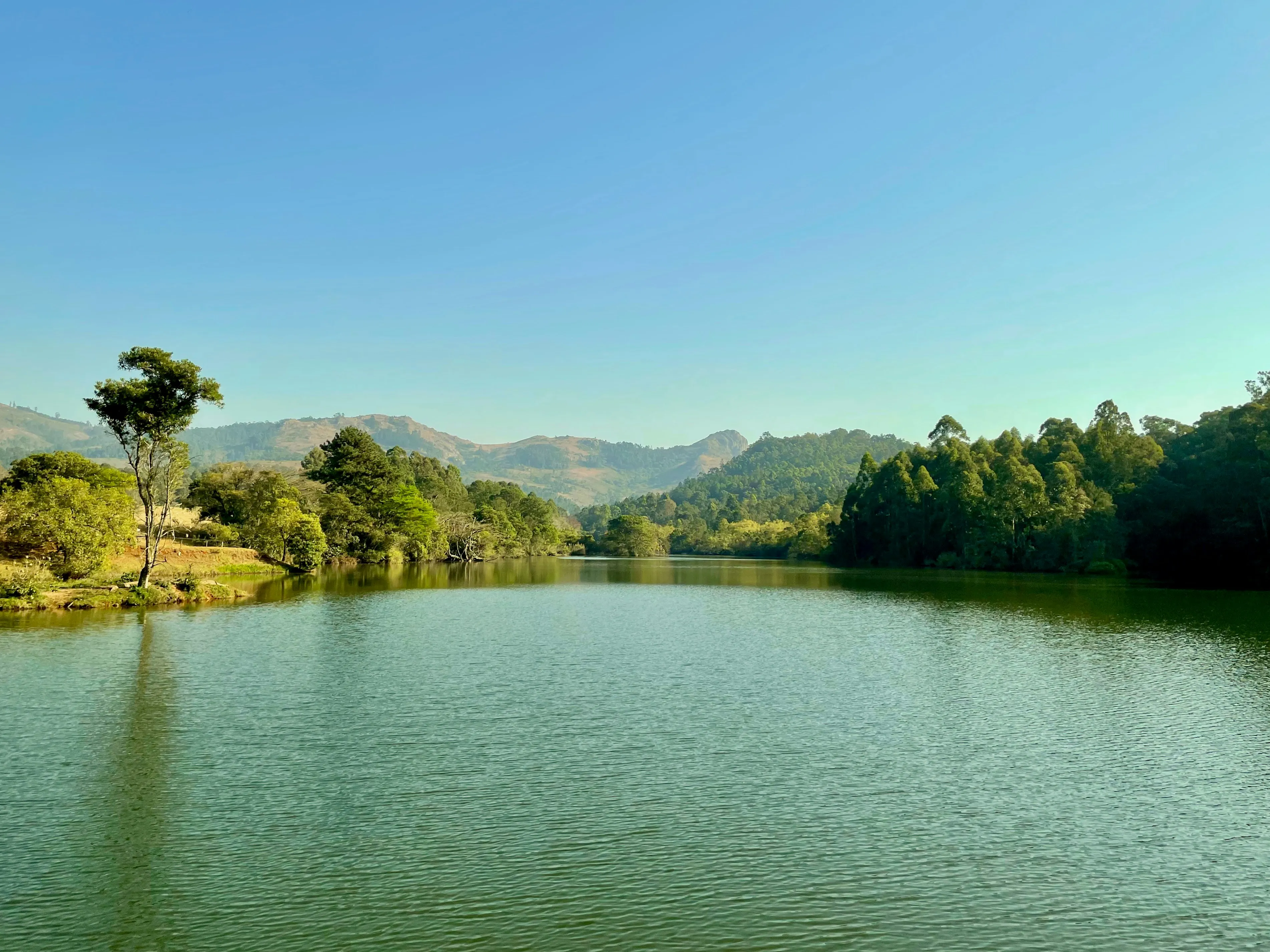
Eswatini
Discover this African kingdom that captivates with millenary traditions, green mountain landscapes, vibrant natural parks, and a unique and unforgettable cultural hospitality.
Quick Facts
- Capital
- Mbabane
- Language
- Swazi
- English, Zulu
- Currency
- Lilangeni (SZL) and South African Rand (ZAR)
- Best time to visit
- From May to September, during the dry season.
- Budget per day
- $40 - $150 per day
- Climate
- Varied subtropical climate with hot and rainy summers, along with dry and cool winters, especially in the highlands.
- Connectivity
- medium
- Easy to obtain at border posts and urban shopping centers.
- Electricity
- Type M (230V)
- Local transport
- limited
- Card usage
- acceptable
- Tipping
- optional
🌎 Introduction
Surrounded by the foothills of the Drakensberg Mountains and the lowlands stretching toward the Indian Ocean, this corner of Southern Africa unfolds a mosaic of landscapes across a small and manageable area. The terrain changes rapidly, shifting from cool green hills to savannas dotted with acacias, offering an environment where the slow pace of rural life and nature coexist in balance.
The identity of its inhabitants is interwoven with traditions that have remained present in daily life throughout the decades. It is common to find collective celebrations that mark the passing of the seasons, where the colorful clothing and music reflect a deep respect for their cultural roots. In the daily life of villages and markets, life manifests through manual labor, glass or basketry crafts, and a simple gastronomy based on the products the land offers.
The environment allows for the observation of local wildlife in quiet reserves, far from the region’s more crowded routes. Between red dirt roads and warm-light sunsets, the landscape invites a peaceful stay, ideal for getting to know up close the essence of a people who value their historical legacy while maintaining their own personality in a globalized world.
🛡️ General Safety
General safety level
Eswatini, formerly known as Swaziland, is usually considered one of the safest and most welcoming destinations in Southern Africa. In comparative terms, the country presents a low-medium risk level, generally ranking as a quieter place than some of its immediate neighbors. Most visits pass without incident, as the country enjoys notable social stability and a culture based on hospitality.
The context for the traveler is one of relative calm. However, as in any international destination, absolute safety does not exist. The country has experienced a slight increase in social tensions in recent years, so it is essential to stay informed about the current local situation, although this does not usually directly affect traditional tourist circuits.
Crime and common risks
Most crimes affecting tourists are non-violent in nature and are motivated by opportunism. It is important to know the risks to act with prevention:
- Pickpocketing and minor theft: These are common in high-traffic areas, such as street markets, bus stations, and shopping centers. Pickpockets often take advantage of carelessness in crowded places.
- Theft from vehicles: Leaving valuables in sight inside a parked car is a real risk. It is recommended to use guarded car parks whenever possible.
- Nighttime assaults: Although not frequent against tourists, the risk of robbery increases significantly after sunset, especially in poorly lit urban areas or those far from hotels.
- Minor scams: Situations of overcharging for unregulated services or people offering themselves as “spontaneous guides” only to later demand high payments can occur.
Safety in cities and tourist areas
Safety varies depending on the location, although in general, rural areas and national parks are extremely safe.
- Urban centers: The two main cities, Mbabane (the administrative capital) and Manzini (the commercial center), require greater vigilance. Manzini, in particular, is known for being more chaotic and prone to pickpocketing in its market areas.
- Tourist areas: Valleys such as Ezulwini or Malkerns, where most hotels and reserves are located, have good levels of security and private surveillance.
- Practical recommendations: It is advised not to walk alone through cities after dark and to avoid displaying jewelry, expensive cameras, or large amounts of cash in public places.
Safety in transport
Transport is a key aspect of safety in Eswatini, with particularities that the traveler should know:
- Driving: In Eswatini, you drive on the left. Main roads (connecting with South Africa and Mozambique) are usually in good condition, but secondary roads may be poorly lit and have potholes.
- Road risks: The main danger on the road is the presence of livestock (cows and goats) and pedestrians crossing without signaling. For this reason, driving at night outside urban centers is strongly discouraged.
- Rental vehicles: This is the most recommended option for tourists. It is essential to always keep doors locked while driving (car-locking).
- Public transport: “Kombis” (local minibuses) are economical but often overspeed and do not always meet maintenance standards. For urban journeys, it is preferable to use official taxis requested from the hotel.
Natural and climatic risks
Eswatini does not usually suffer from large-scale natural disasters, but there are seasonal phenomena that require attention:
- Thunderstorms: During the southern summer (October to March), the country records some of the most intense thunderstorms in the world. The risk of lightning strikes is real; it is recommended to seek immediate shelter if thunder is heard.
- Flash floods: Heavy rains can make some low bridges and dirt roads impassable in a matter of minutes.
- Extreme heat: In the low-lying areas (Lowveld), temperatures can exceed 40°C in summer, requiring constant hydration to avoid heatstroke.
Local legislation and regulations
Compliance with local laws is strict, and authorities do not usually make distinctions for foreigners:
- Respect for the monarchy: Eswatini is an absolute monarchy. It is essential to avoid derogatory comments or public criticism of the King or the royal family, as this can lead to serious legal problems.
- Photography: It is strictly forbidden to photograph government buildings, military installations, embassies, or uniformed security personnel.
- Drugs: There is zero tolerance for the possession and consumption of narcotic substances. Prison sentences are severe, and prison conditions are poor.
- Dress code: Although there is no strict code, decorum is appreciated in rural areas and public buildings. When visiting government offices, formal dress is commonly required.
Safety for specific groups
- Solo female travelers: Eswatini is generally safe for women traveling alone, although they may receive unwanted attention or persistent comments. It is recommended to avoid walking alone in isolated areas or at night and to dress discreetly to minimize risks.
- LGTBIQ+ travelers: Homosexuality is technically illegal under customary law, although arrests of tourists are extremely rare. However, social acceptance is limited. It is recommended to maintain a very discreet attitude and avoid public displays of affection to prevent incidents or discrimination.
- Children and the elderly: The country is very welcoming to families. The main risk for these groups is usually health (dehydration or malaria in certain low-lying areas) rather than physical safety.
Emergencies and assistance
It is important to have contact numbers at hand in case of need, although the response infrastructure may be slower than in Europe:
- Police: The emergency number is 999. Police presence is visible in cities but limited in remote areas.
- Medical services and ambulances: The number is 933. For serious emergencies, it is recommended to have medical insurance that includes aerial evacuation to South Africa, as local hospitals have limited resources.
- Firefighters: The contact number is 977.
- Procedure in case of incident: If you are a victim of a crime, you must go to the nearest police station to file a “police report,” an essential document for any subsequent travel insurance claim.
Tip: Always avoid driving after sunset; the lack of lighting and the unexpected crossing of animals on the road are the most likely safety risks you will face in the country.
📝 Entry requirements
To organize a trip to Eswatini, the first fundamental step is to ensure that your passport has a minimum recommended validity of six months from the date of arrival. Additionally, it is convenient for the document to have at least two or three blank pages so that authorities can stamp the corresponding entry and exit seals without issues at border posts.
In most cases, visitors traveling purely for tourism purposes do not usually require a prior visa, as the stay permit is typically handled easily at entry points into the territory. However, this permit usually has a limited duration, generally up to thirty days, so it is important to plan the travel itinerary within these common time frames.
When crossing the border or landing at the airport, authorities may randomly request proof of a return ticket or onward travel to another destination, as well as accreditation of having sufficient economic means to cover expenses during the planned stay. Controls at access points are usually calm, although routine luggage inspections are carried out to verify compliance with local regulations.
Regarding goods and personal items, there are standard restrictions on the entry of fresh food, plants, and certain products of animal origin. In the case of traveling with personal medication, it is advisable to carry them in their original packaging and accompanied by a medical description or prescription if they are specific drugs or part of a continuous treatment, to facilitate any customs verification process.
In the health field, it is common to request a yellow fever vaccination certificate from travelers coming from areas where this disease is considered endemic. Apart from this possible requirement, it is recommended to be up to date with general vaccinations and consider preventive measures against local ailments, consulting with travel medicine specialists before starting the journey.
Summary of entry considerations:
- Main documentation: Use of a valid passport with a wide expiration margin and space for stamps.
- Stay management: Obtaining a tourist permit directly upon arrival for short-term periods.
- Additional requirements: Possibility of demonstrating financial solvency and possession of an exit ticket.
- Customs regulations: Surveillance over the introduction of agricultural products, animals, and certain drugs.
- Health prevention: Recommendation to review the vaccination schedule and possible required certificates depending on the origin of the trip.
🏥 Basic health considerations
On your trip to Eswatini, you will notice that the health system has two very distinct sides. On one hand, you will find public healthcare which usually has limited resources and long waiting times. On the other hand, private healthcare, concentrated mainly in the urban centers of Mbabane and Manzini, offers acceptable quality standards and much more agile care for tourists. The cost of private medicine is high compared to the local standard of living, although it does not reach the levels of Western countries. Regarding communication, you will have no trouble explaining your situation, as English is the common language among health and medical staff.
Taking out travel medical insurance is not a mandatory legal requirement to enter the country, but it is absolutely essential for your peace of mind. You should ensure that your policy includes very broad coverage for hospitalization and surgery. A key point to check is that it includes medical air evacuation, as in cases of extreme gravity, it is standard to be transferred to better-equipped hospitals in neighboring South Africa. It is also recommended that it covers medical repatriation if necessary.
Regarding vaccinations, the only one that will be mandatory is the yellow fever vaccine, but only if you are coming from a country where this disease is endemic. For all other travelers, the most important thing is to have your routine vaccination schedule up to date, including tetanus, diphtheria, and MMR. Depending on the type of activities you plan to do or if you will spend a lot of time in rural areas, you might consider vaccinations for hepatitis A, hepatitis B, and typhoid fever.
If you need to bring your own medication, it is vital to transport it in its original packaging and always accompanied by a medical prescription translated into English. Eswatini has strict regulations on the entry of medications, especially those containing psychotropic substances or opioid derivatives, so carrying a signed medical certificate will avoid unnecessary complications at border controls. A small first-aid kit with painkillers, disinfectants, and basic dressing materials will be enough for minor setbacks you may have.
Regarding environmental risks, you should pay special attention to malaria, which is present especially in the lowlands of the east of the country and during the hottest and rainiest months. You will find that the constant use of insect repellent and clothing that covers extremities at sunrise and sunset is your best defense. The sun can also be very strong, so the use of sun protection is fundamental to avoid burns. An important fact for your peace of mind is that, although the country has a high HIV rate in its local population, this does not pose a health risk to you as a tourist as long as you maintain basic universal precautions.
Regarding water and food, although tap water in main cities is usually treated, the best way to avoid stomach problems is to always drink bottled water. You will find that hygiene in catering establishments is usually good, but with street food, it is better to use common sense and consume products that are well-cooked and hot at the time of serving. Washing your hands frequently or using a hand sanitizer will help keep any gastric discomfort away.
For any medical emergency, the phone number you should dial is 933. Keep in mind that the ambulance service can be slow outside the cities, so in the event of an incident in a remote area, it is often more effective to attempt transfer by your own means to the nearest medical center if the situation allows.
As final tips, try to always travel well-hydrated and avoid bathing in stagnant water or slow-moving rivers to prevent parasitic diseases. If you follow these basic guidelines and act with common sense, your experience in the country will be safe and you will be able to focus on enjoying its landscapes and culture.
🚌 Transport within the country
Moving around Eswatini is primarily done by road, as the country does not have a passenger rail network or domestic flights due to its small size. The most common option for visitors seeking autonomy is car rental, which allows easy access to national parks and nature reserves. The main roads connecting the most important centers are usually in good condition, although it is necessary to drive with caution due to the possible presence of animals or pedestrians on the roadside.
Public transport is mainly based on shared minibuses that connect urban centers and border points. These vehicles do not usually follow strict schedules but instead depart once all available seats are filled. Although communication is simple because English is an official language and signage is understandable, the system can be somewhat complex for tourists at first, as there are not always conventionally marked stops or advance ticket sales systems.
There is a notable difference between the larger urban areas and the more rural regions. While it is easy to find taxis for short trips in the cities, transport is much scarcer in remote areas and waits can be long. Taxis do not usually use meters, so it is customary to agree on the fare with the driver before starting the journey. The reliability of these services is acceptable, provided that the slow pace of travel is taken into account.
In general terms, travel across the country is short and the sense of safety in transport is adequate. However, comfort in public media is basic and travel times can vary depending on the influx of passengers. For those who prefer to avoid driving on the left, there are some private transfer services that offer a more direct experience between the main accommodations and points of interest.
“Tip”: It is advisable to plan travel during daylight hours, as visibility on many secondary roads decreases considerably at night.
🤵 Culture and etiquette
Interpersonal treatment in Eswatini is based on courtesy and mutual respect. When starting any interaction, whether in a shop or asking for directions, it is fundamental to dedicate a moment to a slow and friendly greeting before proceeding with the query. It is considered an important sign of deference to use both hands when giving or receiving an item, or to lightly rest the left hand on the right forearm during the exchange. This gesture, common in many daily contexts, symbolizes honesty and respect toward the interlocutor.
In public spaces, an atmosphere of tranquility and moderation prevails. Using a soft tone of voice is valued, and loud behaviors or excessive displays of affection are usually avoided, maintaining a discreet and balanced conduct. Regarding punctuality, although rigor is expected in professional settings and tourist services, there is greater flexibility in social interactions. Respect for hierarchy and the elderly is a central pillar of coexistence; showing an attentive attitude toward elders is a highly appreciated practice that facilitates integration into the local social environment.
In terms of table manners and visits, hospitality plays a significant role. If given the opportunity to visit a home or community setting, it is advisable to follow the hosts’ indications regarding the protocol to be followed. The use of the right hand is the common norm for eating or pointing. Regarding tipping, in catering establishments and tourist services, it is customary to leave an amount close to ten percent of the total if the service was satisfactory, following a dynamic similar to other international destinations.
The country maintains a very deep bond with its traditions and its monarchy, so it is essential to show an attitude of respect toward national symbols, institutions, and ceremonies. When visiting rural areas, traditional villages, or places of cultural importance, dressing discreetly and modestly is a sign of consideration for local sensitivity. Likewise, before taking photographs of people, private homes, or traditional activities, it is a basic rule of courtesy to ask for permission politely, always respecting the privacy and personal space of the inhabitants.
“Tip”: Always greet verbally before asking any questions and use both hands when giving or receiving money, documents, or gifts, as these gestures facilitate fluid communication and show consideration for local customs.
🍛 Typical gastronomy
The cuisine of Eswatini is based on the country’s agricultural tradition, where maize is the main ingredient and the foundation of most daily preparations. This cereal is commonly consumed in the form of thick porridges that serve as an accompaniment to various meat and vegetable stews. Local flavors are generally simple and balanced, highlighting the use of fresh seasonal products such as pumpkin, wild spinach, legumes, and peanuts, which add texture and depth to traditional dishes.
Meat plays a central role in social gatherings and festivities. Beef and goat are the most valued proteins, frequently prepared on the grill or in slow-cooked stews that allow the meat to soften. It is common to find a combination of cereals and vegetables on the same plate, creating very complete and nutritious meals. In more traditional areas, the custom of sharing food from common containers is still preserved, although in urban settings and catering establishments, international etiquette standards are followed with the use of cutlery.
In terms of social habits, Swazi hospitality is manifested through food. Schedules usually follow a conventional pattern, with a substantial lunch and a dinner that is typically served early. Regarding beverages, artisanal fermented preparations have great cultural relevance. Maheu, a non-alcoholic drink based on fermented maize, is widely consumed for its energy contribution, while local herbal infusions and homemade ginger beer are very common refreshing options in homes.
The natural environment of Eswatini also provides a great variety of tropical fruits, such as mangoes, guavas, and avocados, which are usually consumed fresh between meals or as a natural complement at the end of meals. When visiting markets or local restaurants, the traveler will find a peaceful and friendly atmosphere, where local products and inherited recipes that have passed from generation to generation with almost no modifications are prioritized.
| Dish | Description | Main ingredients | Where to try it | Tip |
|---|---|---|---|---|
| Sishwala | Thick and consistent porridge, similar to a firm puree. | Ground maize and dried beans. | Local cuisine restaurants in Mbabane. | It is recommended to accompany it with a meat or vegetable stew with sauce. |
| Sidvudvu | A soft and nutritious porridge with a slightly sweet touch. | Pumpkin and maize flour. | Traditional markets and roadside stops. | It is ideal as a side dish to balance more intensely flavored dishes. |
| Umncweba | Cured and air-dried meat, similar to a protein snack. | Beef or game meat, spices, and vinegar. | Grocery stores and regional markets. | It is a perfect snack to take during nature excursions. |
| Slaai | A fresh and aromatic salad that serves as an accompaniment. | Avocado, lemon juice, and fresh ginger. | Establishments in the Ezulwini Valley. | Try it alongside grilled meats to bring freshness to the palate. |
| Incwancwa | Fermented porridge with a characteristically sour taste. | Fermented maize flour and water. | Breakfast stalls and guest houses. | It is usually consumed in the morning to start the day with energy. |
📷 Zones and places to visit
Eswatini is a destination that surprises with the variety of its landscapes and the depth of its traditions, concentrated in a territory that can be easily explored. The starting point for many travelers is the Ezulwini Valley, commonly known as the valley of heaven. This area acts as the country’s main tourist hub, where modern comfort and cultural essence merge. In this setting is Lobamba, the nation’s spiritual and legislative heart, where it is possible to visit the National Museum to understand the history of the monarchy and local customs. Nearby, the Mantenga Cultural Village allows visitors to get a close look at traditional architecture and attend dance and music demonstrations that reflect the identity of the Swazi people.
Urban areas present interesting contrasts that show the country’s evolution. Mbabane, the administrative capital, is located in the highlands and offers a peaceful atmosphere with views of the surrounding hills and functional shopping centers. On the other hand, Manzini serves as the commercial engine of the region; its atmosphere is more bustling and dynamic, especially notable for its craft markets and local products, where daily activity is the main attraction for observing the real life of its inhabitants. Both cities serve as a base for exploring the surroundings, combining practical services with the characteristic hospitality of their people.
Nature is, without a doubt, one of the fundamental pillars of any visit. The Mlilwane Wildlife Sanctuary is a pioneering conservation space where outdoor activities can be carried out without the presence of large predators, facilitating hiking routes, mountain biking tours, or horseback excursions among zebras and antelopes. For those seeking a more classic wildlife experience, the Hlane Royal National Park offers the opportunity to observe large species, such as rhinos and lions, in a savanna environment dominated by ancient trees. These protected spaces not only conserve biodiversity but also allow direct and respectful contact with the natural environment.
Toward the north, the landscape transforms into a stage of mountains and deep valleys. The Malolotja Nature Reserve is the favorite destination for lovers of active tourism and geology, featuring some of the oldest rock formations on the planet and trails leading to waterfalls and panoramic viewpoints. In this same region is the emblematic Sibebe Rock, a massive granite monolith that challenges hikers with its steep ascent, rewarding them with extensive views of the rural areas. The Piggs Peak area also stands out for its forests and the quality of its artisanal crafts, especially the glasswork and textiles produced in internationally renowned local workshops.
The east of the country is characterized by the Lebombo mountain range, a more remote and pristine area that marks the natural border and offers a different perspective of the African terrain. In this region, the Mkhaya Game Reserve is distinguished by its focus on protecting endangered species, providing a more exclusive safari experience focused on interpreting the environment. The richness of Eswatini lies in this balance between its living traditions, celebrated in festivals and ceremonies of great social importance, and a geography that invites slow exploration, far from the large tourist crowds of other parts of the continent.
“Tip”: You cannot miss visiting the Ezulwini Valley, the most emblematic place in the country.
✈️ Best season to travel
Eswatini has a subtropical climate that divides the year mainly into two periods: a dry season and a rainy season. The choice of the ideal time for the visit depends largely on the activities to be performed. For those who prioritize wildlife viewing in nature reserves, the months without precipitation facilitate visibility, while the rainy months transform the landscape into a green and exuberant environment, ideal for landscape photography and bird watching.
In general, the country is a destination that can be visited year-round due to its moderate temperatures. While high areas tend to be cooler and wetter, low plains present a warmer and drier environment. The country’s most important cultural festivities also mark milestones in the calendar, offering a deep perspective of local traditions at specific times of the year.
| Season | Months | Typical climate | What to expect | Tourist influx |
|---|---|---|---|---|
| Spring | Mar – May | Pleasant temperatures and decreasing rains. | Green landscapes after the summer rains, clear skies, and good conditions for hiking. | ⭐⭐ Medium |
| Summer | Jun – Aug | Sunny and cool days; cold nights in high areas. | Dry season ideal for observing animals at water holes and performing safaris. | ⭐⭐ Medium |
| Autumn | Sep – Nov | Gradual increase in temperatures and occasional rains. | Beginning of the animal breeding season, blooming vegetation, and celebration of the Umhlanga festival. | ⭐⭐⭐ High |
| Winter | Dec – Feb | Hot climate, high humidity, and frequent rains. | Very lush environment, migratory bird watching, and cultural celebrations such as Incwala. | ⭐⭐ Medium |
🗣️ Basic vocabulary
Although English is one of the official languages of Eswatini and is commonly used in the tourism and administrative sectors, siSwati is the primary language of the population. Knowing some basic words in this language will not only help you manage better in daily situations, such as markets or public transport, but it is also a sign of courtesy that locals usually appreciate.
It is not about mastering the grammar, but about using simple formulas to greet, say thank you, or ask for basic information. These expressions will allow you to establish a closer and more fluid contact during your visits to rural communities or when interacting with national park staff.
- Sawubona: Hello (addressed to a single person).
- Sanibonani: Hello (addressed to a group of people).
- Ngiyabonga: Thank you.
- Yebo: Yes (also used as a general polite response).
- Cha: No.
- Ngicela…: Please / I would like…
- Malini?: How much does it cost?
- Hamba kahle: Goodbye (said to the person leaving).
- Sala kahle: Goodbye (said to the person staying).