


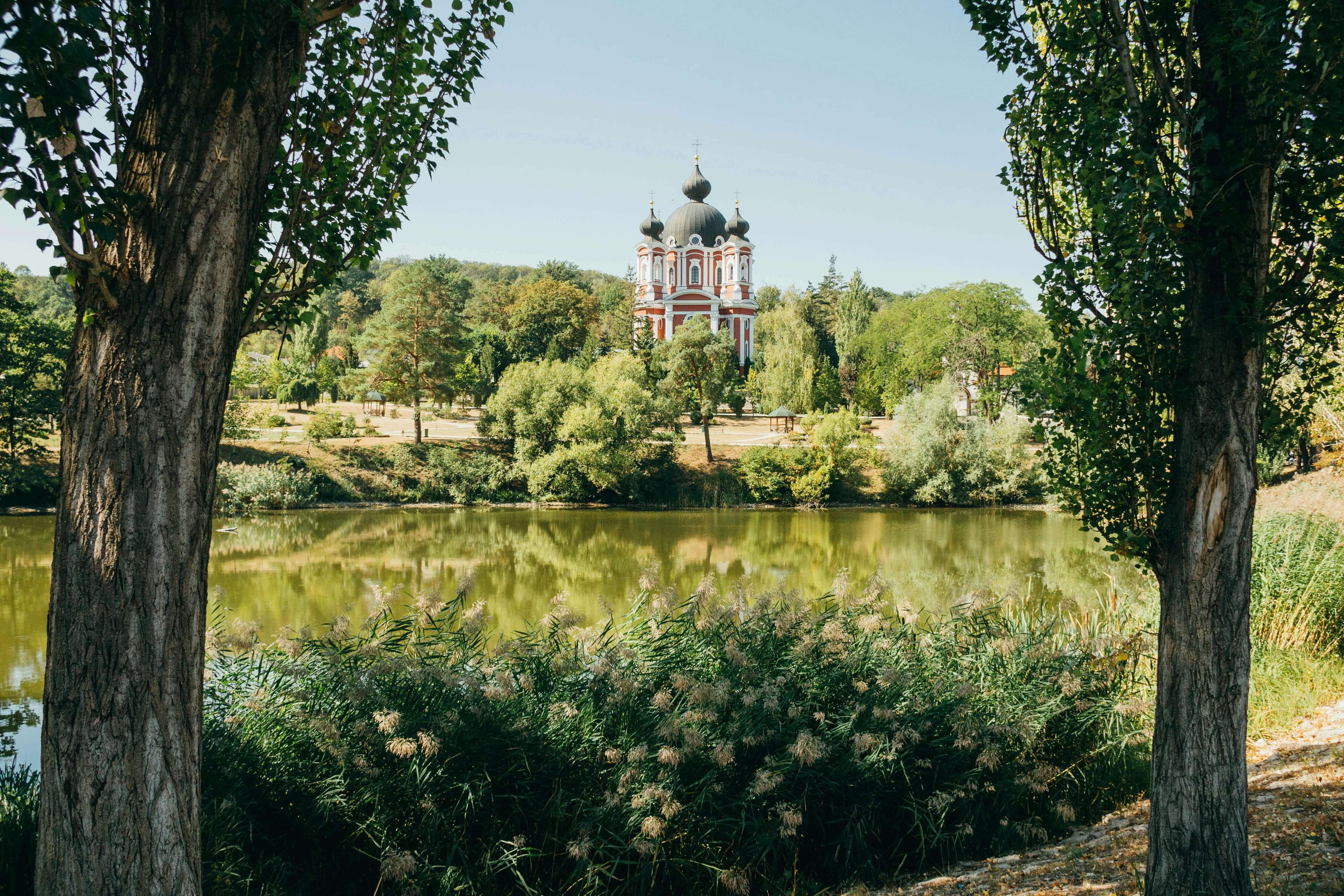
Moldova
An authentic European destination that captivates with its ancestral wine traditions, serene rural landscapes, and warm hospitality in the heart of Eastern Europe.
Quick Facts
- Capital
- Chisinau
- Language
- Romanian
- Russian, Gagauz
- Currency
- Moldovan Leu (MDL)
- Best time to visit
- From May to June and from August to September for its pleasant temperatures.
- Budget per day
- $30 - $70 per day
- Climate
- Moderate continental climate with long, warm summers and cold, dry winters with occasional snowfall.
- Connectivity
- good
- Very easy to obtain at airports and local shops with prepaid and eSIM options.
- Electricity
- Type C/F (230V)
- Local transport
- acceptable
- Card usage
- acceptable
- Tipping
- optional
🌎 Introduction
In the corner where Eastern Europe begins to soften, lies a territory of rolling hills and river valleys flowing between Romania and Ukraine. It is a landscape marked by the slow passage of the Prut and Dniester rivers, where the land dictates the rhythm of the days. Here, winters usually cover the roofs of small villages in white, while autumn transforms the fields into a tapestry of ochre and gold, signaling the moment when activity moves to the cellars and family courtyards.
The identity of this place is savored at its tables, where hospitality is a deeply rooted custom. The aroma of freshly prepared plăcinte and the constant presence of its wines, crafted with artisanal pride, speak of a culture closely linked to its agricultural roots. It is a destination of gentle contrasts, where ancient monasteries carved into the rock coexist with the daily life of its markets and squares. Traveling through its landscapes allows one to experience a way of understanding time that still values the calm and inherited traditions, maintaining a discreet and welcoming authenticity.
🛡️ General Safety
Moldova is a destination that, in general terms, is considered safe for international tourists. Although it is not one of the most visited countries in Europe, those who do visit usually find a hospitable and quiet atmosphere. The safety rating is high, standing at levels similar to other Eastern European countries. Travelers only need to apply common sense and the basic precautions they would take in any large European city.
The current context of the country is one of stability, although it is important to be informed about the regional situation. For the tourist, daily life proceeds normally both in the capital, Chisinau, and in the rural and wine-growing areas, which are the main points of interest.
Crime and Common Risks
Crime affecting tourists is usually non-violent. The most common risks include:
- Theft and pickpocketing: These can occur in crowded places such as outdoor markets (especially the Central Market in Chisinau), bus stations, and public transport during peak hours.
- Minor scams: Some unlicensed taxi drivers or establishments may try to charge foreigners excessive prices. It is recommended to use transport applications or agree on the price in advance.
- Personal safety: Violent incidents against tourists are extremely rare. However, it is advisable to avoid poorly lit areas or lonely parks at night out of mere precaution.
Safety in Cities and Tourist Areas
The urban centers of Moldova, especially Chisinau, are safe for walking. The police presence is visible, and the main streets are well-lit and busy.
- Differences between areas: Chisinau is the most cosmopolitan city and is prepared for tourism. In smaller cities or rural areas, the main challenge is usually the language barrier rather than safety.
- Transnistria: This is a region with a special status (self-proclaimed independent but not internationally recognized). It is possible to visit it as a tourist and, in general, it is safe to do so. However, it is recommended to always carry your original passport, not to photograph government or military buildings, and to respect internal border controls. Consular assistance in this area may be more limited.
Transport Safety
Transport in Moldova has particularities that the traveler should know to move around with peace of mind:
- Public transport: Trolleybuses and buses in the capital are safe and economical. “Rutieras” (minibuses) are very common for intercity trips; although they are safe, they are often very full and the driving can be more impetuous.
- Taxis and private transport: It is highly recommended to use mobile transport applications (such as Yandex Go or Bolt) to avoid misunderstandings with the price and ensure that the vehicle is registered.
- Driving: In Moldova, you drive on the right. The state of the main roads is acceptable, but secondary roads may have potholes or lack lighting. It is recommended to avoid night driving outside the cities due to the possible presence of animals or poorly signaled agricultural vehicles.
Natural and Climatic Risks
Moldova does not present extreme natural risks, but it does have some seasonal particularities:
- Seismic activity: The country is in a zone of moderate seismic activity, with occasional low-intensity earthquakes that rarely cause significant damage.
- Extreme weather: In winter (December to February), temperatures can drop drastically and heavy snowfalls can make road transport difficult. In summer, heatwaves can occur with temperatures exceeding 35°C.
- Floods: In spring, due to snowmelt or heavy rains, some areas near the Prut and Dniester rivers may suffer localized flooding.
Legislation and Local Norms
It is essential to respect local laws to avoid legal issues:
- Documentation: It is mandatory to always carry original identification (passport). Authorities may request it at any time.
- Drugs: Moldova has a zero tolerance policy for the consumption, possession, or trafficking of narcotics. Penalties are severe and involve prison sentences.
- Photography: It is forbidden to photograph military installations, strategic government buildings, airports, or security infrastructure, especially in the Transnistria region.
- Behavior: Respect for local traditions, especially in religious buildings (Orthodox churches), is important. It is recommended to dress modestly when visiting monasteries.
Safety for Specific Groups
- Women travelers: Moldova is a safe country for women traveling alone. Street harassment is not common, although it is recommended to follow standard safety guidelines when going out at night.
- LGTBIQ+ travelers: Although homosexuality is legal, Moldovan society is mostly conservative and traditional. Public displays of affection may attract negative looks or comments, especially outside the capital. Discretion is recommended to avoid uncomfortable situations.
- Traveling with children and the elderly: The country is very welcoming to families. The main parks in Chisinau are well-equipped and safe for children. For the elderly, the main drawback may be the irregular state of some sidewalks.
Emergencies and Assistance
In case of needing urgent help, these are the steps to follow:
- Single emergency number: The number 112 is the unified system to contact the police, medical services, and firefighters. They attend to emergencies 24 hours a day.
- Medical assistance: In Chisinau, there are good quality private clinics with English-speaking staff. In rural areas, resources may be more limited. It is essential to travel with private medical insurance that covers repatriation.
- Procedure in case of an incident: If you are a victim of theft or loss of documents, you should go to the nearest police station to file a report (“plângere”). This document will be necessary for any subsequent procedures with your insurance or consulate.
Tip: Always use official applications to request taxis and keep a digital copy of your passport in the cloud, leaving the original in the hotel safe to avoid accidental loss during your excursions.
📝 Entry Requirements
To plan a trip to Moldova, it is essential to have a valid identity document or passport. It is most recommended that the passport has a minimum validity of several months from the planned date of departure from the territory, thus ensuring that the document is accepted by migration authorities without issues during arrival procedures.
In most cases related to visits for tourism reasons, it is not usually necessary to obtain a prior visa for short-term stays. The permitted period of stay is usually limited to a maximum of 90 days within a specific time interval, which offers enough room to explore the main attractions of the country at a leisurely pace and without administrative pressure.
During the entry process at airports or border posts, agents may request the presentation of a return ticket or an onward ticket to a third destination to confirm the traveler’s intentions. Likewise, it is common to be required to prove the availability of sufficient financial means to cover the expenses of the stay, either through cash or documents demonstrating financial solvency.
Regarding customs regulations, the country follows the usual international standards for the transit of goods. The transport of personal use items and moderate quantities of products such as tobacco or alcohol is allowed, although there are defined limits that should be known to avoid seizures. If traveling with specific medications, it is prudent to carry the corresponding medical prescription to facilitate inspection at security checks.
Regarding health aspects, mandatory vaccination certificates are not usually required for international travelers wishing to visit the region. However, it is advisable to keep routine vaccinations up to date and to have travel insurance with broad coverage, as this provides peace of mind for any medical care needs that might arise during the trip through the country.
🏛️ Places of Tourist Interest
Moldova offers a unique combination of rural landscapes, religious heritage, and a world-renowned wine culture. These are some of the most highlighted points to include in a travel itinerary:
- Chisinau: The capital stands out for its wide avenues, its lush parks, and its Soviet-style architecture mixed with modern buildings. It is the cultural and economic center where history and art museums can be visited.
- Orheiul Vechi: An impressive archaeological and monastic complex located in a rocky gorge. It houses caves that were used by monks centuries ago and offers spectacular views of the Răut River.
- Mileștii Mici and Cricova Cellars: Internationally known for housing some of the largest underground wine cellars in the world. They are authentic underground cities dedicated to wine preservation.
- Soroca Fortress: A medieval defensive structure located on the banks of the Dniester River. Its circular design is an exceptional example of the region’s military architecture.
- Tipova Monastery: One of the oldest cave monasteries, carved into the cliffs of the riverbank. It is a place that combines spirituality and wild nature.
🍲 Traditional Gastronomy
Moldovan cuisine is rich, varied, and characterized by the use of fresh local products, such as vegetables, legumes, and meats. The flavors are usually mild but comforting, ideal for those seeking an authentic culinary experience.
- Mămăligă: It is the national dish par excellence, a cornmeal dough similar to polenta that is usually served accompanied by sour cream, sheep’s cheese, or meat stews.
- Plăcintă: A type of pie or puff pastry that is filled with various ingredients such as fresh cheese, pumpkin, potatoes, apples, or cherries.
- Zeamă: A traditional chicken soup characterized by its slightly acidic touch, usually served with homemade noodles and aromatic herbs.
- Sarmale: Cabbage or vine leaves filled with a mixture of rice, minced meat, and spices, slow-cooked to concentrate all its flavors.
- Local Wines: The country possesses one of the oldest winemaking traditions in Europe, highlighting both its autochthonous grape varieties and high-quality international ones.
🚆 Transport and Mobility
Moving through Moldovan territory requires some prior planning to optimize travel times between different regions and cities of interest.
- Microbuses (Marshrutkas): It is the most popular means of transport for intercity travel. They are shared vans that connect almost all towns and cities economically.
- Railway Network: There is a train service that connects the capital with other important locations and nearby international destinations, although it is usually slower than road transport.
- Vehicle Rental: It is a recommended option for those who wish to explore rural areas and wineries with total freedom, although it is necessary to pay attention to the state of secondary roads.
- Urban Transport: In the capital, the trolleybus and bus system is extensive and allows for easy movement through the main districts and tourist spots.
- Taxis and Applications: In major cities, it is easy to find taxi services. It is recommended to use mobile applications to ensure a transparent fare before starting the trip.
🏥 Basic Health Considerations
When preparing your trip to Moldova, it is important to know that the country’s health system combines a public network with constantly developing private clinics. In the capital, Chisinau, you will find the best facilities, while in rural areas, services tend to be more basic. Although the cost of private medicine is reasonable, care for foreigners is not free, so any consultation or treatment will have a price that you must pay at the time if you do not have coverage. Keep in mind that most health personnel communicate in Romanian or Russian, and while in private centers in the capital it is possible to find professionals who speak some English, it is not common in the rest of the territory.
Taking out travel medical insurance is not a legal requirement for entry as a tourist, but it is highly recommended to avoid unforeseen expenses. You should choose a policy that includes emergency hospitalization, medical transfer, and, above all, medical repatriation. Having this insurance will allow you to access quality private medicine without worrying about the high costs that can arise from any mishap.
Regarding vaccinations, you will not need any mandatory ones to cross the border. The most practical thing is to check that your routine vaccination schedule is up to date, including common vaccines such as tetanus or polio. Depending on the areas you visit or the type of activities you perform, some professionals suggest protection against Hepatitis A and B, but normally your usual vaccinations will be more than enough to enjoy the country with peace of mind.
If you travel with personal medication, it is best to always carry it in its original packaging to avoid problems at checkpoints. For specific medications or chronic treatments, it will be very useful to carry the medical prescription or a certificate signed by your doctor explaining the need for the treatment. Although you will find pharmacies easily in the cities, some commercial brands may vary, so carrying a small basic first-aid kit with analgesics or antipyretics will save you time and complications.
Regarding health risks, the Moldovan climate is continental, with hot summers and quite cold winters, so you should protect yourself adequately from extreme temperatures. If you plan to go hiking or spend time in forested areas, watch for the presence of ticks, especially in the spring and summer months. There are no tropical diseases or serious risks, although in rural areas it is prudent to avoid close contact with stray animals to prevent minor risks.
Regarding hygiene and food, the most prudent thing is to avoid drinking tap water and always opt for bottled water, which you will easily find in any store. The level of hygiene in city restaurants is good and you can try the local gastronomy without fear, although it is always a good idea to be cautious with street food that does not seem well-preserved or with raw fruits and vegetables if you have not washed them yourself.
If you find yourself in a health emergency, the number you should dial is 112, which is the universal emergency number in the country. This service coordinates medical assistance and ambulance dispatch. In large cities, the response is relatively fast, although in remote areas waiting times may be longer due to the state of some infrastructure.
As final recommendations, I suggest you always carry your medical insurance contact and the name of your usual medication written down. Do not forget to use sun protection in summer and to stay well hydrated, as the heat in the Moldovan plains can be intense. With these basic precautions, you can enjoy your stay in the country with total confidence.
🚌 Transport Within the Country
Moving around Moldova is mainly based on road transport, as the country does not have internal flights or a metro network. The most widespread means for traveling between different locations are vans or microbuses, which connect the capital with almost any point of the territory frequently. Although there is a railway network, the trips are usually slower and limited, so the train is generally used for very specific routes or long-distance travel to neighboring countries.
For the traveler, using public transport may require a period of adaptation. In major stations, signage is usually in the local language, and although in the capital it is easier to find people who communicate in other languages, in rural areas communication may be somewhat more complex. Buying tickets for intercity trips is usually done at the station ticket offices, while on short or rural routes it is common to pay the driver directly.
There is a notable difference between mobility in large cities and the rural environment. In the capital, the trolleybus and bus system is constant and covers most points of interest efficiently. Conversely, in villages and more remote areas, frequencies are much lower and schedules are usually subject to daylight. Car rental is an option for those seeking more autonomy, always keeping in mind that the state of secondary roads can vary compared to the main routes.
Taxis and ride-hailing services are very common in urban centers and represent a comfortable alternative for short trips. It is common to request these services through mobile applications, which facilitates setting the route clearly. In general terms, transport is functional and reliable in terms of departure times, although the sense of comfort may depend on the age of the vehicle used for each trip.
“Tip”: It is recommended to confirm the final destination with the driver before boarding the vehicle at microbus stations, as several routes may share similar stops but end in different locations.
🤵 Culture and Etiquette
In Moldova, interpersonal treatment is characterized by a mix of cordiality and discretion. When greeting, the most common is a firm handshake while maintaining eye contact, both in professional and social contexts. Between people with a closer relationship, it is common to greet with kisses on the cheeks. In public spaces and transport, a moderate tone of voice is usually maintained, as composure and respect for others’ peace are valued.
Hospitality is a fundamental pillar of social life. When invited to a Moldovan home, it is considered a gesture of courtesy to bring a small gift, such as flowers or sweets. It is a widespread custom to remove your shoes when entering a house; generally, the hosts will offer a pair of house slippers to their guests. In gatherings around a table, it is common for toasts to be made, a moment when it is appreciated that everyone present pays attention as a sign of respect toward the person speaking.
Regarding gastronomy and service, tipping is a common practice in restaurants and cafes in urban areas, where it is usual to leave around ten percent of the total bill. Concerning punctuality, it is recommended to be punctual for business appointments and official commitments, while in social gatherings there is a slightly more flexible margin of courtesy, although arriving at the agreed time is always perceived as a sign of consideration.
Respect for traditions and religious spaces is very important in society. When visiting Orthodox churches or monasteries, it is advisable to dress discreetly and modestly. In many of these temples, women are expected to cover their shoulders and, occasionally, their hair with a scarf, while men must uncover their heads. Maintaining quiet behavior and avoiding the use of cameras during religious services allows these visits to proceed naturally and harmoniously.
“Tip”: When giving flowers, always ensure that the bouquet consists of an odd number of flowers, as even numbers are traditionally reserved for funerals and moments of mourning.
🍛 Typical Gastronomy
The cuisine of Moldova is a faithful reflection of its geographical location and history, balancedly combining influences from Balkan, Slavic, and Ottoman traditions. It is characterized by being a simple, comforting gastronomy closely linked to the products the land offers according to the season. Fresh vegetables, legumes, meats, and cereals constitute the base of most recipes, which are usually prepared using traditional slow-cooking methods to highlight natural flavors.
A central element at the Moldovan table is corn, which is mainly used to make mămăligă, a cooked cornmeal dough that traditionally replaces bread and is served as an accompaniment to stews and cheeses. Alongside it, dairy products like brânză (a sheep’s cheese cured in brine) and sour cream (smântână) provide a creamy texture and an acidic counterpoint to many dishes. Soups also occupy a privileged place in the daily diet, with it being common to start the main meal of the day with a hot and nutritious broth.
Regarding social habits, eating in Moldova is a fundamental act of hospitality. Schedules usually follow a standard European pattern, with a hearty lunch between 1:00 PM and 3:00 PM and a more leisurely dinner starting at 7:00 PM. In restaurants, the atmosphere is usually relaxed and it is common for meals to linger. Etiquette is simple, although respect for toasts is highly valued, as the country has a deeply rooted wine culture and local wine is usually present at almost all celebrations and social gatherings.
The consumption of bread is indispensable and is considered an essential element at the table. Regarding non-alcoholic drinks, it is very common to find compot, a drink made from fruits cooked in water with sugar served cold or at room temperature. When visiting rural establishments or private homes, it is common for portions to be generous, as offering food in abundance is one of the main ways to welcome visitors.
| Dish | Description | Main ingredients | Where to try it | Tip |
|---|---|---|---|---|
| Mămăligă | Dense cornmeal dough that serves as a basic side dish. | Cornmeal, water, and salt. | In any traditional cuisine restaurant in Chisinau or rural areas. | Try it accompanied by sheep’s brânză and a spoonful of sour cream. |
| Plăcintă | Pie of thin or puff pastry with various sweet or savory fillings. | Flour, water, and fillings like cheese, pumpkin, potato, or apple. | Local bakeries and traditional fast food stalls. | The one with cheese and fresh herbs is the most classic choice for a mid-morning snack. |
| Zeamă | Light and slightly acidic chicken soup, very popular. | Chicken, homemade noodles, fine vegetables, and borsch (fermented bran). | Homemade food restaurants and rural inns. | It is the ideal dish to start lunch and regain energy. |
| Sarmale | Small cabbage or vine leaf rolls filled with a soft mixture. | Rice, minced meat (pork or beef), onion, and spices. | Restaurants specializing in regional cuisine and festive events. | Versions wrapped in vine leaves usually have a more delicate flavor. |
| Mititei | Small grilled minced meat sausages, without skin. | Mixture of beef and pork, garlic, pepper, and baking soda. | Terraces with BBQs and outdoor markets. | They are best enjoyed freshly made and accompanied by a strong mustard. |
📷 Zones and Places to Visit
Moldova presents itself to the traveler as a serene destination, where history and nature intertwine in a landscape dominated by gentle hills and infinite vineyards. The gateway is usually its capital, Chisinau, a city that stands out as one of the greenest on the continent. Walking along its avenues allows you to discover a mix of classical-style architecture and modern buildings. The Cathedral Park and the Triumphal Arch are central hubs where local life passes calmly. Additionally, the National Museum of History and the Museum of Ethnography and Natural History offer a deep insight into the cultural roots of the region, from antiquity to the contemporary era.
A short distance from the capital is one of the country’s most fascinating ensembles: Orheiul Vechi. This archaeological and natural complex is situated on a rocky gorge bordering the Răut River. The most representative part of this area is its monastery carved into the rock, which is still inhabited by monks today. The setting combines remains of Thracian fortifications, medieval settlements, and traditional villages where Moldovan rural architecture can be observed, characterized by its bright colors and ornate wells. It is an ideal place for hiking and enjoying the tranquility of the countryside.
The country’s tradition is inextricably linked to its underground. Moldova houses some of the most extensive underground galleries in the world dedicated to wine preservation. These tunnels, which sometimes form authentic underground cities with their own streets and traffic signs, are a testament to the relevance of wine culture in the local identity. Visiting these wineries allows one to understand not just a production process, but a way of life that has endured for centuries and is celebrated every year in festivals dedicated to the harvest.
To the north, the city of Soroca offers a fundamental historical attraction: its circular fortress, located on the banks of the Dniester River. This construction was part of a medieval defensive system and is a prominent example of military architecture from the period. Nearby, the neighborhood known as Gypsy Hill shows a very different side, with mansions of eclectic styles that contrast with the sobriety of the castle. The northern region is also known for its dense forest landscapes, such as those found in the Pădurea Domnească natural reserve.
For those seeking a more spiritual contact with the environment, the monasteries of Saharna and Tipova are mandatory stops. These complexes are surrounded by exuberant nature that includes waterfalls and impressive rock formations. Walking routes along these paths allow for the discovery of ancient cells and panoramic views over the river. These spaces not only have religious value but are biodiversity refuges where silence is only broken by the sound of water and wind.
Cultural contrast becomes more evident when visiting the region of Transnistria and its capital, Tiraspol. This area offers an atmosphere that seems frozen in time, maintaining an aesthetic and symbolism that refer directly to the Soviet era. On the other hand, in the south, the autonomous region of Gagauzia allows one to learn about a community with its own language and traditions, offering a different perspective on the ethnic diversity that coexists in Moldovan territory. In rural areas throughout the country, local markets are the perfect place to observe the daily pulse and taste artisanal products.
“Tip”: You cannot miss visiting Orheiul Vechi, the most emblematic place in the country.
✈️ Best Season to Travel
Moldova has a temperate continental climate that offers very different experiences depending on the time of year. Generally, transition periods, such as late spring and early autumn, are considered the most balanced for exploring both the capital, Chisinau, and the rural and wine regions. In these months, temperatures are usually pleasant and the natural environment shows its greatest color, avoiding thermal extremes.
During the summer, the country experiences hot and dry days that enliven life on terraces and in parks, while winter transforms the landscape with snow and sub-zero temperatures. The choice of travel time will depend on whether one prefers to participate in harvest festivities, enjoy nature in bloom, or experience the deepest local traditions during the cold months.
| Season | Months | Typical weather | What to expect | Tourist influx |
|---|---|---|---|---|
| Spring | Mar – May | Mild temperatures that gradually rise. Moderate rains. | Flowering vegetation and celebration of cultural traditions like Mărțișor. | ⭐⭐ Medium |
| Summer | Jun – Aug | Warm and mostly dry, with heat peaks in July and August. | Long days, outdoor music festivals, and plenty of activity in urban parks. | ⭐⭐⭐ High |
| Autumn | Sep – Nov | Cool and clear at the start, becoming colder towards November. | Harvest time, landscapes with golden tones, and celebrations linked to National Wine Day. | ⭐⭐ Medium |
| Winter | Dec – Feb | Intense cold, short days, and common presence of snow. | Snowy monasteries, quiet atmosphere, and traditional festivities of Orthodox influence. | ⭐ Low |
🗣️ Basic Vocabulary
Although in hotels and more touristy areas of Chisinau it is possible to communicate in English, knowing some basic expressions in Romanian—the official language of Moldova—will help you move around more easily. Local residents usually appreciate visitors making the effort to use their language, which facilitates a more fluid and natural interaction in markets, cafes, or public transport.
It is not necessary to delve into grammar to have a good experience; memorizing a few terms of courtesy and practical questions is enough. These words will serve you to greet, thank, or request basic information politely during your stay.
- Bună: Hello.
- Mulțumesc: Thank you.
- Vă rog: Please.
- La revedere: Goodbye.
- Da / Nu: Yes / No.
- Cât costă?: How much does it cost?
- Unde este…?: Where is…?
- Scuze: Sorry / Excuse me.