


El Salvador
Discover the warmth of a volcanic country that offers perfect surfing beaches, stunning natural parks, and a rich, unforgettable Central American cultural heritage.
Quick Facts
- Capital
- San Salvador
- Language
- Spanish
- Nahuat, English
- Currency
- US Dollar, Bitcoin
- Best time to visit
- From November to April, during the dry season
- Budget per day
- $35 - $110 per day
- Climate
- Tropical climate with warm temperatures year-round; it has well-defined dry and rainy seasons.
- Connectivity
- medium
- Very easy to acquire at airports and authorized establishments
- Electricity
- Type A/B (115V)
- Local transport
- acceptable
- Card usage
- acceptable
- Tipping
- optional
🌎 Introduction
El Salvador unfolds in Central America as a territory where distances seem to shorten between the silhouette of volcanoes and the sound of the Pacific. It is a place to be traveled without haste, where the geography allows one to move from the coolness of high-altitude coffee plantations to the heat of the coast in just a few hours. Life unfolds marked by the rhythm of its seasons, from the bright and dry months to the rainy season, which transforms the landscape into a mosaic of intense greens.
In the plazas of colonial towns and in local markets, the aroma of corn and the daily bustle reflect an identity that values its roots as much as its present. That same essence is perceived in the simplicity of its traditional gastronomy and in the spontaneous hospitality of its people. The serenity of mountain lakes coexists with the energy of beaches with constant waves, forming an environment of soft contrasts where the human scale of things facilitates a close connection with the surroundings.
🛡️ General safety
El Salvador has experienced a significant transformation in terms of citizen security in recent years, moving from being a destination with major restrictions to one that is much more accessible for international tourism. Currently, the country presents a security level that can be considered medium-high for visitors, especially in the main tourist centers and residential areas.
Although the perception of security has improved drastically, it is essential for the traveler to maintain a basic attitude of caution, similar to what one would have in any other country in the region. The government maintains an active police and military presence in the streets, which contributes to peace of mind in areas with the highest flow of people.
- The security situation is stable on most tourist routes.
- Incidents involving foreign tourists are infrequent.
- It is recommended to stay informed about the local situation through official media during the stay.
Crime and common risks
The crime that may affect tourists is mainly opportunistic in nature. The most common crimes are petty theft, such as pickpocketing or theft of mobile phones, especially in places with large crowds.
- Theft and robberies: They occur more frequently in municipal markets, bus stations, and busy urban centers.
- Scams: Minor scams may occur in tourist areas related to inflated prices for foreigners or fake guides. It is recommended to agree on prices in advance.
- Peripheral zones: There are neighborhoods or “communities” outside the usual tourist routes where security is lower and travel without a local guide is discouraged.
- Infrequent risks: Violent robbery has decreased drastically, but it is advisable not to flaunt valuables (jewelry, professional cameras, or large sums of cash) to avoid drawing unnecessary attention.
Safety in cities and tourist areas
The experience of safety varies slightly depending on the environment, although in general tourist areas are highly protected.
- Beach Areas: Places like Surf City, El Tunco, or El Zonte are extremely safe and have surveillance dedicated to tourism. It is common to walk through these areas even after nightfall without major problems.
- Urban Centers: In San Salvador, areas like San Benito, Santa Elena, and Escalón offer a very safe environment with a wide range of restaurants and hotels. The Historic Center has been revitalized and is safe to visit during the day and early evening hours.
- Public Transport: Urban and interurban buses are inexpensive but can be the setting for petty theft. For greater peace of mind, the use of private transport applications is recommended.
- Practical recommendations: Avoid walking in lonely or poorly lit areas at night and always use ATMs located inside shopping malls or banks.
Transport safety
Moving around El Salvador is relatively simple, but requires knowing some local rules and dynamics to guarantee safety.
- Driving: In El Salvador, you drive on the right. Main roads (such as the Coastal Highway or the Pan-American Highway) are in good condition, but secondary roads can be narrow and lack lighting.
- Rental vehicles: This is a highly recommended and safe option for exploring the country at your own pace. It is advised not to leave valuables in sight inside the car when parked.
- Taxis and private transport: It is recommended to use transport services via mobile application (such as Uber) or hotel taxis, as they allow for a record of the trip and the driver.
- Buses (Chicken Buses): Although they are picturesque and very cheap, they are often uncomfortable and less safe for storing luggage. It is recommended to use them only for short trips and during the day.
Natural and climatic risks
El Salvador is located in a geologically active zone, which implies certain natural risks that the traveler should be aware of.
- Seismic activity: The country is located in the so-called Pacific Ring of Fire, so earthquakes or tremors are a possibility. Most modern constructions comply with anti-seismic standards.
- Meteorological phenomena: The rainy season runs from May to October. During these months, localized flooding or small landslides may occur in mountain areas after heavy rains.
- Hurricanes: Although direct impacts are infrequent, tropical storms can cause torrential rains and strong winds.
- Prevention tips: In case of an earthquake, stay calm and follow evacuation instructions. During the rainy season, check the status of the roads if you plan to travel to mountain or volcano areas.
Local legislation and norms
Compliance with local laws is strict, and ignorance of them does not exempt one from responsibility.
- Documentation: It is mandatory to always carry a valid identity document. It is recommended to carry a copy of your passport and leave the original in the hotel safe.
- Drugs: The possession, consumption, or trafficking of narcotic substances is severely punished with long prison sentences. There is no tolerance in this regard.
- State of Exception: The country may be under special security measures. For the tourist, this simply translates to a greater presence of police checkpoints. Always cooperate with the authorities if identification is requested.
- Respect for the environment: It is prohibited to collect protected species of flora or fauna, as well as to extract archaeological remains from historical sites.
Safety for specific groups
El Salvador is, in general, a welcoming country, but there are cultural nuances to take into account.
- Female travelers: It is safe to travel alone in tourist areas, although it is recommended to avoid walking unaccompanied in isolated areas or remote beaches at night. Respect for women is the norm, but isolated cases of unwanted attention can occur in very crowded environments.
- LGTBIQ+ travelers: Salvadoran society is mostly conservative. Although there are no laws criminalizing homosexuality, very effusive public displays of affection may draw stares or comments in rural or less touristy areas. In coastal areas and modern neighborhoods of the capital, the atmosphere is much more open and relaxed.
- Children and the elderly: El Salvador is a very family-friendly destination. Children are welcome everywhere. For the elderly, it is recommended to be careful with the extreme heat in coastal areas and ensure good hydration.
Emergencies and assistance
In case of needing help, the country has centralized emergency services and a police force specifically dedicated to protecting visitors.
- Main emergency number: The unified number for emergencies (Police, Ambulance, Firefighters) is 911.
- Tourism Police (POLITUR): This is a specialized body of the police that patrols areas of tourist interest. They are easily identifiable and are usually very friendly and helpful to foreigners.
- Medical assistance: In San Salvador, there are high-quality private hospitals. It is strongly recommended to travel with international medical insurance that covers any eventuality, as costs in private clinics can be high.
Tip: Always download maps of the areas you are going to visit for offline use and keep your contacts or hotel staff informed about your daily route plans.
📝 Entry requirements
To undertake a trip to El Salvador, the first fundamental element is to have a valid passport. As a general rule, immigration authorities recommend that the document be valid for at least six months from the moment of entry into the national territory. It is advisable for the passport to have enough pages for the entry and exit stamps issued at border controls.
Most international visitors traveling for leisure or tourism purposes do not usually require a prior consular visa for short stays. Instead, it is common that upon arrival at the airport or land borders, a tourist card must be purchased. This permit usually grants an authorization of stay for around 90 days, allowing the traveler to move freely to see the country’s various attractions.
During the entry process, immigration personnel may request the traveler to present a return ticket, either to their country of origin or to a third destination, as a way to verify that the authorized stay will not be exceeded. Likewise, proof of financial solvency could be requested randomly to ensure that the tourist has sufficient funds to cover their accommodation and maintenance needs during their visit.
Regarding customs controls, standard restrictions are maintained on the entry of plant or animal products that do not have the proper certification, in order to protect the local ecosystem. Those who need to travel with medications for personal use should try to carry them in their original packaging. In the case of specific treatments or controlled substances, it is very useful to have a copy of the medical prescription written by a professional.
In the field of health, there are usually no complex vaccination requirements for general entry, although it is recommended to have an updated standard vaccination schedule. However, depending on the traveler’s previous itinerary and if they have passed through areas considered at risk, authorities could request the yellow fever vaccination certificate. It is suggested to make the relevant inquiries in advance to ensure compliance with the health recommendations in force at the time of the trip.
- The passport must be valid and preferably with six months of remaining validity.
- Most tourists enter using a tourist card obtained upon arrival.
- The maximum allowed stay is usually up to 90 days.
- It is recommended to carry a proof of departure from the country and sufficient financial means.
- Controls are applied to fresh foods, plants, and certain chemical products.
- Medications must be identified and accompanied by a prescription if necessary.
- The yellow fever certificate may be required depending on the traveler’s origin.
🏥 Basic health considerations
In El Salvador, you will find a marked difference between public and private healthcare. While public hospitals cover the local population, for you as a tourist, it is most recommended to go to private healthcare, concentrated mainly in San Salvador. These centers have modern technology and well-trained professionals, although costs can be high for those who do not reside there. Healthcare staff mostly speak Spanish, although in higher-level private clinics, you will likely find doctors who handle English well.
Having travel medical insurance is not mandatory to enter the country, but it is absolutely essential. It will give you the necessary peace of mind if any unforeseen event arises during your stay. Make sure your policy includes broad coverage for hospitalization, medical transfers, and repatriation. Without quality insurance, any surgical intervention or prolonged treatment could involve a very significant expense that you must pay directly.
Regarding vaccines, there are none that are mandatory for all travelers in general, with the exception of yellow fever if you come from a country where this disease is endemic. Ideally, you should have your official vaccination schedule up to date, including tetanus, diphtheria, and hepatitis A. It is always a good idea to consult with a travel medicine professional a few weeks before departing to receive personalized advice based on the areas you are going to visit.
If you take any specific medication, it is best to bring it from home in its original packaging and with its leaflet. It is essential to pack the medical prescription or a signed report from your doctor explaining the treatment, to avoid problems at customs. For common ailments such as headaches or minor stomach problems, you will find pharmacies easily in any urban center, but carrying a small personal first-aid kit with the basics will save you time on your excursions.
The country’s tropical climate carries certain risks that you can manage easily if you prepare well. Heat and humidity are often intense, especially in the coastal zone, so dehydration and sunburn are the most frequent problems. Additionally, there are mosquito-borne diseases such as dengue, zika, or chikungunya. You should not worry excessively; simply use a good repellent constantly and wear clothing that covers the skin at sunrise and sunset, which is when the insects are most active.
Regarding water and food, the golden rule is always drink bottled or treated water, avoiding tap water even for brushing your teeth if you have a delicate stomach. As for the local gastronomy, you will be able to try delicacies like pupusas at many stalls, but always check that the place maintains reasonable hygiene and that the food is cooked to order and served hot. It is preferable that you peel fruits yourself before eating them.
In case of a serious medical emergency, the number you should dial is 911 for general emergencies or 132, which is the specific number for the Medical Emergency System. The ambulance service works efficiently in metropolitan areas, but in rural or mountain areas, access can be more complicated, so it is always better to try to travel to the nearest private medical center if the situation allows.
Finally, remember to always stay well hydrated during your walks and protect yourself from the tropical sun with hats and high-protection creams. Do not forget to bring a good insect repellent and, in the event of any symptoms of fever or persistent malaise, see a doctor without waiting for symptoms to worsen. Enjoying the Salvadoran landscapes is much easier if you take care of these small health details from the first moment of your trip.
🚌 Transport within the country
To travel around El Salvador, road transport is the main option, as the country does not have a passenger rail network or internal commercial flights. Buses and small vans connect almost all points of the territory, being the medium most used by the local population. Many visitors also opt to rent a vehicle, which allows for greater flexibility to visit natural spots or coastal areas where public transport may be less frequent.
The ease of use of public transport varies by zone. In urban centers, routes are numerous, although signage at stops is not always clear and it is common for destinations to be indicated visually on the front of the vehicles. The predominant language is Spanish, and direct communication with drivers or assistants is fundamental to knowing the exact stops, as there is usually no system for advance ticket purchase and payment is generally made in cash upon boarding.
There is a notable difference between large cities and rural areas. In departmental capitals, the transport offer is constant and varied, while in mountain or rural areas, schedules are more limited and the service usually ends in the late afternoon. In these more remote areas, the condition of the roads and the topography can influence the duration of trips, so it is convenient to organize travel with enough time.
Regarding taxis and mobility applications, these operate regularly in the main cities and tourist areas. They are considered a comfortable and direct alternative for urban trips, especially at night or for transfers to the airport. It is a widespread practice to confirm the trip details before starting to ensure a smooth experience during the journey.
The feeling of comfort and punctuality in collective transport can be variable. Buses can fill up frequently and travel times depend largely on traffic, which is usually heavy at the entrances and exits of major cities. In general, traveling by rental car or private services offers a more predictable experience and allows reaching destinations of natural interest with greater ease.
Tip: It is recommended to always have cash in small denominations for paying for public transport and to consult with the accommodation for updated route schedules if planning to visit areas far from urban centers.
🤵 Culture and etiquette
Salvadoran society is characterized by friendly and hospitable treatment toward the visitor, where courtesy is a fundamental pillar of daily coexistence. When starting any interaction, whether in a shop, a hotel, or upon entering public transport, it is common and highly valued to greet with a “buenos días” or “buenas tardes”. The use of respectful formulas is the general norm; addressing the elderly or in formal contexts using “usted” or placing the titles of Don or Doña before the first name is a gesture that demonstrates good manners and facilitates mutual understanding.
In the sphere of interpersonal relationships, the initial physical contact is usually a firm handshake for both men and women. As greater trust is established, a greeting with a single kiss on the cheek is common between women or between men and women, while men often opt for a light hug or a pat on the shoulder. Regarding communication, the voice volume is usually moderate in public spaces and a deliberate and attentive attitude is appreciated during conversations, avoiding direct interruptions.
Regarding punctuality, there is a clear distinction between contexts. In business appointments, tourist tours, or professional services, punctuality is expected, while in social invitations to private homes, there is usually a time flexibility of a few minutes. If invited to a house, it is a polite detail to bring a small gift, such as fruit or local pastries, to share with the hosts. At the table, it is customary to wait for the host to start or give the signal to begin, and the expression “buen provecho” is very frequently used before starting to eat or upon leaving the table.
In dining establishments, a tip is usually suggested on the bill at ten percent as a service charge. If this charge does not appear explicitly, it is considered an appropriate gesture to leave a similar gratification in recognition of the service received. On the other hand, when visiting places of worship or archaeological sites, it is recommended to maintain a quiet and respectful behavior, dressing discreetly and avoiding the use of cameras during moments of prayer or religious ceremonies, unless indicated otherwise.
“Tip”: It is always advisable to ask permission before taking photographs of people, especially children or vendors in markets, as this is considered a basic sign of respect for their privacy and work.
🍛 Typical gastronomy
The cuisine of El Salvador is mainly based on corn, an ancestral ingredient that defines the country’s culinary identity. Unlike other nearby destinations, Salvadoran flavors are usually simple but comforting, relying on fresh products such as red beans, rice, artisanal dairy products, and a wide variety of local vegetables. Indigenous heritage and colonial influence fuse in preparations where the texture and aroma of roasted grain are present in almost every meal of the day.
The most deep-seated dietary habit is the consumption of the pupusa, considered the national dish par excellence. These filled corn or rice dough tortillas are found on every corner of the country, from small street stalls to more formal establishments called pupuserías. Socially, it is very common for families and groups of friends to gather in the late afternoon to dine on this dish, making it an essential moment of coexistence in the population’s daily routine.
Regarding schedules, breakfast is usually substantial, frequently including eggs, fried plantains, and cream. Lunch is the main meal of the day and is usually served between noon and two in the afternoon. In restaurants, the atmosphere is usually relaxed and close. There are no strict etiquette protocols, although it is common for the service to include a suggested tip percentage of around ten percent. It is common for the diner to receive dishes accompanied by hot corn tortillas to complement the meal.
Traditional drinks, known locally as refrescos naturales, are made with seasonal fruits, seeds, or cereals, such as horchata de morro. Coffee also plays a leading role due to the country’s coffee-growing tradition, being consumed both at breakfast and in the mid-afternoon. For those looking for non-alcoholic options, these fruit preparations are constant companions on daily menus, providing a fresh balance to fried or stewed dishes.
| Dish | Description | Main ingredients | Where to try it | Tip |
|---|---|---|---|---|
| Pupusas | Thick handmade filled tortillas, cooked on a griddle. | Corn or rice flour, cheese, pork rinds (chicharrón), or beans. | Pupuserías in any city or town. | They are traditionally eaten with hands, accompanied by curtido (cabbage relish). |
| Yuca frita con chicharrón | Boiled and fried cassava root, served with pork pieces. | Cassava, pork chicharrón, cabbage salad, and sauce. | Typical food stalls and local markets. | Ask for the combination with “pescaditas” if looking for a more traditional flavor. |
| Sopa de gallina india | Traditional broth made with free-range poultry and vegetables. | Chicken, potatoes, carrots, vegetables, and spices. | Restaurants in rural areas and towns. | Often the soup is served first and the roasted chicken piece separately. |
| Enchiladas salvadoreñas | Small fried corn tortillas seasoned with achiote and toppings. | Corn, hard-boiled egg, curtido, grated cheese, and meat. | Snack stalls and central parks. | It is an ideal dish to taste as a mid-afternoon appetizer. |
| Tamales de elote | Dough made of ground fresh young corn, wrapped in its own husk and cooked. | Sweet corn, milk, and sometimes a touch of sugar. | Cafeterias and breakfast vendors. | They are enjoyed much more when accompanied by a portion of sour cream. |
📷 Zones and places to visit
El Salvador offers a surprising diversity concentrated in an accessible territory, where the transition between urban effervescence and natural serenity occurs in short trips. The capital, San Salvador, serves as the country’s nerve center and is the ideal place to understand its evolution. In the Historic Center, you can visit buildings of great architectural value such as the National Palace, the Metropolitan Cathedral, and the National Theater. Walking through its plazas allows you to observe the contrast between renovated structures and the daily life of its markets. Additionally, the city has a varied cultural offer at the David J. Guzmán Museum of Anthropology, where the legacy of the civilizations that inhabited the region is preserved.
Toward the west of the country lies the Flowers Route (Ruta de las Flores), a journey that connects several towns with a marked traditional character and pleasant climate. Locations such as Juayúa, Ataco, or Apaneca stand out for their cobbled streets, colorful facades, and a deep-seated coffee culture. In this area, it is common to find food fairs and craft markets during weekends. It is an area that invites hiking among coffee plantations and visiting hidden waterfalls, allowing the traveler to closely encounter rural life and local traditions in a mountainous setting.
Archaeological heritage is another fundamental pillar for understanding Salvadoran identity. The site of Joya de Cerén, declared a World Heritage Site, is known as the Pompeii of America because a volcanic eruption preserved the daily life of a Mayan village almost intact. Not far away is Tazumal, in the city of Chalchuapa, where the most important and best-preserved pre-Hispanic structures in the country are located. These archaeological zones offer a deep perspective on the social organization and customs of the ancient inhabitants of Mesoamerica.
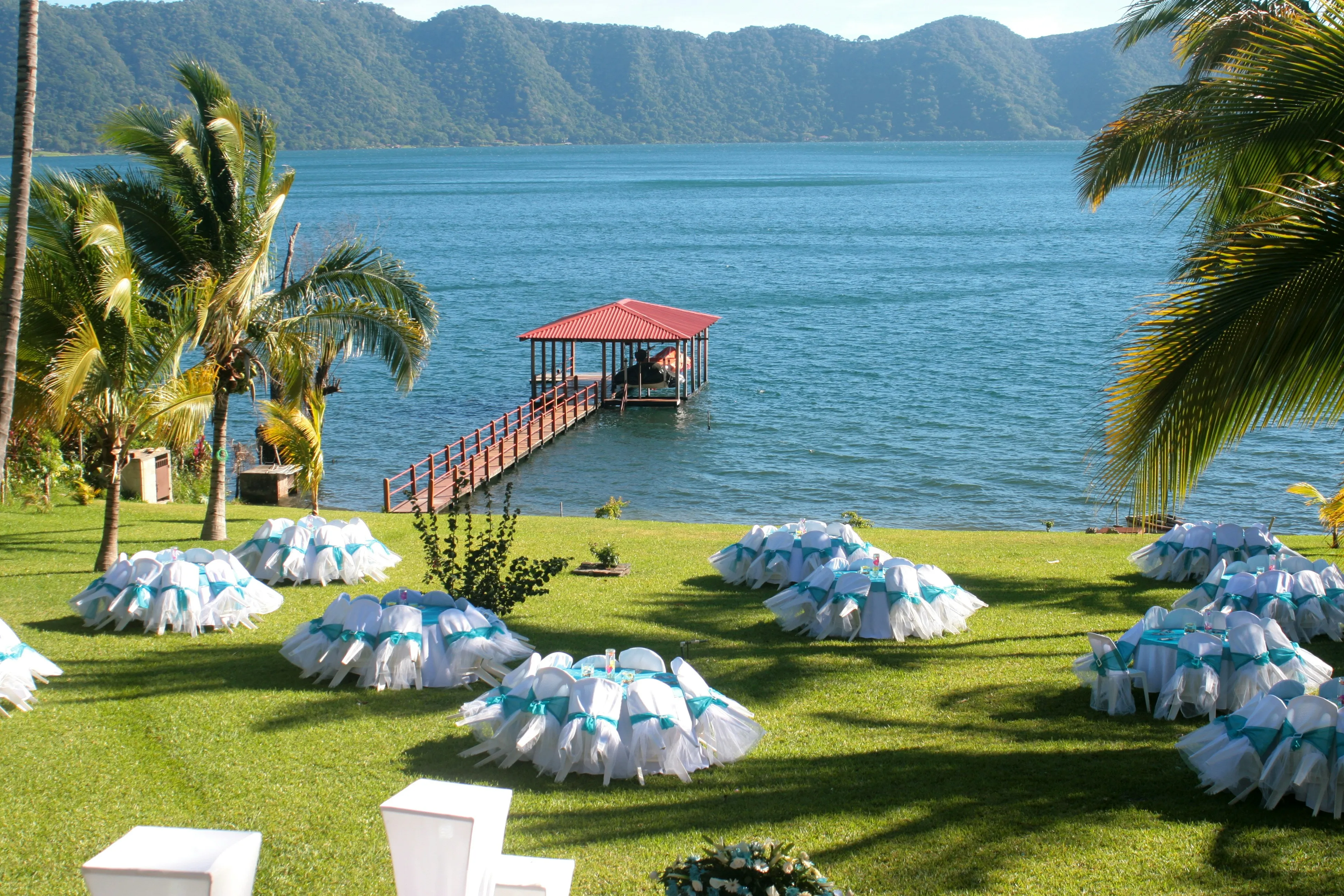
For those seeking direct contact with nature, Los Volcanes National Park is an essential stop. This complex groups three giants: Izalco, Cerro Verde, and Santa Ana (Ilamatepec). The ascent of the Santa Ana volcano is one of the most popular hiking routes, rewarding the effort with a panoramic view of a crater that houses a turquoise lagoon. From the heights, one can also contemplate Lake Coatepeque, a body of water of volcanic origin surrounded by hills, ideal for enjoying recreational activities or simply observing the landscape.
The Pacific coast defines a large part of the country’s recreational tourist offer. The La Libertad area is internationally recognized for the quality of its waves for surfing, especially at beaches like El Tunco, El Zonte, and Sunzal. These places have developed a relaxed and cosmopolitan atmosphere, with a wide variety of services oriented toward visitors. Beyond sports, coastal towns offer gastronomy based on seafood and the possibility of visiting the Puerto de la Libertad, where the boardwalk and the fishing pier are traditional meeting points to observe maritime activity.
To the north, the municipality of Suchitoto presents itself as the country’s cultural and colonial reference. Located next to Lake Suchitlán, this town preserves its original architecture and a slow-paced atmosphere that attracts artists and history enthusiasts. It is a favorable place to visit art galleries, take boat trips on the lake, or see the old Santa Lucía church. The northern area also offers more rugged landscapes and communities linked to recent history, where rural and historical memory tourism has gained relevance in recent years.
“Tip”: You cannot miss visiting Joya de Cerén, the most emblematic place in the country.
✈️ Best season to travel
El Salvador has a tropical climate that is mainly divided into two periods: the dry season and the rainy season. The choice of travel time depends largely on the activities desired. Generally, the months that coincide with the absence of rain allow for easier access to hiking routes and volcanoes, while the precipitation season transforms the landscape into an environment of intense greens and offers highly valued conditions for surfing on the Pacific coast.
During the months with less rain, skies are usually clear, which facilitates viewing volcanic landscapes and enjoying the beaches. On the other hand, the rainy season does not usually involve constant precipitation throughout the day; instead, it tends to concentrate in the late afternoon or at night, allowing for cultural visits or outdoor activities during the mornings.
| Season | Months | Typical climate | What to expect | Tourist influx |
|---|---|---|---|---|
| Spring | Mar – May | Warm and dry, with an increase in humidity and high temperatures. | Traditional Holy Week festivities and generally clear skies. | Medium - High (⭐⭐⭐) |
| Summer | Jun – Aug | Moderate temperatures with frequent rains, usually in the afternoon. | Lush landscapes and stable conditions for intermediate-level surfing. | Medium (⭐⭐) |
| Autumn | Sep – Nov | High humidity at the beginning decreasing toward November; cooler winds. | Civic celebrations and blooming of various species in high areas. | Low - Medium (⭐) |
| Winter | Dec – Feb | Dry, with blue skies and cool breezes from the north. | Coffee harvest season and optimal conditions for hiking. | High (⭐⭐⭐) |
🗣️ Basic vocabulary
Knowing some local expressions from El Salvador will help you navigate more easily during your stay. Although the official language is Spanish, the use of certain idioms is very common in everyday situations, such as going shopping, asking for directions, or chatting casually with local residents.
Understanding these terms will allow you to integrate better into the country’s daily life and facilitate communication in markets, transport, and small establishments. Below are some of the most common and useful words for a traveler:
- Buenas: Abbreviated and very common way of greeting at any time of day when entering a place or passing someone.
- Chivo: Used to say that something is good, nice, or that you like it.
- Chero / Chera: Colloquial word for referring to a friend or acquaintance.
- Cabal: Used to indicate that something is exact or to show that you fully agree with what someone is saying.
- Vaya: Functions as a common way of saying goodbye or to confirm that an instruction or piece of information has been understood.
- Pisto: Term habitually used to refer to money.
- Bicho / Bicha: Word used to refer to a child or a young person.
- Relajo: Refers to a situation of disorder, a mess, or a place where there is a lot of noise and commotion.